
Table of Contents >> Show >> Hide
- What scaly skin really means
- Common causes of scaly skin
- Symptoms that help tell the causes apart
- How scaly skin is diagnosed
- Treatments that actually help
- When to see a doctor
- How to prevent future flare-ups
- Final thoughts
- Real-life experiences with scaly skin: what management often looks like in everyday life
Scaly skin is one of those symptoms that sounds tiny until it is living rent-free on your elbows, scalp, face, or feet. Then suddenly it becomes the main character in your day. It flakes onto dark shirts, itches at awkward times, and makes every mirror inspection feel like a dermatology pop quiz. The tricky part is that “scaly skin” is not one diagnosis. It is a clue. Sometimes it points to plain old dry skin. Sometimes it signals eczema, psoriasis, seborrheic dermatitis, a fungal infection, or sun-damaged skin that deserves quick medical attention.
The good news is that most scaly skin problems can be managed, and many improve a lot once you know what you are actually dealing with. The less-good news is that guessing wrong can make things worse. Treating ringworm like eczema, for example, is a bit like putting whipped cream on a flat tire. It is still a problem, just with more drama.
This guide breaks down the most common causes of scaly skin, the symptoms that help tell them apart, the treatments that usually help, and the warning signs that mean it is time to stop experimenting with random creams from the back of the bathroom drawer.
What scaly skin really means
Scaly skin happens when the outer layer of skin loses moisture, becomes inflamed, sheds too quickly, gets irritated by something it touched, or is affected by an infection or chronic skin condition. In simple terms, the skin barrier is not happy. When that barrier is damaged or inflamed, dead skin cells pile up instead of sloughing off quietly and invisibly like polite little overachievers.
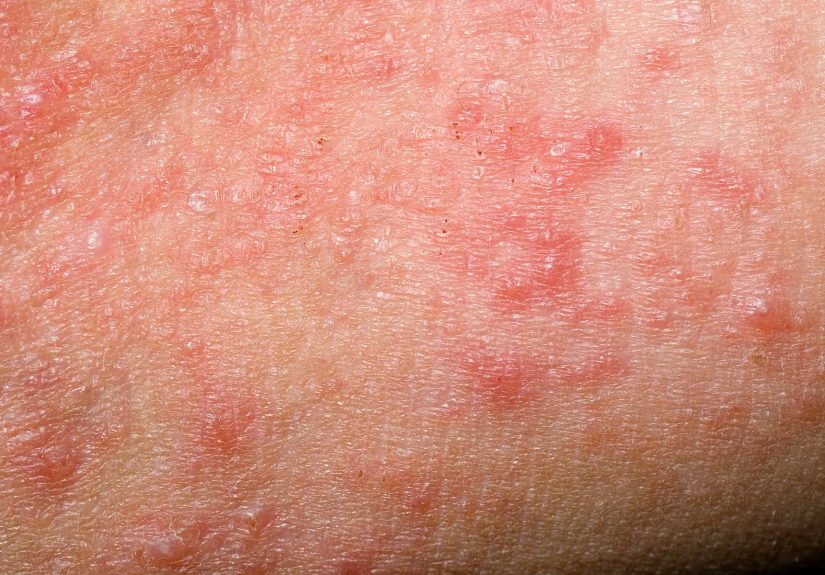
Scaling can show up as fine flakes, thick plaques, greasy yellowish buildup, rough dry patches, ring-shaped rashes, or sandpaper-like bumps. Some cases itch like crazy. Others sting, burn, crack, or barely itch at all. That difference matters because the look, feel, and location of the scaling often provide the best clues to the cause.
Common causes of scaly skin
1. Dry skin, also called xerosis
Dry skin is the most common and least dramatic cause, but it can still be miserable. It often shows up in winter, after long hot showers, with harsh soaps, frequent handwashing, low humidity, or as skin gets older and holds less moisture. The scaling is usually fine and powdery rather than thick. Skin may feel tight, look dull, and crack around the hands, shins, or knuckles.
If your skin seems to throw a tantrum every time the weather gets cold or your heater starts running nonstop, dry skin is a likely suspect. This is the version of scaly skin that usually improves with boring but effective basics: shorter lukewarm showers, gentle cleansers, and thick fragrance-free creams or ointments applied right after bathing.
2. Eczema, especially atopic dermatitis
Eczema is a chronic inflammatory skin condition linked to a weakened skin barrier and immune system overreaction. It often causes dry, itchy, inflamed, scaly patches. In children it commonly appears in skin folds, but adults can get it on the hands, neck, eyelids, arms, legs, and almost anywhere else skin feels like being difficult.
The hallmark of eczema is itch. Not casual itch. Not “I noticed it once.” More like “I would like to discuss this itch with management.” Scratching can crack the skin, increase inflammation, and set up a miserable itch-scratch cycle. Eczema is not contagious, but it can flare with stress, sweat, fragrance, wool, harsh soaps, dry air, and other triggers.
3. Contact dermatitis
Sometimes the issue is not your skin being naturally dry or inflamed. Sometimes your skin is protesting something it touched. Contact dermatitis happens when an irritant or allergen triggers a rash. Common culprits include fragrance, nickel jewelry, cleaning products, hair dye, certain cosmetics, and even “natural” skincare products that your skin absolutely did not ask for.
This type of rash may be red, itchy, scaly, swollen, or even blistered. The location often gives it away. A rash under a watchband, on the hands, or around the eyes can be a big clue. In long-standing cases, the skin can become dry, thickened, and flaky.
4. Psoriasis
Psoriasis is an immune-mediated condition that speeds up skin cell turnover. Instead of maturing and shedding at a normal pace, skin cells pile up and form thick, scaly plaques. These patches often appear on the scalp, elbows, knees, and lower back, though they can show up almost anywhere. The scale is often silvery, and the underlying skin may look red, pink, violet, or darker than the surrounding skin depending on skin tone.
Psoriasis may itch, sting, or feel sore. It can also affect nails, causing pitting, thickening, or separation from the nail bed. Unlike simple dry skin, psoriasis tends to be more sharply defined and more stubborn. Moisturizer helps, but it usually is not enough on its own.
5. Seborrheic dermatitis
Seborrheic dermatitis is a common cause of flakes on oily areas of the body, especially the scalp, eyebrows, sides of the nose, eyelids, behind the ears, and chest. On the scalp it often looks like dandruff, but the problem can go beyond a few harmless flakes. Skin may be red, irritated, and covered with greasy white or yellow scales.
This condition tends to come and go. Stress, weather changes, and certain skin or neurologic conditions can make it worse. The good news is that it often responds well to medicated shampoos or prescription treatments, especially when managed consistently rather than only after your scalp starts looking like a snow globe.
6. Fungal infections such as ringworm
Ringworm is a fungal infection, not an actual worm, which is excellent news for everyone involved. On the body it often appears as an itchy, ring-shaped rash with a scaly, slightly raised border. On darker skin, the color may look brown, gray, or purple rather than bright red. On the scalp, it can cause scaling, itching, and even hair loss.
This matters because fungal infections are often mistaken for eczema or “just dry skin.” If you use a steroid cream on ringworm without treating the fungus, the rash can get worse or become harder to recognize. That is one reason a scaly rash that is spreading, circular, or showing up on the scalp deserves a proper look.
7. Pityriasis rosea and other short-term rashes
Some scaly rashes are temporary. Pityriasis rosea often begins with one larger scaly patch, sometimes called a herald patch, followed by many smaller patches on the chest, back, or abdomen. It can look dramatic but often clears on its own over several weeks.
Because temporary rashes can mimic more chronic conditions, context matters. A new rash that appeared suddenly after an illness may not need the same long-term plan as chronic eczema or psoriasis.
8. Keratosis pilaris
Keratosis pilaris is the “why does my arm feel like sandpaper?” condition. It causes tiny rough bumps, usually on the upper arms, thighs, cheeks, or buttocks. It is not dangerous or contagious, but it can be frustrating and tends to worsen in dry weather. The skin may feel rough and look dry or slightly scaly around the bumps.
This is more of a texture problem than a rash in the dramatic sense, but it still falls into the scaly-skin universe. Gentle skincare and moisturizing products with ingredients like lactic acid, urea, or salicylic acid can help smooth it over time.
9. Actinic keratosis: the rough patch you should not ignore
Not every flaky patch is harmless. Actinic keratosis is a rough, dry, scaly patch caused by years of ultraviolet exposure from the sun or indoor tanning. It often appears on sun-exposed areas like the face, ears, scalp, neck, forearms, and hands. It may feel like sandpaper before it looks obvious.
This matters because actinic keratosis is considered precancerous. It is not the same thing as dry skin, and it is not the kind of spot you want to treat with wishful thinking and extra lotion. Any persistent rough patch on sun-damaged skin should be checked by a dermatologist.
Symptoms that help tell the causes apart
If you are trying to make sense of scaly skin, these patterns are often useful:
- Fine flakes and tight skin: more consistent with dry skin.
- Itchy, inflamed, recurring patches: often eczema.
- Clearly outlined thick plaques with heavier scale: often psoriasis.
- Greasy flakes on the scalp, eyebrows, or sides of the nose: often seborrheic dermatitis.
- Ring-shaped rash with a scaly border: think fungal infection.
- Single or persistent rough patch on sun-exposed skin: think actinic keratosis.
- Rash exactly where a product or metal touched the skin: think contact dermatitis.
Still, skin likes to keep doctors humble. Different conditions can overlap, and the same condition can look different depending on skin tone, body location, age, and whether someone has been scratching or self-treating. That is why persistent or unusual scaling is worth a professional evaluation.
How scaly skin is diagnosed
Diagnosis usually starts with a close look at the skin and a conversation about symptoms, timing, triggers, personal history, and where the rash is showing up. A dermatologist may ask whether the rash itches, burns, spreads, flakes into the scalp, affects the nails, worsens with certain products, or improves with moisturizer.
When the diagnosis is not obvious, additional testing may be needed. A skin biopsy can help diagnose conditions such as eczema, psoriasis, infections, and suspicious growths. In other words, if your rash has become a medical mystery novel, dermatology has receipts.
Treatments that actually help
Start with skin-barrier basics
For many scaly skin conditions, the first layer of treatment is also the least glamorous: moisturize correctly and stop irritating the skin. Use a gentle cleanser, keep showers short and lukewarm, pat skin dry instead of scrubbing it, and apply a thick fragrance-free cream or ointment while the skin is still damp. Ointments and thick creams usually work better than thin lotions for very dry or eczema-prone skin.
It also helps to use a humidifier during dry weather, avoid rough fabrics if they make you itch, and choose fragrance-free laundry and skincare products. This is not exciting advice. It is also the advice that works surprisingly often.
Treat the cause, not just the flakes
For eczema: regular moisturizing is essential, but many people also need prescription anti-inflammatory treatment during flares. These may include topical corticosteroids, nonsteroidal prescription creams, wet-wrap therapy for severe flare-ups, or other therapies when the condition is widespread or stubborn.
For contact dermatitis: the main treatment is identifying and avoiding the trigger. Prescription steroid creams may calm the inflammation, but the rash will keep coming back if the skin keeps meeting the same allergen or irritant.
For psoriasis: treatment often includes prescription topical medications, medicated scalp treatments, light therapy, and sometimes systemic medication for more extensive disease. Moisturizer helps reduce scaling, but psoriasis usually needs more than moisturizer alone.
For seborrheic dermatitis: medicated shampoos and targeted creams are often the stars of the show. Ingredients such as ketoconazole and other antifungal or anti-inflammatory treatments may be used depending on the area involved and how severe the flaking is.
For fungal infections: use antifungal treatment, not just anti-itch cream. Some cases can be treated with over-the-counter antifungal products, while scalp or nail infections often need prescription medication. Do not use steroid creams alone on a rash you suspect might be ringworm.
For actinic keratosis: treatment may include freezing the spot, prescription field therapy, or other in-office procedures. The important thing is not to ignore it.
What not to do
Do not scrub flakes off aggressively. Do not layer on random scented products because the label says “soothing meadow breeze” or some other suspiciously cheerful phrase. Do not assume every rash is fungal. And do not assume every scaly patch is just dryness if it keeps coming back, gets thicker, spreads, bleeds, or shows up on sun-exposed skin.
When to see a doctor
You should get medical advice if scaly skin:
- lasts more than a couple of weeks despite gentle skin care,
- is painful, cracked, bleeding, or infected,
- covers a large area of the body,
- comes with hair loss or nail changes,
- forms a ring-shaped spreading rash,
- shows up as a persistent rough patch on sun-exposed skin, or
- keeps flaring no matter how carefully you moisturize.
If itching is ruining sleep, if the rash is affecting confidence or daily functioning, or if you are reaching the “I have now bought six creams and trust none of them” phase, that counts too. Skin conditions may not always look dramatic, but they can absolutely affect quality of life.
How to prevent future flare-ups
Prevention depends on the cause, but the basics are surprisingly universal: protect the skin barrier, avoid known triggers, treat early, and use sunscreen on exposed skin. Consistency matters more than heroics. A two-minute daily moisturizing habit beats a once-a-month panic purchase every time.
For people with eczema or dry skin, prevention may mean using thick moisturizers year-round and switching to gentler products. For scalp scaling, it may mean using a medicated shampoo regularly rather than waiting for a full-blown flare. For sun-damaged skin, prevention includes daily sun protection and skin checks. For contact dermatitis, prevention is detective work: find the culprit and break up with it.
Final thoughts
Scaly skin is common, but it is not always simple. Sometimes it is just dryness asking for a better moisturizer. Sometimes it is eczema, psoriasis, seborrheic dermatitis, or contact dermatitis asking for a smarter treatment plan. Sometimes it is ringworm asking you not to treat fungus like inflammation. And sometimes it is actinic keratosis asking for a dermatologist, promptly.
The main takeaway is this: do not treat all flakes as if they are the same. The pattern, location, texture, triggers, and duration matter. When you match the treatment to the cause, scaly skin becomes much more manageable, and your black shirts can finally know peace.
Real-life experiences with scaly skin: what management often looks like in everyday life
Experience 1: The winter flake explosion. A lot of people notice scaly skin for the first time when temperatures drop and indoor heat kicks in. Their legs start itching after showers, their hands crack after constant washing, and lotion that worked in summer suddenly feels like decorative water. In real life, improvement often starts when they swap long hot showers for shorter lukewarm ones, switch to a gentle cleanser, and use a thick cream or ointment within a few minutes of bathing. It is not glamorous, but many people find that the skin calms down once the routine gets less aggressive and more consistent.
Experience 2: “I thought it was dandruff, but it kept coming back.” Scalp scaling is one of the most frustrating versions because it is so visible and so easy to dismiss. Many people try changing shampoos over and over before realizing they may have seborrheic dermatitis or scalp psoriasis rather than simple dryness. They often describe a cycle of flakes, itch, embarrassment, improvement for a week, and then a dramatic return right before an event where they would really prefer their scalp not behave like a pastry. The turning point is usually using the right medicated product regularly and not quitting the moment the scalp looks better.
Experience 3: The rash that looked harmless until it spread. Fungal infections are famous for fooling people. Someone notices a small flaky circle on the arm or leg, assumes it is dry skin, and uses whatever cream is nearby. Then the patch grows, a second one appears, and now the whole situation has become annoying enough to deserve a search history no one is proud of. People often say they finally improved once they stopped guessing, got the rash identified correctly, and used an antifungal instead of a steroid-only cream. The lesson is simple: spreading scaly rashes deserve more respect than they usually get.
Experience 4: Living with eczema means managing triggers, not just flare-ups. People with eczema often describe the condition as unpredictable until they start recognizing patterns. Sweat, stress, fragrance, rough fabrics, and dry air can all pile on at once. One week everything is fine, the next week their skin acts like it has entered a grievance process. Over time, many become experts in prevention: fragrance-free products, quick showers, thick moisturizer, trigger tracking, and early treatment at the first sign of itching. The biggest emotional shift often comes when they stop blaming themselves for “not fixing it” and start treating it like a chronic condition that needs ongoing management.
Experience 5: The rough patch that turned out to be important. An older adult may notice a dry, stubborn spot on the forehead, scalp, or hand that never fully goes away. It does not seem urgent. It is not dramatic. It just sits there being rough and weird. Many people ignore these spots for months because they assume moisturizer should handle it eventually. When a dermatologist identifies actinic keratosis, the reaction is often the same: surprise that something so small matters. That experience changes how people think about sun protection and why persistent scaly patches on sun-exposed skin should not be put in the “deal with later” category.






 Close
Close