
Table of Contents >> Show >> Hide
- So… What Bread Does Tyler Florence Actually Pick?
- Why This Bread Works: The (Delicious) Science of Crumb, Crust, and Melt
- Tyler Florence’s Grilled Cheese Style: Small Tweaks, Big Payoff
- How to Make a “Tyler-Style” Grilled Cheese at Home
- But WaitTyler Florence Also Uses Other Breads in Other Grilled Cheese Recipes
- Choosing the Right Bread (Even If You Can’t Find Artesano)
- Mayo vs. Butter: The Real Question Everyone Asks
- Common Grilled Cheese Mistakes (and How to Fix Them Fast)
- FAQ: Tyler Florence’s Favorite Bread for Grilled Cheese
- Final Take
- Kitchen Experiences: What You’ll Notice When You Try Tyler Florence’s Bread Pick (and a Few Others)
- SEO Tags
Grilled cheese is the culinary equivalent of a cozy hoodie: not fancy, not trying too hard, but somehow always the right choice.
And yetdespite being “just bread + cheese + heat”it’s also one of the easiest comfort foods to mess up. Burnt outside,
barely-melted inside. Soggy bottoms. Cheese escaping like it has somewhere better to be.
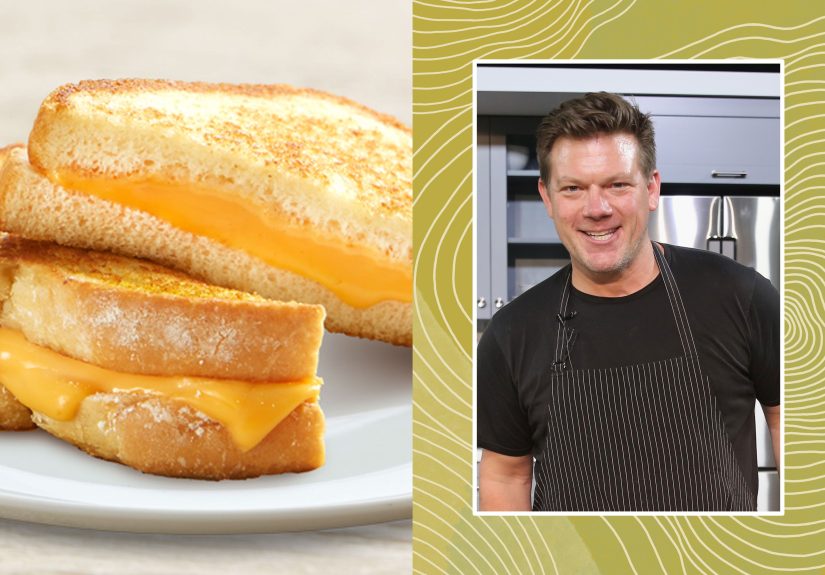
That’s why people perked up when celebrity chef Tyler Florence shared his not-so-chefy secret for better grilled cheese:
his favorite bread isn’t a crusty, artisanal sourdough from a boutique bakery. It’s a supermarket loafspecifically
Sara Lee Artesano. Yes, the same bread you can toss into your cart while you’re also buying paper towels
and asking yourself why you came in for “only one thing.”
In this deep dive, we’ll break down why that bread works, how Florence’s technique changes the game, and how you
can build a grilled cheese that’s crisp, melty, and gloriously low-stresswhether you’re cooking for kids, friends, or just
the version of yourself who deserves a win today.
So… What Bread Does Tyler Florence Actually Pick?
Tyler Florence has praised Sara Lee Artesano as a go-to choice for making the “best” grilled cheesesurprising
a lot of people who assumed a chef would default to rustic sourdough. His reasoning is practical: the bread’s crumb is more
uniform and “tight,” which helps it toast evenly and hold melted cheese without turning into a holey, drippy situation.
It also has a subtle sweetness and a sturdier exterior than basic white sandwich bread, so you get crispness without needing
a brick-oven pedigree.
That one choice reveals a bigger truth about grilled cheese: the best bread isn’t always the fanciest breadit’s the bread that
behaves well under heat. And “behaves well” means it browns evenly, stays intact, and doesn’t act like a sponge for fat.
Why This Bread Works: The (Delicious) Science of Crumb, Crust, and Melt
1) A tighter crumb toasts more evenly
Big, open holes are great for Instagram. They’re less great when molten cheese finds those holes and makes a break for it.
A tighter crumb gives you more continuous surface contact with the pan, which encourages consistent browning and helps keep
the cheese where it belongs: inside the sandwich, living its best life.
2) Sturdy slices support the cheese as it liquefies
When cheese melts, it goes from “supportive coworker” to “liquid chaos.” Bread that’s too thin or too fragile buckles, tears,
and turns your grilled cheese into an accidental fondue side quest. Thicker, sturdier slices are more forgiving and help the
sandwich stay cohesive.
3) Mild flavor lets the cheese stay the headline
Florence’s bread pick also aligns with a classic grilled-cheese philosophy: the bread should be tasty, but not so loud that it
competes with the cheese. A gentle wheat-and-sweet profile acts like a good stage managerhelpful, steady, and not trying to
steal the spotlight.
4) It hits the sweet spot: crisp outside, tender inside
Great grilled cheese has contrast. You want a shattering, golden exterior and a soft interior that cushions the cheese.
Bread that can crisp without becoming jaw-destroying is a rare giftaccept it, and don’t overthink it.
Tyler Florence’s Grilled Cheese Style: Small Tweaks, Big Payoff
Bread is the foundation, but Florence’s approach is also about methodespecially heat control and when (and where) to add fat.
Here are the key ideas that make his version feel “chef-y” without requiring chef pants.
Use steady heat (and ideally a controlled griddle)
Florence has recommended a temperature-controlled electric griddle around 375°F to get repeatable results and cook
multiple sandwiches efficiently. You don’t need an electric griddle, but the concept matters: stable heat beats pan chaos.
If you’re using a skillet, think “medium-low and patient,” not “high heat and hope.”
Butter after, not before (a surprisingly smart move)
One of Florence’s more eyebrow-raising tips is to skip buttering the bread before cooking and instead finish the sandwich by
brushing on melted garlic-rosemary butter after it comes off the heat. Why does that help? Two reasons:
- Less burning risk: butter can brown quickly at high heat; adding it later reduces the chance of scorched flavor.
- Maximum aroma: garlic and rosemary taste brighter when they aren’t cooked to death in the pan.
Mayo inside for structure (yes, inside)
Mayo is famous as an outside-the-bread browning hack, but Florence has also talked about using mayo on the inside for structure.
A thin smear can help create a barrier that keeps the crumb from getting soggy as the cheese melts, and it adds a subtle tang
that quietly improves the whole bite.
Cheese choices: creamy + melty + nostalgic
Florence has highlighted cheeses like a triple-cream style, Muenster for meltability, and classic American for pure childhood joy.
The theme is intentional: a blend of creamy and stretchy gives you a plush melt, while a familiar cheese keeps it grounded.
How to Make a “Tyler-Style” Grilled Cheese at Home
Below is a practical, home-kitchen-friendly method inspired by the principles Florence talks aboutbread choice, controlled heat,
and finishing fat. Think of it as a template you can actually use on a Tuesday.
Ingredients (2 sandwiches)
- 4 slices Sara Lee Artesano (or similar sturdy white sandwich bread)
- 6–8 ounces cheese total (mix a creamy cheese + a melty cheese; optional: a slice of American for nostalgia)
- 2–3 tablespoons mayonnaise (for a thin inside layer)
- 2 tablespoons butter, melted
- 1 small garlic clove, finely grated or smashed into the melted butter
- 1/2 teaspoon chopped rosemary (or a pinch of dried)
- Optional: a swipe of Dijon, a few tomato slices, or crispy bacon
Step-by-step
-
Preheat your cooking surface. If using an electric griddle, aim for steady medium-high heat around the mid-300s.
If using a skillet, start at medium-low and let it preheat for a few minutes. -
Build your sandwiches. Spread a thin layer of mayo on the inside of each bread slice. Add cheese in an even layer.
If mixing cheeses, put the best-melting cheese closest to the bread for better adhesion. -
Cook low and steady. Place sandwiches in the pan/griddle. Covering the pan briefly can help melt the cheese faster
without over-browning the bread (a lid traps gentle heat). - Flip when golden. Once the first side is deeply golden, flip and cook the second side until crisp and the cheese is fully melted.
- Brush with garlic-rosemary butter at the end. Off heat, brush both sides lightly. Let it rest for 30–60 seconds so the crust sets.
- Slice and serve. Cut diagonally if you want it to taste 12% better (this is not science; it’s vibes).
If you prefer extra crunch, you can also “double-toast” the breadbrowning each slice lightly before closing the sandwichan approach
popularized by technique-driven recipes that focus on maximizing crust-to-cheese contrast.
But WaitTyler Florence Also Uses Other Breads in Other Grilled Cheese Recipes
Here’s the nuance: Florence has used different breads in different recipes over the years. That doesn’t contradict the “favorite bread”
conversationit just means he’s not a bread monogamist. (Many great people aren’t.)
Country-style white bread: classic, thick, and sturdy
In one of his Food Network grilled cheese variations (including versions with bacon and green apple), the bread is a thicker,
country-style white loafbuilt to handle bold fillings without collapsing.
Thick-cut sourdough: great when you want tang and chew
Florence has also used thick-cut sourdough in a mozzarella-based grilled cheese. Sourdough shines when it’s not too holey and the slices disclosures
are thick enough to crisp before turning brittle. It’s a strong choice if you like a more assertive, tangy base.
Garlicky sourdough with pepper jack + Havarti: the tomato-soup soulmate
A grilled cheese-and-tomato-soup pairing credited to Florence uses garlicky sourdough with pepper jack and Havartileaning into bolder flavor
and a more “grown-up grilled cheese” vibe.
Translation: Artesano is a favorite for the “best classic grilled cheese experience,” but other breads have their moment when the
fillings and flavors call for it.
Choosing the Right Bread (Even If You Can’t Find Artesano)
If your store is out of Artesanoor you live somewhere that bread options are a little chaoticuse this checklist.
You’re looking for bread that toasts evenly and holds a molten interior without structural failure.
The grilled cheese bread checklist
- Tight to medium crumb: avoid huge holes that leak cheese.
- Moderate thickness: thick enough to stay sturdy, not so thick it never crisps.
- Not overly crusty: super-hard crust can outpace cheese melt and turn the bite into a workout.
- Neutral-to-mild flavor: unless you want the bread to be a major flavor driver (rye, jalapeño-cheddar, etc.).
Solid substitutes
- Soft white sandwich bread / Pullman loaf: classic grilled cheese texture, easy browning.
- Brioche: richer, slightly sweet, tends to brown quickly (lower your heat).
- Rye: excellent with sharp cheeses; more assertive flavor.
- Hearty sandwich bread: often a great middle ground between rustic and soft.
Mayo vs. Butter: The Real Question Everyone Asks
The internet loves a mayo-versus-butter debate, and grilled cheese is basically the championship match. Here’s a grounded way to think about it:
- Butter: iconic flavor, browns beautifully, but can burn if the heat is too high.
- Mayo: spreads easily, promotes even browning, and can be more forgiving. Flavor varies depending on the mayo brand.
- Both: some modern approaches combine them for the best of both worldsrich flavor plus better browning behavior.
Florence’s finishing movebrushing melted butter after cookingsidesteps the biggest butter problem (burning) while keeping butter’s aroma and richness.
If you’re butter-curious but scorch-prone, this is a very friendly strategy.
Common Grilled Cheese Mistakes (and How to Fix Them Fast)
Your bread browns before your cheese melts
Fix: lower the heat and cover the pan for a minute or two. Also, grate your cheese or use thinner slices so it melts faster.
The sandwich is greasy
Fix: use less fat than you think you need. A thin layer is enough. If you’re finishing with butter, keep it lightthis is grilled cheese, not a butter delivery system.
The bread gets soggy
Fix: avoid bread with huge holes, don’t overload wet fillings, and consider a thin inside smear of mayo to create a moisture barrier.
Cheese leaks everywhere
Fix: keep cheese slightly inside the edges (leave a small “border”), and use a tighter-crumb bread. Also, don’t overstuffthis is a sandwich, not a cheese piñata.
FAQ: Tyler Florence’s Favorite Bread for Grilled Cheese
Is Sara Lee Artesano really “better” than sourdough for grilled cheese?
For a classic grilled cheese texturecrisp outside, tender inside, and very even browningArtesano-style white sandwich bread can outperform sourdough,
especially if the sourdough is very open-crumbed. Sourdough can still be excellent, but it’s less consistent: different loaves have different hole structure,
moisture, and crust thickness.
What cheese combo works best with this bread?
A mix usually wins. Pair a creamy cheese (triple-cream style, brie-like) with a reliable melter (Muenster, Havarti, young cheddar), and add American
if you want maximum nostalgic melt. The bread is neutral enough to support either “classic” or “elevated.”
Do I have to use garlic-rosemary butter?
Nope. It’s a finishing trick. You can brush plain melted butter, a little browned butter, or even skip it entirely. The big concept is when to add it.
What’s the best pan?
A griddle is great for even heat and space. A nonstick or cast-iron skillet works toojust keep the heat moderate and give the sandwich time to melt through.
Kitchen Experiences: What You’ll Notice When You Try Tyler Florence’s Bread Pick (and a Few Others)
If you do a side-by-side grilled cheese “taste test” at home (highly recommended; very scientific; please wear a lab coat if you have one),
you’ll notice that bread choice changes the sandwich more than almost any other variable. The first thing that jumps out with a tighter-crumb,
sturdy white sandwich bread like Artesano is how predictable the browning becomes. You don’t get random pale patches next to dark,
bitter spots. Instead, the crust tends to color evenly, which makes the sandwich feel more “professional” even if you’re cooking in socks and
existential dread.
You’ll also notice the melt timing is friendlier. With many rustic loaves, the crust can get deeply browned (or just plain too hard)
before the center heat reaches the cheese. With a softer sandwich-style loaf, the heat moves through more quickly, so the cheese turns stretchy at about
the same moment the outside hits peak gold. That synchronization is the whole game. When the timing aligns, you get that satisfying bite where the crust
crackles and the cheese pullswithout the “why is this still cold?” surprise in the middle.
Trying Florence’s “butter after” approach also changes your relationship with the stove. When you’re not anxiously watching butter smoke in the pan,
you can focus on the sandwich itself: pressure, color, and melt. Brushing melted garlic-rosemary butter at the end gives you a burst of aroma right as you
eatalmost like finishing a steak with butter, but in a way that’s much more emotionally approachable. (Steak says “special occasion.” Grilled cheese says
“I’m doing my best.”)
If you compare Artesano to sourdough, the differences are clear. A good sourdough can taste incredible, especially with sharper cheeses, but it’s far more
variable. One loaf might be tight and sandwich-friendly; another might have big caverns that let cheese escape and oil pool. In those open-crumb loaves,
you’ll sometimes taste more toasted air than breaddramatic, sure, but not always what you want from comfort food. In contrast, a consistent sandwich loaf
creates a uniform platform, which is exactly what a melty filling needs.
And then there’s brioche, which is basically grilled cheese on “easy mode” for browningsometimes too easy. It can go from “perfect” to “overdone” fast,
especially if your heat is even a little high. When you try brioche after a sturdier white sandwich bread, you’ll appreciate how forgiving the latter is.
It gives you a wider window to nail that golden crust while the cheese finishes melting.
The most fun part of experimenting is realizing you can build a grilled cheese “profile” the way you’d build a playlist. Want nostalgic and gooey?
Go with sandwich bread and a melty blend. Want sharper and more grown-up? Rye + aged cheddar. Want a bolder bread-forward bite? Use a flavored loaf and keep
the cheese simpler. Florence’s favorite bread pick isn’t about rulesit’s about choosing the bread that gives you the texture and reliability grilled cheese
is supposed to deliver. Once you feel that difference, you’ll start picking bread for performance, not prestige. And your sandwiches will thank you.






 Close
Close