
Table of Contents >> Show >> Hide
- Why Even Put a Rug in the Kitchen?
- The Types of Kitchen Rugs Worth Trying
- How to Match a Rug to Your Kitchen Layout
- Best Materials for Kitchen Rugs
- Kitchen Rug Safety and Cleaning Tips
- Mistakes to Avoid When Trying Different Rugs in the Kitchen
- What the Experience Is Really Like: on Living With Different Kitchen Rugs
- Final Thoughts
Note: This HTML contains only the body content, is written in standard American English, and is cleaned for direct web publishing.
The kitchen is where coffee happens, pasta water boils over, crumbs perform their daily magic trick, and somebody always ends up standing in the same spot for way too long. In other words, it is exactly the kind of room that can benefit from a rug. And yet, for many people, the idea of putting a rug in the kitchen feels slightly unhinged. A rug? Near tomato sauce? Next to olive oil? In the splash zone of the sink? Bold move.
Still, trying different rugs in the kitchen can completely change the way the space looks and feels. The right kitchen rug adds warmth, softens hard flooring, introduces color, and gives tired feet a much-needed break. The wrong one, however, slides around like it is auditioning for a slapstick comedy and turns every dropped blueberry into a long-term relationship. That is why choosing the right type matters so much.
If you are thinking about testing out a kitchen rug, you are not alone. Designers, product testers, and home experts consistently point to a few practical truths: low-pile rugs are easier to clean, washable styles are ideal for busy households, runners work beautifully in galley kitchens, and a non-slip base is not optional unless you enjoy living dangerously. The good news is that there is no single “perfect” rug for every kitchen. The better approach is to try different rugs in the kitchen based on your layout, cooking habits, style, and tolerance for mess.
Why Even Put a Rug in the Kitchen?
Let us begin with the obvious question: why invite fabric into the room where spaghetti sauce can achieve escape velocity? Because kitchens need softness. Hard flooring like tile, wood, laminate, or vinyl can feel cold, echoey, and unforgiving during long prep sessions. A well-placed rug adds visual comfort and literal comfort at the same time.
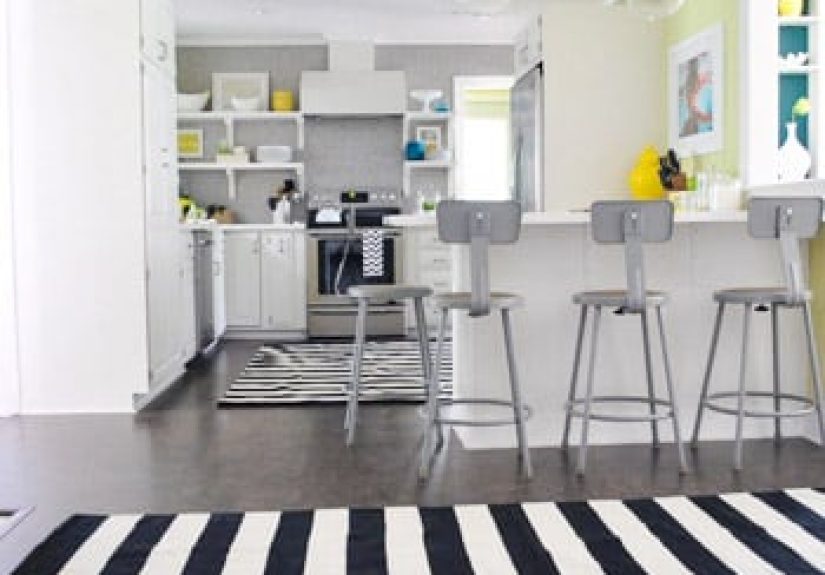
A kitchen rug can also define a zone. In a narrow kitchen, a runner creates direction and rhythm. In a larger kitchen, an area rug can anchor open floor space and make the room feel designed instead of accidental. If your kitchen is full of cabinets, appliances, and hard lines, a rug introduces texture and pattern without asking you to repaint the walls or replace the backsplash. That is a pretty good deal for one decor item that lives on the floor and asks only for an occasional wash.
There is also the everyday comfort factor. Standing at the sink, chopping vegetables, unloading the dishwasher, or stirring a pot for 25 minutes is much easier when your feet are not negotiating directly with cold tile. Even a slim rug can make a difference, while cushioned anti-fatigue mats go all in on comfort.
The Types of Kitchen Rugs Worth Trying
1. The Classic Low-Pile Runner
If the kitchen rug world had a reliable overachiever, it would be the low-pile runner. This style is easy to slide into long, narrow kitchens and works especially well along the sink wall, between counters, or in a galley layout. Because the fibers are short and tightly packed, low-pile rugs are easier to vacuum and spot-clean than plush options.
This is the style many experts recommend first, and for good reason. It offers the warmth and look of a real rug without creating too much bulk. Cabinet doors are less likely to catch on it, chairs move more easily, and crumbs have fewer places to hide. Translation: it looks sophisticated while behaving reasonably well under pressure, which is more than can be said for many people before their first cup of coffee.
2. The Washable Kitchen Rug
Washable rugs are a gift to humanity, especially in kitchens. If you cook often, live with kids, have pets, or simply enjoy the occasional dramatic spill, a machine-washable rug is usually the smartest choice. Washable kitchen rugs come in runners, small accent sizes, and even larger area rug formats. Many are designed with stain resistance, lightweight covers, or easy-care synthetic fibers.
The appeal is simple: when life happens, you do not have to launch a full cleaning campaign. You blot, lift, wash, dry, and carry on with your dignity mostly intact. Not every rug marketed as washable is actually easy to deal with, though, so checking care instructions matters. Some styles are truly machine washable, while others are better suited for spot-cleaning or hand washing.
3. The Cushioned Anti-Fatigue Mat
This option is less “heirloom design moment” and more “my feet would like to file a formal complaint.” Anti-fatigue mats are ideal for people who spend lots of time standing at the stove or sink. They are often made from foam, PVC, or similar wipe-clean materials and are designed to support the feet and legs during long stretches of standing.
If function ranks higher than romance in your kitchen, this is a strong option. Some modern anti-fatigue mats are much better looking than they used to be, too. You can now find versions with subtle patterns, runner-like shapes, and slim profiles with beveled edges that help reduce tripping. They may not deliver the layered charm of a vintage-style runner, but your ankles may write them a thank-you note.
4. The Indoor-Outdoor Rug
Indoor-outdoor rugs are often overlooked, which is funny because kitchens are basically indoor weather systems. These rugs are usually made from durable synthetic materials that resist stains, moisture, and heavy traffic. They can handle water splashes, food drips, and general chaos better than delicate natural fibers.
If your kitchen sees constant movement or opens to a patio, mudroom, or backyard, this type makes sense. Many indoor-outdoor styles are also flatwoven, which helps them stay practical indoors. They may not feel as plush underfoot, but they earn points for durability and easy cleanup.
5. The Vintage-Look or Patterned Statement Rug
Now we are entering the fun section. A vintage-look runner or patterned rug can completely transform a plain kitchen. These styles bring personality, color, and a collected feel that instantly makes the room seem more lived-in. Reds, blues, muted terracotta, faded florals, and Persian-inspired motifs remain especially popular because they hide dirt well and look charming even when the kitchen is working hard.
The trick is choosing a style that still fits kitchen reality. A beautiful rug that cannot survive one coffee spill is not a practical decorating choice; it is a hostage situation. Look for vintage-inspired washable rugs or low-pile patterned rugs that give you the look without the drama.
How to Match a Rug to Your Kitchen Layout
Galley Kitchen
A galley kitchen practically begs for a runner. Long, narrow rugs mirror the architecture of the space and create a cleaner visual line. A 2.5-by-7, 2.5-by-10, or similar runner size often works well depending on the length of the kitchen. Keep enough space around the rug so the room does not feel crowded, and make sure it does not interfere with cabinet doors or appliances.
Kitchen With a Sink Wall
If you mainly want comfort where you stand most, place a rug or mat directly in front of the sink. This is the highest-impact, lowest-commitment option. It gives you a softer landing during dish duty without requiring a full-room styling plan. A small washable rug or anti-fatigue mat works especially well here.
Large Open Kitchen
If your kitchen has an island and plenty of open floor space, you can go beyond the humble runner. A larger area rug can help ground the room and add color to an otherwise neutral layout. Just leave visible floor around the edges so the rug feels intentional, not wall-to-wall by surprise.
L-Shaped Kitchen
An L-shaped kitchen may benefit from either one runner in the main standing zone or a coordinated two-piece mat set. This can work particularly well if you spend time at both the sink and stove. Just avoid creating a patchwork of random little rugs unless your decorating goal is “mild confusion.”
Best Materials for Kitchen Rugs
When trying different rugs in the kitchen, material matters as much as style. Synthetic fibers such as polypropylene and polyester are usually the easiest to live with because they resist stains, clean up more easily, and hold up well in high-traffic spaces. Flatwoven constructions are also practical because they stay lower to the ground and are easier to maintain.
Cotton can work in lightweight washable rugs, but it may absorb spills faster than tougher synthetic blends. Wool looks beautiful, but in kitchens it can be more demanding than many homeowners want. Natural fibers like sisal and jute offer texture, but they are usually not ideal in splash-heavy zones because moisture and stains are not their favorite hobbies. In other words, choose with your real life in mind, not your fantasy version of yourself who never drops salad dressing.
Kitchen Rug Safety and Cleaning Tips
The best kitchen rug is not just stylish. It stays put. Slipping hazards are the fastest way for a charming decor upgrade to become a terrible idea. That is why a non-slip backing or thin rug pad is essential. Rug pads also help protect the floor, improve comfort, and extend the life of the rug.
Low-pile rugs tend to perform better because they are less likely to curl at the edges or bunch up underfoot. If you choose a cushioned mat, look for beveled edges and a stable grip. If you choose a washable rug, always check how it fits in your washing machine before a spill turns into a math problem.
For daily care, shake out crumbs when possible, vacuum regularly if the rug allows it, and blot spills instead of rubbing them deeper into the fibers. Spot-cleaning with mild soap and water often handles small messes just fine. Darker colors, subtle patterns, and vintage-inspired motifs are especially forgiving, which is lovely because kitchens are not known for staying pristine.
Mistakes to Avoid When Trying Different Rugs in the Kitchen
Choosing Thickness Over Function
Plush rugs may feel luxurious, but thick pile can trap dirt, hold stains, and create tripping hazards. In a kitchen, flatter usually wins.
Ignoring the Cleaning Instructions
If the rug requires professional cleaning and you cook every day, that is a mismatch. The rug should fit your routine, not become another household manager you have to impress.
Picking a Rug That Is Too Small
A tiny rug in a large kitchen can look accidental. Measure your space first and decide whether you want the rug to cushion one standing zone or visually anchor a larger area.
Forgetting About Color Strategy
Very light rugs can be beautiful, but kitchens are not exactly gentle environments. Medium tones, darker shades, and busy patterns often look better longer between cleanings.
What the Experience Is Really Like: on Living With Different Kitchen Rugs
Trying different rugs in the kitchen is one of those home experiments that seems small at first and then becomes weirdly revealing. You think you are choosing a rug, but really, you are learning how you use your kitchen. The first rug might be pretty but impractical. The second might be practical but look like it belongs in a break room. The third finally gets close, and suddenly you understand why people become surprisingly emotional about floor coverings.
The experience usually starts with optimism. You unroll a beautiful runner and immediately admire how much warmer the room feels. The cabinets look richer. The floor looks less cold. The whole kitchen seems more finished, as if it has been waiting for this exact detail all along. For a brief, glorious moment, you think you have solved both style and comfort in a single purchase. Then somebody spills coffee on it.
That is when the testing phase becomes real. A washable rug earns instant respect because it handles everyday mess without a dramatic monologue. You stop treating the kitchen like a museum and start using it like a kitchen again. A good washable rug gives you confidence. It says, “Go ahead, make tacos.” A bad one says, “I hope you enjoy hand scrubbing salsa at 10 p.m.”
Then there is the anti-fatigue mat experience, which is less romantic but deeply convincing. The first time you stand on one during a long cooking session, you realize your legs were not imagining things. The comfort is immediate. If you spend a lot of time chopping, baking, or doing dishes, this type of mat can feel like the practical adult choice you did not know you needed. It may not have the soulful charm of a faded vintage runner, but after an hour at the stove, your feet may decide that soul is overrated.
Pattern also changes the experience more than people expect. A solid rug can look sleek, but a patterned rug is often more forgiving. It hides crumbs better. It disguises the tiny mysteries of kitchen life better. It does not panic when flour appears. Vintage-style designs, especially in richer or muted colors, tend to age gracefully in busy spaces. They look lived in even when they are brand-new, which is useful in a room where “lived in” is basically the daily aesthetic.
Size makes a difference, too. A runner in a galley kitchen can make the room feel longer and more intentional. A too-small mat in a large open kitchen can seem lost, like it wandered in from another house. A larger rug under open floor space can make the whole room feel more designed, but only if it fits the traffic flow and stays safely in place.
In the end, trying different rugs in the kitchen is not really about finding a universally perfect option. It is about finding the one that matches your habits. If you cook often, washable and low-pile probably win. If comfort matters most, cushioned support may become your hero. If style is your love language, a patterned runner can do a shocking amount of heavy lifting. The best kitchen rug is the one that survives your real life while making the room look better every single day.
Final Thoughts
Trying different rugs in the kitchen is one of the easiest ways to upgrade the room without remodeling anything. The key is to balance style with reality. Choose a rug that suits your layout, keeps a low profile, cleans up without drama, and stays put under busy feet. A washable runner, a durable flatweave, or a cushioned anti-fatigue mat can each be the right answer depending on how your kitchen works.
So yes, you can absolutely put a rug in the kitchen. Just choose one that understands the assignment. The kitchen is busy, messy, hardworking, and full of life. Your rug should be ready for all of it.







 Close
Close