
Table of Contents >> Show >> Hide
- Why Toddlers Start Climbing Out of the Crib
- What to Do Tonight If Your Toddler Is Climbing Out of the Crib
- When to Transition From Crib to Toddler Bed
- How to Prevent Falls During and After the Crib Transition
- What If Your Toddler Already Fell Out of the Crib?
- How to Handle Bedtime Escapes Without Making Them More Exciting
- Common Mistakes Parents Make (Totally Understandably)
- Conclusion: Safety First, Sleep Second, Perfection Never
- Real-World Parent Experiences: What This Looks Like at Home (Extended Section)
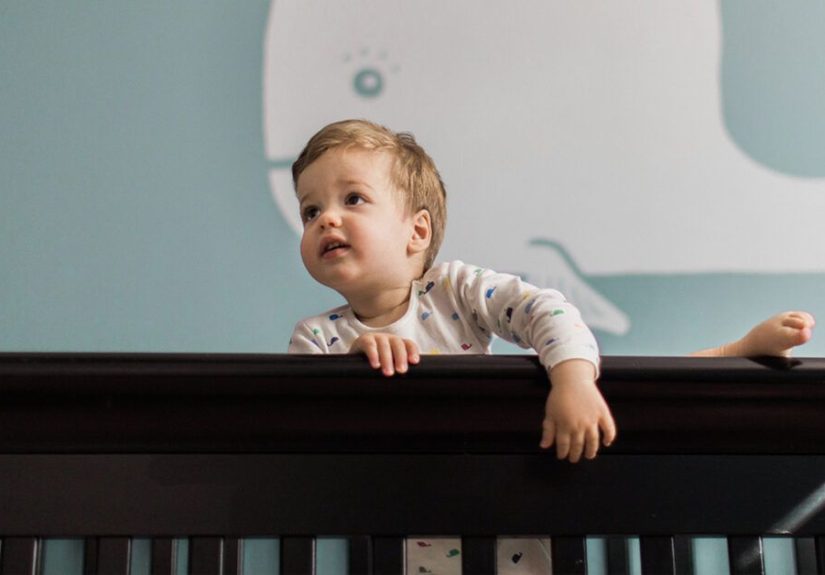
One day your toddler is peacefully snoring in a crib. The next day, they’re halfway over the rail like a tiny action-movie stunt double. If your child is climbing out of the crib, you’re not overreacting by worrying. Crib escapes can lead to falls, head injuries, and a very dramatic 2 a.m. household situation. The good news: there are safe, practical steps you can take tonight, plus a smart plan for preventing falls long-term.
This guide covers what to do immediately, how to make the crib safer (for now), when it’s time to transition to a toddler bed, how to childproof the room like a sleep-safe zone, and what warning signs to watch for if your toddler has already fallen. We’ll also talk about the bedtime behavior side of thingsbecause safety is the priority, but sleep still matters (and so does your sanity).
Why Toddlers Start Climbing Out of the Crib
Toddler crib climbing is usually not a sign that you’ve done anything wrong. It’s often a sign that your child is developing exactly as toddlers do: curious, mobile, fearless, and deeply committed to testing gravity.
Common reasons a toddler climbs out of a crib
- Physical development: They’re stronger, more coordinated, and suddenly able to swing a leg over the rail.
- Height growth: As toddlers get taller, the crib rail becomes easier to climb and easier to tumble over.
- Practice opportunities: Stuffed animals, bumpers, and large toys can become step stools in disguise.
- Independence: They realize they can get out… and now they would like to demonstrate this skill 17 times.
- Transitions: Potty training, a new sibling, schedule changes, or sleep regressions can trigger more bedtime resistance and escape attempts.
In many cases, the question isn’t “How do I stop my toddler from climbing forever?” It’s “How do I keep them safe while deciding whether to transition out of the crib now?”
What to Do Tonight If Your Toddler Is Climbing Out of the Crib
If your toddler has climbed out once or is actively trying, treat it as a safety issue first and a sleep issue second. Here’s your immediate action plan.
1) Lower the crib mattress to the lowest setting
This is step one, always. If the mattress is not already at the lowest setting, lower it now. A higher mattress makes climbing much easier and increases the fall risk. If your toddler can already stand well, the mattress should be at the lowest position.
2) Remove anything that can be used as a “boost”
Take out large stuffed animals, pillows, blankets, bumper pads, and bulky comforters. These items are not only unsafe for younger children in sleep spaces, but they can also become climbing aids for toddlers who are trying to escape.
If your child still uses a wearable blanket, use an age-appropriate sleep sack (if it still fits safely and appropriately for your child’s development), but remember: this may only buy you time. If your toddler is repeatedly getting out, the crib may no longer be the safest sleep space.
3) Move the crib away from furniture, windows, and cords
A crib next to a dresser, chair, or nightstand can become a launchpad. Move nearby furniture out of reach. Keep the crib away from windows, blind cords, curtain strings, lamps, and electrical cords. Your goal is to reduce both climbing leverage and fall hazards.
4) Inspect the crib itself
Check for loose screws, missing hardware, broken slats, cracks, sharp edges, or anything unstable. Crib hardware problems can create collapse or entrapment risks. Make sure the mattress fits snugly with no large gaps along the sides.
5) Do not use “fixes” that create new hazards
Skip crib tents, DIY restraints, and makeshift barriers. They may sound clever in an exhausted-parent moment, but some products marketed to prevent climbing have been associated with entrapment and strangulation hazards. If a product’s main promise is “keep your child trapped in the crib,” that’s your cue to pause and double-check safety before using it.
When to Transition From Crib to Toddler Bed
There is no single magic birthday for the crib-to-bed transition. Many children move sometime between 18 months and 3 years, and some experts prefer waiting until closer to age 3 when possible because younger toddlers often have a harder time staying in bed. But “when possible” is the key phrase. If your child is climbing out, safety can override ideal timing.
Signs it’s time to move out of the crib
- They’re climbing out (or trying repeatedly): A successful escape is a major safety signal.
- They’ve outgrown the crib by height: Around 35 inches is a common safety threshold cited in pediatric guidance.
- The rail is too low relative to their body: If the top rail is around chest/nipple level when standing, climbing becomes much easier.
- They need nighttime access for potty training: Some toddlers can no longer be safely confined in a crib.
- The crib setup is no longer safe even after adjustments: Mattress is low, toys removed, and they still escape.
If your toddler has never tried to climb out and seems content in the crib, there’s usually no need to rush the transition just because a relative said, “My cousin’s kid switched at 14 months and now reads chapter books.” Your child, your timingas long as it’s safe.
How to Prevent Falls During and After the Crib Transition
Once a toddler can get out of bed independently, the room becomes the real safety project. Think of it this way: you are turning the entire room into one giant crib. This mindset makes childproofing much easier.
Set up a safer sleep surface
- Use a low bed: A toddler bed or a mattress on the floor can reduce injury risk if your child rolls out.
- Consider bed rails designed for the bed: Use manufacturer-approved rails and avoid gaps where a child could get trapped.
- Use the correct mattress size: A poor fit can create dangerous gaps.
- Place a rug next to the bed: A soft landing helps with minor tumbles (especially on hard floors).
Childproof the room like your toddler has a night shift
- Anchor furniture to the wall: Dressers, bookshelves, and TVs should all be secured.
- Cover outlets: Use outlet covers or tamper-resistant outlet protection.
- Remove cords and strings: Blind cords, charger cords, and lamp cords should be out of reach.
- Remove hard/heavy toys: Rocking horses, large dollhouses, and heavy objects can become fall hazards.
- Lock up meds and cleaning products: Especially important if your toddler can leave the bedroom.
- Use gates where needed: Top of stairs is a must; other areas may need gates depending on your layout.
- Secure windows: Use window guards/stops and don’t rely on screens to prevent falls.
Control access at night
Some families use a childproof doorknob cover or a gate at the bedroom doorway so the child stays in a safe room instead of wandering the house at night. If you do this, make sure the room is fully childproofed, the monitor works well, and your family has a fire safety plan. The goal is not “containment at all costs.” The goal is a safe, supervised environment when your child wakes before you do.
What If Your Toddler Already Fell Out of the Crib?
First: take a breath. Many crib falls result in bumps or bruises, but some falls can cause more serious injuries. How your child looks and acts after the fall matters.
What to do right away
- Check responsiveness: Are they awake, breathing normally, and reacting to you?
- Look for visible injuries: Bleeding, swelling, unusual limb position, or signs of severe pain.
- Comfort and observe: Watch behavior closely for changes in alertness, walking, speech, balance, or mood.
- Call your pediatrician: If you’re unsure, call. It’s a good use of a pediatrician. This is exactly their lane.
Emergency warning signs after a head injury (seek urgent care/ER or call 911)
- Loss of consciousness, trouble waking up, or worsening drowsiness
- Seizure-like movements
- Repeated vomiting
- Unusual confusion, agitation, or behavior changes
- Slurred speech, weakness, numbness, or poor coordination
- A headache that gets worse and does not go away
- One pupil larger than the other or double vision
- In toddlers: inconsolable crying, refusal to eat/drink, or “something is clearly off” behavior
Trust your instincts. You know your child’s normal better than anyone. If they seem significantly different after a fall, get medical care.
How to Handle Bedtime Escapes Without Making Them More Exciting
Once a toddler discovers mobility, bedtime can become a live performance. The trick is to avoid turning it into the hottest ticket in town.
Keep your response calm, brief, and boring
If your child gets out of bed, calmly return them to bed with minimal interaction. No big speeches. No debates. No Oscar-worthy reaction. Just a simple, consistent reset: “It’s bedtime. Back to bed.”
Use routines and predictability
Toddlers usually do better with a steady bedtime sequence: bath, pajamas, books, cuddles, lights out. If you’re also dealing with daycare changes, potty training, or a new sibling, try not to stack too many transitions at once if you can avoid it.
Try positive reinforcement
Sticker charts and small rewards can work well for toddlers learning to stay in bed. Keep it simple and immediate. “You stayed in bed all night = sticker.” “Five stickers = special breakfast pancakes.” (Or whatever currency your toddler values. Some children would absolutely choose blueberries over gold.)
Practice at nap time first
For some kids, starting the new bed at nap time helps because everyone is less tired and less likely to melt down. Keep the same sleep routine and expectations.
Common Mistakes Parents Make (Totally Understandably)
- Waiting too long after repeated climbs: If your child is escaping regularly, the risk is real.
- Using bumpers or large toys “for comfort”: These can increase climbing and injury risk.
- Forgetting to childproof the room after switching beds: The bed isn’t the only safety issue anymore.
- Giving lots of attention to bedtime breakouts: Toddlers may repeat what gets the biggest reaction.
- Assuming one bad night means failure: The crib-to-bed transition often takes repetition and consistency.
Conclusion: Safety First, Sleep Second, Perfection Never
If your toddler is climbing out of the crib, the safest approach is to treat it as a fall-prevention issue right away. Lower the mattress, remove climbing aids, inspect the crib, and decide quickly whether the crib is still a safe sleep space. If your child is repeatedly escaping, is around 35 inches tall, or the rail is now too low compared with their chest height, it may be time to transition to a toddler bed or floor mattress.
The real secret to preventing falls is not just switching bedsit’s creating a safe sleep environment for a mobile child. Anchor furniture, block stair access, secure windows and cords, and keep your responses calm and consistent during bedtime battles. It may feel messy for a week or two, but with a safe setup and a steady plan, most toddlers adjust.
And if you’re currently reading this while sitting on the nursery floor in the dark because your toddler escaped three times already tonight: you’re not failing. You’re parenting a healthy, determined little climber. Now let’s make sure that climber stays safe.
Real-World Parent Experiences: What This Looks Like at Home (Extended Section)
One of the hardest parts of dealing with a toddler climbing out of the crib is that it often happens suddenly. Parents usually describe it like this: “Everything was fine… until it absolutely was not.” A child who never showed interest in climbing can pull off a full escape in one night, often after learning to climb the couch, the dining chair, or your entire body while you were trying to answer an email. That surprise factor is why many parents feel shaken after the first crib climb. It’s not just the fall riskit’s the realization that the rules changed overnight.
In real homes, the most successful response is usually not the fanciest product or the most expensive bed. It’s a quick safety reset plus consistency. Parents who do well with this transition often describe doing the basics first: lowering the mattress, removing stuffed animals, moving the crib away from furniture, and childproofing the room that same day. Then they choose a simple sleep plan and stick with it. The plan might be “calmly return to bed every time” or “switch to a floor mattress and gate the doorway,” but the key is consistency. Toddlers are tiny scientists. They will test every variable.
Another common experience is discovering that the transition is harder for the parent than the child. Many parents expect their toddler to be thrilled about a big-kid bed, only to find the child confused, overexcited, or suddenly sentimental about the crib. Others expect chaos and are shocked when the toddler adapts in two nights. That unpredictability is normal. There’s a wide range of “normal” in toddler sleep behavior, and it doesn’t mean your child is stubborn or that you missed the “perfect” transition window.
Families also talk about the emotional side: guilt after a crib fall, frustration after repeated bedtime escapes, and second-guessing every decision. These feelings are common. A parent may think, “I should have switched earlier,” while another thinks, “I switched too soon.” In reality, most families are making the best decision they can with the information they have in the moment. What matters most is what happens next: improving the safety setup, watching for signs of injury, and adjusting the sleep environment based on the child’s actual behavior.
A practical lesson many parents learn: once a toddler can leave the bed, the room matters more than the mattress. Parents who focus only on the bed but forget the dresser, cords, outlets, or stair access often end up doing a second round of safety changes after a close call. The families who feel most confident later usually say they started thinking of the room as a “safe zone,” not just a bedroom.
Finally, many parents say the phase felt endless while they were in itand surprisingly short in hindsight. The nights can be tiring, but with a safe environment and steady routines, most toddlers stop treating bedtime like an escape room challenge. And yes, eventually they move on to a new project, like explaining why socks are unacceptable. Toddler life keeps things interesting.





 Close
Close