
Table of Contents >> Show >> Hide
- What’s the “Popular Design Trend” Everyone’s Updating?
- Warm Minimalism, Explained Like You’re Actually Going to Try It
- Why This New Look Is Taking Over
- The New Warm Minimalism Formula
- How to Pull Off Warm Minimalism, Room by Room
- How to Get the Look Without Remodeling Your Whole Life
- Common Mistakes That Make Warm Minimalism Look… Not Warm
- Where This Trend Goes Next
- Real-Life Experiences With Warm Minimalism (The Part No One Tells You)
- Conclusion
Minimalism has officially entered its “second era.” You know the one: it used to be all-white walls, razor-straight lines, and a vibe that whispered, “Please don’t sit on the sofa.” But designlike peoplechanges when it lives a little. And lately, the world has been craving homes that feel calm and comforting, tidy and human. That’s exactly why minimalism is getting a new look: a warmer, softer, more livable version that keeps the clarity of “less,” while adding the “ahhh.”
Call it warm minimalism, cozy minimalism, soft minimalism, or even midimalism (the happy middle ground between minimalism and maximalism). The labels vary, but the point is the same: you can have clean lines without cold vibes, and a streamlined home without the sterile museum energy.
What’s the “Popular Design Trend” Everyone’s Updating?
The trend is minimalismstill beloved for its visual calm, function-first mindset, and ability to make a space feel bigger and easier to manage. But the older version of minimalism often leaned hard into stark palettes and strict editing, which looked great in photos and… less great when you tried to live a normal life (with snacks, backpacks, and a suspicious pile of mail).
The refresh keeps minimalism’s best traitsdecluttered surfaces, intentional furniture, breathing roomwhile swapping in warmth through color, texture, and personality. Think of it as minimalism after it learned how to make coffee and ask, “How was your day?”
Warm Minimalism, Explained Like You’re Actually Going to Try It
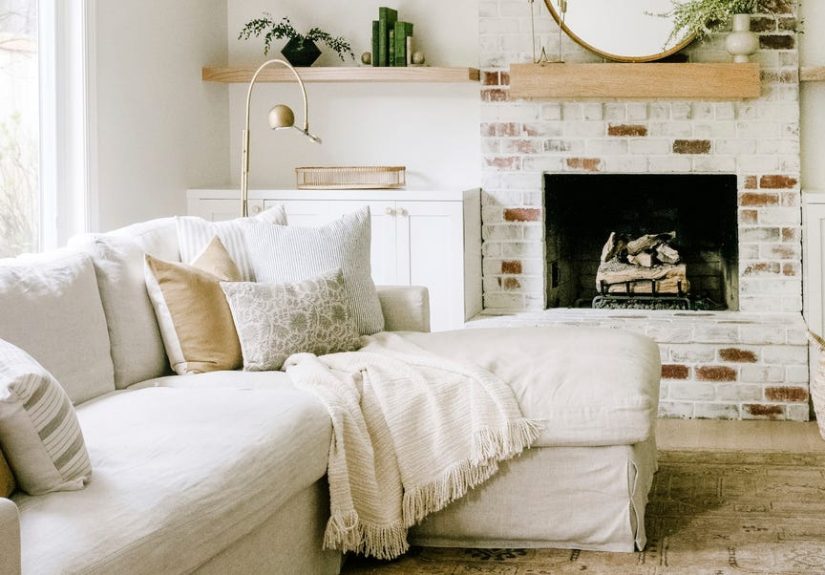
Warm minimalism blends a pared-back layout with materials and finishes that feel inviting: warm whites instead of icy whites, natural wood instead of glossy lacquer, tactile textiles instead of flat, “nothing-to-see-here” surfaces. It’s still organized and intentionalbut it’s no longer trying to win a stare-down contest.
The defining idea: “Edit without depleting.”
Warm minimalism isn’t about owning the fewest things. It’s about owning the right things. The space stays clear, but not empty. Curated, but not performative. You’re aiming for purposeful, not punishing.
Why This New Look Is Taking Over
Design trends don’t shift in a vacuum. People have been spending more time at home, expecting more from their spaces: comfort, restoration, flexibility, and a sense of identity. At the same time, many homeowners are tired of “safe” rooms that feel predictableespecially endless seas of beige or gray that look fine but don’t feel like anyone lives there.
Warm minimalism is the compromise we didn’t know we needed. It offers serenity without boredom, sophistication without stiffness, and a style that can evolve with you instead of forcing you to redecorate every time you develop a personality.
The New Warm Minimalism Formula
If traditional minimalism is a clean spreadsheet, warm minimalism is that spreadsheet… with a really good playlist in the background. Here’s what makes it work.
1) A warm, grounded color palette
Start with warm neutrals: creamy whites, ivory, oatmeal, tan, and soft browns. Add earthy accents like muted terracotta, clay, cinnamon, olive, soft sage, or deep brown for depth. The goal isn’t to avoid colorit’s to choose color that feels natural and calming.
2) Texture does the heavy lifting
When you’re not relying on loud patterns or a rainbow of colors, texture becomes your best friend. Layer linen, wool, bouclé, jute, cotton, leather, and woven materials. A room can be mostly neutral and still feel rich if the surfaces have dimension.
3) Natural materials that look better with time
Warm minimalism leans into wood, stone, ceramic, clay, and metal finishes that feel realbecause they are. Instead of shiny, perfect surfaces, the new wave embraces patina and character. A wood table that shows life is a feature, not a flaw.
4) Softer shapes (yes, curves are still invited)
Minimalism used to love sharp lines. Warm minimalism still appreciates clean silhouettes, but it welcomes rounded edges: curved sofas, arched mirrors, bulbous lamps, oval coffee tables, and cozy lounge chairs. The effect is subtle, but it makes a space feel friendlierlike the room is smiling instead of judging you.
5) “A few meaningful things” (not zero things)
Warm minimalism is where you get to keep the pieces that matter: one incredible vintage vase, a framed photo that makes you laugh, a ceramic bowl made by a local artist, or a book you actually re-read. The rule is simple: fewer objects, stronger choices.
How to Pull Off Warm Minimalism, Room by Room
Entryway: Calm starts at the door
Keep the entry functional and soothing: a closed console or cabinet (to hide the chaos), a simple hook rail, and one grounded statementlike a warm wood bench or a textured runner. Add a mirror with a soft shape and a small tray for keys so they stop doing parkour around your home.
Living room: Cozy, but uncluttered
Anchor with one great sofa in a warm neutral. Add contrast with a wood coffee table or a stone-topped side table. Bring in texture with a woven rug, linen curtains, and a throw that looks like it belongs in a fancy cabin. Keep decor minimal, but intentional: one sculptural lamp, one stack of books, one bowl, one plant.
Example combo that rarely fails: warm off-white walls + medium-tone wood + a jute rug + a bouclé chair + aged brass accents + one piece of art with actual personality.
Kitchen: Minimal doesn’t mean bare
The kitchen is where warm minimalism really proves it’s not just a “pretty” style. Use closed storage to keep counters clear, then add warmth through materials: wood cabinetry (or wood accents), a warm backsplash, and hardware in a softer finish. If you like open shelving, keep it curatedthink a few ceramics and everyday glassware, not an entire museum of mugs.
Small upgrade, big payoff: swap harsh overhead lighting for layered lightingunder-cabinet lights, a warm pendant, and a soft lamp on a counter if space allows. Yes, a kitchen lamp sounds silly… until you turn it on and suddenly your kitchen feels like a calm little café instead of an operating room.
Bedroom: The “cocoon” effect
Warm minimalism loves a bedroom that feels like a soft landing. Start with simple bedding in warm white or oatmeal. Add a wool throw, linen pillows, and a headboard with texture (upholstery, wood slats, or even a subtly padded wall panel look). Keep nightstands clean, but not empty: a small lamp, a book, a dish for jewelry.
Bathroom: Spa energy, minus the spa prices
Keep surfaces clear and pick a few tactile elements: plush towels, a wood stool, a woven basket, and one natural stone or ceramic accessory. Warm metal finishes and soft lighting help the bathroom feel elevated without adding clutter.
Home office: Focus with warmth
Minimalism works great for concentration, but warmth keeps it from feeling like a corporate waiting room. Pair a simple desk with a comfortable chair in a natural fabric. Add a textured rug for sound and comfort. Keep wall decor minimalone large print instead of twelve tiny frames fighting for attention.
How to Get the Look Without Remodeling Your Whole Life
Warm minimalism doesn’t require knocking down walls or buying a new everything. It’s more about swapping the feel of a space than changing the floor plan. Try these high-impact updates:
- Warm up your whites: choose creamy, soft off-whites instead of blue-white paint.
- Add one natural anchor: a wood table, woven rug, or stone lamp base can shift the whole mood.
- Upgrade texture, not stuff: replace flat pillows with linen or wool, add a chunky knit throw, or switch to drapier curtains.
- Use closed storage: baskets, cabinets, and sideboards keep visual calm without forcing you to become a monk.
- Layer lighting: lamps + warm bulbs + soft glow beats the “big light” every time.
- Choose quality over quantity: one great piece is better than five “meh” pieces.
Common Mistakes That Make Warm Minimalism Look… Not Warm
Mistake: Everything is beige, and nothing has contrast
Warm neutrals are great, but a room still needs contrast to feel designed. Add a darker wood tone, a deep brown accent, black details, or a stone element with veining. Contrast is what keeps minimalism from turning into “I just moved in yesterday.”
Mistake: Too many tiny decor pieces
Warm minimalism is about fewer, stronger items. If every surface has five small objects, it starts to feel busyeven if the objects are “neutral.” Try one statement piece per surface, plus one functional item (like a lamp).
Mistake: Cold lighting
The fastest way to ruin a cozy space is with harsh, cool bulbs. Use warm bulbs and layered light sources to create a softer feelespecially at night.
Mistake: Faux everything
Warm minimalism leans on materiality. If everything is imitation, the room can feel flat. You don’t need luxury materialsjust a few real, tactile elements like wood, ceramic, linen, or a woven rug.
Where This Trend Goes Next
Warm minimalism isn’t a quick microtrendit’s a direction. Designers are leaning into spaces that feel more personal, more grounded, and more real. That means rooms that are edited, but not empty; calm, but not boring; clean, but not clinical.
If you’ve ever liked minimalism but worried it would make your home feel cold, the new look is your permission slip. You can keep the clarityand add the comfort. Minimalism didn’t leave. It just put on something softer.
Real-Life Experiences With Warm Minimalism (The Part No One Tells You)
Here’s what people often notice once they start living with warm minimalismnot just photographing it. First, mornings get easier in a way that’s hard to explain until you feel it. When the kitchen counters are mostly clear, you stop doing that frantic “Where’s the mug?” shuffle. When you’ve got a simple drop zone near the door, your keys stop auditioning for a hide-and-seek championship. The house isn’t perfect; it’s just less noisy, visually and mentally. You spend less time managing your stuff and more time existing like a person who deserves peace.
The second surprise is that warm minimalism can be more forgiving than strict minimalism. Traditional minimalism can make you feel like one out-of-place item ruins everythinglike the room is grading you. Warm minimalism feels more like a supportive friend: it still wants you to put things away, but it understands you have a life. A woven basket in the living room can hold blankets, toys, or the random hoodie that keeps teleporting from chair to chair. Closed storage becomes your secret weapon. You can keep the calm look without pretending you don’t own chargers, mail, or a collection of hair ties that multiply overnight.
Hosting changes, too. In a warm minimalist home, guests tend to settle in faster because the space feels open and welcomingbut not bare. You can actually use your dining table without clearing it like you’re prepping a launch pad. A simple table setting looks intentional because the room isn’t competing with it. Even small thingslike a soft lamp instead of overhead lightingmake people linger longer, talk more, and scroll less. It’s hard to be tense in a room that feels like a gentle exhale.
Another very real experience: shopping habits shift. When you’ve trained yourself to buy fewer, better items, you start asking different questions. “Do I love it?” becomes “Do I love it and will I want to see it every day?” You start noticing materialshow a ceramic vase feels in your hand, how linen drapes, how wood catches light. You might still buy decor, but it becomes more thoughtful. And because warm minimalism is built around texture and quality, even one good purchase can change the mood of a whole room. A wool rug can make a space feel finished. A solid wood stool can make a bathroom feel spa-like. You stop chasing “more,” and start chasing “right.”
Finally, warm minimalism is the rare style that can flex with seasons and life stages. In summer, it feels airy: lighter textiles, greenery, and sunlight bouncing off warm neutrals. In winter, it feels like a cocoon: thicker throws, deeper tones, and soft lighting. If you move, the style moves well, because it’s not dependent on a specific trendy pattern or a loud color story. It’s more like a framework: calm layout, warm materials, meaningful objects. That’s why people keep it. It doesn’t demand perfectionit supports real life, just with better vibes.
Conclusion
The new version of minimalism proves you don’t have to choose between a clean home and a cozy home. Warm minimalism keeps the intentional layout and clutter-free calm people love, then upgrades it with earthy color, layered texture, natural materials, and a few personal pieces that make the space feel lived-in. It’s minimalism with warmth, softness, and staying powerdesigned for real people, real schedules, and real homes.






 Close
Close