
Table of Contents >> Show >> Hide
- Quick answer: The healthiest type of potato is the purple potato
- Why “healthiest” is a trick question (but we can still be useful)
- Meet the potato lineup: what changes from one type to another
- Why purple potatoes win: the anthocyanin advantage
- Blood sugar reality check: glycemic index is not destiny
- The healthiest ways to cook potatoes (any color)
- What does a “healthy potato plate” look like?
- Who should be cautious with “healthy” potatoes?
- How to shop, store, and cook purple potatoes like you mean it
- Bottom line: healthiest type of potato = purple, prepared smart
- Experiences: 10 things you’ll notice when you switch to purple potatoes
- 1) Your grocery cart looks like it has better vibes
- 2) You’ll become weirdly invested in the skin
- 3) Leftovers stop feeling like a sad compromise
- 4) Potato salad becomes your “healthy flex” at gatherings
- 5) Kids (and picky adults) may need a minute
- 6) You’ll start paying attention to what the potato is replacing
- 7) You’ll discover that “healthy” still needs seasoning
- 8) Portions feel easier when the plate is built right
- 9) You’ll notice how toppings change everything
- 10) You’ll keep buying them because they feel like a win
- SEO Tags
Potatoes have a PR problem. Somewhere along the way, they got lumped into the “carbs that must be punished” category,
right next to bagels and that third slice of pizza you swear you didn’t eat. But here’s the twist: the humble potato is
actually a nutrient-dense, budget-friendly, athlete-approved food… that sometimes shows up wearing a deep-fried trench coat.
The potato isn’t the villain. The cooking method is.
So when people ask, “What’s the healthiest type of potato?” what they’re really asking is: “Which potato gives me the most
nutrition and the least blood-sugar drama, while still tasting like comfort?” Fair question. Let’s answer it like adults
(who still want crispy edges).
Quick answer: The healthiest type of potato is the purple potato
If we have to crown one “healthiest type of potato,” purple potatoes are the strongest overall pick.
Why? They bring everything a regular potato brings (potassium, vitamin C, fiberespecially with the skin on) and add a bonus:
anthocyanins, the antioxidant compounds that give them their dramatic purple color.
Translation: you’re still getting a real potatojust with extra plant compounds that are linked with better markers of
heart and metabolic health in research settings. In the potato world, that’s basically showing up to the party with guacamole.
Why “healthiest” is a trick question (but we can still be useful)
“Healthiest” depends on your goal. Potatoes can be:
a great workout fuel, a comforting side dish, a fiber-and-potassium helper, or (if you deep-fry them in oil and salt them like
you’re preserving a pirate ship) a fast track to “Why am I thirsty forever?”
Three things matter more than potato variety alone
- How you cook it (boiled vs. fried is a very different story).
- Whether you eat the skin (more fiber; also: fewer nutrients get “lost” by peeling).
- What you eat with it (protein, fats, and fiber can slow blood sugar spikes and increase satisfaction).
Still, variety mattersespecially when you compare starchy potatoes (like Russet) to waxier ones (like red or fingerling),
and when you add pigmented potatoes (purple) that contain more polyphenols.
Meet the potato lineup: what changes from one type to another
Nutritionally, most potatoes share a similar foundation: carbs for energy, some protein, and a meaningful amount of
potassium and vitamin C. The biggest differences you’ll notice in daily life are texture, flavor, and how your body responds
to the starchespecially depending on cooking style.
| Type | Texture | Blood sugar tendency | Best “healthy” uses |
|---|---|---|---|
| Purple | Medium-starchy; holds shape well | Similar to other potatoes, but adds polyphenols; pairing/cooling still matters | Roasted wedges, salad-style (cooled), steamed, air-fried |
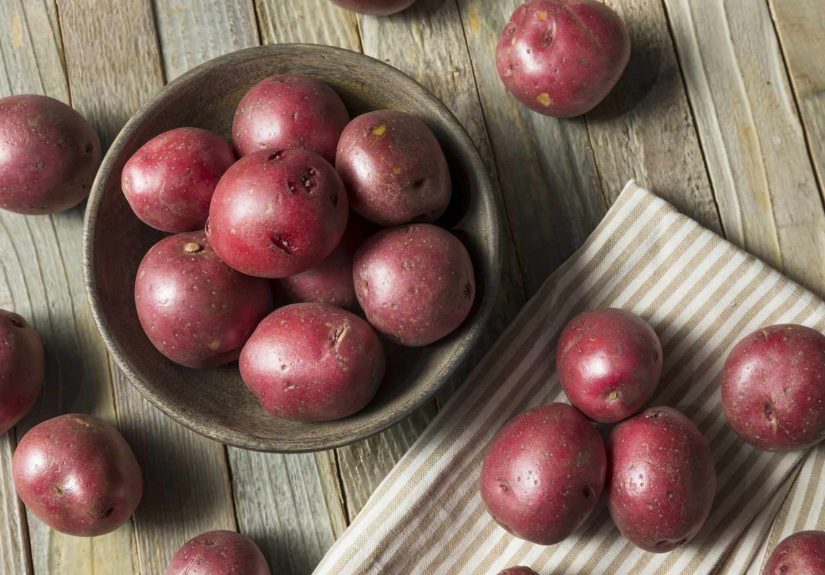
| Red / Fingerling (waxy) | Firm; stays intact | Often lower GI than Russet in common charts | Boiled, roasted whole, sheet-pan meals, potato salad |
| Yukon Gold | Creamy; medium moisture | Moderate; depends heavily on prep | Roasted chunks, smashed potatoes (light oil), soups |
| Russet / Idaho (starchy) | Fluffy; breaks down easily | Often higher GI, especially baked/mashed and eaten hot | Baked (skin-on), stuffed with protein + veggies; avoid deep frying often |
Notice the theme? If you care about steadier blood sugar, waxier potatoes like reds and fingerlings can be easier wins than
super-starchy Russets. And if you want the antioxidant upgrade, purple is your MVP.
Why purple potatoes win: the anthocyanin advantage
Purple potatoes get their color from anthocyaninsa group of polyphenols also found in blueberries,
blackberries, and purple cabbage. These compounds are studied for antioxidant and anti-inflammatory activity, and in human
studies of purple potatoes or purple-potato extracts, researchers have observed improvements in certain cardiovascular and
metabolic markers (like blood pressure or post-meal glucose/insulin responses) compared with non-pigmented potatoes in some
settings.
But keep your expectations realistic
A purple potato won’t cancel your drive-thru fries habit like a magical purple eraser. It’s still a potato: mostly starch,
and starch becomes glucose. Purple potatoes are “healthiest” because they combine potato basics with higher polyphenol content
not because they’re a free pass to ignore portions.
Blood sugar reality check: glycemic index is not destiny
Potatoes are often labeled “high glycemic,” but the glycemic response changes based on:
variety, cooking method, temperature (hot vs cooled), and what’s on the plate with it.
This is why two people can eat “the same potato” and get totally different resultsand why the internet can’t stop arguing about it.
1) Waxy vs. starchy: pick potatoes that hold their shape
Waxy potatoes (like red and fingerling) tend to produce a lower glycemic response than very starchy potatoes (like Russet),
especially when boiled or roasted and served with a balanced meal. If you’re building “healthiest potato” habits, waxy types are
great for everyday use, and purple potatoes often cook similarly.
2) Cook, cool, and (optionally) reheat: resistant starch is the cheat code
Here’s the fun science: when you cook potatoes and then cool them, some of the starch changes structure into
resistant starch. Resistant starch behaves more like fiberyour body digests less of it in the small intestine,
and it gets fermented in the colon, which may support gut health.
The practical effect: cooled potatoes (like potato salad) can have a lower glycemic impact than the same potatoes eaten hot.
Reheating may reduce some resistant starch versus eating them cold, but many sources note you still keep at least part of the benefit.
If you want potatoes with fewer blood-sugar fireworks, “cook today, eat tomorrow” is your new motto.
3) Pairing matters: don’t eat a naked potato
A plain potato isn’t “bad,” but it can digest quickly. Pair potatoes with:
protein (chicken, eggs, tofu, Greek yogurt), healthy fats (olive oil, avocado, nuts),
and fiber (greens, beans, broccoli). This combo slows digestion, improves fullness, and turns your potato into
a balanced meal instead of a starch solo.
The healthiest ways to cook potatoes (any color)
If potatoes had a dating profile, “deep-fried” would be the toxic ex they keep going back to. Let’s choose better partners.
Best methods for nutrition + blood sugar control
- Boiling or steaming (then cool for resistant starch)
- Roasting with a measured amount of olive oil and plenty of seasoning (garlic, paprika, rosemary, pepper)
- Air frying (crispy with less oil than deep frying)
- Microwaving (fast, surprisingly nutrient-friendly, great for weeknights)
Methods to limit (not ban): deep frying and heavy toppings
Research and large observational studies consistently find that fried potato forms (especially French fries) are the problem child
higher calories, more fat, more sodium, and a stronger association with poor metabolic outcomes than boiled or baked potatoes.
You don’t need to fear potatoes; you just don’t want fries to be your personality.
What does a “healthy potato plate” look like?
Here are realistic, tasty examples that keep the potato while upgrading the overall meal:
-
Chilled purple potato salad: cubed purple potatoes (skin-on), cooled, tossed with olive oil + vinegar, dill,
chopped celery, and a big scoop of Greek yogurt; add chickpeas or grilled chicken. - Sheet-pan dinner: purple or red potatoes + salmon + Brussels sprouts; season everything and roast.
-
Stuffed baked potato (smarter version): baked potato topped with black beans, salsa, sautéed peppers,
and a sprinkle of cheese; finish with plain yogurt instead of a butter snowdrift. - Breakfast hash: leftover cooled potatoes sautéed lightly with onions, spinach, and eggs; add hot sauce and call it therapy.
- Soup upgrade: use Yukon Gold or purple potatoes in a vegetable soup; keep the cream optional and add extra veggies for fiber.
Who should be cautious with “healthy” potatoes?
Potatoes can fit into most healthy eating patterns, but a few groups should be more intentional:
-
People managing diabetes or insulin resistance: focus on portion size, choose waxy or purple potatoes more often,
use the cook-cool method, and always pair with protein/fiber. -
People with kidney disease or those on potassium restrictions: potatoes are potassium-rich, so talk with a clinician
or dietitian about appropriate portions and preparation methods. - Anyone watching sodium: the potato is not saltyyour toppings are. Be mindful with cheese, bacon, and packaged seasonings.
How to shop, store, and cook purple potatoes like you mean it
Shopping tips
- Choose firm potatoes with smooth skin and no soft spots.
- Avoid green patches (that’s a “no thanks” sign from nature).
- Mix sizes so you can roast some and boil othersfuture you will be grateful.
Storage tips
- Store in a cool, dark, dry place (not next to onions if you can help it).
- Don’t refrigerate raw potatoes; cold can change their sugars and affect cooking results.
- Cooked potatoes belong in the fridge, especially if you want resistant starch benefits.
Bottom line: healthiest type of potato = purple, prepared smart
The healthiest type of potato is the one that gives you:
nutrients, satisfaction, and steady energywithout turning into a grease delivery system.
Purple potatoes win because they combine classic potato nutrition with extra antioxidants (anthocyanins). But you get the biggest
health “upgrade” from skin-on cooking, smart preparation (cook-cool), and balanced plates.
Keep the potato. Upgrade the method. And remember: the potato didn’t do anything to deserve being blamed for what we did to it at the county fair.
Experiences: 10 things you’ll notice when you switch to purple potatoes
You asked for “experiences,” so here are common, real-world things people tend to notice when they start buying purple potatoes and preparing them
in the healthiest ways (skin-on, roasted/boiled, and often cooked ahead for leftovers). Think of this as the “what it’s like” sectionwithout pretending
one potato will solve your entire life.
1) Your grocery cart looks like it has better vibes
Purple potatoes are a little dramaticin a good way. People often say they feel more motivated to cook when the ingredients look fun.
It’s the same reason rainbow carrots sell out: your eyes start the meal before your fork does.
2) You’ll become weirdly invested in the skin
When you stop peeling, you save timeand you’ll also notice the texture is better in many dishes. Skin-on potatoes hold up in salads,
roast more nicely, and feel more “complete” (plus they bring extra fiber compared with peeled).
3) Leftovers stop feeling like a sad compromise
Once you learn the cook-cool trick, you start planning potatoes like meal prep: boil or roast a batch, chill it, and use it for two or three meals.
People commonly report they feel steadier energy with leftover potatoes in a balanced meal (especially compared with eating a big hot pile of mashed potatoes
by itself). It’s not magic; it’s smarter starch.
4) Potato salad becomes your “healthy flex” at gatherings
Show up with a purple potato salad and people will ask questions. If you add herbs, vinegar, Greek yogurt, and crunchy veggies, it tastes freshnot heavy.
This is one of the easiest ways to eat potatoes cooled (and therefore often gentler on blood sugar), without announcing you’re doing science.
5) Kids (and picky adults) may need a minute
Some people love the color instantly. Others see purple and assume “grape-flavored potato” (fair concern). The easiest entry point is wedges:
roast or air fry them until crispy, then serve with a familiar dip like a yogurt ranch. Once people taste “normal potato,” the color becomes a fun bonus.
6) You’ll start paying attention to what the potato is replacing
A lot of folks notice that potatoes can replace more processed sides. Swapping chips or sugary snack foods for a portion of potatoes with protein and vegetables
is often more filling. People frequently say they snack less when the main meal is satisfying and balancedbecause your body doesn’t feel like it’s missing something.
7) You’ll discover that “healthy” still needs seasoning
The healthiest potato is not the saddest potato. Once you learn to use garlic, smoked paprika, cumin, black pepper, rosemary, lemon, or vinegar,
you stop relying on heavy butter-and-salt as the only flavor option. Many home cooks report their “healthy potato” era began when they stopped treating
seasoning like an optional subscription.
8) Portions feel easier when the plate is built right
People often struggle with portion control when the meal is mostly starch. When they build a plate with vegetables and protein first, the potato naturally
becomes “a satisfying part of the meal” instead of “the whole meal.” The experience shifts from restriction to structure, which is far more sustainable.
9) You’ll notice how toppings change everything
Many people say the biggest “aha” moment wasn’t switching varietiesit was swapping toppings. Try:
salsa + beans, yogurt + herbs, olive oil + vinegar, or a small amount of cheese with lots of vegetables.
This is where potatoes quietly become a legitimate health food again.
10) You’ll keep buying them because they feel like a win
The most common experience of all: purple potatoes feel like an upgrade without feeling like a sacrifice. They’re still comforting, still versatile,
still affordable compared to many “superfoods,” and they play well with healthy patternsespecially when you cook them smart and keep the plate balanced.
That’s the sweet spot: food that supports your goals and still tastes like you’re living your life.







 Close
Close