
Table of Contents >> Show >> Hide
- Why Family History Belongs at the Holiday Table
- Start With Stories, Not a Lecture
- Make the Family Interview Feel Natural
- Use Photos, Recipes, and Heirlooms as Story Starters
- Preserve the Details Before They Disappear
- Do Not Skip Family Health History
- Invite Everyone Into the Story
- Create a Holiday Family History Tradition
- Turn Stories Into Something People Will Actually Keep
- Experience: What Passing Family History Looks Like in Real Life
- Conclusion: Pass More Than Presents This Year
The holidays are famous for certain reliable traditions: someone burns the rolls, someone asks why the Wi-Fi is slow, and someone insists the “right” cranberry sauce makes a perfect cylinder. But tucked between the casseroles, gift wrap, travel delays, and suspiciously competitive board games is something far more valuable than another scented candle: family history.
This holiday season, pass the family history the way you pass the mashed potatoeswarmly, generously, and with room for seconds. Family stories, old photographs, recipes, heirlooms, and memories are not just sentimental extras. They are the connective tissue between generations. They help children understand where they come from, give older relatives a meaningful way to share their lives, and turn ordinary gatherings into living archives.
The good news? You do not need a history degree, a professional recording studio, or a mysterious attic full of leather-bound journals. You need curiosity, a little planning, a quiet corner, and the courage to ask, “What was life like when you were my age?” That one question can unlock a story better than anything streaming this month.
Why Family History Belongs at the Holiday Table
Holidays naturally bring together people who may not sit in the same room very often. Grandparents, cousins, parents, in-laws, family friends, and neighbors may gather around one table, making it the perfect moment to collect memories before they fade into the land of “I know someone told me that once.”
Family history is more than names and dates. It includes holiday traditions, immigration stories, military service, courtship tales, childhood mischief, recipes, nicknames, work experiences, family sayings, and even the story behind that one ornament nobody is allowed to throw away even though it looks like it survived a small household explosion.
Passing down family history also builds a sense of identity. Children and teens often connect more deeply with relatives when stories include detail, emotion, humor, and real-life lessons. A simple family tree may show who is related to whom, but a story explains why Great-Aunt Linda still refuses to eat peach pie or how Grandpa learned to fix anything with a butter knife and confidence.
Start With Stories, Not a Lecture
The fastest way to make family history boring is to treat it like a surprise pop quiz. Nobody wants to be cornered between dessert and dishes with, “Please state your birth date, legal name, and all known residences.” That is not family bonding; that is airport security with pumpkin pie.
Instead, begin with conversation. Ask open-ended questions that invite people to reflect. Good family history questions usually begin with “What,” “How,” or “Why.” These questions encourage stories rather than one-word answers.
Easy Questions That Open the Memory Door
Try asking:
- What was the best holiday you remember from childhood?
- How did your family celebrate when you were young?
- What food always appeared on the table?
- Who was the funniest person in the family?
- What was your first job, and what did it teach you?
- Did our family name ever change?
- What traditions do you hope we keep alive?
These questions work because they invite personality. A name and date may help your genealogy research, but a story about sneaking extra cookies from the pantry helps descendants understand the person behind the record.
Make the Family Interview Feel Natural
If you want to record a family interview, ask permission first. This is important for respect, trust, and basic human decency. Also, nobody wants to discover later that their dramatic retelling of the 1978 potato salad incident has been archived without warning.
Choose a quiet place where the conversation can flow. A living room corner, porch, or kitchen table after the main meal can work well. Turn off the television, move away from clattering dishes, and try not to interview someone next to a blender unless your future descendants enjoy audio that sounds like a lawn mower eating a dictionary.
Start the recording with simple details: who is speaking, who is asking questions, where you are, and the date. Then let the conversation breathe. Silence is not a disaster. Sometimes people need a moment to reach back into memory. Do not rush to fill every pause. The best stories often arrive right after a quiet moment.
Use Photos, Recipes, and Heirlooms as Story Starters
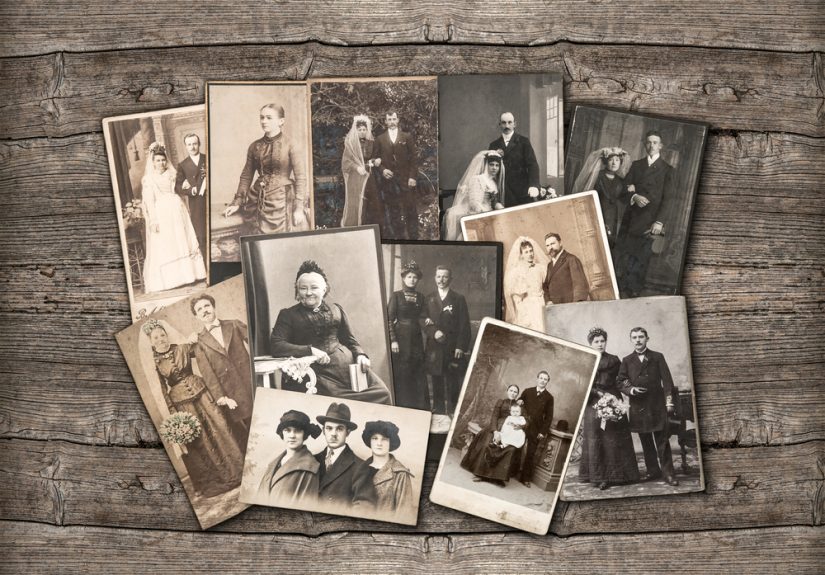
Family objects are memory magnets. A photograph can reveal a forgotten vacation. A recipe card can bring back a grandmother’s handwriting, a holiday kitchen, or the great debate over whether “a pinch” means a tiny amount or “whatever your ancestors whisper into your hand.”
Ask relatives to bring one item to the holiday gathering: a photo, a letter, a recipe, a medal, a tool, a quilt, a church program, a school certificate, or even a souvenir from a long-ago trip. Then invite them to tell the story behind it.
Questions to Ask About Family Objects
- Who owned this?
- How did it come into the family?
- Why was it saved?
- What memories are connected to it?
- Who should know this story next?
These small objects can become bridges between generations. A child may not care much about “family archives” as a concept, but they may care deeply when they learn that the old rolling pin made every holiday pie for 60 years.
Preserve the Details Before They Disappear
Family history has a funny way of vanishing in plain sight. Everyone assumes someone else knows the name of the person in the photograph. Everyone assumes the recipe is written down. Everyone assumes the story will be told again next year. Then one day, the photograph is still there, but the names are gone.
Prevent that by labeling and organizing what you collect. Write names, dates, places, and relationships. If you scan old photos, save the files with useful names instead of “IMG_4729_final_FINAL_reallyfinal.jpg.” A good file name might include the family surname, the person’s name, the approximate year, and the event.
Keep original photographs and papers in safe conditions. Cool, dry storage is better than hot attics, damp basements, or garages where old photos go to meet humidity and regret. Handle fragile photos gently, avoid touching the image surface, and keep food and drinks away from family documents. Coffee is wonderful; coffee on a 1920 wedding photo is a tragedy with caffeine.
Do Not Skip Family Health History
Passing family history is not only about charming stories and holiday recipes. It can also include practical health information. Holiday gatherings can be a thoughtful time to ask relatives about family medical history, especially when the conversation is handled respectfully and privately.
Useful details may include conditions that run in the family, the age when relatives were diagnosed, causes of death, and patterns involving heart disease, cancer, diabetes, or other major illnesses. This information can help families have better conversations with health care providers. Keep the tone gentle. Nobody wants the dessert table to become a surprise medical conference, but a private conversation after dinner can be a gift to future generations.
Invite Everyone Into the Story
Family history should not belong only to the oldest person in the room or the cousin who owns three genealogy subscriptions and speaks fluent census record. Everyone has a piece of the puzzle.
Ask children what traditions they notice. Ask teens to record audio or video. Ask adults to write down favorite recipes. Ask older relatives to identify people in photographs. Ask new family membersspouses, partners, close friends, blended-family relativeswhat traditions they brought with them. Family history is not frozen in the past. It grows every year.
This is especially important for families with complicated histories. Not every story is simple, cheerful, or neatly wrapped in ribbon. Some families carry migration, loss, conflict, adoption, separation, hardship, or silence. Passing family history does not mean forcing painful stories into the spotlight. It means making room for truth, dignity, and choice. Let people share what they are ready to share.
Create a Holiday Family History Tradition
The best traditions are repeatable. They do not need to be fancy. In fact, if your family tradition requires a spreadsheet, a rented venue, and matching outfits, it may be a corporate retreat wearing a Santa hat.
Try one of these simple ideas:
- The one-story toast: Before dessert, invite one person to share a short family memory.
- The recipe card project: Ask each household to bring one family recipe and the story behind it.
- The photo-labeling hour: Set out old photos and sticky notes so relatives can identify people and places.
- The youngest-and-oldest interview: Let the youngest storyteller ask the oldest relative three questions.
- The holiday memory jar: Everyone writes one memory on paper, then reads them aloud.
- The family map: Mark where relatives were born, lived, worked, or traveled.
Keep it light. The goal is not perfection. The goal is connection. If someone forgets a date, write “about 1955” and move on. If two relatives disagree, record both versions. Family history often arrives with multiple witnesses and at least one person saying, “That is not how it happened.” Congratulationsyou have discovered oral tradition.
Turn Stories Into Something People Will Actually Keep
After the holidays, do something with what you collected. A recording hidden on one phone is better than nothing, but it is not a family archive yet. Save copies in more than one place. Share them with relatives. Consider creating a small digital folder, printed booklet, private family website, scrapbook, or video montage.
You can also make a simple “family history starter pack” that includes:
- A family tree with known names and dates
- Three recorded interviews
- Ten labeled photographs
- Five family recipes
- A list of family places
- A short timeline of major family events
- A note explaining who collected the information and when
This kind of project does not need to be perfect to be precious. Future relatives will not complain that your formatting was inconsistent. They will be grateful someone cared enough to save the stories.
Experience: What Passing Family History Looks Like in Real Life
One of the most meaningful holiday experiences is watching a normal family conversation become a discovery session without anyone announcing, “We are now doing genealogy.” It can happen while someone is slicing pie, washing dishes, or looking for the missing serving spoon that somehow enters witness protection every December.
Imagine a family gathered after dinner. The younger kids are building a suspiciously unstable tower out of gift boxes. The adults are settling into that post-meal stage where everyone claims they are too full for dessert but keeps “evening out” the edge of the pie. Someone brings out an old photo album, and suddenly the room changes.
At first, people laugh at the clothes. The glasses are enormous. The hairstyles have structural ambition. Then someone points at a black-and-white photo and says, “That was your great-grandfather’s first car.” A teenager looks up from their phone. “He had a car?” And now the story begins.
The car was bought used. It broke down constantly. It carried relatives to a wedding, a hospital, a first job, and one disastrous camping trip involving rain, raccoons, and a tent that apparently had the waterproofing power of a paper towel. The story is funny, but it also reveals something deeper: resourcefulness, family closeness, the price of things, the roads people traveled, and how one object became part of a family’s identity.
In another corner, someone asks about a handwritten recipe card. The recipe is for stuffing, but the real story is about the woman who wrote it. She never measured spices. She cooked by smell, memory, and a level of confidence modern measuring cups can only dream about. A younger relative asks why the recipe includes oysters. Someone explains that the family once lived near the coast, where oysters were common and affordable. Suddenly, a side dish becomes geography, economics, migration, and tasteall baked at 350 degrees.
These moments matter because family history becomes memorable when it is attached to sensory details. The smell of cinnamon, the sound of a certain holiday song, the weight of an old quilt, the scratchy handwriting on a cardthese details help people feel the past instead of merely learning about it.
A good holiday family history experience also gives everyone a role. One person records audio. Another scans photos. Someone else writes names on the back of copies. A younger cousin asks questions because children are naturally excellent interviewers; they have not yet learned to pretend they already know everything. Their questions can be wonderfully direct: “Were you alive when there were dinosaurs?” Not historically ideal, perhaps, but emotionally effective.
The experience becomes even richer when families include stories that are not polished. Not every ancestor was a legend. Some were stubborn, funny, unlucky, brave, ordinary, complicated, or all of the above before breakfast. Passing down family history should leave room for humanity. The best stories are not always the ones that make the family look perfect. They are the ones that make the family feel real.
By the end of the gathering, you may have a few recordings, several labeled photos, a recipe with actual measurements, and a better understanding of why your family celebrates the way it does. More importantly, relatives leave feeling heard. Younger generations leave with stories they can retell. Older generations leave knowing their memories still matter. That is a holiday gift with no batteries required and no return receipt needed.
Conclusion: Pass More Than Presents This Year
This holiday season, pass the family history. Pass the stories behind the recipes, the names behind the photographs, the memories behind the ornaments, and the lessons behind the laughter. Ask better questions. Record voices. Label pictures. Save recipes. Invite children and teens into the conversation. Make room for both joy and complexity.
Family history does not have to be grand to be meaningful. It can begin with one question, one photo, one recipe, or one memory shared after dinner. The important thing is to start. Because someday, someone will want to know not just who their relatives were, but how they lived, what they loved, what they survived, and why the holiday stuffing still tastes like home.







 Close
Close