
Table of Contents >> Show >> Hide
- Why deodorant can trigger sensitive skin (and why it’s not “all in your head”)
- Deodorant vs. antiperspirant: which one is kinder to sensitive skin?
- Derm-approved shopping checklist for sensitive pits
- How to use deodorant without irritating your skin (the “application matters” section)
- These dermatologist-recommended deodorants tend to be gentle for sensitive skin
- 1) Vanicream Antiperspirant/Deodorant (Sensitive Skin)
- 2) Almay Sensitive Skin Antiperspirant & Deodorant (Fragrance-Free)
- 3) Clinique Antiperspirant Deodorant Roll-On (Fragrance-Free)
- 4) Dove 0% Aluminum Deodorant (Sensitive)
- 5) Dove Clinical Protection Antiperspirant
- 6) Secret Clinical Strength (Soft Solid / Free & Sensitive options)
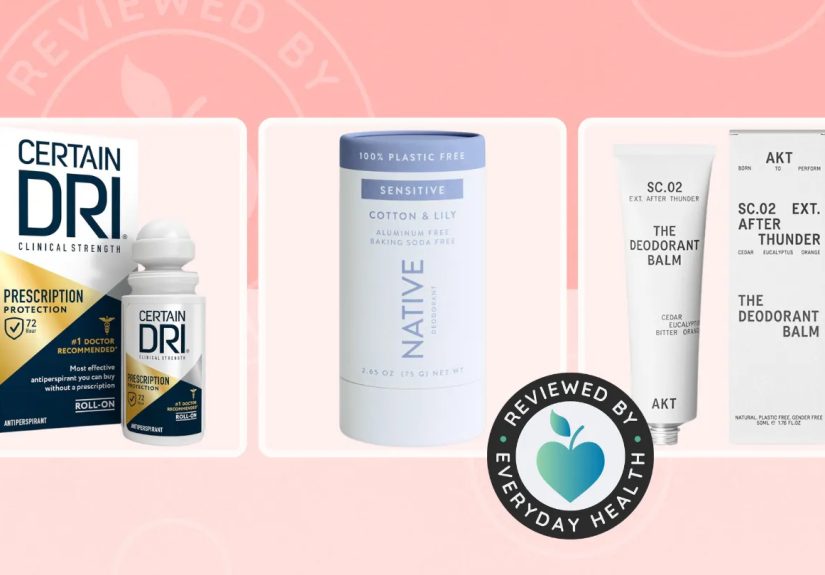
- 7) Certain Dri (Prescription Strength OTC options)
- 8) Carpe Underarm Antiperspirant (Fragrance-Free option if needed)
- 9) DERMAdoctor Total Nonscents Ultra Gentle Antiperspirant
- 10) Native Sensitive (Baking-Soda-Free line)
- 11) Schmidt’s Sensitive Skin Formula (Baking-Soda-Free)
- 12) Kopari Aluminum-Free Coconut Deodorant
- Quick troubleshooting: match the product to your sensitivity “type”
- Real-Life Experiences: What Sensitive Underarms Teach You
- Conclusion
If your underarms have ever reacted to a new deodorant like they just read the ingredient list and took it personallywelcome.
Sensitive armpits are a real thing. The skin is thin, warm, often freshly shaved, and regularly exposed to friction (hello, tight tees),
so it doesn’t take much for redness, stinging, bumps, or a full-on “why do I itch in meetings?” situation to start.
The good news: you don’t have to choose between smelling fresh and keeping your underarm skin calm.
Dermatologists typically point people with sensitive skin toward simpler formulas, fewer common allergens, and smarter application habits.
This guide breaks down what “gentle” actually means, what to avoid, and which deodorants and antiperspirants tend to work well for reactive underarms.
Why deodorant can trigger sensitive skin (and why it’s not “all in your head”)
Underarm irritation usually falls into two buckets: irritant contact dermatitis (your skin is overwhelmed)
or allergic contact dermatitis (your immune system decides an ingredient is the villain of the week).
Deodorants and antiperspirants are common culprits because they can contain multiple potential irritants or allergensoften in one swipe.
Common troublemakers for sensitive underarms
- Fragrance (including “natural fragrance” and essential oil blends): a frequent trigger for allergy and irritation.
- Propylene glycol (PG): can be a problem for some people, especially those prone to rashes.
- Essential oils and botanical additives: “plant-based” doesn’t always mean “gentle.”
- Baking soda (sodium bicarbonate): it’s alkaline and can disrupt skin’s natural pH, leading to burning or rash in some users.
- Lanolin, vitamin E, and certain preservatives: can be sensitizers for a subset of people.
Add shaving (tiny micro-cuts), sweating (salt + moisture), and friction (fabric rub), and you have a perfect storm for sting.
If your underarms are sensitive, your best strategy is usually: fewer ingredients, fewer fragrances, and fewer “surprises.”
Deodorant vs. antiperspirant: which one is kinder to sensitive skin?
They’re not the same product wearing different outfits.
Deodorants primarily target odor (by reducing odor-causing bacteria or neutralizing smell).
Antiperspirants reduce sweat using aluminum-based active ingredients that temporarily plug sweat ducts.
So… should you avoid aluminum if you have sensitive skin?
Not automatically. Some people find certain aluminum salts irritating, while others tolerate them perfectlyespecially in formulas made for sensitive skin.
If your main issue is wetness, an antiperspirant may actually reduce irritation by cutting down on sweat and friction.
If your main issue is stinging or rash, an aluminum-free deodorant might be more comfortableprovided it’s also baking-soda-free and low-fragrance.
One more thing that comes up a lot: safety fears about aluminum and breast cancer.
Major cancer organizations and medical reviews have not found scientific evidence linking antiperspirant/deodorant use to breast cancer.
If you prefer to avoid aluminum anyway, that’s a personal choicebut you don’t have to do it out of panic.
Derm-approved shopping checklist for sensitive pits
If you remember nothing else, remember this: sensitive underarms usually like products that behave more like a calm roommate than a chaotic DJ.
Look for these traits on the label (and in your ingredient list).
Green flags
- Fragrance-free (or truly unscented) for the lowest allergy risk.
- Baking-soda-free if you’ve ever felt burning, itching, or developed a rash with “natural” deodorants.
- Short ingredient list or “free-from” formulas (no dyes, masking fragrance, lanolin, etc.).
- Skin conditioners like glycerin, dimethicone, or moisturizing agents that reduce friction.
- Gentle odor fighters such as magnesium hydroxide or zinc ricinoleate (often found in sensitive-skin natural deodorants).
Yellow flags (not always bad, but read carefully)
- Essential oils: even soothing-sounding ones can irritate some sensitive skin types.
- Acids (AHAs): can help with odor by shifting pH, but may sting if your skin barrier is already irritated or you apply after shaving.
- Clinical-strength actives: great for sweating, but may require a slower “ramp up” to avoid dryness or irritation.
How to use deodorant without irritating your skin (the “application matters” section)
Even the gentlest deodorant can cause problems if it’s applied at the wrong timeor on angry skin that needs a break.
These steps are simple, but they make a big difference.
1) Don’t apply on broken or freshly shaved skin
If you shave in the morning and swipe on deodorant right after, you’re basically sending the product through an express lane to Irritation City.
Give your skin time to recover. If you’re prone to reactions, wait at least until the skin feels calm (and consider shaving at night).
2) Apply to clean, completely dry skin
Damp underarms dilute product and can increase rubbing. Pat drydon’t aggressively scruband apply a thin layer.
More product usually doesn’t equal more protection; it often equals more residue and more irritation.
3) For antiperspirants, nighttime can be your secret weapon
Many sweat specialists recommend applying stronger antiperspirants before bed, when sweating is naturally lower.
That gives the active ingredient time to work with less “sweat interference.”
4) If you develop a rash, stop and reset
If you get persistent itching, redness, scaling, or bumps: stop the product, cleanse gently, and give the area time.
If the rash keeps coming back, talk with a clinicianpatch testing can identify what ingredient is triggering you.
These dermatologist-recommended deodorants tend to be gentle for sensitive skin
Below are deodorants and antiperspirants that are frequently highlighted in dermatologist-informed roundups and sensitive-skin discussions,
or that are formulated specifically to reduce common triggers (like fragrance, dyes, or baking soda).
Everyone’s skin is differentso treat this as a smart starting shortlist, not a magical one-size-fits-all wand.
1) Vanicream Antiperspirant/Deodorant (Sensitive Skin)
Vanicream is practically the “plain oatmeal” of sensitive skin carein the best way.
Their antiperspirant/deodorant is designed to avoid common irritants (think: no fragrance, dyes, lanolin, parabens).
It’s a strong option if you want sweat control without the usual ingredient drama.
- Best for: very reactive skin, eczema-prone underarms, “everything makes me itch” shoppers
- What to know: antiperspirant actives can still bother some peoplestart with once daily and reassess
2) Almay Sensitive Skin Antiperspirant & Deodorant (Fragrance-Free)
A budget-friendly pick that’s often praised for being straightforward and fragrance-free.
It’s especially appealing if fragrance is your main trigger and you still want antiperspirant-level sweat protection.
- Best for: fragrance-sensitive users who still want sweat reduction
- What to know: gel textures may need extra dry time before dressing
3) Clinique Antiperspirant Deodorant Roll-On (Fragrance-Free)
Clinique’s roll-on is a long-time favorite for people who want a fragrance-free, minimalist vibe in a neat little bottle.
Roll-ons can feel gentler for some because they apply a thin, even layerless drag, less residue, less “why is my shirt sticky?”
- Best for: fragrance-free purists; people who dislike chalky sticks
- What to know: let it dry fully to avoid transfer onto clothing
4) Dove 0% Aluminum Deodorant (Sensitive)
If you want aluminum-free odor protection and a softer, moisturizing feel, Dove’s sensitive-focused 0% aluminum option is popular.
Many versions are formulated to be gentler (often alcohol-free and baking-soda-free), which matters if “natural deodorant” has burned you before.
- Best for: sensitive skin that dislikes strong actives; post-shave comfort seekers
- What to know: because it’s not an antiperspirant, you may still sweat and might reapply on hot days
5) Dove Clinical Protection Antiperspirant
“Clinical protection” doesn’t have to mean “clinical irritation.”
This is a go-to for heavier sweaters who still want a cushier formula than ultra-strong options.
If sweat is causing friction and discomfort, reducing moisture can sometimes improve overall underarm comfort.
- Best for: heavy sweating; people who feel dampness makes irritation worse
- What to know: start slow if you’re sensitiveevery other day first, then build
6) Secret Clinical Strength (Soft Solid / Free & Sensitive options)
Secret’s clinical-strength line is widely used for sweat control, and certain versions are designed to be gentler (including unscented options).
If you’ve tried standard antiperspirants and still sweat through meetings, this is the “strong friend” to considerjust introduce it carefully.
- Best for: high-sweat situations; stress sweating; warm climates
- What to know: apply to dry skin; consider nighttime use for best tolerance
7) Certain Dri (Prescription Strength OTC options)
Certain Dri is often used by people with excessive sweating because it’s effective and accessible.
But stronger actives can be more irritatingso it’s best treated like a powerful skincare active:
patch test, start slowly, and don’t apply right after shaving.
- Best for: heavy sweating; people who want an OTC “step up” option
- What to know: irritation usually means you need less frequency, not more determination
8) Carpe Underarm Antiperspirant (Fragrance-Free option if needed)
Carpe is often discussed in sweat-focused recommendations.
Some people like that it pairs sweat-blocking actives with conditioning ingredients to reduce dryness and friction.
If you’re sensitive, choosing the least-fragranced version is typically the safest play.
- Best for: sweat control with a more “skincare-y” feel
- What to know: scent additives can be the deal-breakerpick unscented when possible
9) DERMAdoctor Total Nonscents Ultra Gentle Antiperspirant
When you want antiperspirant performance but your skin wants a quiet ingredient list, this one is frequently mentioned as a sensitive-skin pick.
It’s positioned as a gentler option for people who still need serious sweat reduction.
- Best for: sensitive skin + sweating; “fragrance-free or I riot” shoppers
- What to know: as with any antiperspirant, introduce slowly if you’re prone to irritation
10) Native Sensitive (Baking-Soda-Free line)
Native’s Sensitive line is designed for people who react to typical “natural deodorant” ingredientsespecially baking soda.
If you prefer aluminum-free deodorant but want to avoid the common burning/itching problem, this is a smart place to start.
- Best for: baking-soda sensitivity; aluminum-free shoppers who still want strong odor control
- What to know: even “sensitive” deodorants can include botanicalspatch test if you’re allergy-prone
11) Schmidt’s Sensitive Skin Formula (Baking-Soda-Free)
Schmidt’s is known for natural deodorants, and their sensitive-skin versions are geared toward people who can’t tolerate baking soda.
Many still use essential oils for scent, so if fragrance is your main trigger, pick the mildest option or go fragrance-free when available.
- Best for: baking-soda sensitivity; natural deodorant fans who want a gentler formula
- What to know: essential oils can still irritate some usersyour skin makes the final call
12) Kopari Aluminum-Free Coconut Deodorant
Kopari is popular among aluminum-free users and is marketed as baking-soda-free.
It leans on oils and odor-neutralizing strategies rather than sweat-blocking actives.
For sensitive skin, it can work wellunless you’re sensitive to fragrances or botanical extracts.
- Best for: aluminum-free routines; people who want a smoother, more emollient feel
- What to know: botanical ingredients can still trigger allergy in some individuals
Quick troubleshooting: match the product to your sensitivity “type”
If you get stinging right after application…
- Switch to fragrance-free and baking-soda-free.
- Avoid applying right after shaving.
- Try a roll-on or gel with a thinner layer to reduce rubbing.
If you get bumps or a persistent rash…
- Stop the product and give your skin time to calm.
- Consider that fragrance and propylene glycol can be triggers.
- If it recurs, ask about patch testing to identify the ingredient that’s setting you off.
If you sweat a lot and deodorant alone isn’t enough…
- Try a sensitive-skin antiperspirant (Vanicream, Almay, Clinique, Dermadoctor).
- Apply at night on dry skin for better results and potentially less irritation.
- Start slowly (every other night) and increase as tolerated.
Real-Life Experiences: What Sensitive Underarms Teach You
People with sensitive underarms often describe a very specific kind of frustration: you’re not trying to be high-maintenanceyou’re trying to be
“not itchy.” And yet, shopping for deodorant can feel like speed dating with your skin barrier. One stick smells amazing, but by lunchtime your armpits
feel like they’re auditioning for a fire-breathing role. Another is gentle, but gives you that anxious “am I the smell?” moment during a warm commute.
Over time, many people end up learning the same underarm life lessons the hard way.
First: timing is everything. A lot of irritation stories start with a rushed morning shave and an immediate swipe of a strong product.
Even if the formula is “for sensitive skin,” freshly shaved underarms can act like a sponge for sting. Many people find that simply separating shaving
and deodorant applicationshaving at night, deodorant in the morning, or vice versacuts irritation dramatically. It’s not glamorous, but neither is
explaining to your friends why you’re “taking a break” from sleeves.
Second: natural doesn’t always mean gentle. Plenty of people switch to natural deodorant hoping it will be kinder, only to discover
that baking soda can be the main character in their rash story. The experience is often the same: it works beautifully for a week, then the underarms
get red, bumpy, or painfully itchyespecially after workouts or on humid days. That’s why baking-soda-free options (like many “sensitive” natural lines)
can feel like finding the quiet corner of a crowded room: you still get odor control, but without your skin yelling at you.
Third: your underarms may prefer “boring”. Many people with reactive skin end up falling in love with products that are not exciting,
not perfumey, and not trendy on social media. They’re drawn to short ingredient lists, fragrance-free labels, and brands known for sensitive skin.
The funny part is that once irritation is gone, people often realize they never needed a deodorant that smelled like a tropical vacation plus a dessert bar.
They needed one that let their skin act like skin.
Fourth: the best deodorant is the one you can use consistently. Some users discover they can tolerate an antiperspirant just fineespecially
if they apply it at night and don’t overdo the amount. Others learn that they’re happiest with aluminum-free deodorant, but they’ll reapply after a workout
or keep wipes in a gym bag. The “right” choice isn’t a moral victory. It’s the product that keeps you comfortable and confident without turning your underarms
into a complaint department.
Finally: your skin gives feedbacklisten. If you’re constantly switching products, your underarms never get a chance to settle. Many people
find it helpful to introduce one new product at a time, use it consistently for a couple of weeks, and pay attention to patterns: does irritation happen after
shaving, during stress sweating, or only with scented formulas? That little bit of detective work can save you money, time, and the emotional rollercoaster of
wondering why your “gentle” deodorant suddenly betrayed you on a Tuesday.
Conclusion
Sensitive underarms don’t need “stronger willpower.” They need smarter ingredients and kinder routines.
If you’re prone to irritation, prioritize fragrance-free or low-fragrance formulas, avoid baking soda if it’s ever caused burning, and apply on clean, dry skin
not immediately after shaving. Whether you choose an aluminum-free deodorant for comfort or a sensitive-skin antiperspirant for sweat control,
the best option is the one that keeps both your skin and your confidence calm.







 Close
Close