
Table of Contents >> Show >> Hide
- Why a “Normal” Photo Can Become Terrifying Overnight
- The Ethics Behind “Horror Backstory” Images
- The 50 Images That Look Normal Until You Learn What’s Behind Them
- How to Read These Images Without Letting Them Eat Your Brain
- of “Experience” You’ll Recognize If You’ve Ever Clicked the Caption
- Conclusion: The Photo Didn’t ChangeThe Story Did
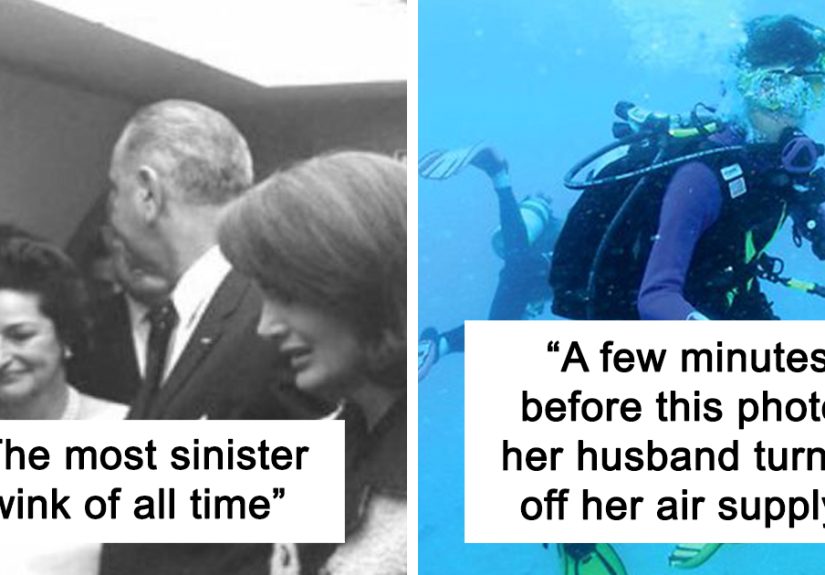
You know that feeling when you’re scrolling through photos and everything looks totally ordinaryuntil a caption hits you like a trapdoor?
A smiling group shot. A sunny street. A cute family dinner. Then you learn what happened before or after that shutter click, and suddenly the
“normal” picture feels… haunted.
That whiplash is the whole point. The image doesn’t changeyou do. Your brain bolts a new story onto the same pixels, and now the photo
carries weight it didn’t seem to have five seconds ago. This is why “images with dark backstories” go viral: they mash together everyday comfort
and sudden dread, like finding a spider in a clean laundry basket. (It was your laundry basket. The spider has rights.)
Why a “Normal” Photo Can Become Terrifying Overnight
1) Context is a special effect your brain makes in real time
Human perception is not a camera. We don’t passively “record” the worldwe interpret it. Change the surrounding information, and the meaning of a
stimulus can shift dramatically, even if the stimulus itself stays the same. That’s the heart of a context effect: the environment (or backstory)
reshapes what you think you’re seeing.
2) Neutral images are the easiest to “rewrite”
A photo that’s already emotional (a clear celebration, obvious danger, visible grief) doesn’t need much explanation. But a bland, everyday image is
like a blank receiptpeople can write anything on it later. Research on how we process images suggests that “neutral” pictures are especially
vulnerable to context and framing. Add a tragic detail, and the brain re-tags the whole image as significant.
3) The horror isn’t always goreit’s inevitability
The creepiest backstories often don’t rely on graphic visuals. They rely on the kind of dread you can’t scrub off with soap:
the knowledge that someone didn’t know what was coming.
A snapshot can freeze an ordinary second that sits right beside an extraordinary one.
The Ethics Behind “Horror Backstory” Images
Before we jump into the list, one important reality check: when an image is tied to real harm, it’s not just entertainment.
Journalistic ethics in the U.S. repeatedly come back to the idea of minimizing harmespecially when images involve victims, families,
or traumatic events. That doesn’t mean we can’t discuss difficult contexts. It means we should do it without turning real people into props.
- Don’t sensationalize. If the “shock” is the only value, it’s probably not worth sharing.
- Protect dignity. People in tragedy are not characters in a twist ending.
- Be careful with reposting. Viral captions can be wrong, exaggerated, or stripped of crucial context.
- Know when to stop scrolling. Your nervous system is not a trash can for the entire internet.
The 50 Images That Look Normal Until You Learn What’s Behind Them
Below are 50 “types” of images that commonly feel ordinary at first glanceuntil context reframes them.
They’re written to be specific and vivid without leaning on graphic detail. If you’ve seen list posts like this before, you’ll recognize the patterns:
everyday life, followed by a gut-punch caption.
- A smiling family photo in a driveway later you learn it was taken right before a major storm changed everything.
- A “first day at work” selfie the building looks normal, but the workplace had serious hidden safety issues.
- A beach vacation snapshot the water is calm, yet the day ended with an unexpected emergency.
- A crowded concert photo fun in the moment, unsettling when you realize how quickly large crowds can turn dangerous.
- A casual photo on a hiking trail the scenery is gorgeous, but nature can shift from postcard to peril in minutes.
- A group photo on a bridge or overlook later you learn the structure had a history of structural concerns.
- A child holding a balloon at a fair the innocence stings when you discover a tragic event later connected to that day.
- A cute pet picture in a backyard the “harmless” yard hides something toxic or unsafe you wouldn’t notice in a photo.
- A snapshot at an amusement park the ride looks fine, but the backstory involves an accident or a major safety overhaul.
- A school hallway photo ordinary architecture becomes eerie when tied to a later lockdown, evacuation, or crisis.
- A tourist photo in front of a historic building later you learn the site’s history includes tragedy most visitors never hear.
- A wedding dance floor photo joyful, until you realize someone important wouldn’t be there much longer.
- A sports team celebration shot the “best day ever” becomes bittersweet after an unexpected loss later in the season.
- A road trip photo at a gas station it looks like a pit stop, but it’s the last normal moment before trouble.
- A photo of a parked car on a quiet street the street feels calm, yet the context turns it into a landmark of an event.
- A casual “just moved in” living room photo normal home vibes, until you learn about past hazards or hidden damage.
- A selfie with a “nice stranger” harmless framing, but the story reveals why boundaries and caution matter.
- A picture of a calm sky later you learn it’s the eerie calm before extreme weather arrives.
- A photo of a crowded subway platform looks like routine commuting, but the story behind it is anything but routine.
- A simple photo of a locked door once you know what that door kept in (or out), it becomes a symbol.
- A smiling graduation portrait later context makes it feel like a paused moment right before adulthood got complicated.
- A photo taken from an airplane window peaceful clouds, unsettling once tied to aviation history or a near-miss story.
- A snapshot of a campsite at night cozy until you learn how quickly darkness magnifies risk in remote areas.
- A “new car” photo celebratory, until the caption reveals an unexpected recall, defect, or crash risk.
- A scenic photo of a lake beautiful surface, darker once you learn about unpredictable currents or sudden drop-offs.
- A picture of a small-town main street charming, until you learn it’s tied to a disaster, fire, or historic violence.
- A photo of a hospital waiting room mundane chairs, heavy meaning once you know what decisions happened there.
- A “date night” dinner pic cute lighting, complicated after you learn what was happening behind the smiles.
- A photo of a single shoe on a sidewalk looks like litter, until the context turns it into a clue or memorial symbol.
- A normal apartment exterior shot ordinary windows, extraordinary story when tied to a major news event.
- A snapshot of kids playing outside harmless, until you learn about environmental hazards that weren’t visible at the time.
- A “funny” picture of someone climbing for a photo comedy turns to cautionary tale once you consider real fall risks.
- A photo of a quiet forest peaceful until you learn the area’s history of wildfires or missing-person searches.
- A cheerful photo at a parade bright colors, darker feelings when you learn how quickly public gatherings can become unsafe.
- A picture of a cracked wall looks like a DIY problem, but the backstory is about structural danger.
- A photo of a “mysterious” object found outdoors curiosity becomes unease when you learn why you shouldn’t touch unknown items.
- A school yearbook photo normal portrait, haunting once tied to later headlines or community grief.
- A photo of a friend asleep on a couch harmless, until you learn about the hidden risks of substances or unsafe environments.
- A picture of a crowded pool looks like summer fun, but the story is about how fast accidents can happen around water.
- A photo of a “cute” abandoned building aesthetic decay, but the real risk is structural instability or unsafe materials.
- A selfie with an animal adorable until you learn how easily wildlife can become dangerous when stressed or approached.
- A snapshot of a tidy garage normal storage, but the hidden danger is improper chemical handling or fire risk.
- A “new tattoo” photo celebratory, until the backstory becomes about infection, unsafe equipment, or poor aftercare.
- A photo of a busy kitchen cozy cooking vibes, unsettling when tied to a fire, carbon monoxide scare, or safety lapse.
- A photo of a child near a window cute moment, darker once you know how common fall risks can be without precautions.
- A photo of a long line outside a store looks like hype, but the story becomes about crowd pressure and safety planning.
- A “pretty” bonfire picture warm glow, real-world danger if the context involves unsafe conditions or spread risk.
- A photo of a calm river crossing looks easy, but the truth is water conditions can change faster than people expect.
- A picture of a smiling babysitter ordinary at first, but the backstory is a reminder to verify trust and safety.
- A photo of a house decorated for the holidays festive, until the caption reveals what that home experienced shortly after.
How to Read These Images Without Letting Them Eat Your Brain
Use the “three checks” rule
- Check the source: Is the story coming from a credible outlet, or a screenshot of a screenshot of a screenshot?
- Check the context: What’s missingdate, location, full explanation, or confirmation?
- Check yourself: Are you learning something meaningful, or just marinating in dread?
Protect your attention like it’s your phone battery
Exposure to upsetting imagery can build stress fastespecially when it’s packaged as endless “one more slide” content. If you feel tense, nauseated,
angry, or numb, that’s your cue to pause. Take a break. Watch something gentle. Drink water. Text a friend. Your brain is allowed to have closing hours.
of “Experience” You’ll Recognize If You’ve Ever Clicked the Caption
Here’s the classic journey. It usually starts innocently: you’re bored, you open a social app, and an image pops up that looks like nothing.
Maybe it’s a smiling couple. Maybe it’s a quiet street. Maybe it’s a blurry photo that seems like it could be from any phone, any year, any place.
Your mind labels it safe and moves onuntil the caption taps you on the shoulder like, “Hey. Come back.”
Then the twist arrives. Not a movie twistworse, because it’s real. The photo stays exactly the same, but suddenly you start scanning it like a detective:
the corner of the room, the background, the expression on someone’s face. You zoom in. You reread the line. You think, “Waitthat was taken
right before…?” And now you’re stuck inside a new version of the image, one your brain assembled out of context, empathy, and alarm.
The weirdest part is how your emotions catch up in waves. First comes curiosity (because humans are basically cats with Wi-Fi).
Then comes disbelief. Then comes the heavy feelingthe realization that ordinary moments don’t announce themselves as “important” while they’re happening.
That’s what makes these photos feel like time machines. They don’t show the tragedy; they show the doorway next to it.
If you’ve ever binged a thread like this, you’ve probably felt the second-order effect too: a new suspicion toward normalcy.
Suddenly you look at your own photos differentlyyour group selfies, your dinner pics, your “random Tuesday” snapshots.
It’s not that you expect something bad to happen. It’s that you realize how little any of us can predict. That’s sobering,
but it can also sharpen gratitude. The goal isn’t paranoia. The goal is perspective: cherish the ordinary, prepare for the real world,
and treat other people’s stories with respect.
And yes, there’s a practical lesson for the internet age: captions are powerful, but they’re not always accurate. Viral posts often compress complicated
events into one dramatic sentence. If you’re going to share, slow down. Look for confirmation. Avoid turning someone else’s worst day into a
“share if you’re brave” moment. The scariest thing online isn’t the photoit’s how fast misinformation can sprint while truth is still tying its shoes.
Conclusion: The Photo Didn’t ChangeThe Story Did
“Normal-until-you-know” images stick with us because they reveal a truth we’d rather ignore: everyday life is fragile, and meaning is often assigned
after the fact. When you learn the backstory, the picture becomes a remindersometimes about safety, sometimes about empathy, sometimes about how
important it is to verify what you’re seeing before you pass it along.
So if you’re going to dive into lists like this, do it thoughtfully. Keep it human. Keep it accurate. And when the dread starts to feel sticky,
log off and go look at something that’s allowed to be normal without a plot twistlike a dog sleeping, or a tree, or a snack you don’t have to caption.





 Close
Close