
Table of Contents >> Show >> Hide
- What baby eczema is (and why moisturizer is the MVP)
- How to choose a baby eczema cream that actually helps
- The 11 best baby eczema creams (and what each is best for)
- 1) CeraVe Baby Moisturizing Cream
- 2) Vanicream Moisturizing Cream for Baby
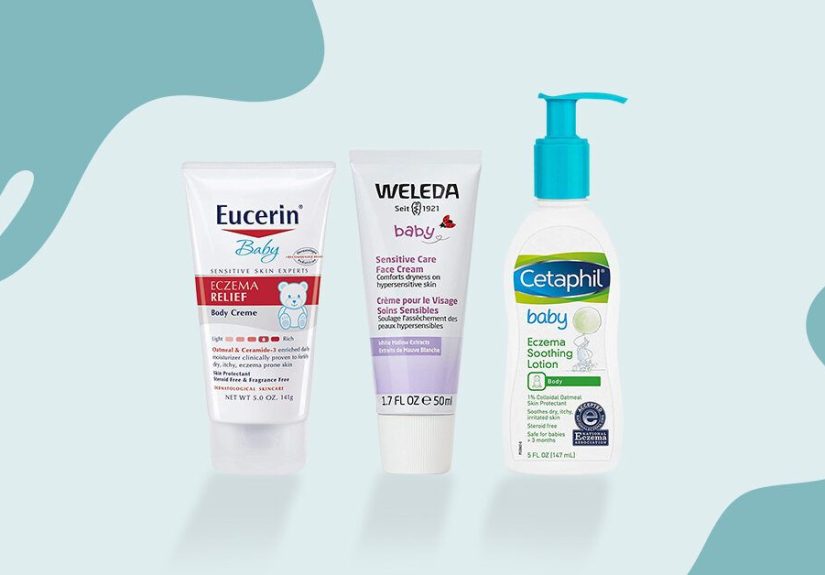
- 3) Eucerin Baby Eczema Relief Cream
- 4) Aveeno Baby Eczema Therapy Moisturizing Cream
- 5) Cetaphil Restoraderm Eczema Soothing Moisturizer
- 6) La Roche-Posay Lipikar AP+M Triple Repair Body Moisturizer
- 7) Aquaphor Baby Healing Ointment
- 8) Tubby Todd All Over Ointment (Fragrance-Free)
- 9) The Honest Company Eczema Relief Cream (Soothe)
- 10) Vanicream Moisturizing Cream (Original, for sensitive skin)
- 11) Mustela Stelatopia Emollient Cream
- How to use baby eczema creams for best results
- When it’s time to call the pediatrician
- Common caregiver experiences (about ): what people learn after the third flare
- Final takeaway
Baby eczema has a special talent: it can turn the softest, squishiest cheeks on Earth into tiny patches of dry,
cranky sandpaper overnight. If you’ve ever thought, “How can skin this cute be this mad?”welcome to the club.
The good news: most baby eczema (often called atopic dermatitis) improves a lot with a simple routine and
the right moisturizer.
This guide breaks down what matters in a baby eczema cream (ingredients, texture, and “will my baby tolerate this?” reality),
then reviews 11 excellent, widely available options that parents and pediatric dermatology guidance commonly lean on:
thick, fragrance-free, barrier-supporting moisturizersused consistently.
Quick note: This article is educational and not medical advice. If your baby is under 3 months, has severe eczema, signs of infection (oozing, honey-colored crusts, fever), or isn’t improving, call your pediatrician.
What baby eczema is (and why moisturizer is the MVP)
Baby eczema is a condition where the skin barrier is more “leaky” than usual. That means moisture escapes more easily,
irritants get in more easily, and inflammation can flare. The cornerstone of care is restoring that barrier with frequent
moisturizingespecially right after baths when skin is still damp (often called “soak and seal”). Thick creams and ointments
generally work better than watery lotions, and fragrance-free matters more than fancy packaging.
How to choose a baby eczema cream that actually helps
1) Pick the right texture: ointment vs. cream vs. lotion
- Ointments (usually petrolatum-based) are the best “sealants.” Great for very dry patches and bedtimegreasy, but effective.
- Creams are a strong everyday optionthick, less greasy than ointment, and usually easy to spread.
- Lotions are lighter and can be fine for mild dryness, but often aren’t enough for eczema flares.
2) Look for barrier helpers
- Ceramides and other “skin-identical” lipids can support the barrier.
- Colloidal oatmeal can soothe itching and irritation and is used as a skin protectant in many eczema products.
- Humectants like glycerin or hyaluronic acid help pull in hydration.
3) Avoid common irritants
For baby eczema, “fragrance-free” is the goal (not just “unscented”). Also be cautious with essential oils and heavily
botanical formulassome babies tolerate them, many don’t. If a product stings or seems to worsen redness, stop and switch.
4) Patch-test new products
When you try something new, test a small area first and watch for increased redness or irritation. If it goes well,
scale up. Consistency matters more than perfection.
The 11 best baby eczema creams (and what each is best for)
Below are 11 strong choices with different “best for” strengthsbecause baby eczema is rarely one-size-fits-all.
Think of this list as a toolbox: one everyday cream plus a heavier “sealant” for stubborn patches is a common winning combo.
1) CeraVe Baby Moisturizing Cream
Best for: daily barrier support (especially dry, eczema-prone skin that needs a dependable routine).
Why it works: This baby-specific cream is formulated with pediatric dermatologists and includes ceramides to support the
skin barrier. The texture is rich without being a full-on grease festival, making it practical for daytime use on arms,
legs, and cheeks.
Pro tip: Apply within a few minutes after bath time to lock in moisture.
2) Vanicream Moisturizing Cream for Baby
Best for: super-sensitive babies who react to “extra” ingredients.
Vanicream’s baby cream is designed for delicate skin and focuses on hydration with a minimal-irritant approach.
It’s a great option when you feel like your baby’s eczema is triggered by basically everythingincluding your optimism.
Texture notes: creamy, simple, easy to spreadexcellent for frequent reapplication.
3) Eucerin Baby Eczema Relief Cream
Best for: itchy, eczema-prone skin that benefits from soothing + barrier ingredients.
Eucerin’s baby eczema option commonly features colloidal oatmeal plus ceramide support, aiming to calm irritation and
reinforce the moisture barrier. If your baby’s flare-ups spike in winter (hello, dry indoor heat), this one often feels like
a warm blanketminus the lint.
Good to know: Many families use it as the “main cream” and add an ointment on top for the driest spots at night.
4) Aveeno Baby Eczema Therapy Moisturizing Cream
Best for: soothing itch-prone patches with an oat-based formula.
Aveeno’s eczema therapy cream is built around a triple-oat complex (including colloidal oatmeal) and is designed to provide
long-lasting moisturization. If your baby’s eczema is mild-to-moderate but constantly itchy, oat-based creams can be a helpful
part of your rotation.
Texture notes: creamy and comforting; a good everyday pick for many families.
5) Cetaphil Restoraderm Eczema Soothing Moisturizer
Best for: fragrance-free daily moisturizing that’s designed for eczema-prone skin.
This option is made to support a healthier skin barrier and is positioned as part of an eczema routine for sensitive skin.
It’s a solid “workhorse” moisturizerespecially if you want something that layers well under clothing and doesn’t feel sticky.
When it shines: daytime application when you need moisture without a slick finish.
6) La Roche-Posay Lipikar AP+M Triple Repair Body Moisturizer
Best for: very dry, eczema-prone skin that needs a richer balm-style moisturizer.
Lipikar AP+M is a thicker body balm designed for sensitive, eczema-prone skin. It’s often used by families who want a
more intensive “big moisture” layerespecially for widespread dryness on arms, legs, and trunk.
Texture notes: rich balm; excellent for colder months and bedtime routines.
7) Aquaphor Baby Healing Ointment
Best for: sealing in moisture on extra-dry patches, cheeks, and rough spots.
This is the classic “occlusive shield.” Petrolatum-based ointments help reduce moisture loss and protect irritated skin.
Aquaphor’s baby version includes moisturizing ingredients like glycerin and panthenol, and it’s a favorite for drool-prone
areas (chin, cheeks) that get angry from constant wetness.
How to use: apply a cream first, then a thin layer of ointment on top to lock it in.
8) Tubby Todd All Over Ointment (Fragrance-Free)
Best for: families who want a multipurpose ointment for rough patches and redness.
Tubby Todd’s All Over Ointment is popular as a “one jar, many uses” option. The fragrance-free version is the better choice
for eczema-prone babies, and many caregivers like using it as a targeted spot treatment over their base moisturizer.
Reality check: it won’t replace prescription care for severe eczemabut it can be a helpful support in mild-to-moderate routines.
9) The Honest Company Eczema Relief Cream (Soothe)
Best for: a gentle, eczema-focused cream that fits a fragrance-free routine.
Honest’s eczema cream is designed to provide lasting moisture for itchy, irritated, eczema-prone skin and commonly features
soothing ingredients like colloidal oatmeal. If you prefer a “clean-leaning” brand identity but still want eczema-relevant
ingredients, this one can fit nicely.
Best use: as your main cream or as a rotation product when your usual choice isn’t cutting it.
10) Vanicream Moisturizing Cream (Original, for sensitive skin)
Best for: ultra-simple, fragrance-free moisturizing for the whole family.
Not baby-specific, but often used for babies because it’s designed for sensitive skin and avoids many common irritants.
It’s especially useful if you want one product that can work for baby and everyone else in the housebecause eczema
families tend to become accidental “moisturizer collectors.”
When it’s great: frequent applications, daycare bags, grandparents’ houseanywhere you want a low-drama option.
11) Mustela Stelatopia Emollient Cream
Best for: eczema-prone skin that likes an emollient, barrier-supporting cream.
Mustela’s Stelatopia line is aimed at eczema-prone baby skin and is known for barrier-focused moisturizing. It’s a good choice
if you want a cream that feels nurturing and comfortable, particularly during flare-prone seasons.
Tip: if your baby’s skin is reactive, introduce it slowly and patch-testespecially if you’re switching from a very minimal formula.
How to use baby eczema creams for best results
Do the “soak and seal” routine
After a short lukewarm bath, gently pat skin dry (don’t scrub), then apply moisturizer while the skin is still slightly damp.
This helps trap water in the skin. For very dry patches, layer ointment over cream.
Moisturize more often than you think you need to
Many routines work best with at least twice-daily moisturizing, and more during flares (some families pair it with diaper
changes because it’s already on the schedule).
Use targeted “patch strategy” at night
A common approach: cream everywhere, then ointment only on the roughest areas at bedtime. This reduces the “greased-up baby”
effect while still giving stubborn spots the extra seal they need.
Keep triggers boring
Gentle cleanser, fragrance-free laundry detergent, soft breathable fabrics, and avoiding scratchy materials can make your
moisturizer work harder. Eczema skin loves boring routines (even if your baby does not).
When it’s time to call the pediatrician
- Cracking, oozing, or yellow/honey-colored crusts (possible infection)
- Widespread rash with fever or your baby seems unwell
- Eczema that isn’t improving after 1–2 weeks of consistent moisturizing
- Severe itching that disrupts sleep regularly
- You’re considering OTC anti-itch or steroid productsask first for baby-safe guidance
Common caregiver experiences (about ): what people learn after the third flare
The first surprise many caregivers report is that “eczema cream” isn’t a single magical productit’s a system.
Someone tries one lotion, sees a tiny improvement, then gets discouraged when a flare returns. Later, they realize the flare
didn’t mean the moisturizer failed; it meant the skin barrier needs steady support every day, not just when the rash is loud.
Another common story: winter arrives, heaters turn on, and suddenly the baby who was “fine last month” looks like they’ve been
moonlighting as a tiny desert lizard. Families often say heavier textures (balms and ointments) help most at bedtime. The logic
is simple: nighttime is when you can let a thicker product sit without worrying about slippery outfits, car seats, or a daycare
teacher politely wondering why your baby shines like a glazed donut.
Many parents also describe the “cheek and chin cycle,” especially during drooling seasons. The skin stays damp, gets irritated,
then looks like eczema even if it started as simple irritation. A frequent pattern is: a gentle base cream after washing,
then a thin ointment layer as a protective shield before naps and bedtime. Caregivers often note that this approach reduces
the daily back-and-forth of “wet → red → dry → angry.”
There’s also the “my baby hates application” phase. A lot of families say the easiest win is changing how they apply:
warming a small amount between fingers first, using quick gentle strokes, and doing it during calm moments (after a bath, before
a feed, or right after a diaper change). Some even keep a small, clean spatula near the moisturizer so they’re not dipping hands
into jars repeatedlyless mess, less contamination, fewer opportunities for baby to practice their new skill: grabbing everything.
Another frequently shared experience is learning that “fragrance-free” really matters. Families sometimes try a nicely scented
baby lotion because it feels comfortingthen notice redness or itch later. Switching to fragrance-free products (including laundry
detergent) is one of those boring changes that can make a surprisingly big difference.
Finally, caregivers often talk about the trial-and-error shelf: three products that were “fine,” one that stung, one that worked
beautifully… and then stopped working when the weather changed. That’s normal. Baby eczema can be seasonal and reactive. The goal
isn’t to find a single forever productit’s to build a small lineup that covers daily moisture, flare support, and extra protection
for trouble spots. If you can keep the routine consistent, most families find they spend less time fighting flares and more time
enjoying the important stufflike baby giggles and the astonishing mystery of where all the socks disappear.
Final takeaway
The best baby eczema cream is the one you’ll use consistently: thick, fragrance-free, and matched to your baby’s skin and your
daily routine. Start with a barrier-supporting cream for everyday use, add an ointment for extra-dry patches, and give each new
product a fair test (with patch-testing and pediatrician input when needed). With steady care, many babies see fewer flares and
much calmer skin over time.





 Close
Close