
Table of Contents >> Show >> Hide
- What Is Textile Celotocaulis?
- Who Was Josef Frank, and Why Does He Matter?
- Why Textile Celotocaulis Still Feels Modern
- Material Matters: Why Linen Is a Smart Choice
- How Printing Shapes the Look
- How to Use Textile Celotocaulis in a Real Home
- What Design Lovers Should Notice
- Is Textile Celotocaulis Practical?
- Buying Tips Before You Commit
- Conclusion
- Experiences Related to Textile Celotocaulis
Some textile names sound instantly familiar: linen, velvet, denim, wool. Then there is Textile Celotocaulis, which sounds less like a fabric and more like a botanical wizard who charges by the yard. But here is the real story: Textile Celotocaulis is not a broad fabric category. It is a specific decorative textile design associated with Josef Frank, one of the most influential names in twentieth-century interiors.
That distinction matters. If you search for Textile Celotocaulis expecting a fiber type or a manufacturing method, you will end up confused, mildly annoyed, and possibly convinced the internet is pranking you. In reality, Celotocaulis is best understood as a linen furnishing textile with a botanical identity, rooted in modern design history, interior decoration, and the long human habit of bringing gardens indoors when actual gardening feels like too much work.
This article breaks down what Textile Celotocaulis is, where it comes from, why it still looks fresh, how it fits into textile design history, and what makes it appealing to decorators, collectors, and anyone who believes a room deserves at least one thing with personality.
What Is Textile Celotocaulis?
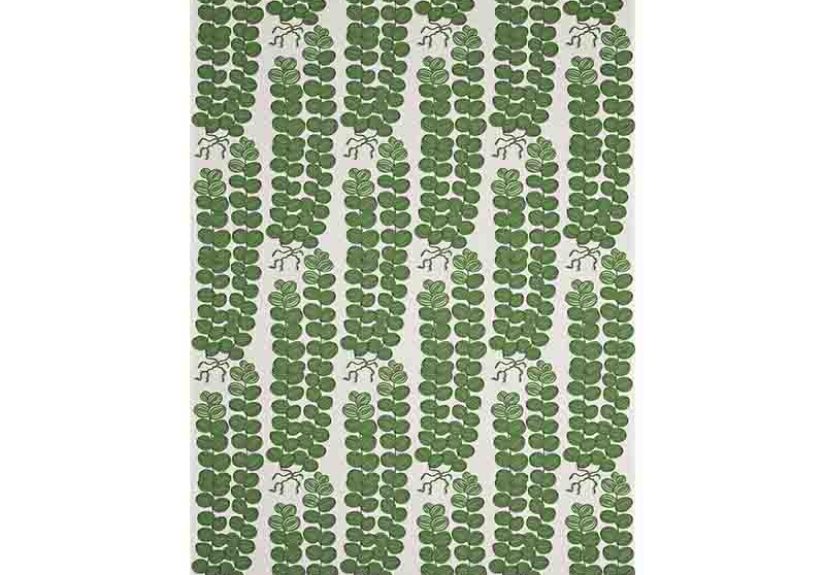
Textile Celotocaulis refers to a named print designed by Josef Frank and sold as a decorative linen textile. It is associated with the design company Svenskt Tenn and is generally used for curtains, interior decoration, and soft furnishings. In plain American English, that means it is the kind of fabric you choose when you want your room to feel smart, lively, and a little less beige.
The name itself points to a floral source. “Celoto” is linked to an Asian flower species with plume-like blossoms, while “caulis” is derived from the Latin word for flower stalk. That gives the pattern a botanical backbone before you even see it. In other words, the design was born with plant energy baked right into the name.
Unlike a generic upholstery cloth or a simple solid linen, Celotocaulis is defined by its print, its visual rhythm, and its historical authorship. It belongs to the rich tradition of printed textiles where material and motif work together. The linen gives it structure and tactility; the design gives it mood.
Who Was Josef Frank, and Why Does He Matter?
To understand Celotocaulis, you have to understand Josef Frank. Frank was an Austrian-born designer and architect who later became a major force in Swedish modern design. He pushed back against the colder, stricter side of modernism and favored interiors that felt warm, personal, layered, and actually pleasant to live in. What a radical idea: modern design for humans.
Frank is especially important in textile history because he created more than 160 printed textiles, many of which remain admired and produced today. His work often drew from nature, but not in a timid, tiny-sprig way. His patterns could be expansive, playful, lush, and slightly wild. They did not whisper politely from the corner. They participated in the room.
That design philosophy helps explain why Celotocaulis still resonates. It was never meant to look sterile or anonymous. It was meant to create atmosphere. It was meant to soften the hard edges of modern life. It was meant to say, “Yes, you can have design intelligence and visual joy in the same room. Please stop making everything look like a dentist’s waiting area.”
Why Textile Celotocaulis Still Feels Modern
1. It uses nature without feeling old-fashioned
Botanical motifs have been part of textile design for centuries. They appear in historic Indian textiles, European furnishing fabrics, fashion, embroidery, and printed yardage across many cultures. What keeps Celotocaulis from looking stale is its composition. This is not a timid floral wallpaper repeat. It has movement, scale, and a sense of spontaneity that feels more artistic than formulaic.
2. It embraces visual abundance
Many modern interiors suffer from what might be called “fear of pattern.” Celotocaulis does not share that fear. It leans into layered visual interest. Large-scale pattern can make a room feel more alive because the eye keeps moving. When used well, that movement creates depth, not chaos.
3. It balances decoration with structure
The linen ground matters here. A good print on linen has a different presence from the same motif on a limp or overly glossy fabric. Linen gives printed textiles body, dry elegance, and a slightly architectural crispness. That combination of expressive print and grounded material is part of why Celotocaulis can look exuberant without becoming silly.
Material Matters: Why Linen Is a Smart Choice
Celotocaulis is typically offered in linen, and that is not just a fancy design-world flex. Linen is one of the oldest and most respected textile fibers in human history, made from the flax plant. It is known for being strong, durable, breathable, and cool to the touch. It also wrinkles more easily than some other fabrics, which is either a flaw or part of its charm depending on how emotionally prepared you are for authenticity.
For interiors, linen works beautifully because it can hold a print with clarity while still feeling natural and tactile. It has enough body for drapery and decorative use, and in heavier constructions it can also support more demanding furnishing applications. That said, all linen is not identical. Weight, weave, finish, and backing can dramatically change performance.
That is why buyers should pay attention to the specific quality being sold. Some linen textiles are better for curtains and light interior decoration; others are built for pillows, bench cushions, or occasional upholstery. With designer textiles, the beauty of the pattern is only half the decision. The other half is whether the fabric is suited to what you want it to survive.
How Printing Shapes the Look
Another key to understanding Textile Celotocaulis is the printing process. Traditional screen printing allows for rich, layered pattern transfer and a hand-touched feel that many mass methods cannot replicate. In screen printing, ink is pushed through a mesh screen, while blocked areas prevent ink from passing through. Each color generally requires its own screen and careful registration.
This matters because screen printing can produce prints with real depth, painterly energy, and strong pattern identity. Historically, it also helped enable larger and more varied repeats in printed textiles. For a design like Celotocaulis, that is crucial. The pattern is not supposed to look timid or mechanically flat. It is supposed to feel alive.
So when people respond emotionally to a fabric like this, they are not just reacting to flowers or color. They are reacting to the interaction of motif, scale, ink, cloth, and craftsmanship. Good printed textiles are never just “a pattern on fabric.” They are a conversation between process and surface.
How to Use Textile Celotocaulis in a Real Home
As curtains
This may be the most natural application. A botanical print on linen gains extra drama when it hangs full-length and catches light. Curtains let the pattern read as a complete visual field rather than a cropped fragment, which is often how a bold textile performs best.
On accent furniture
A single upholstered chair or bench in Celotocaulis can transform a quiet room. The trick is to let it be the star. Do not seat it beside six competing prints unless your decorating philosophy is “maximum chaos, minimum regret.”
For pillows and smaller accents
If you love the pattern but are not ready to commit to yards of botanical bravado, throw pillows are the gateway option. They give you the mood of the textile without requiring a full room rewrite.
As a wall panel or textile art
Because Celotocaulis has such a distinct decorative identity, it can work as framed fabric or stretched textile art. This is especially useful when you appreciate the design historically and visually, but do not need another pillow on your sofa.
What Design Lovers Should Notice
One of the smartest things about Celotocaulis is that it sits at the intersection of several traditions at once. It is modern, but not severe. It is botanical, but not sugary. It is decorative, but not careless. It carries echoes of historic textile love for floral and plant motifs while still speaking fluently to contemporary interiors.
That is a difficult balance to achieve. Plenty of patterns are either too flat to feel special or too theatrical to live with comfortably. Celotocaulis works because its energy feels organic. The design seems to grow rather than merely repeat. There is rhythm, but not monotony. There is decoration, but also intelligence.
This is also why it appeals across generations. A younger buyer may see it as expressive and individual. A collector may see it as a meaningful example of twentieth-century design history. A homeowner may simply see a beautiful fabric that makes the room feel less boring. All three are right.
Is Textile Celotocaulis Practical?
Yes, with the usual grown-up caveat: practicality depends on use. As a decorative linen for curtains, panels, and light furnishing applications, it makes excellent sense. Linen is durable, and a well-made print on quality cloth can age beautifully. However, natural fibers can wrinkle, fade with prolonged direct sun, and respond differently to wear depending on finish and weight.
That means Celotocaulis is not a miracle fabric that laughs in the face of muddy pets, juice boxes, and a toddler armed with a marker. It is a design textile, not a superhero cape. If you plan to use it heavily, ask about rub performance, recommended applications, lining, backing, and cleaning method before ordering.
In other words, admire the art, but also read the care notes. Romance and realism can coexist.
Buying Tips Before You Commit
- Request a sample first so you can judge color, scale, and hand.
- Check the fabric weight and recommended use.
- Measure carefully, especially for drapery repeat and upholstery layout.
- Test the pattern in your actual room light, not just on a screen.
- Pair it with solids and textures that let the print breathe.
That last point is important. Bold botanical textiles do not need constant competition. Let Celotocaulis do its thing. It is already bringing enough charisma for the whole seating arrangement.
Conclusion
Textile Celotocaulis is best understood as a Josef Frank botanical linen print with real historical weight and lasting decorative appeal. It is not a generic textile type, but a specific design object with a strong visual personality. Its appeal comes from the meeting of linen’s natural character, screen-printed richness, and Frank’s human-centered modernism.
That combination explains why the fabric still feels relevant. It brings nature into interior space without becoming rustic, old-fashioned, or overly precious. It offers pattern without apology, color without chaos, and history without museum stiffness. If your room needs a little life, Celotocaulis does not tap politely on the door. It walks in carrying flowers and very good design credentials.
Experiences Related to Textile Celotocaulis
Living with a textile like Celotocaulis is a different experience from merely admiring it online. On a screen, it reads as pattern. In a room, it reads as atmosphere. That difference is huge. A lot of people assume bold botanical textiles will dominate a space in an exhausting way, but the more interesting reality is that they often create a kind of visual companionship. The fabric starts to change with the room’s mood, the time of day, and the way light moves across it.
In the morning, a Celotocaulis curtain can feel crisp and optimistic. The linen catches daylight in a way that makes the printed forms seem slightly lifted from the surface. You notice the structure of the cloth first, then the pattern, then the mood the two create together. It does not feel flat. It feels inhabited. Even before coffee has done its job, the room looks like it has made an effort.
By afternoon, especially in a sunlit room, the print can start to feel more immersive. This is where the scale matters. Small patterns often disappear into background noise, but a larger botanical print keeps creating visual movement. You glance at it while reading, while answering email, while pretending to fold laundry in a dignified and timely fashion. It never feels frozen. It keeps the room awake.
There is also a tactile experience that gets overlooked in design talk. Linen has a dry, honest hand. It does not have the slippery perfection of a synthetic decorative fabric, and that is exactly the point. If Celotocaulis is used on a cushion, chair, or bench, the contact feels grounded. The print may be exuberant, but the cloth itself keeps things disciplined. That balance makes the fabric easier to live with than many people expect.
Emotionally, the experience is often less about “floral style” and more about relief. A room with too many plain surfaces can feel efficient but empty. Add a fabric like Celotocaulis, and suddenly the space feels more forgiving. More layered. More human. It softens the room without making it sleepy. It adds decoration without forcing the whole interior into period-drama costume.
Guests tend to react to that kind of textile in memorable ways. They may not know the name Josef Frank, and they may not care about twentieth-century design theory, but they notice the fabric. They ask about it. They remember it. That is part of the experience too: Celotocaulis is not just something you use; it becomes part of how people read the space and, by extension, how they read you. Apparently you are the kind of person who understands pattern, appreciates history, and maybe has stronger opinions about drapery than the average citizen.
Over time, the fabric can also teach restraint. Once you live with a textile that already contains movement, color, and narrative, you realize you do not need to pile on more. A room with Celotocaulis often benefits from quieter companions: wood, painted walls, simple ceramics, plain upholstery, natural fibers. The print carries enough conversation. Everything else can lower its voice a little.
That may be the most satisfying experience of all. Textile Celotocaulis does not merely decorate a room. It changes how the room behaves. It encourages a slower look, a richer surface, and a more confident approach to living with pattern. And in an era when so many interiors seem terrified of having a pulse, that feels downright refreshing.







 Close
Close