
Table of Contents >> Show >> Hide
- Why Thomas Housden’s Terracotta Pendant Lights Feel So Distinctive
- The Magic of Terracotta: Why This Material Works So Well in Lighting
- Design Details That Make These Pendant Lights Memorable
- Where Terracotta Pendant Lights by Thomas Housden Work Best
- How to Style Them Without Making the Room Feel Overworked
- Why These Lights Still Feel Current
- Buying Considerations Before You Commit
- The Experience of Living With Terracotta Pendant Lights by Thomas Housden
- Final Thoughts
Some lights brighten a room. Others quietly steal the show, then pretend they had nothing to do with it. That is the charm of terracotta pendant lights by Thomas Housden. They are warm without being fussy, sculptural without shouting, and handmade in a way that gives them the kind of character flat-pack lighting can only dream about at night.
In an era when interiors are leaning toward natural textures, earthy color palettes, and lighting that doubles as functional art, Housden’s terracotta pendants feel remarkably on point. They sit at a sweet spot between old-world materiality and modern restraint. You can imagine them in a minimalist dining room, above a Brooklyn kitchen island, or hanging in a restaurant where everyone suddenly wants to stay for dessert. That is not an accident. These fixtures are designed to create atmosphere, not just illumination.
This is what makes them worth talking about. The appeal is not only the terracotta itself, though that sunbaked clay tone does a lot of heavy lifting. It is also the balance of shape, glaze, proportion, and light output. Thomas Housden’s designs feel grounded, tactile, and very human. In a design landscape crowded with shiny finishes and overcomplicated silhouettes, that kind of clarity is refreshing. It is also, frankly, a little irresistible.
Why Thomas Housden’s Terracotta Pendant Lights Feel So Distinctive
The first thing people notice is the material. Terracotta has a softness to it visually, even though it is fired clay. It brings depth without heaviness and color without the commitment of a loud accent shade. In pendant lighting, that matters. A fixture hangs in the air at eye level. It is not tucked into a corner like a polite side table. If it is ugly, you will know. If it is beautiful, the whole room benefits.
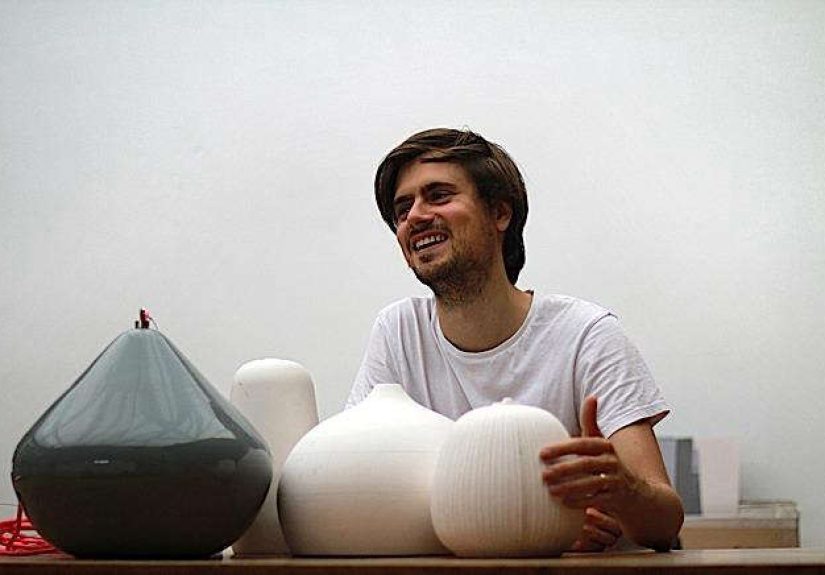
Thomas Housden understands that tension well. His terracotta pendant lights have a handmade quality that makes them feel grounded and slightly imperfect in the best possible way. The surfaces are not sterile. The forms are clean, but they are not cold. The terracotta tones add warmth, while the glaze introduces contrast and refinement. It is that push and pull that gives the fixtures their charm.
These lights also avoid a common design mistake: trying too hard. They are sculptural, yes, but they do not look like they are begging to be posted on social media with ten flame emojis. Their beauty is quieter. The rounded and tapered shapes are organic, the white glazing keeps the look crisp, and the interiors are designed to bounce light effectively. The overall effect is both artistic and useful, which is the dream pairing for pendant lighting. Beauty plus competence. A rare combo.
The Magic of Terracotta: Why This Material Works So Well in Lighting
It brings warmth without visual clutter
Terracotta is one of those materials that makes a room feel more relaxed almost instantly. It carries associations with pottery, architecture, Mediterranean landscapes, handcrafted objects, and natural living. In lighting, that translates into emotional warmth before the bulb is even switched on. The clay color softens sharper interiors and adds soul to cleaner spaces.
That is a major reason terracotta pendant lights by Thomas Housden work so well in modern homes. In a minimalist room, they keep things from feeling sterile. In a rustic or traditional room, they feel perfectly at home. In eclectic spaces, they act as a visual bridge between wood, plaster, stone, painted cabinetry, and metal accents. Terracotta plays well with others. It is basically the charming dinner guest of interior materials.
It adds texture to rooms that need depth
Modern interiors often rely on flat surfaces: slab cabinets, smooth walls, hard-edged tables, seamless countertops. Those clean lines look great, but they can also make a room feel slightly too buttoned-up. A handcrafted terracotta pendant light introduces gentle variation. The clay surface catches light differently than metal or glass, which gives the fixture a more tactile presence.
This texture matters even more when the room’s palette is neutral. If your dining room is mostly cream, oak, black, and stone, a terracotta pendant introduces visual depth without blowing up the color story. It adds warmth while staying sophisticated. That is one reason earthy lighting continues to appeal to designers and homeowners alike.
It makes light feel more intimate
There is something about clay that naturally suits intimate lighting. Perhaps it is because terracotta feels ancient and elemental. Perhaps it is because the material itself suggests warmth and fire. Whatever the reason, when terracotta is paired with a glazed interior and a downward glow, the result is inviting. Over a dining table, it feels cozy. Over a breakfast bar, it feels welcoming. In a bedroom corner, it feels soft and calm rather than clinical.
Design Details That Make These Pendant Lights Memorable
The brilliance of Thomas Housden’s terracotta pendants is in the restraint. The shapes are simple enough to feel timeless, but they have enough sculptural presence to anchor a room. Some silhouettes are fuller and rounded, which makes them ideal over tables where a broader, softer spread of light is welcome. Others are slimmer and more vertical, which suits kitchen bars or tighter spaces that need precision without bulk.
The glaze is equally important. White glazing, whether used inside the shade or across part of the exterior, sharpens the design and helps reflect light cleanly. Without that glaze, the pendants would skew more rustic. Without the terracotta, they might feel too polished. Together, the two finishes create balance. That balance is exactly why the lights can live happily in both contemporary and traditional interiors.
Another reason these fixtures stand out is their versatility in composition. A single pendant can serve as a focal point over a small round table. A row of pendants can define a kitchen island. A cluster can create drama in a taller room or commercial setting. The family resemblance between the different forms makes mixing them feel intentional rather than chaotic. In other words, you can be adventurous without ending up with a ceiling that looks like it lost a bet.
Where Terracotta Pendant Lights by Thomas Housden Work Best
Dining rooms
This is the most obvious placement, and for good reason. A dining table is where pendant lighting can really shine, literally and aesthetically. Terracotta pendant lights add intimacy to meals and create a visual center that makes the room feel complete. Because Housden’s designs are sculptural but not flashy, they bring personality without overwhelming conversation. Guests can still discuss dinner, politics, or why someone put raisins in the salad without being visually bullied by the light fixture above them.
Kitchen islands and breakfast bars
Kitchen lighting has to work harder than dining room lighting. It has to be attractive, but it also needs to be practical. That is where the clean light output and focused downlight of terracotta pendant lighting become especially useful. Over an island, these pendants help define the work zone while making the kitchen feel warmer and less utilitarian. They are especially effective in spaces with wood cabinetry, painted cupboards, plaster walls, or exposed brick.
Restaurants, cafes, and hospitality spaces
Terracotta pendant lights by Thomas Housden also make sense in commercial interiors because they create mood fast. Restaurants want lighting that feels memorable but not distracting. Cafes want fixtures with craft credibility. Boutique hospitality spaces want materials that photograph beautifully but still feel authentic in person. Handmade terracotta checks all of those boxes.
Bedrooms and quiet corners
Not every pendant has to live in a kitchen. In the right bedroom or reading nook, a terracotta pendant can act like functional sculpture. It brings a calm, grounded presence, especially when paired with warm bulbs, linen textiles, and natural wood. The result is soft, layered, and highly livable.
How to Style Them Without Making the Room Feel Overworked
The easiest way to style Thomas Housden’s terracotta pendant lights is to let the material do its thing. They do not need a parade of supporting props. In fact, they look best when surrounded by finishes that respect their quiet confidence: oak, walnut, limestone, plaster, matte paint, unlacquered brass, woven textures, and simple ceramics.
If you want a Mediterranean-inspired look, pair them with limewash walls, natural linen, aged wood, and stone surfaces. If your taste leans more contemporary, try them against pale walls, streamlined cabinetry, and a restrained palette of cream, black, and warm brown. In eclectic homes, they work beautifully alongside vintage furniture, layered textiles, and handmade accessories. The key is to repeat the room’s warmth elsewhere so the fixture feels integrated instead of isolated.
Bulb choice matters too. Terracotta already reads warm, so a harsh daylight bulb would be like wearing flip-flops with a tuxedo. Technically possible, spiritually wrong. Choose a warm color temperature that enhances the earthy tone and helps the fixture cast a softer, more flattering light.
Why These Lights Still Feel Current
Design trends come and go, but some movements have staying power because they answer a deeper need. Right now, people want homes that feel calmer, warmer, and more connected to natural materials. They want rooms that look curated rather than corporate. They want lighting that creates mood, not just visibility. Thomas Housden’s terracotta pendant lights fit squarely into that larger shift.
They also align with the growing popularity of sculptural lighting. Homeowners increasingly want fixtures that function as design statements, especially in dining rooms and kitchens where one well-chosen pendant can transform the space. At the same time, earthy tones such as terracotta continue to resonate because they feel grounded and timeless. That combination of sculptural form and natural material gives Housden’s work unusual longevity.
In other words, these are not trend-chasing lights. They happen to feel very current, but they are rooted in something deeper: material honesty, craftsmanship, proportion, and atmosphere. That is why they work. It is also why they are likely to keep working long after trend reports move on to whatever color the internet decides to call “future dusk mushroom cinnamon” next.
Buying Considerations Before You Commit
If you are considering terracotta pendant lights by Thomas Housden, think first about scale. A pendant should relate to the table, island, or room beneath it. A small fixture over a large dining table can feel apologetic. A massive shade in a compact breakfast nook can feel like a UFO arrived early for brunch. Pay attention to proportion and hanging height so the piece feels intentional.
Second, think about how much downlight you need. Some shapes cast a broader pool of light, which is helpful over dining tables and work surfaces. Others are narrower and more focused. If the pendant is meant to carry the main task lighting load, function needs to lead the conversation a bit more than form.
Third, consider whether you want one statement piece, a pair, or a small cluster. The beauty of Housden’s terracotta designs is that they can work in all three modes. A single pendant feels sculptural. Two or three in a line feel architectural. A group at varied heights can make a high ceiling feel warmer and more intimate.
Finally, remember that handmade ceramic lighting has natural variation. That is part of the appeal. If you want something perfectly uniform and machine-slick, terracotta may not be your soulmate. But if you like the idea of a fixture with nuance, texture, and individuality, you are in very good territory.
The Experience of Living With Terracotta Pendant Lights by Thomas Housden
Living with a terracotta pendant light is different from living with a standard metal shade or a generic glass globe. The change is subtle at first. You notice the color before the light is even switched on. In the morning, the clay looks soft and almost chalky. In the afternoon, it feels warmer and richer. At night, once the bulb is on, the whole fixture seems to settle into the room and become part of the atmosphere instead of just hanging above it.
Over a dining table, the experience is especially strong. Meals feel a little slower, conversations a little longer, and even ordinary takeout feels promoted. A terracotta pendant does not create drama in a theatrical way. It creates comfort. It makes the center of the room feel intentional. People gather beneath it naturally. The table becomes less of a surface and more of a place.
In a kitchen, the effect is slightly different but just as powerful. Kitchens can easily become all function and no feeling. Appliances, counters, and storage do their jobs, but they do not always invite you to linger. A handmade terracotta pendant shifts that balance. It introduces warmth above the hardest-working part of the room. Suddenly the island is not just where you chop vegetables or drop grocery bags. It becomes where homework happens, where someone leans with a cup of coffee, where a friend stays to chat even after dessert is gone.
There is also a tactile pleasure in simply seeing handmade ceramic every day. Even when you are not touching it, you sense that it was formed, fired, glazed, and considered by real people. That matters more than many homeowners expect. Machine-perfect fixtures can be sleek, but handcrafted lighting often feels more emotionally durable. It ages better because it never depended on novelty in the first place.
Another part of the experience is how terracotta responds to the rest of the room. It tends to pull warmth from wood grain, make white walls feel softer, and bring out the depth in natural stone or linen. It does not dominate the palette, but it quietly improves it. That is one reason these pendants work in so many interiors. They are not demanding. They are generous.
And then there is the mood factor, which is hard to quantify but impossible to ignore. A good terracotta pendant creates a kind of visual exhale. The room feels calmer. Less glossy. Less performative. More human. You can see why people who install one often end up wanting another for a different room. It is not just about matching finishes or following trends. It is about wanting more of that feeling.
That may be the best compliment you can give any light fixture. It does not just illuminate your home. It changes how your home feels to live in. Thomas Housden’s terracotta pendant lights do exactly that. They bring warmth, texture, and quiet personality into daily life, and they do it without ever feeling overdone. Not bad for fired clay hanging from the ceiling.
Final Thoughts
Terracotta pendant lights by Thomas Housden succeed because they combine craft and clarity. They are rooted in natural material, shaped with restraint, and designed to produce warm, useful light. They feel timeless, but not old-fashioned. Sculptural, but not self-important. Distinctive, yet easy to live with.
For homeowners, designers, and anyone tired of lighting that looks either too bland or too eager for attention, these pendants offer a compelling middle path. They bring artistry to everyday life. They make dining rooms feel more intimate, kitchens feel more welcoming, and interiors feel more grounded. In the end, that is the real achievement here. Thomas Housden did not just design pendant lights. He designed atmosphere with a clay body and a very good sense of proportion.





 Close
Close