
Table of Contents >> Show >> Hide
- Why Halibut Is So Good for Tempura Frying
- Ingredients for Tempura Fried Halibut With Garlic Aioli
- How to Make Garlic Aioli That Actually Tastes Great
- How to Make a Light, Crispy Tempura Batter
- Step-by-Step Tempura Fried Halibut Recipe
- Tips for Crispy Tempura Halibut Every Time
- What to Serve With Tempura Fried Halibut
- Flavor Variations Worth Trying
- Storage, Reheating, and Food Safety Notes
- Why This Recipe Works
- Experience Notes: What It Feels Like to Make and Eat This Recipe at Home
- Conclusion
Some dinners whisper. This one arrives wearing a golden, crackly jacket and announces itself like it just won a talent show. Tempura fried halibut with garlic aioli is the kind of meal that feels restaurant-worthy but can absolutely happen in your kitchen, even if your last frying experience involved a smoke alarm and a panicked search for tongs.
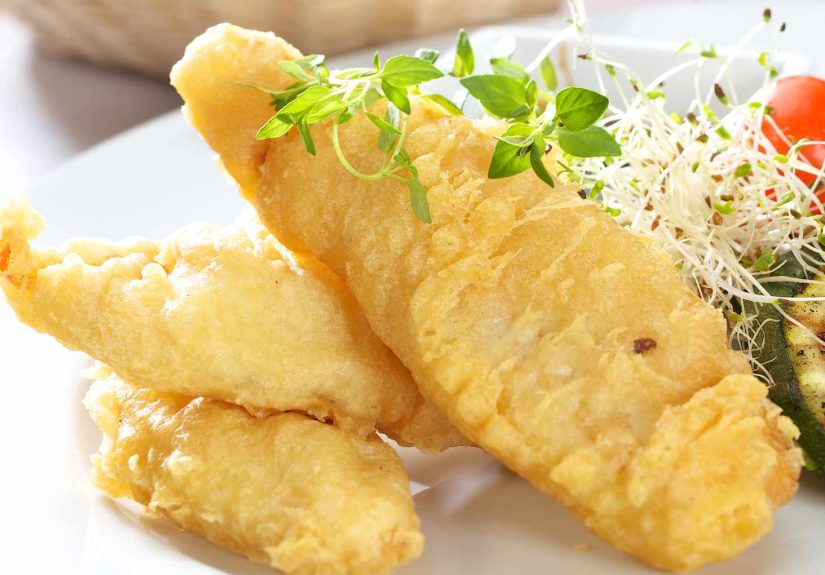
The beauty of this dish is contrast. Halibut is mild, meaty, and flaky, which makes it a dream candidate for tempura batter. The coating should be airy, delicate, and shatteringly crisp rather than thick and heavy. Then in swoops the garlic aioli: creamy, lemony, savory, and just bold enough to make every bite taste like it has a tiny fan club. Put them together, and you get a seafood recipe that feels elegant without acting snobbish.
This guide walks you through everything: why halibut works so well, how to make a truly crispy tempura batter, how to avoid greasy fish, and how to whip up a garlic aioli that tastes like you tried very hard, even if you did not. You will also get pro tips, serving ideas, storage advice, and a long-form section on the real-life experience of making this recipe at home so the process feels approachable, not mysterious.
Why Halibut Is So Good for Tempura Frying
Halibut is one of those fish that knows how to behave. It has a firm texture, clean flavor, and sturdy flakes, so it holds together beautifully during frying. Unlike more delicate fish that can fall apart under a wet batter, halibut keeps its shape and gives you that satisfying bite under the crisp shell.
It also plays well with bold condiments. Garlic aioli, lemon wedges, chili flakes, herbs, and crunchy slaw all work because halibut itself does not bully the plate. It is confident, not loud. In other words, it is the seafood version of the person who looks great in every photo and never blinks at the wrong time.
Ingredients for Tempura Fried Halibut With Garlic Aioli
For the halibut
- 1 1/2 pounds skinless halibut fillet
- 1 teaspoon kosher salt
- 1/2 teaspoon black pepper
- 1/2 cup cornstarch, for dusting
- Neutral frying oil, such as canola, vegetable, or peanut oil
For the tempura batter
- 3/4 cup all-purpose flour
- 1/2 cup rice flour or additional all-purpose flour
- 1/4 cup cornstarch
- 1 egg yolk
- 1 cup ice-cold sparkling water
- A few ice cubes for keeping the batter cold
For the garlic aioli
- 3/4 cup mayonnaise
- 2 to 3 garlic cloves, finely grated or minced
- 1 tablespoon fresh lemon juice
- 1 teaspoon lemon zest
- 1 tablespoon olive oil
- 1/4 teaspoon kosher salt
- 1/8 teaspoon black pepper
Optional for serving
- Lemon wedges
- Chopped parsley
- Thinly sliced chives
- French fries, slaw, or a crisp green salad
How to Make Garlic Aioli That Actually Tastes Great
Let us start with the sauce, because sauce rewards foresight. Garlic aioli benefits from a few minutes of rest, which allows the garlic to mellow and the lemon to brighten everything without tasting sharp or aggressive.
In a small bowl, stir together the mayonnaise, garlic, lemon juice, lemon zest, olive oil, salt, and black pepper. Mix until smooth. Taste it. Then taste it again because that is quality control, and we support professionalism. If you want it brighter, add another squeeze of lemon. If you want it bolder, add another tiny bit of garlic. Refrigerate until ready to serve.
This is a shortcut-style aioli, meaning it uses mayonnaise as the base. Traditional aioli can be made from scratch with egg and oil, but the mayo version is practical, stable, and delicious. On a busy night, that is called wisdom.
How to Make a Light, Crispy Tempura Batter
If you remember one thing from this recipe, make it this: cold batter meets hot oil. That contrast helps create the delicate, lacy crispness that tempura is famous for. The second rule is to mix the batter lightly. Lumps are not a failure here; they are a feature. Overmixed batter develops more gluten and leads to a thicker, tougher coating.
In a medium bowl, whisk the egg yolk with the ice-cold sparkling water. In another bowl, combine the all-purpose flour, rice flour, and cornstarch. Add the dry ingredients to the wet ingredients and stir gently with chopsticks or a fork just until combined. The batter should look thin, uneven, and slightly lumpy. Keep the bowl over ice or add an ice cube nearby if your kitchen is warm.
Rice flour and cornstarch help lighten the batter and increase crispness. Sparkling water adds a little lift. The result is a coating that fries up airy instead of cakey, which is exactly what you want on a beautiful piece of halibut.
Step-by-Step Tempura Fried Halibut Recipe
1. Prep the fish
Pat the halibut dry with paper towels. Cut it into strips or chunks about 1 inch wide and 3 inches long. Season lightly with kosher salt and black pepper. Dry fish fries better than damp fish, so do not skip the paper towels unless you enjoy chaos.
2. Heat the oil
Pour 2 to 3 inches of neutral oil into a deep, heavy pot or Dutch oven. Heat it to 350 to 375 degrees Fahrenheit. Use a thermometer if possible. Frying without one is a bit like parallel parking while blindfolded: technically bold, but not recommended.
3. Dust before battering
Place the cornstarch in a shallow bowl. Lightly dredge each piece of halibut in cornstarch, shaking off the excess. This helps the batter cling to the fish and gives you a more even crust.
4. Dip and fry
Working in small batches, dip the halibut into the tempura batter. Let any heavy excess drip off, then carefully lower the pieces into the hot oil. Fry for 2 to 4 minutes, turning once if needed, until pale golden and crisp. Tempura is usually lighter in color than standard fried fish, so do not wait for a deep brown crust or you risk overcooking the fish.
5. Drain and season
Transfer the fried halibut to a wire rack or paper towel-lined tray. Sprinkle with a small pinch of salt while hot. Let the oil return to temperature between batches.
6. Serve immediately
Pile the tempura halibut onto a platter, scatter with parsley or chives if you like, add lemon wedges, and serve with the chilled garlic aioli. This is not a recipe that likes to sit around while people debate what to watch. Bring it to the table fast.
Tips for Crispy Tempura Halibut Every Time
Keep the batter cold
Cold batter helps produce a more delicate crust. If your kitchen runs warm, keep the bowl nested over ice.
Do not overmix
A few dry streaks and lumps are completely fine. In fact, they are welcome. A perfectly smooth batter often means an overly developed one.
Fry in small batches
Overcrowding drops the oil temperature and leads to soggy, oily fish. Give each piece some breathing room.
Use a firm fish cut
Halibut is ideal because it stays intact and flakes beautifully. Thick pieces cook evenly without turning mushy.
Drain on a rack if possible
A wire rack keeps the crust crispier than a flat plate. Steam is the enemy of crunch.
What to Serve With Tempura Fried Halibut
This dish is flexible, which is cook-speak for “you can dress it up or keep it wonderfully casual.” For a pub-style dinner, serve it with fries, coleslaw, and plenty of aioli. For a lighter plate, pair it with arugula salad, shaved fennel, or cucumber ribbons with lemon. For party food, turn the halibut into mini fish tacos with shredded cabbage and extra sauce.
You can also lean into contrast. Something acidic and crisp next to fried fish is never a bad idea. Pickled onions, a squeeze of lemon, or a crunchy herb salad cuts the richness and keeps the plate lively.
Flavor Variations Worth Trying
Spicy garlic aioli
Add a teaspoon of sriracha or a pinch of cayenne to the aioli for a gentle kick.
Herb aioli
Stir in chopped dill, parsley, or chives for a fresher, spring-like finish.
Lemon-pepper halibut
Season the fish with a little lemon zest before dredging for extra brightness.
Tempura fish sandwiches
Tuck the crispy halibut into toasted brioche with shredded lettuce, pickles, and aioli. Napkins encouraged.
Storage, Reheating, and Food Safety Notes
Fried fish is best eaten right away, when the crust is at peak glory. But leftovers can still be good. Cool them promptly, refrigerate, and reheat in a hot oven or air fryer until crisp and warmed through. Avoid the microwave unless your goal is “soft and vaguely nostalgic.”
When buying halibut, look for fish that smells clean and mild, not strongly fishy. The flesh should look moist and firm. Keep it cold until you are ready to cook, and use separate utensils and plates for raw and cooked fish. Cook halibut until it is opaque, flakes easily, and reaches a safe internal temperature. These small kitchen habits are not glamorous, but they are the backstage crew that keeps dinner running smoothly.
Why This Recipe Works
This tempura fried halibut with garlic aioli recipe works because it respects the texture of the fish instead of burying it. The batter is thin and crisp, the halibut stays juicy, and the aioli adds just enough richness and garlic punch to feel indulgent without overwhelming the seafood. It is a balanced fried fish recipe, which is not a sentence people say every day, but here we are.
It is also versatile. You can make it for a weeknight dinner, a casual date night, a game-day platter, or a dinner party where you want people to think you own more linen napkins than you actually do. The recipe scales well, the flavors are familiar, and the result feels special.
Experience Notes: What It Feels Like to Make and Eat This Recipe at Home
The first time you make tempura fried halibut at home, the experience is half cooking and half tiny kitchen drama, but in a good way. There is a moment when the batter looks suspiciously thin and lumpy, and your brain whispers, “Surely this cannot be right.” Then the fish hits the oil and immediately blooms into that airy, craggy shell, and suddenly you feel like the kind of person who casually fries restaurant-quality seafood on a Tuesday. It is a very specific and extremely satisfying form of confidence.
One of the best parts of this recipe is the sound. The soft hiss when the battered halibut slips into hot oil is the kind of kitchen soundtrack that makes people wander in and ask, “What are you making?” Five minutes later, those same people are lingering suspiciously close to the cooling rack. Tempura has that effect. It is impossible to ignore. The crust looks delicate, but it delivers a dramatic crunch that feels almost too fancy for something you made while wearing socks that do not match.
The garlic aioli changes the mood of the whole meal. Without it, the halibut is excellent. With it, the dish feels complete. The creamy texture and sharp garlic-lemon flavor make the fish taste brighter, richer, and somehow more intentional. It is the difference between a nice outfit and the same outfit with excellent shoes. Technically optional, emotionally essential.
There is also a rhythm to making this recipe that gets easier fast. The first batch teaches you patience. The second batch teaches you not to overcrowd the pot. By the third batch, you are adjusting the heat like you host a seafood segment on local television. That learning curve is part of the fun. Even small mistakes are useful. If one batch is slightly darker, you learn. If one piece gets extra crisp, you call it the chef’s sample and continue bravely.
Serving this dish creates its own little event. People do not react to tempura halibut the way they react to an ordinary baked fish dinner. There is excitement. There are crunchy sound effects. There is dipping. Someone always says, “Wow, you made this?” in a tone that suggests they underestimated both you and fish. It is one of those recipes that feels generous because it looks impressive but still tastes comforting. Crispy fish and creamy sauce are not exactly a hard sell.
What sticks with most cooks, though, is how doable it becomes. After the first try, the mystery disappears. You start to remember the small signs: batter cold, oil steady, fish dry, batches small. Soon the recipe stops feeling like a project and starts feeling like a reliable favorite. And that may be the best experience of all. A dish that once sounded restaurant-only becomes something you can make for friends, family, or yourself after a long day, when the only thing more appealing than crunchy halibut is eating it with extra aioli and absolutely no regrets.
Conclusion
If you have been looking for a seafood recipe that feels special without requiring culinary gymnastics, this is it. Tempura fried halibut with garlic aioli delivers crisp texture, tender fish, and bold, creamy flavor in one very memorable plate. Keep the batter cold, keep the oil hot, and serve everything quickly. The result is light, crunchy, and deeply satisfying. In other words, exactly what fried fish should be.






 Close
Close