
Table of Contents >> Show >> Hide
- What Is Swordfish, Exactly?
- Swordfish Calories and Nutrition Facts
- Main Health Benefits of Swordfish
- Is Swordfish Good for Weight Loss or High-Protein Diets?
- Does Swordfish Have Any Downsides?
- How Swordfish Compares to Other Fish
- Best Ways to Eat Swordfish
- How Much Swordfish Should You Eat?
- Who Should Be Especially Careful With Swordfish?
- Final Verdict: Is Swordfish Healthy?
- Experiences With Swordfish: What It’s Really Like to Buy, Cook, and Eat
- SEO Tags
Swordfish has the kind of reputation most foods would envy. It sounds dramatic, looks like a steak, and arrives at the table with enough swagger to make chicken seem like it forgot its wallet. But beyond the restaurant menu glamour, swordfish is also a serious nutrition contender. It is packed with high-quality protein, offers several important vitamins and minerals, and fits nicely into a balanced diet for many adults.
That said, swordfish is not a “the more, the merrier” food. It comes with an asterisk the size of a fishing boat: mercury. So the smart question is not just whether swordfish is healthy. The smarter question is for whom, how much, and how often.
In this guide, we will break down swordfish nutrition, calories, health benefits, possible drawbacks, and the real-life eating experience of this meaty fish. Think of it as the seafood version of reading the fine print before falling in love.
What Is Swordfish, Exactly?
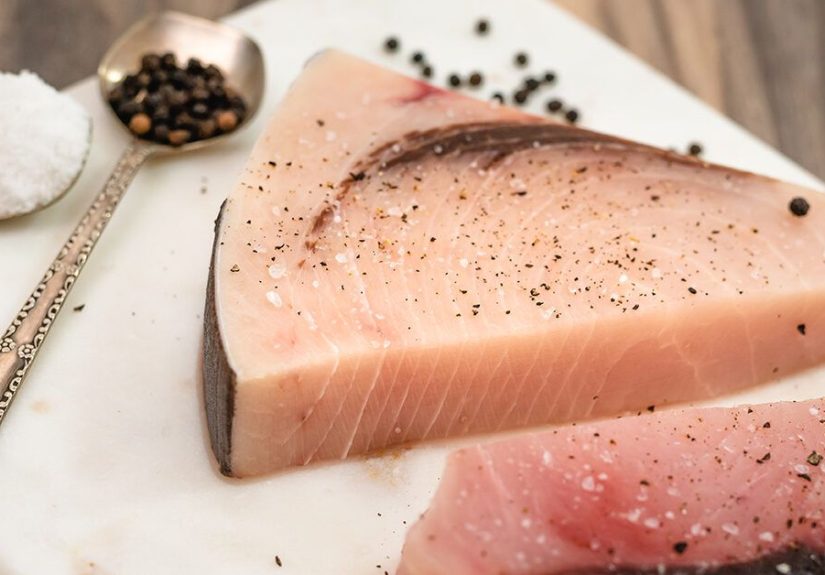
Swordfish is a large predatory ocean fish known for its firm texture and mild, slightly sweet flavor. Unlike flaky white fish that falls apart if you look at it too sternly, swordfish holds together beautifully on the grill, in a skillet, or under the broiler. That is one reason it is often compared to steak and served as a thick, satisfying fillet.
From a nutrition standpoint, swordfish is appealing because it is naturally low in carbohydrates, rich in protein, and full of nutrients many people need more of, including vitamin D, selenium, and vitamin B12. It also contains omega-3 fatty acids, though not in the same superstar league as salmon, sardines, or mackerel.
Swordfish Calories and Nutrition Facts
If you like your nutrition information clean and simple, here is the headline: a 3-ounce serving of cooked swordfish delivers solid protein for relatively moderate calories.
Approximate nutrition in 3 ounces of cooked swordfish
- Calories: 146
- Protein: 19.9 grams
- Fat: 6.74 grams
- Carbohydrates: 0 grams
- Sodium: 82 milligrams
- Cholesterol: 66 milligrams
- Potassium: 424 milligrams
- Phosphorus: 258 milligrams
- Selenium: 58.2 micrograms
- Vitamin D: 566 IU
- Vitamin B12: 1.38 micrograms
Those numbers make swordfish a nutrient-dense food. In plain English, it gives you a lot of useful nutrition without dragging along a bunch of sugar, starch, or empty calories. It is especially attractive for people aiming to increase protein intake without leaning entirely on red meat or ultra-processed protein products.
On a 100-gram basis, swordfish lands at about 172 calories, with roughly 23 grams of protein and nearly 8 grams of fat. So whether you measure by ounces or grams, the story stays the same: swordfish is protein-forward, filling, and surprisingly efficient.
Main Health Benefits of Swordfish
1. High-quality protein for muscle and satiety
Swordfish provides complete protein, which means it contains all the essential amino acids your body needs. That matters for muscle repair, healthy aging, immune support, and simply staying full long enough that you do not go rummaging through the pantry for cookies 47 minutes after dinner.
Because the texture is dense and substantial, swordfish can also feel more satisfying than lighter fish. For people trying to build a balanced meal, that fullness factor is a quiet superpower.
2. A strong source of selenium
Selenium does not usually get celebrity treatment, but it deserves a better publicist. This mineral plays a role in thyroid function, DNA production, reproduction, and protection against oxidative stress. Swordfish happens to be an excellent source of it.
One normal serving can provide roughly a full day’s worth of selenium for many adults. That is impressive for a food that also tastes like something you would order to celebrate getting your life together.
3. Vitamin D in a food world where vitamin D is oddly hard to find
Vitamin D is not naturally abundant in many foods, which is why swordfish stands out. A 3-ounce serving provides a notable amount. Since vitamin D supports bone health, immune function, and many processes that help the body run smoothly, getting some from food can be useful, especially for people who do not get much sunlight or who rely heavily on indoor living and glowing screens.
In a nutrition landscape where vitamin D often hides like a shy cat, swordfish actually shows up.
4. Vitamin B12 for nerves and red blood cells
Swordfish also contributes vitamin B12, a nutrient involved in nerve health, DNA formation, and red blood cell production. People who eat less meat sometimes watch B12 intake more closely, and seafood can be one practical way to help fill the gap.
No, swordfish is not the only B12-rich food on earth. But it definitely earns a respectable seat at that table.
5. Useful omega-3 fats
Fish is often praised for omega-3 fatty acids, and swordfish does provide them. These fats are associated with heart health and lower triglyceride levels when seafood is part of an overall healthy eating pattern. Swordfish is not the richest omega-3 fish you can buy, but it still contributes meaningful marine omega-3s, including EPA and DHA.
So yes, swordfish gets some heart-health points. It just does not win the omega-3 Olympics against salmon.
Is Swordfish Good for Weight Loss or High-Protein Diets?
It can be. Swordfish is rich in protein, contains no carbs, and is moderate in calories for the portion size. That makes it appealing for high-protein meal plans, lower-carb eating styles, and general weight management.
The key is how it is prepared. A grilled swordfish steak with vegetables, beans, or a salad is a very different nutrition story from swordfish drenched in butter, buried under creamy sauce, or paired with enough fries to feed a marching band.
On its own, swordfish is a strong candidate for a satisfying dinner that does not leave you feeling weighed down. It is one of those foods that can feel indulgent while still doing some genuine nutritional heavy lifting.
Does Swordfish Have Any Downsides?
Yes, and this is the part that matters most.
The big issue: mercury
Swordfish is a large predatory fish, which means it tends to accumulate more mercury than many other seafood choices. That is why U.S. guidance consistently places swordfish in the high-mercury category.
For healthy adults, that does not automatically mean swordfish is off-limits forever. It means moderation matters. Having swordfish occasionally is very different from making it your default fish every week.
For children and for people who are pregnant, trying to become pregnant, or breastfeeding, swordfish is generally a poor choice because of its mercury content. Lower-mercury fish such as salmon, sardines, trout, cod, shrimp, pollock, and tilapia are usually better routine options.
It is nutritious, but not the best everyday fish
This is where nuance enters the room wearing sensible shoes. Swordfish is nutrient-rich, yes. But because of mercury, it is not usually the fish dietitians point to for frequent consumption. If your goal is “healthy seafood I can eat often,” you will usually be better off choosing salmon, sardines, trout, herring, or other lower-mercury seafood more regularly.
In other words, swordfish can be part of a healthy diet, but it should not necessarily be the captain of the team.
How Swordfish Compares to Other Fish
Swordfish vs. salmon
Salmon usually wins on omega-3s and safety for more frequent eating. Swordfish offers a firmer texture and excellent protein, but salmon is generally the better all-around choice if you want heart-friendly fats with lower mercury risk.
Swordfish vs. tuna steak
These two often compete for the “steak-like fish” title. Both are protein-rich and satisfying, but mercury is also a concern with some tuna species. The best choice depends on the specific type of tuna and how often you eat it.
Swordfish vs. cod or tilapia
Cod and tilapia are leaner and lower in calories, but they are also milder and less substantial in texture. Swordfish feels richer and more filling, though it comes with that mercury caution those lighter fish usually do not.
Best Ways to Eat Swordfish
Swordfish shines when you keep the preparation simple enough to let its texture do the talking.
Great options include:
- Grilled swordfish with lemon, garlic, and herbs
- Pan-seared swordfish with olive oil and roasted vegetables
- Broiled swordfish with tomato salsa or chimichurri
- Swordfish kebabs with peppers and onions
Because swordfish is meaty, it handles bold flavors well. Citrus, capers, parsley, black pepper, oregano, and smoky spice rubs all work beautifully. Just try not to overcook it. Dry swordfish is still edible, but it loses the magic and starts feeling like a punishment.
How Much Swordfish Should You Eat?
For most healthy adults, the smartest mindset is occasional, not constant. Swordfish can absolutely fit into a balanced diet, but it is better treated as a once-in-a-while seafood choice than a weekly default.
If you want seafood several times a week, build your routine around lower-mercury options and let swordfish be the special guest star. The fish does not need to appear in every episode to remain memorable.
Who Should Be Especially Careful With Swordfish?
- Pregnant people
- People trying to conceive
- Breastfeeding parents
- Infants and children
- Anyone who already eats a lot of high-mercury seafood
If you fall into one of those groups, lower-mercury seafood is usually the safer and more practical move. Nutrition is not just about what a food contains. It is also about what comes along for the ride.
Final Verdict: Is Swordfish Healthy?
Yes, swordfish is nutritious. It is high in protein, rich in selenium, a surprisingly useful source of vitamin D, and a respectable provider of vitamin B12 and omega-3 fats. For many adults, it can be a flavorful and satisfying part of a healthy diet.
But swordfish is also one of those foods that needs context. It is not a “free-for-all” superfood. The mercury content changes the conversation. So while swordfish can absolutely earn a place on the plate, it works best as an occasional choice rather than an everyday fish.
Think of swordfish as the charismatic dinner guest: impressive, interesting, and worth inviting over now and then, but maybe not someone you want moving in permanently.
Experiences With Swordfish: What It’s Really Like to Buy, Cook, and Eat
People often have a funny first experience with swordfish. They expect something delicate and flaky because, well, fish. Then the fillet lands on the cutting board looking more like a confident piece of meat than a fragile seafood portion. That surprise is part of swordfish’s appeal. For many home cooks, it feels less intimidating than thinner fish because it holds together well and does not seem to disintegrate the moment a spatula gets involved.
One common experience is that swordfish converts people who claim they “do not really like fish.” Its flavor is mild enough that it does not scream ocean in all caps, and its texture is firm enough that it can feel familiar to people used to chicken breasts, pork chops, or steaks. It often becomes the gateway fish for someone who normally approaches seafood with the emotional caution of a cat inspecting a cucumber.
Another recurring experience is sticker shock. Swordfish is not usually the budget darling of the seafood case. Many shoppers pause, do quick mental math, and suddenly become very interested in whatever cod is doing that day. Because of the price, swordfish often gets promoted from “Tuesday dinner” to “special occasion meal,” which may actually fit its nutrition profile rather well. It is satisfying, memorable, and probably not something most people need to eat all the time anyway.
Cooking swordfish also teaches a practical lesson: timing matters. Undercooked, it can seem too soft in the center for some people. Overcooked, it becomes dry and a little sad, like a motivational speech delivered by cardboard. The sweet spot is a nicely seared exterior with moist flesh inside. Once people get that right, they tend to remember it. Swordfish rewards confidence but punishes distraction. This is not the dinner to cook while also trying to answer emails, watch three videos, and reorganize the spice drawer.
Many diners also notice how filling swordfish is. A moderate portion can feel substantial in a way some fish simply do not. That makes it popular with people who want a high-protein meal that still feels restaurant-worthy. Add grilled vegetables, rice, potatoes, or a bright salad, and the plate feels complete without much drama.
Then comes the nutrition conversation. Plenty of people discover swordfish through a health kick, assuming that all fish automatically belong in the “eat freely” category. The mercury guidance is often the plot twist. It does not necessarily scare people away, but it does change their habits. A very common real-world takeaway is this: people keep swordfish in the rotation, just not on repeat. They enjoy it, respect the nutrition benefits, and then save their weekly seafood habits for salmon, trout, sardines, or shrimp.
That balanced experience may be the most realistic one of all. Swordfish is delicious, satisfying, and nutritionally impressive. It just comes with enough nuance to remind us that healthy eating is rarely about crowning a single perfect food. It is about choosing the right food in the right amount at the right time. And honestly, that is a lot more useful than pretending every fish is a nutritional fairy tale with fins.







 Close
Close