
Table of Contents >> Show >> Hide
- Where Superman III Sits in the Superman Movie Rankings
- What Critics Said Thenand What They Say Now
- The Good: What Fans Still Love About Superman III
- The Bad (and the Goofy): Why Superman III Often Ranks So Low
- Comparing Superman III to Other Superman Films
- Should You Rewatch Superman III Today?
- Experience-Based Take: What It’s Like to Watch Superman III Now
- Conclusion: A Flawed, Fascinating Outlier
When people rank the best and worst Superman movies, Superman III almost never lands in the top tier.
It’s the weird middle child of the Christopher Reeve era: not as beloved as the first two films, not as derided (by everyone) as
Superman IV: The Quest for Peace, and constantly dragged into debates about what a Superman movie should be.
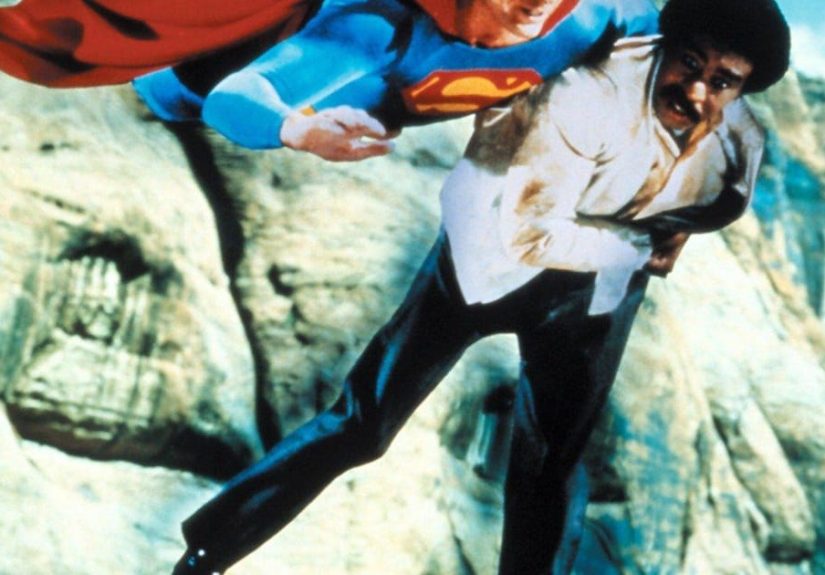
Between the slapstick comedy, the hacking plot, and Richard Pryor sharing the spotlight with the Man of Steel, fans and critics have
struggled for decades to decide exactly how to feel about it.
In this deep dive, we’ll look at where Superman III usually ranks in modern lists, why critics reacted so strongly,
what still works surprisingly well, and how it stacks up against other Superman films across the decades.
Then, we’ll wrap up with a more personal-style, experience-based section on what it’s actually like to sit down and rewatch
Superman III today.
Where Superman III Sits in the Superman Movie Rankings
On paper, Superman III isn’t a complete disaster. It features Christopher Reeve in his prime, introduces
Lana Lang as a grounded love interest, and experiments with a more comedic tone. In practice, though, most rankings place it
firmly in the “lower middle” or “near the bottom” tier of Superman movies.
Modern ranking lists that cover every major Superman film typically slot Superman III below classics like
Superman: The Movie, Superman II, and even more divisive entries like Man of Steel.
One widely cited ranking of Superman movies puts Superman III toward the lower end of the list,
only slightly ahead of the much-maligned Superman IV and the weakest modern team-up cuts of the character.
Aggregator sites tell a similar story. On Rotten Tomatoes, Superman III holds an approval rating in the low 30s,
well below the fresh scores enjoyed by the first two Reeve films.
Metacritic shows a middling “mixed or average” score in the mid-40s, signaling that even critics who didn’t hate it
couldn’t exactly recommend it with enthusiasm.
Some editorial roundups and opinion pieces go further, arguing that Superman III may actually be the
worst Superman movie ever made, criticizing its tonal whiplash and awkward attempts at comedy.
Others take a slightly softer stance, grouping it with films like Superman Returns and
Batman v Superman as deeply flawed but at least trying something different with the character and the formula.
What Critics Said Thenand What They Say Now
When Superman III hit theaters in 1983, audiences still had a lot of goodwill toward Christopher Reeve’s
version of the character. The film wasn’t a box office bomb; it earned over $80 million worldwide and ranked among the
top-grossing movies of 1983 in North America.
Financially, it looked like a decent, if not spectacular, continuation of a successful franchise.
Critics, however, were already sounding the alarm. Contemporary reviews complained that the film leaned too hard into
slapstick humor and broad comedy, often sidelining Superman himself to focus on Richard Pryor’s character and a series of
cartoonish gags. Later summaries of the critical consensus point out that the movie recycled plot elements from the first two
films while undercutting the mythic tone that made them work.
Some prominent critics were especially harsh, accusing the film of betraying what made Superman special in favor of
cheap laughs. The movie even earned Razzie nominations, including one targeting Pryor’s performance and another for the
musical score, which many felt didn’t match the majestic feel of John Williams’ original themes.
In more recent retrospectives, writers tend to view Superman III as the point where the original Superman
series lost its creative direction. Commentators note that the film feels disconnected from the vision established by director
Richard Donner in the first movie, with director Richard Lester pushing a lighter, more farcical tone that doesn’t always mesh
with the character’s emotional weight.
The Good: What Fans Still Love About Superman III
For all its problems, Superman III is not without genuine highlights. In fact, a lot of fans rank it above
the absolute bottom of the pile for one reason: Christopher Reeve.
Reeve delivers some of his most nuanced work in the famous “Evil Superman vs. Clark Kent” junkyard sequence.
This internal battle externalizedliterally splitting Superman into a cynical, corrupted version and a
earnest, glasses-wearing Clarkis often cited as one of the movie’s best scenes and a standout moment in the entire franchise.
Reeve plays both sides of the conflict with such commitment that the scene feels ripped from an entirely more serious film.
The movie also scores points with some fans for moving away from Metropolis and focusing on Smallville.
The homecoming vibe, complete with Clark reconnecting with Lana Lang, gives the story a more grounded,
almost nostalgic feel. Lana is portrayed as kind, practical, and refreshingly down-to-earth, providing a
contrast to the high-stress life Clark leads in the city.
Even the infamous supercomputer climax has its defenders. Yes, the technology looks hilariously dated now,
but the idea of a rogue AI and a villain using computer skills to manipulate the world’s economy has aged
better than anyone expected. In an era obsessed with hacking, digital surveillance, and algorithm-driven everything,
Superman III accidentally feels ahead of its time in that one, oddly prescient subplot.
The Bad (and the Goofy): Why Superman III Often Ranks So Low
Of course, there’s a reason Superman III usually lives near the bottom of rankings.
For many viewers, the problem isn’t that the movie tries something newit’s how it does it.
The biggest knock is tone. The film jumps from broad physical comedy (including a prolonged opening slapstick sequence)
to dark character drama, then veers into sci-fi horror with the supercomputer transformation, without ever settling
on a consistent emotional lane. Critics argue that this comedic emphasis alienated fans of the more earnest,
straightforward heroism in the first two films.
Then there’s the heavy focus on Richard Pryor’s character, Gus Gorman. Pryor is a legendary comedian,
but the script often feels like it was retrofitted to feature “Richard Pryor bits” first and Superman second.
The result is a film where the title hero sometimes feels like a guest star in his own story.
Lois Lane’s near-total disappearance also frustrates longtime fans. After playing such a key role in the first two films,
she’s shipped off on vacation for most of the movie, leaving Lana to pick up the romantic slack. While Lana is likable,
the sidelining of such an iconic character contributes to the sense that this entry doesn’t fully understand what made
the franchise resonate in the first place.
When you add in a villain who feels like a lighter, less interesting echo of Lex Luthor, plus some special effects that
were dodgy even by early-80s standards, it’s easy to see why Superman III struggles to climb above the
lower tier in most rankings.
Comparing Superman III to Other Superman Films
Looking at the entire history of Superman on film, Superman III occupies a strange middle space.
It’s not the gritty reinvention that Man of Steel attempted, nor the reverent nostalgia piece that
Superman Returns aimed to be. It’s not a modern, effects-driven team-up movie, and it’s certainly not the
polished, optimistic reboot audiences are now seeing in the most recent Superman film, which has been praised for its
playful tone and strong early critical scores.
Editorial rankings often lump Superman III with those “interesting failure” entries:
films that tried to push the character in new directions but didn’t quite hit the mark. Some critics argue that,
taken as a quirky superhero comedy instead of a direct follow-up to the epic first two movies, it plays better than its
reputation suggests.
Compared to Superman IV, which is frequently cited as the lowest point of the Reeve era,
Superman III generally comes out ahead thanks to better production values, a stronger lead performance,
and a handful of memorable scenes. But compared to the first two films, it feels lighter, less ambitious, and
thematically scattered.
Should You Rewatch Superman III Today?
So, is Superman III worth revisiting in the age of cinematic universes, multiverses, and endlessly
rebooted superheroes? Surprisingly, the answer is often “yes”with some caveats.
If you go into the film expecting a direct continuation of the emotional depth and grandeur of
Superman: The Movie, you’ll probably be disappointed. If, instead, you treat it as a quirky side adventure in the
Christopher Reeve eraa mixture of superhero drama, early-80s corporate satire, and offbeat comedyit becomes a lot more
watchable, even weirdly charming.
The junkyard fight, the Smallville sequences, and Reeve’s layered performance as a corrupted Superman are all
genuinely compelling. The uneven pacing, awkward gags, and underdeveloped villain are not. Watching it today feels like
experiencing two movies spliced together: one that understands Superman’s core appeal and one that just wants to turn him
into the straight man in a slapstick comedy routine.
In most modern rankings, Superman III lands somewhere between “guilty pleasure” and
“deep-cut curiosity,” a film that hardcore fans will always check off their list and casual viewers might sample out of
nostalgia or curiosity. It’s rarely anyone’s favorite, but it’s also not quite the unwatchable disaster some headlines
make it out to be.
Experience-Based Take: What It’s Like to Watch Superman III Now
Imagine sitting down to watch Superman III in 2025, long after the golden glow of childhood VHS tapes
and Saturday afternoon TV marathons. You’ve seen superhero storytelling evolve into billion-dollar blockbusters,
layered character arcs, and serialized universes. In that context, Superman III feels almost shockingly small,
intimate, and odd.
The first thing you notice is the pace. Modern comic-book movies open with massive set pieces and universe-shaking stakes.
Superman III opens with an extended comedy sequence of minor disasters unfolding in Metropolisa
Rube Goldberg chain of slapstick mishaps that tells you this is not going to be the same kind of Superman story you’re used to.
You may find yourself chuckling at a few gags while also wondering, “Wait, is this really how we’re starting a Superman movie?”
As the film goes on, your experience depends a lot on how you feel about tonal mash-ups. When Clark returns to Smallville,
things suddenly click emotionally. The scenes with Lana Lang feel warm and grounded, like a gentle drama about a hometown
hero coming back to reconnect with his past. You can almost see an alternate version of the movie that leans fully into that
angle: fewer pratfalls, more introspection, deeper relationships.
Then the movie swings back toward broad comedy with Gus Gorman’s hacking schemes and the over-the-top corporate villains.
Some viewers appreciate these sequences as endearingly retro, capturing a moment when computers were mysterious, powerful boxes
that could “control the weather” or “rewrite bank accounts” with a few keystrokes. Others will feel like they’ve stumbled into
a completely different film stitched onto the Superman footage.
The emotional high point of your viewing experience is almost guaranteed to be the junkyard fight. Even if you’ve seen it in
clips online, watching it in context hits differently. You see Superman spiralingliterally darkened, unshaven, and morally off-center
and then you watch Clark Kent physically separate from him to fight for the hero he wants to be. The sequence is raw, strange,
and mesmerizing. For a few minutes, you forget every goofy gag and just lock in on Reeve’s performance.
By the time the film reaches the supercomputer climax, you’re either fully on board with its “early-80s tech thriller” energy
or you’re shaking your head at the clunky effects. The transformation of one character into a cyborg-like figure is still
surprisingly unsettling, hinting at a darker, more horror-tinged Superman movie that never quite materializes. It’s memorable,
if not entirely coherent.
When the credits roll, you’re left with a very specific feeling: Superman III is fascinating not because
it’s great, but because it’s such a bold, messy swing. As an experience, it’s part nostalgia trip, part curiosity watch,
and part case study in how a franchise can drift when it doesn’t have a clear creative compass. You probably wouldn’t rank it
high on a “best Superman movies” listbut you might find yourself recommending it to other fans with a caveat:
“It’s not good, exactly, but you kind of have to see it.”
For long-time Superman fans, that’s often where Superman III ultimately lands: not a top-tier classic,
not a total write-off, but an endlessly debatable oddity that keeps the rankings and opinions conversation alive decades
after its release.
Conclusion: A Flawed, Fascinating Outlier
In the crowded field of Superman cinema, Superman III is the awkward outliertoo strange to ignore,
too inconsistent to wholeheartedly celebrate. Rankings usually push it toward the bottom, critics continue to highlight its
tonal problems, and yet fans still talk about it, quote it, and rewatch it, if only for the junkyard fight, the Smallville
detour, and Christopher Reeve’s unwavering charisma.
If you’re building your own list of Superman movies ranked from best to worst, chances are Superman III
will end up near the lower third. But as an artifact of early-80s superhero filmmakingand as a reminder that even iconic
heroes can star in beautifully bizarre misfiresit remains well worth experiencing at least once.







 Close
Close