
Table of Contents >> Show >> Hide
- Why This Dolmathakia Recipe Works
- Ingredients
- Equipment You’ll Want
- Step-by-Step: How to Make Dolmathakia
- 1) Prep the grape leaves (do this first so you don’t forget and then panic)
- 2) Par-cook the rice (so your filling doesn’t stay crunchy forever)
- 3) Mix the filling
- 4) Roll like a calm person (even if you’re not one)
- 5) Line the pot and pack the rolls
- 6) Simmer gently (this is not a “rolling boil” situation)
- How to Serve Stuffed Grape Leaves
- Optional: Avgolemono-Style Lemon Sauce (For Warm Dolmathakia)
- Variations (Because Stuffing Things Is a World Sport)
- Troubleshooting: Common Dolmathakia Problems (and Fixes)
- Storage, Make-Ahead, and Freezing
- of Real-Life Dolmathakia “Experience” (a.k.a. What Actually Happens in Kitchens)
- Conclusion
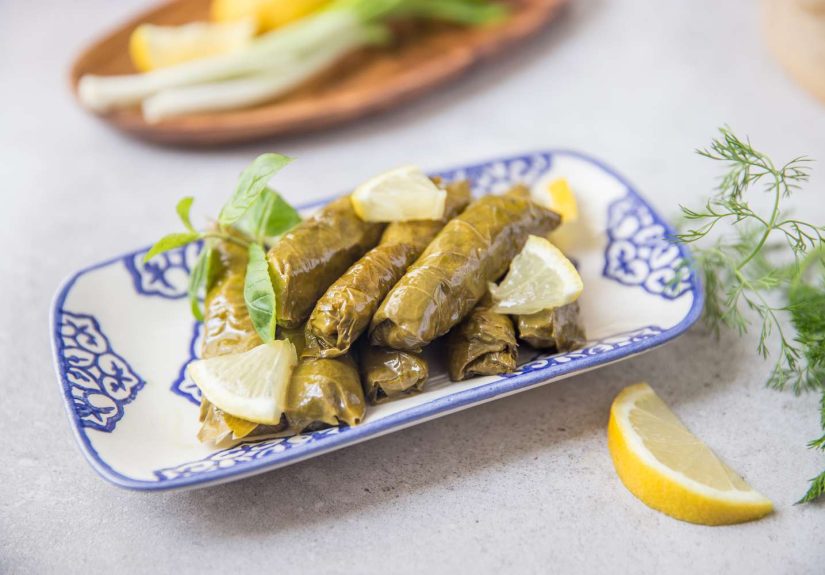
Stuffed grape leaves are the ultimate “tiny present” food. Each one is a little gift-wrapped bundle of lemony rice,
fresh herbs, and olive oilbasically the Mediterranean’s way of saying, “I love you… and I have the patience of a saint.”
In Greek, you’ll often hear dolmathakia (little dolmas) for the smaller, rice-and-herb versions, while dolmades
can be used more broadly for stuffed grape leaves (sometimes with meat, sometimes without). Either way: if you put a platter
of these on the table, people suddenly forget how to act.
This recipe leans classic Greek-style: tender grape leaves wrapped around a bright filling of rice, onion, dill, mint,
parsley, and lemon. It’s vegetarian, mezze-friendly, and the leftovers are dangerously snackable straight from the fridge.
(Yes, “just one more” is a lie we tell ourselves.)
Why This Dolmathakia Recipe Works
- Balanced flavor: lemon + herbs + olive oil means “fresh” instead of heavy.
- Smart texture: partially cooking the rice before rolling prevents crunchy centers.
- Better rolling: you’ll learn a simple, repeatable technique so the bundles stay neat (and don’t explode like tiny leaf burritos).
- Meal-prep magic: they hold well in the fridge and freeze beautifully.
Ingredients
For the grape leaves
- 1 jar (about 16 oz) grape leaves in brine, or about 50–60 leaves
- 1–2 lemons (you’ll use the juice and a few slices)
For the filling
- 1 1/2 cups long-grain rice (or medium-grain), rinsed until the water runs mostly clear
- 1 large yellow onion, very finely chopped
- 1/2 cup chopped fresh dill (pack it lightly; we’re not building a dill snowman)
- 1/3 cup chopped fresh mint
- 1/2 cup chopped fresh parsley
- 1/3 cup extra-virgin olive oil (plus more for the pot)
- 2–3 tablespoons lemon juice (more to taste)
- 1 teaspoon kosher salt (start here; brined leaves add saltiness)
- 1/2 teaspoon black pepper
- Optional but highly recommended: 1/4 cup pine nuts
- Optional “sweet-savory wink”: 2–3 tablespoons currants or golden raisins
For simmering
- 2–2 1/2 cups warm water or vegetable broth
- 2 tablespoons olive oil
- 1–2 tablespoons lemon juice (plus extra wedges for serving)
- Lemon slices (a few)
Equipment You’ll Want
- Large bowl for the filling
- Medium saucepan (for par-cooking rice)
- Wide pot or Dutch oven with a lid
- A heatproof plate (to keep rolls submerged while simmering)
- Cutting board + sharp knife
Step-by-Step: How to Make Dolmathakia
1) Prep the grape leaves (do this first so you don’t forget and then panic)
Remove leaves from the jar and gently separate them. Rinse well under cool water to wash off brine, then soak them in warm
water for 10–15 minutes if they seem very salty. Drain and pat dry. Trim any tough stems.
Leaf orientation tip: Lay each leaf with the veins facing up (dull side up). That way, when you roll, the shiny side ends up outside,
making the final dolmathakia look smoother and tighter.
2) Par-cook the rice (so your filling doesn’t stay crunchy forever)
- Bring a pot of water to a boil. Add the rinsed rice and cook for 6 minutes.
- Drain well and let it cool for a few minutes (warm is fine; steaming-hot is not).
Why par-cook? Rice expands as it cooks. If you roll with totally raw rice and pack too tightly, the little bundles can split.
Par-cooking makes the final texture more predictable and tender.
3) Mix the filling
In a large bowl, combine par-cooked rice, onion, dill, mint, parsley, olive oil, lemon juice, salt, pepper, and any optional
add-ins (pine nuts/currants). Mix well.
Taste test the smart way: The filling contains rice, so tasting it raw is not the move. Instead, microwave 1 tablespoon of filling
with 1 tablespoon of water for about 30–45 seconds. Taste. Adjust salt, lemon, or herbs.
4) Roll like a calm person (even if you’re not one)
- Lay a grape leaf on a board, veins up, stem end toward you.
- Place about 1 tablespoon filling near the stem end (use a bit less for small leaves).
- Fold the bottom up over the filling, then fold in both sides.
- Roll upward into a snug little cigartight, but not “compression-socks” tight.
Don’t overstuff. Rice needs room to expand. Think “lightly filled burrito,” not “suitcase before a trip.”
5) Line the pot and pack the rolls
Add a drizzle of olive oil to the bottom of your pot. Line it with a few torn grape leaves (or the leaves that look like they lost a fight).
Add a couple lemon slices.
Arrange dolmathakia seam-side down in tight concentric circles. Packing them snugly helps them keep their shape while cooking.
Create a second layer if neededjust keep it tidy.
6) Simmer gently (this is not a “rolling boil” situation)
- Whisk warm water or broth with olive oil and lemon juice. Pour into the pot until liquid comes up just below the top layer of rolls.
- Place a heatproof plate directly on top of the rolls to keep them submerged.
- Cover and bring to a gentle simmer. Cook on low for 45–55 minutes.
- Turn off heat and let them rest, covered, for 15 minutes (they finish steaming and firm up).
How to Serve Stuffed Grape Leaves
Classic dolmathakia are often served cool or at room temperature, which makes them ideal for parties, picnics, and “I forgot I invited people”
emergencies. Plate them with lemon wedges and one (or more) of these:
- Greek yogurt with a drizzle of olive oil
- Tzatziki
- Hummus or a lemony tahini sauce
- A simple Greek salad, olives, and feta
Optional: Avgolemono-Style Lemon Sauce (For Warm Dolmathakia)
If you want a cozy, glossy sauce, you can make a quick avgolemono-inspired finish. It’s basically lemon, egg, and hot broth
working together like a culinary group project that actually succeeds.
- Whisk 2 eggs in a bowl until smooth, then whisk in 3 tablespoons lemon juice.
- Slowly whisk in 1/2–3/4 cup hot cooking liquid from the pot (a little at a time) to temper the eggs.
- Pour the mixture back into a small saucepan and warm gently over low heat, stirring, until slightly thickened. Do not boil.
Spoon over warm dolmathakia and prepare for compliments you absolutely deserve.
Variations (Because Stuffing Things Is a World Sport)
1) Meat dolmades
Add 8–12 oz ground lamb or beef to the filling and slightly reduce the olive oil. Increase simmering time by ~10 minutes if needed.
Meat versions are often served warm (and they’re fantastic with lemon sauce).
2) Sweet-savory mezze style
Add pine nuts and currants/raisins for that subtle, old-school mezze vibefragrant, a little sweet, very “I planned this on purpose.”
3) Grain swap
Use bulgur in place of some of the rice for a different bite. Keep in mind bulgur cooks faster, so reduce simmer time slightly.
Troubleshooting: Common Dolmathakia Problems (and Fixes)
- Too salty: Brined leaves vary wildly. Soak leaves longer next time. For this batch, serve with plain yogurt and extra lemon to balance.
- Rolls unraveling: Pack seam-side down and tightly in the pot; don’t skip the plate-on-top trick.
- Rice undercooked: Add a splash more hot liquid and simmer another 10–15 minutes. Low and slow wins here.
- Leaf tears: Patch with a small piece of leaf (like edible duct tape) and keep rolling. Once cooked, nobody will know.
- Flavor feels flat: Add more lemon juice, a pinch more salt, and a fresh handful of herbs when serving (dill and mint wake everything up).
Storage, Make-Ahead, and Freezing
- Refrigerator: Store in an airtight container with a drizzle of olive oil. Keeps well for up to 5 days.
- Freezer: Freeze cooked dolmathakia in a single layer, then transfer to a container. Best within 3 months.
- To reheat: Thaw overnight and warm gently with a splash of water/broth, or enjoy cold (honestly, cold is a whole mood).
of Real-Life Dolmathakia “Experience” (a.k.a. What Actually Happens in Kitchens)
The first time most people make stuffed grape leaves, they discover two truths: (1) rolling takes longer than your optimism predicted,
and (2) the payoff is wildly worth it. There’s a particular momentusually around roll number twelvewhen you stop staring at the leaf
like it’s a complicated piece of paperwork and start moving on autopilot. Suddenly you’re folding, tucking, rolling, and thinking,
“Wait… am I good at this now?” Yes. Yes, you are.
Then comes the “leaf personality” phase. Some leaves are cooperative: big, pliable, no holes, ready to be your best friend.
Others are small, torn, or shaped like they were designed by a committee. This is normal. Experienced home cooks keep a small pile
of “helper leaves” for patching, lining the pot, and saving the day. If a leaf tears mid-roll, it’s not a disasterit’s a chance
to practice edible problem-solving. Patch it with a scrap, roll seam-side down, and let the pot do the rest.
One of the biggest beginner upgrades is learning how much filling to use. The instinct is to overstuff because the mixture smells
amazing and you want more of it in every bite. But rice expands, and grape leaves are not stretchy yoga pants. A tablespoon is usually
perfect for medium leaves; smaller leaves get less. When in doubt, underfill slightly. The final dolmathakia will be tighter, neater,
and far less likely to burst open like a tiny, herby confetti cannon.
The second major upgrade is embracing the “snug pot” philosophy. Stuffed grape leaves behave best when packed tightly and gently simmered.
A loose pot means floating rolls, shifting seams, and that one dramatic dolmathakia that unravels just to make a point. Packing them in
snug rings (and placing a plate on top) feels fussy until you see how beautifully they cooktender leaves, evenly cooked rice, and a platter
that looks like you bought it from a charming little deli where everyone calls you “my friend.”
Finally, there’s the flavor curve. Freshly cooked dolmathakia are good, but after a night in the fridge? They’re great. The lemon and herbs
mellow, the olive oil rounds everything out, and the whole bundle tastes more “together,” like it had time to think about its life choices.
This is why many people make them a day ahead for partiesless stress, better flavor, and you get to casually announce, “Oh, those? I made them
yesterday,” like you’re not secretly proud of rolling fifty tiny masterpieces.
Conclusion
Stuffed grape leaves (dolmathakia) are a true labor of lovebright, herby, lemony, and endlessly snackable. Once you learn the rolling rhythm,
the process becomes relaxing in a weirdly satisfying way (like bubble wrap, but edible). Make a big batch, stash them in the fridge, and enjoy
mezze-night whenever you feel like itno reservation required.







 Close
Close