
Table of Contents >> Show >> Hide
- Quick Specs: The Numbers You Actually Need
- What “Ash Veneer” Really Means (And Why It’s Not a Dirty Word)
- Design Intent: Why This Table Is Long, Slim, and Weirdly Brilliant
- Styling Without Overdoing It: Simple Setups That Look Intentional
- Care and Maintenance: Keep That Lacquered Ash Looking Fresh
- How Durable Is It, Really?
- Buying One Today: What to Check Secondhand
- Smart Pairings: Rugs, Sofas, and Height Harmony
- Alternatives If You Love the Look but Can’t Find the Table
- FAQ
- Real-World Experiences: What It’s Like to Live With This Table (500+ Words)
- Conclusion
Some coffee tables are basically a tiny stage for your decorative bowl of “I swear I read books.”
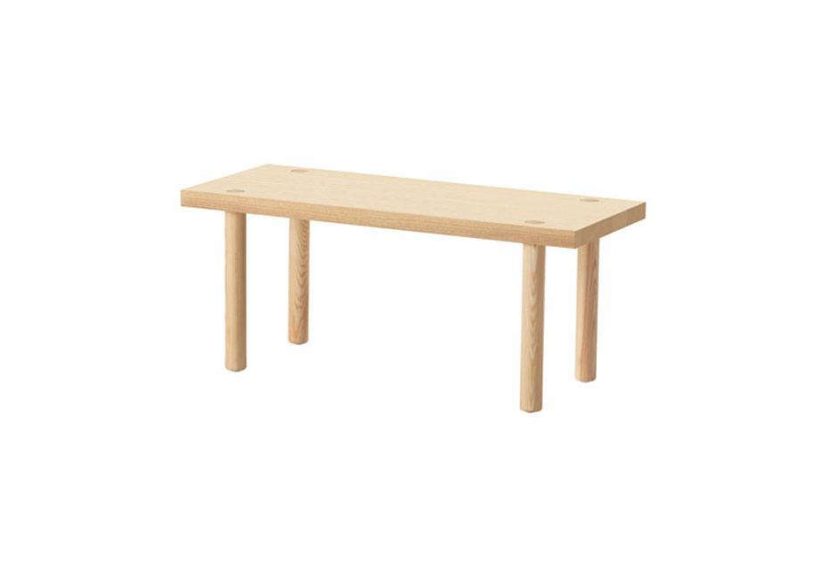
The Stockholm 2017 coffee table in ash veneer is the opposite: it’s the practical, slim, calm
Scandinavian friend who shows up with a tote bag, a plan, and exactly enough space for everyone’s drink.
Long and narrow, it was designed to play nicely with the deep seating in IKEA’s STOCKHOLM 2017 line
but it also moonlights as a sideboard-behind-the-sofa, an along-the-wall perch, or the “why didn’t I buy this sooner”
landing strip for remotes, snacks, and whatever hobby you’re pretending is temporary.
This guide breaks down what makes the table special (and what makes it a little picky), how ash veneer behaves in real homes,
how to style it without turning your living room into a showroom diorama, and what to look for if you’re buying one secondhand.
Expect specifics, a few gentle jokes, and zero pressure to become a person who owns a matching set of anything.
Quick Specs: The Numbers You Actually Need
Let’s start with the details you’ll use while measuring your space, your rug, and your patience.
The Stockholm 2017 coffee table is deliberately slimmore “shared runway” than “big rectangle.”
- Length: 39 3/8 in (about 100 cm)
- Width: 16 1/8 in (about 41 cm)
- Height: 16 7/8 in (about 43 cm)
- Max load (tabletop): 22 lb (about 10 kg)
- Designer: Ola Wihlborg
- Finish: Protective lacquer over ash veneer; solid-wood legs in ash
Two takeaways jump out: (1) it’s narrow enough to fit where chunky tables can’t, and (2) the max load is modest.
Translation: it’s a table for daily living, not a bench, not a trampoline, and definitely not a place to
temporarily “just sit for a second” while tying your shoes (we’ve all tried it).
What “Ash Veneer” Really Means (And Why It’s Not a Dirty Word)
“Veneer” has a reputation problem. People hear the word and picture peeling corners and sad particleboard confetti.
In reality, wood veneer is real wooda thin slice applied to a stable coreused in furniture-making because it
can look gorgeous, stay more dimensionally stable, and use less of a slow-growing resource.
It’s also how you can get that consistent, modern surface without the warping drama that can happen with wide solid-wood slabs.
Why ash, specifically, is a smart choice
Ash is a hardwood with a light-to-medium tone and an open grain that reads “warm” instead of “yellow.”
In design terms, ash is like the friend who matches every outfit: it plays well with white walls, bold art,
black metal, rattan, boucle, leather, and the inevitable basket of throws that multiplies overnight.
The Stockholm 2017 table leans into that natural personality by pairing an ash veneer top with solid ash legs,
then sealing the surface with a protective lacquer. You still get visible grain variation (the good kind),
but with a finish that’s meant to handle everyday usecups, plates, quick wipes, and the occasional “oops.”
Veneer vs. solid wood: the honest comparison
- Veneer strengths: stable surface, consistent look, efficient use of wood, often more affordable.
- Veneer tradeoffs: deep scratches can be harder to repair invisibly; edges matter (chips show faster).
- Solid wood strengths: can be refinished more aggressively; dents/scratches may be sanded out.
- Solid wood tradeoffs: wide boards can move seasonally; heavier; often pricier.
If you treat veneer like it’s made of paper, it will eventually act offended. If you treat it like real wood with a finish
which is what it isit can look great for years.
Design Intent: Why This Table Is Long, Slim, and Weirdly Brilliant
The Stockholm 2017 coffee table was built around a simple social truth: people on a sofa want somewhere to set things.
A long, slim tabletop creates multiple “parking spots” without hogging the entire living room footprint.
It’s the difference between “everyone has a place for a drink” and “we’re balancing mugs on our knees like it’s a campfire story.”
Where it works best
- In front of deep sofas or sectionals: the slim profile keeps legroom open.
- Behind a sofa: acts like a low console for remotes, books, and a lamp with reasonable ambitions.
- Along a wall: works as a minimalist display surface without screaming “I am a sideboard.”
- Small apartments: it reads lighter visually than a big blocky table.
Room-planning example: the “tight living room” layout
Imagine a 9-by-12 living room where a standard 40-by-24 coffee table makes every walk-through feel like an obstacle course.
This table’s narrower width can give you an extra 6–10 inches of clearance, which is the difference between
“gracefully passing” and “hip-checking your furniture like you’re training for a very niche sport.”
Styling Without Overdoing It: Simple Setups That Look Intentional
Because the Stockholm 2017 coffee table is long and narrow, styling is less about piling on décor and more about
creating a few intentional zones. Think: “useful, then pretty,” not the other way around.
Three easy styling formulas
-
The everyday tray: Place a tray on one end for coasters + a small dish (keys, matchbooks, tiny treasures).
Leave the rest open for real life. -
The book + bowl combo: Stack 1–2 coffee table books (yes, ironically) and top with a shallow bowl.
Keep it low so the table still feels airy. -
The “soften the lines” trick: Add a small round objectcandle, ceramic vase, or a plant pot
to balance the table’s long rectangle shape.
Pairing with materials and colors
Ash veneer is friendly. It looks great with matte black accents, brushed brass, creamy textiles, and natural fibers
like linen and jute. If your space leans modern, try black metal or smoked glass nearby.
If your space leans cozy, warm it up with textured throws, woven baskets, and soft lighting.
Care and Maintenance: Keep That Lacquered Ash Looking Fresh
The good news: a lacquered veneer surface is meant to be user-friendly. The better news: most “damage” is preventable
with a few small habits that don’t require becoming a cleaning influencer.
Daily and weekly care
- Dust regularly: use a soft microfiber cloth so grit doesn’t turn into micro-sandpaper.
- Wipe spills quickly: a slightly damp cloth is usually enough; follow with a dry cloth.
- Use coasters: not because you’re fancy, but because water rings are annoying.
What to avoid on a lacquered veneer surface
- Abrasives: scouring pads, gritty cleaners, and anything “scrubby” is a hard no.
- Harsh chemicals: strong solvents, undiluted vinegar, and aggressive degreasers can dull finishes.
- Heat: hot mugs and pans can leave marksuse trivets or a tray as a heat buffer.
- Standing water: veneer edges don’t love prolonged moisture (nobody does).
Dealing with the usual mishaps
Light scuffs: often buff out with a soft cloth and a gentle cleaner meant for finished wood.
Water rings: try the mildest approach firstclean, dry, then reassess in daylight.
If the mark persists, look for methods recommended by reputable cleaning sources and always test in an inconspicuous area.
Edge chips: these are the veneer’s weak spot. Small touch-up markers can visually reduce contrast, but
perfection may require a professional repair.
How Durable Is It, Really?
Durability has two parts: the material itself and how people treat it. Ash as a hardwood can take daily use well,
and the lacquered finish adds a protective layer. But the table’s max load rating is a clue:
it’s engineered for typical coffee table tasksdrinks, plates, books, décornot heavy, concentrated weight.
If you have kids, pets, or a tendency to “temporarily” store gym weights in the living room, you’ll want to protect the surface.
Use a tray for heavy items, keep claws trimmed, and consider felt pads under anything that gets dragged (looking at you, ceramic planters).
Buying One Today: What to Check Secondhand
The Stockholm 2017 coffee table was released as part of a limited-time collection, so you’ll most often find it
via resale platforms, vintage IKEA groups, or local marketplaces. That can be greatsometimes you score it for less than
the original retail price, sometimes “vintage” means “I know what I have,” and the listing reads like a Sotheby’s catalog.
Secondhand inspection checklist
- Veneer edges: look closely along corners and seams for chips, lifting, or swelling.
- Top surface: check for deep scratches that cut through the finish (these are hardest to disguise).
- Wobble test: gently rock the table; loose fasteners are fixable, warped parts are not.
- Finish wear: dull patches may just need cleaning, but cloudy spots can indicate moisture exposure.
- Smell check: strong musty odors can be a sign of long-term storage in damp conditions.
Pro tip: bring a small flashlight when you pick it up. Overhead lighting is flattering; flashlights are honest.
Also, ask if the seller has the original hardware. If not, don’t panicjust confirm the table is stable and complete.
Smart Pairings: Rugs, Sofas, and Height Harmony
This table is around 16 7/8 inches tall, which typically works well with many sofas where the seat height is in the
17–19 inch range. The goal is simple: you want to reach your coffee without doing a full Pilates roll-down.
Rug sizing tips
Because the table is narrow, it looks best when the rug is sized to anchor the seating area, not just the table.
A common rule of thumb: front legs of sofas/chairs on the rug, with enough rug showing beyond the table to feel balanced.
The table should look like it belongs in the room, not like it landed there during a moving-day misunderstanding.
Alternatives If You Love the Look but Can’t Find the Table
If you’re after the same “Scandinavian luxury, but make it approachable” vibe, consider similar long-profile tables:
other STOCKHOLM coffee tables (in different veneers), narrow console tables, or even a slim bench designed for living spaces.
The key characteristics to keep: narrow depth, warm wood tone, and a clean silhouette.
What to match (and what you can ignore)
- Match: narrow width, wood grain presence, simple legs, durable finish.
- Ignore: exact shade of ash (your room lighting will change it anyway).
- Prioritize: stability, load needs, and how you actually live (snacks included).
FAQ
Is ash veneer “real wood”?
Yes. Veneer is a thin layer of real wood applied to a core. You still see genuine grainjust with a construction
that’s often more stable for flat surfaces.
Will the finish scratch easily?
Any finished wood surface can scratch if you drag gritty objects across it. The lacquer helps, but coasters, trays,
and felt pads will keep it looking better longerespecially if you’re the type to slide things instead of lift them.
Can I refinish it?
Because it’s a veneered surface, aggressive sanding is riskyyou can sand through the veneer. Light touch-ups are safer.
For major damage, a professional furniture repair is your best bet.
Is it good for small spaces?
That’s one of its best uses. The narrow profile creates breathing room, and the long shape still gives multiple people
a place to set things down.
Real-World Experiences: What It’s Like to Live With This Table (500+ Words)
In real homes, the Stockholm 2017 coffee table tends to earn affection quicklymostly because it solves everyday problems
without demanding attention. Owners often describe the first week as a small lifestyle upgrade: suddenly everyone has a spot
for a drink, a phone, or a snack, and the sofa stops functioning like a multipurpose shelf. The table’s long, slim footprint
also changes traffic flow in a subtle way. In rooms where a standard coffee table forces you into a sideways shuffle,
this one makes walking past the seating area feel normal again. That sounds minor until you stop bumping your knees twelve times a day.
People who entertain (even casually) tend to appreciate how “shareable” the surface feels. Instead of one central pile of
plates and glasses, you can spread items outchips on one end, drinks on the other, and the middle reserved for the sacred remote.
In households with kids or pets, the experience can be a mix of delight and boundary-setting. The table’s finish is forgiving
for routine wipe-downs, but the narrow width encourages you to keep heavier items corralled in a tray, especially if someone is
prone to running toy cars across the grain like it’s a racetrack.
One common long-term observation: this table quietly teaches minimalism. Not in an “I sold all my possessions” way,
but in a “there’s only so much space, so maybe we don’t need five candles plus a sculpture plus three stacks of magazines”
way. Many people end up styling it with one anchor item (a tray or a low bowl) and leaving the rest open. That open space is
what keeps the table feeling airyand it’s also what makes it useful. If you’re a “projects on the coffee table” person,
you may find yourself rotating items: a puzzle for a few days, then back to everyday living.
For buyers who find it secondhand, the experience often includes a tiny thrill of the hunt. The Stockholm 2017 line has a
“collectible IKEA” reputation, so there’s a special satisfaction in scoring a piece that looks more expensive than it cost
(or at least looks more expensive than the negotiation felt). That said, secondhand owners frequently mention two lessons:
check the edges before you buy, and tighten the hardware after a week or two of use. A table can feel wobbly simply because
it needs a quick retighten, and once it’s snug, it’s typically stable for everyday tasks.
The most consistent “happy surprise” is how versatile the placement is. Some people buy it as a coffee table and later move
it behind the sofa as a low console. Others start with it along a wall and then realize it’s perfect beside a sectional.
The slim profile makes it easy to relocate when you’re rearranging furniture (or when you’re deep-cleaning and suddenly
inspired to “fix the whole room”). In short: it’s one of those pieces that doesn’t just sit there looking niceit adapts,
provided you treat the top like finished wood and not like a workbench.
Conclusion
The Stockholm 2017 coffee table in ash veneer nails a rare combination: warm, modern design that’s also genuinely useful.
Its long, slim shape makes living rooms feel more spacious while giving everyone on the sofa a practical place to set things down.
Ash veneer delivers real wood character with a stable surface, and the protective lacquer finish keeps maintenance simpleas long as you
stick to gentle cleaning, avoid harsh chemicals, and protect it from heat and standing moisture.
If you can find one (especially in good condition), it’s a strong choice for small spaces, deep sofas, and anyone who wants a coffee table
that supports real liferemotes, snacks, and allwithout taking over the room. Think of it as Scandinavian design with a job description.







 Close
Close