
Table of Contents >> Show >> Hide
- Quick Snapshot: What You’re Actually Buying
- The Design Story: Why It’s Called “Spine”
- Materials & Build: Where the Money Goes
- Bar Height vs Counter Height: Don’t Guess, Measure
- Comfort & Ergonomics: Why the Spine Feels Different
- Style & Pairing Ideas: Making It Look Intentional
- Care & Longevity: Keeping It Beautiful Without Becoming a Furniture Butler
- Buying Guide: What to Check Before You Click “Add to Cart”
- Is It Worth It?
- Real-World Experiences With the Space Copenhagen Spine Bar Stool (Bonus)
- Conclusion
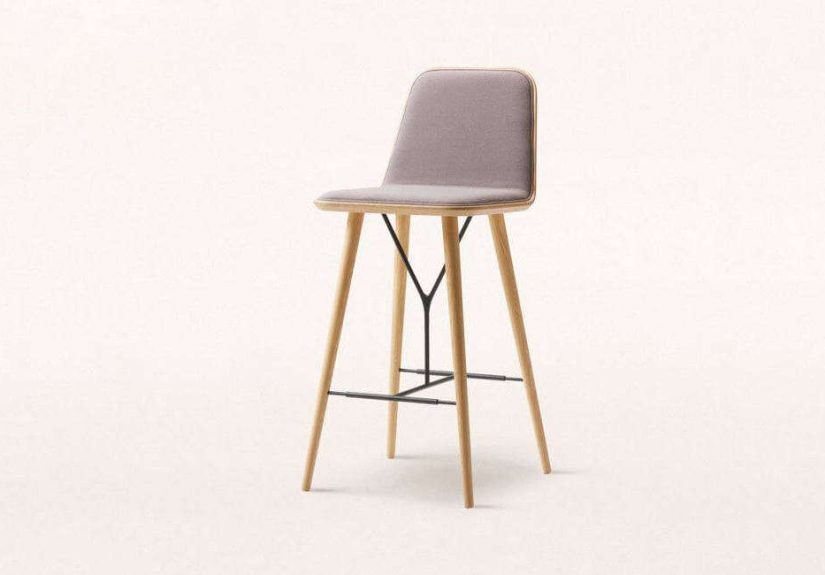
If bar stools had résumés, the Space Copenhagen Spine Bar Stool would list “quietly stealing the show”
as a core competency. Designed by the Danish studio Space Copenhagen for Fredericia, the Spine reads like Scandinavian
minimalismuntil you notice the twist: bold lines, a graphic “spine” element, and a seat that’s shaped to feel more like
a proper dining chair than a “sit here for 90 seconds while I find the lime” perch.
This is the kind of stool you buy when you’re tired of choosing between pretty and comfortable.
It’s built for real life: breakfast at the island, late-night conversations, and that one friend who always “just stays
for one more drink” (and then takes over your kitchen like it’s their podcast studio).
Quick Snapshot: What You’re Actually Buying
The Spine line includes versions with and without a back, plus multiple bases and upholstery options. In the U.S. market,
you’ll commonly see the wood-base bar/counter model with a supportive backrest and an upholstered seat/back shell.
Retailers typically offer counter height and bar height configurations, with a wide
selection of wood finishes and fabric/leather upholstery.
- Best for: kitchen islands, home bars, open-plan dining, hospitality-style “hangout” kitchens
- Look: clean Scandinavian lines with a slightly bolder, architectural attitude
- Feel: more “dining chair comfort” than “barstool endurance test”
- Customization: wood finish + upholstery choices can swing it from warm and cozy to sleek and dramatic
The Design Story: Why It’s Called “Spine”
The Spine series is known for its dynamic silhouettestrong lines balanced with softer curvesplus details that feel
just a bit unexpected for something that’s so outwardly restrained. The design intent is refreshingly practical:
create a stool that keeps the openness and sociability of bar seating, but adds the comfort and support you’d expect
from a fine dining chair.
In other words: it’s meant to be a “sit-and-stay” stool, not a “sit-and-regret” stool. And that design goal shows up
in the proportions, the supportive seat/back form, and the way the footrest/spine element stabilizes the whole profile.
Materials & Build: Where the Money Goes
Design-forward stools can be deceptively simple. The Spine looks calm, but it’s doing a lot:
a carefully shaped seat shell, a sturdy base, and a balanced posture so it doesn’t feel tippy when you hop up and down
during a hectic morning.
Typical wood-base construction
- Legs: solid wood (often oak) for strength and visual warmth
- Stretcher/“spine” detail: a metal element that adds both structure and graphic contrast
- Seat shell: layered wood construction (commonly plywood with a veneer finish)
- Upholstery: foam padding with fabric or leather; piping/edge finishing varies by configuration
- Two standard heights: counter and bar versions are widely offered through U.S. retailers
Here’s the practical takeaway: this stool is engineered like furniture that expects to be used every day. The materials
mixwood + upholstery + metalmeans you get warmth and comfort, but also stability and longevity. It’s not a “delicate
sculpture” stool; it’s a “yes, people can actually sit here for dinner” stool.
Bar Height vs Counter Height: Don’t Guess, Measure
Most bar-stool regret is not aesthetic. It’s math. Painful, avoidable math.
The Spine is typically available in both heights, so your job is simply choosing the right one for your surface.
Common rule of thumb
- Counter-height stools: usually pair with ~36-inch counters (seat heights often in the mid-20s inches)
- Bar-height stools: usually pair with ~40–42-inch bars (seat heights often high-20s to low-30s inches)
Aim for about 10–12 inches between the top of the seat and the underside of the counter/bar surface.
Less than that and you’ll feel like you’re eating with your shoulders; more than that and your plate is basically a
coffee table away.
Spacing tips that save friendships
- Allow breathing room: plan roughly 24–30 inches of counter length per stool so elbows don’t become weapons.
- Consider “tuckability”: if you want stools to slide fully under the counter, choose dimensions and back height accordingly.
- Footrest matters: a good footrest turns “dangling legs” into “comfortable lingering.”
Comfort & Ergonomics: Why the Spine Feels Different
Many bar stools look great in photos and feel like punishment in person. The Spine’s big promise is comfortspecifically,
the comfort of a dining chair, translated into a taller, more social seating posture.
What contributes to comfort
- Supportive upholstery: foam padding adds forgiveness without turning the seat into a mattress
- Backrest option: the “with back” versions are built for longer sits (meals, work-at-the-island days, lingering conversation)
- Balanced geometry: the stool feels stable, not perched or precarious
- Footrest placement: your legs have somewhere natural to land, which reduces pressure on your lower back
If you’re deciding between backless and with-back versions, think in “time spent.” Backless is great for quick perching
and tight spaces. With-back is for people who actually use their stools like real seatingbecause they do.
Style & Pairing Ideas: Making It Look Intentional
The Spine is a chameleon. It can look soft and residential or crisp and gallery-like depending on your finish and upholstery.
Here are a few combinations that tend to work especially well:
Warm modern kitchen
- Natural/lacquered oak base
- Mid-tone leather (cognac, saddle, dark brown) or textured neutral fabric
- Pairs beautifully with white oak cabinetry, creamy stone counters, and warm metals
Minimal, graphic, high-contrast look
- Black-lacquered wood base
- Black leather or a deep charcoal textile
- Works with marble, black hardware, and modern pendant lighting
Hospitality vibe at home
- Smoked/darker wood tones
- Performance fabric for durability
- Add a small bar shelf and suddenly your kitchen is “the good lounge”
The trick is to repeat one element elsewhere: match the stool’s wood tone to a cutting board collection, open shelving,
or a dining table; echo the upholstery color in a rug or artwork. Do that, and the whole room looks “designed,” even if
your pantry still looks like it was organized by raccoons.
Care & Longevity: Keeping It Beautiful Without Becoming a Furniture Butler
A premium stool should age wellideally with you, not against you. The care routine depends mostly on upholstery choice:
leather is forgiving and wipeable; fabric can be cozy but needs more thought if you live with kids, pets, or frequent spaghetti nights.
Easy maintenance habits
- Use felt glides: helps protect floors and makes daily movement quieter
- Wipe spills promptly: especially on leather and light fabrics (future-you will be grateful)
- Rotate seating: if you have a “favorite stool,” rotate occasionally so wear stays even
- Mind the footrest: shoes can scuffquick wipes keep metal looking crisp
Many Spine configurations are offered with different upholstery grades and finishes, and some product documentation
highlights long-term intent and warranties/guarantees for standard products. When ordering in the U.S., verify the exact
warranty terms and lead times with the retailer you choose.
Buying Guide: What to Check Before You Click “Add to Cart”
1) Confirm the height (seriously)
Measure from floor to the underside of your counter/bar and choose the height that leaves comfortable clearance.
If you’re between sizes, prioritize legroom.
2) Choose upholstery like a realist
- If you want low stress: darker leather or durable performance fabric
- If you want maximum coziness: textured wool blends or thicker weaves (but accept you’ll clean more)
- If sunlight hits your island: ask about fade resistance and consider darker or more forgiving tones
3) Expect lead times
Many Spine stools are made-to-order with a selection of finishes and upholstery groups, so lead times can be longer than
“two-day shipping.” Plan ahead if you’re furnishing for a move, renovation, or a “we host Thanksgiving now” identity shift.
4) Check dimensions and weight
Premium stools can be heavier (in a good way). That weight often translates to stability, but make sure you’re comfortable
moving them day to dayespecially if kids like to treat bar stools as race cars.
Is It Worth It?
The Spine Bar Stool sits in the “investment piece” tier. You’re paying for design pedigree, materials, and build quality,
plus the comfort that makes it usable for more than quick snacks. If your stools are used dailyand especially if your
kitchen island is the social center of your homethe value shows up in the only metric that really matters:
people actually want to sit there.
If you’re furnishing a rarely used bar area, you might not need this level of stool. But if your kitchen is where life
happens (meals, homework, work calls, late-night talks), a comfortable, stable stool becomes an everyday luxury that
quietly earns its keep.
Real-World Experiences With the Space Copenhagen Spine Bar Stool (Bonus)
Let’s talk about what it’s like to live with the Spine in an actual homewhere crumbs exist, shoes happen, and nobody
“sits perfectly centered” like they do in catalog photos.
The first thing you notice is how natural it feels to sit on. A lot of bar stools have that “perch” sensation:
you hover, your feet search for a footrest, and your posture becomes a question mark. The Spine is closer to a dining chair
experienceupright enough for eating, relaxed enough for lingering. That matters if you’re the kind of household that
turns “quick breakfast” into “why are we having a deep conversation at 7:12 a.m.?”
In day-to-day use, the with-back version becomes the default seat. It’s the one you choose when you’re having coffee,
when you’re chopping vegetables, and when you’re answering emails at the island because somehow the kitchen became your
unofficial office. (The living room is offended, but it’ll recover.)
Hosting is where the Spine really shows its personality. Guests gravitate toward stools that feel secure and comfortable,
and the Spine has that “I can stay here” energy. It also photographs wellyes, that mattersbecause the lines are clean,
the proportions are balanced, and it doesn’t visually clutter the room. If you’ve ever taken a picture of your kitchen
and thought, “Why do my stools look like an afterthought?” the Spine is the opposite of that.
Upholstery choice changes your lived experience dramatically. Leather is the easiest “real life” option: wipe, done.
Fabric can feel softer and warmerespecially in cooler climatesbut you’ll want to treat it like a nice jacket:
don’t spill curry on it and then walk away like nothing happened. If you have kids or pets, a textured, mid-tone fabric
can be the sweet spot: cozy, but forgiving.
Another real-world perk is stability. Heavier, well-built stools don’t scoot around as much, and they don’t feel flimsy
when someone shifts their weight. That’s not just comfort; it’s confidence. (And confidence is what keeps your guests from
doing that awkward half-squat they do when they’re not sure a stool is trustworthy.)
Finally, there’s the long-term satisfaction factor. A lot of stools feel trendy for six months and then start to annoy you.
The Spine’s design is restrained enough to age well, but distinctive enough to stay interesting. It doesn’t scream for attention,
but it also doesn’t disappear into “generic bar stool land.” It’s the kind of piece you build a kitchen aroundor at least,
the kind of piece that makes your kitchen feel like it has its life together, even when you definitely do not.
Conclusion
The Space Copenhagen Spine Bar Stool is a rare mix of minimal, architectural style and genuine sit-down comfort.
With multiple heights, finishes, and upholstery options, it adapts to everything from warm family kitchens to sleek modern bars.
If your island is where people gather (and stay), the Spine turns that space into a true destinationone that looks polished,
feels comfortable, and holds up to real daily use.







 Close
Close