
Table of Contents >> Show >> Hide
- What Is Sleep Texting?
- Parasomnias 101: The “Mixed-State” Sleep Behaviors
- How Can Your Brain Text While You’re Asleep?
- Common Triggers and Risk Factors
- When Sleep Texting Is “Just Weird” vs. a Red Flag
- How Doctors Evaluate Sleep Texting
- What You Can Do Tonight: Practical Fixes That Actually Help
- Treatment Options When It Keeps Happening
- FAQ: The Questions People Secretly Google at 2 A.M.
- Real-World Experiences: What Sleep Texting Can Look Like (And Why It’s So Awkward)
- Conclusion: Keep Your Sleep Deep, Your Phone Far, and Your DMs Unsent
You go to bed like a responsible human. You wake up like a responsible human. Then you check your phone… and discover you sent your boss a message that reads:
“🦖 ok yes the spreadsheet is bananas.”
If that sounds familiar (or if you’ve been accused of it by someone holding screenshots), you may have run into sleep textinga weird, surprisingly common-sounding behavior that fits under the umbrella of
parasomnias. The good news: you’re not “going crazy,” and you’re not alone. The more important news: while it’s often harmless and kind of funny, it can sometimes point to sleep disruption you’ll want to fix.
Let’s break down what sleep texting is, why it happens, what can trigger it, how doctors evaluate it, and what you can do tonight to keep your phone from freelancing while you’re unconscious.
What Is Sleep Texting?
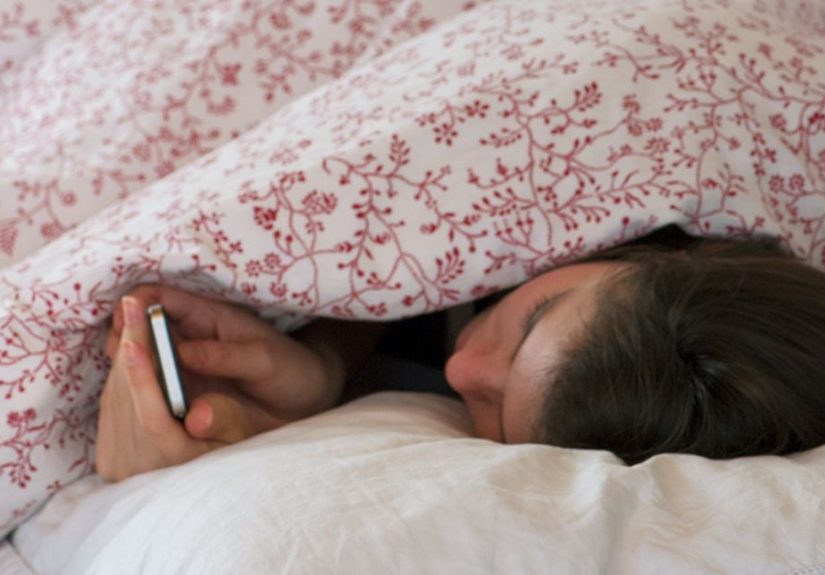
Sleep texting is when someone sends or replies to messages while they’re asleepor in a hazy in-between state where the brain is “offline” for judgment and memory, but “online” enough to perform learned behaviors.
People often wake up with little to no memory of the texting, and the messages may be confusing, misspelled, or totally nonsensical.
Here’s the key detail: sleep texting is not considered its own official diagnosis. It’s usually discussed as a modern twist on older parasomnia behaviors like sleep talking, confusional arousals, and sleepwalking.
In other words, your brain isn’t inventing a new disorderyour smartphone just gave an old sleep problem a new hobby.
Parasomnias 101: The “Mixed-State” Sleep Behaviors
Parasomnias are unusual behaviors or experiences that happen during sleep, while falling asleep, or while waking up. They’re often described as “mixed states,” where part of the brain is asleep and part is awake.
That can lead to actions that look purposefulwalking, talking, eating, even navigating a phonewithout full awareness.
Two big parasomnia neighborhoods: NREM vs. REM
-
NREM parasomnias (Disorders of arousal): These tend to arise from deep non-REM sleep, often in the first third of the night. Classic examples include
sleepwalking, sleep terrors, and confusional arousals. -
REM-related parasomnias: The most famous is REM sleep behavior disorder (RBD), where people may physically act out dreams. REM periods are longer later in the night, so these behaviors often show up
closer to morning.
Sleep texting is most often discussed alongside NREM disorders of arousal and confusional arousals, because it frequently seems to happen during partial awakenings with confusion and amnesia.
But sleep is complicated, and similar “automatic behaviors” can show up in different contextsespecially when sleep is fragmented.
How Can Your Brain Text While You’re Asleep?
It helps to think of the brain like a house at night. Most lights are off. But a few rooms are still litmaybe the hallway, maybe the kitchen.
In a parasomnia episode, the parts that handle habits and movement may be active, while the parts responsible for insight, decision-making, and memory are not fully online.
Why texting is oddly “doable” in a half-awake brain
- Texting is a learned routine: If you text daily, your brain can treat it like muscle memoryunlock, tap, swipe, replywithout much conscious effort.
- Phones are designed for speed: Face recognition, notifications, “reply” buttons, predictive text, and autocorrect can turn a half-asleep fumble into a sent message.
- Partial arousals can be convincing: During a confusional arousal, you may look awake, your eyes may be open, and you might even respondjust not coherently or safely.
Many sleep texters describe a pattern like this: they “wake up” briefly, see a notification, respond, and drift back into sleepexcept the waking part was more like a mirage.
The next morning, they’re reading their own messages like, “Who let me have a keyboard?”
Common Triggers and Risk Factors
Parasomnias often flare when sleep is unstable. The brain doesn’t smoothly glide through sleep stages; instead, it gets yanked around by disruptions. That’s prime territory for mixed-state behaviors like sleep texting.
Triggers that can make sleep texting more likely
- Sleep deprivation (too little sleep, late nights, all-nighters, shift changes)
- Stress and anxiety (your brain keeps one eye open, metaphorically speaking)
- Irregular sleep schedules (weekend “sleep-ins,” travel, jet lag)
- Alcohol (fragmented sleep + more arousals)
- Fever or illness (especially in kids and teens)
- Sleep disruptions from a noisy environment, pets, a snoring partner, or frequent nighttime notifications
Underlying sleep issues that can contribute
- Obstructive sleep apnea (OSA): Repeated breathing interruptions can cause frequent micro-awakeningsfertile ground for parasomnias.
- Restless legs syndrome or periodic limb movements: Sleep fragmentation can increase partial arousals.
- Other parasomnias: A history of sleepwalking, sleep talking, or night terrors can raise the odds.
Medications and substances: an important footnote
Some medicationsespecially certain sleep aids and sedativeshave been linked to complex sleep behaviors (like eating or other activities done without full awareness).
If sleep texting started soon after a new medication or a dose change, that’s worth discussing with a clinician.
When Sleep Texting Is “Just Weird” vs. a Red Flag
One accidental sleepy reply every few months might be mostly a nuisance. But patterns matter. Consider a closer look if:
- It happens often (weekly or more)
- It causes real-life fallout (relationship conflict, workplace issues, privacy concerns)
- You’re doing other complex behaviors (walking around, eating, leaving the house)
- There’s risk of injury (falls, bumping into furniture, “sleep driving” is an emergency-level red flag)
- You feel excessively sleepy during the day, snore loudly, or wake up gasping (possible sleep apnea)
Quick note on REM sleep behavior disorder (RBD)
If someone is physically acting out vivid dreamspunching, kicking, shouting, jumping from bedespecially in middle age or older, that pattern may fit RBD.
RBD is important because it can carry different health implications and may require a different evaluation and treatment plan.
How Doctors Evaluate Sleep Texting
Because sleep texting isn’t a standalone diagnosis, clinicians usually evaluate it the way they evaluate parasomnias in general: by looking for the pattern, the triggers, and the risks.
What a good workup often includes
- Sleep history: bedtime, wake time, naps, insomnia symptoms, shift work, stress, alcohol/caffeine use
- Episode details: time of night, frequency, what the behavior looks like, whether you’re confused or hard to awaken
- Medication review: prescription, over-the-counter, supplements, and timing
- Screening for sleep apnea: snoring, pauses in breathing, morning headaches, daytime sleepiness
- Collateral info: partner/family observations, screenshots, phone logs (yesyour phone may become a medical witness)
Do you need a sleep study?
Sometimes. If episodes are frequent, dangerous, or confusingor if there’s concern for sleep apnea, seizures, or REM sleep behavior disordera clinician may recommend an overnight sleep study
(often with video monitoring), called polysomnography.
What You Can Do Tonight: Practical Fixes That Actually Help
The goal isn’t to “win” against your sleeping brain. The goal is to reduce the triggers and put up guardrailskind of like childproofing, but for your midnight autopilot.
Phone-based guardrails
- Move your phone out of arm’s reach: across the room, inside a drawer, or (wild idea) outside the bedroom.
- Use Do Not Disturb or focus modes: silence notifications that provoke a half-awake response.
- Turn off “raise to wake” and lock-screen quick replies if you tend to respond without fully waking.
- Use a stronger unlock barrier at night: longer passcode, disable biometrics during sleep hours if possible.
- Charge your phone away from bed: bonus points for protecting your sleep from doomscrolling.
Sleep-stability guardrails
- Keep a consistent schedule (yes, even weekendsfuture-you will complain less).
- Prioritize enough sleep: sleep deprivation is parasomnia fuel.
- Reduce alcohol close to bedtime: it can fragment sleep and increase arousals.
- Build a wind-down routine: dim lights, calming music, stretching, reading (paper, not phone).
- Address stress: journaling, relaxation exercises, or therapy tools can reduce nighttime arousals.
If you live with someone who witnesses the episodes, ask them to prioritize safety: gently guide you back to bed, keep the environment hazard-free, and avoid startling you.
(A panicked shake-and-shout approach can make confusion worse.)
Treatment Options When It Keeps Happening
If sleep texting is frequent, distressing, or risky, treatment usually targets the underlying driversbecause the texting itself is often a symptom of disrupted sleep architecture.
Common medical approaches
- Treat sleep apnea if present (often reduces arousals and parasomnia episodes).
- Review medications with a clinician, especially if complex sleep behaviors began after a change.
- Manage insomnia with evidence-based approaches like CBT-I (cognitive behavioral therapy for insomnia).
- Address contributing conditions (restless legs, chronic pain, reflux, anxiety).
In certain parasomnia cases, clinicians may consider medication strategies, but that decision depends heavily on the type of parasomnia, age, health history, and risk level.
The best plan is personalizedand ideally guided by a sleep specialist.
FAQ: The Questions People Secretly Google at 2 A.M.
Is it dangerous to wake someone who’s sleep texting or sleepwalking?
The main goal is safety. If someone is in harm’s way, gentle waking or calm redirection may be appropriate. If they’re just typing nonsense in bed, the safest move may be to remove the phone
and let them settle. Avoid yelling or sudden shakingconfusional arousals can involve agitation.
Does sleep texting mean I have a serious disorder?
Not necessarily. But it does suggest your sleep is being interrupted enough to allow partial arousals. If it’s frequent, stressful, risky, or paired with other symptoms (like loud snoring or injuries),
it’s worth a professional evaluation.
Can I “train” myself out of it?
Often, yesat least partiallyby improving sleep consistency, reducing triggers, and changing the phone setup that makes texting too easy at night.
Think of it less like training and more like removing your sleeping brain’s access to a megaphone.
Real-World Experiences: What Sleep Texting Can Look Like (And Why It’s So Awkward)
Below are composite examples based on common reports from people who experience sleep texting and related parasomnias. They’re not meant to diagnose anyonejust to show how this can play out in real life.
Experience #1: The “Gibberish Poet.”
One person notices a pattern: the texts are always sent within the first couple hours after falling asleep. The messages read like a phone got possessed by autocorrectrandom emojis, half-words,
and a mysterious obsession with the letter “k.” The next morning, there’s no memory. It turns out the episodes spike during stressful weeks and after late-night caffeine. When they move the phone
to a dresser across the room and keep a steadier bedtime, the “gibberish poetry” drops dramatically.
Experience #2: The Over-Apologizer.
Another person sends heartfelt apology texts that make perfect emotional sense at 1:12 a.m. and absolutely zero sense at 8:05 a.m. (“I’m sorry about the thing. You know… the thing.”)
They wake up anxious, assuming they must have done something wrong. But the pattern lines up with confusional arousals: partial awakenings, foggy thinking, and memory gaps. Their fix isn’t
willpowerit’s sleep stability. Once they address chronic sleep restriction and get screened for snoring and breathing disruptions, the episodes ease.
Experience #3: The Accidental Group Chat Celebrity.
Someone falls asleep scrolling a group chat and later “replies” with a single, very confident “YES.” Unfortunately, the conversation was about weekend plans they can’t attend.
The next day becomes a comedy of damage control: “Sorry, my sleeping brain RSVP’d.” They set up a nighttime focus mode that silences non-emergency notifications and removes quick-reply buttons
from the lock screen. The group chat stops getting surprise cameos from the unconscious version of them.
Experience #4: The Sleepwalker’s Cousin.
Another person doesn’t just textthey sit up, reach for the phone, and even open apps, but they’re slow, clumsy, and confused if interrupted. A partner reports that their eyes are open,
but it’s like nobody’s home. Episodes happen more after alcohol or when they’re overtired. They also have a childhood history of sleepwalking. The solution becomes a layered approach:
consistent sleep schedule, reducing late-night alcohol, and creating a safer bedroom setup. The phone gets charged outside the bedroom. Sleep texting becomes rare instead of routine.
What these experiences tend to have in common:
- Timing: many episodes cluster earlier in the night (often pointing toward NREM-related arousals).
- Memory gaps: people genuinely don’t remember the texting (or remember a distorted version).
- Trigger stacking: stress + sleep loss + irregular schedule is a classic combo.
- Phone convenience: quick replies, notifications, and easy unlocking make it simpler to text half-asleep.
- Improvement with guardrails: moving the phone and stabilizing sleep often helps more than trying to “be careful.”
If you recognize yourself in any of these scenarios, that doesn’t automatically mean something serious is happening. But it does mean your sleep is probably getting interrupted enough for your brain
to do weird stuff in the gray zone between sleep and wakefulness. And the nice part about that? Gray zones can often be brightened with practical changes.
Conclusion: Keep Your Sleep Deep, Your Phone Far, and Your DMs Unsent
Sleep texting is a modern parasomnia-flavored problem: your brain drifts into a partial awakening, grabs a deeply learned habit (texting), and does it without fully waking you up.
It’s often triggered by stress, sleep deprivation, irregular schedules, alcohol, medications, or underlying sleep disorders that fragment sleep.
Most of the time, the best solutions are straightforward: protect your sleep, reduce triggers, and make your phone harder to access at night.
If episodes are frequent, risky, or paired with symptoms like loud snoring, injuries, or intense dream enactment, talk to a healthcare professional or a sleep specialist for a proper evaluation.






 Close
Close