
Table of Contents >> Show >> Hide
- What Is the Side Bowl Heath Chez Panisse Line?
- The Design Story: French Restaurant Ware Meets California Clay
- Heath Ceramics: Why the Brand Matters
- The Chez Panisse Connection
- Practical Features: Size, Capacity, and Everyday Use
- How to Style the Side Bowl at the Table
- Why Collectors and Design Lovers Notice It
- Care Tips for the Heath Chez Panisse Side Bowl
- Sustainability, Education, and the Edible Schoolyard Project
- Real-World Experiences With the Side Bowl Heath Chez Panisse Line
- Conclusion
- SEO Tags
The phrase “Side Bowl Heath Chez Panisse Line” may sound like someone rearranged a design magazine headline in a blender, but it points to something very real: the Heath Ceramics Chez Panisse Side Bowl. This ceramic piece sits at the delicious intersection of California craft, restaurant culture, Alice Waters’ food philosophy, and the quiet magic of a bowl that somehow makes leftovers feel like they attended finishing school.
At first glance, it is simply a side bowl. But the more you understand the story behind it, the more it becomes a small lesson in thoughtful design. The Heath Chez Panisse Line was created through a collaboration involving Heath Ceramics, Alice Waters, and designer Christina Kim. It draws inspiration from classic French porcelain restaurant ware while carrying the warmer, earthier character associated with California clay. The result is dinnerware that feels polished without being fussy, practical without being plain, and elegant without needing to stand on a chair and announce itself.
For homeowners, collectors, restaurant lovers, and anyone who believes a salad deserves better than a sad plastic container, the Side Bowl from the Heath Chez Panisse Line offers a strong example of how everyday objects can become part of a larger lifestyle. It is about serving food, yes, but also about slowing down, setting a table, and giving even a weeknight bowl of pasta a little dignity.
What Is the Side Bowl Heath Chez Panisse Line?
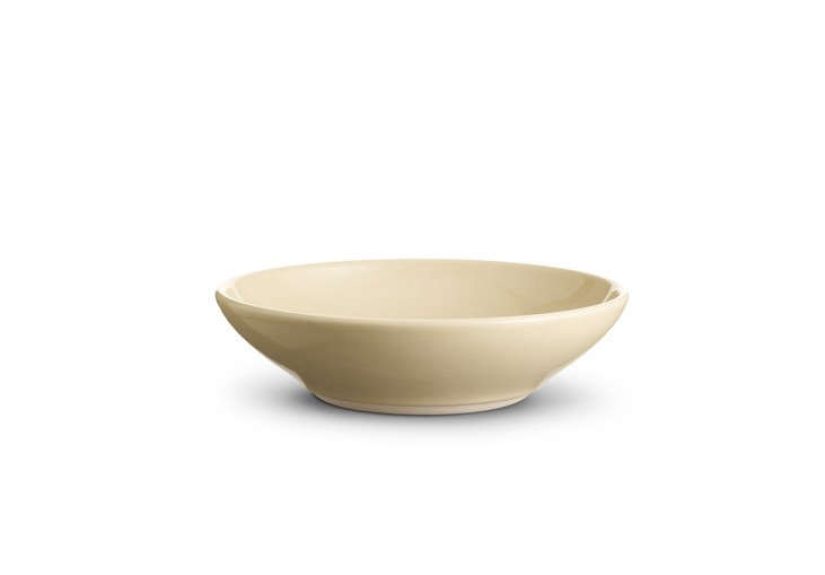
The Side Bowl Heath Chez Panisse Line refers to a ceramic side bowl from Heath Ceramics’ Chez Panisse collection. Heath lists the bowl as ceramic, handcrafted in Sausalito, California, with a size of 2.25 inches high by 8.25 inches in diameter and a 29-fluid-ounce capacity. In practical kitchen language, that means it is wide enough for pasta, grains, salad, roasted vegetables, soup, fruit, or the kind of “snack” that mysteriously becomes dinner.
The bowl belongs to a larger collection designed with the spirit of Chez Panisse, the Berkeley restaurant founded by Alice Waters in 1971. Chez Panisse became famous for its devotion to seasonal ingredients, local farms, direct relationships with producers, and a style of cooking that values flavor over fuss. The bowl reflects that same attitude: simple, useful, beautiful, and quietly confident.
The Design Story: French Restaurant Ware Meets California Clay
One of the most appealing things about the Heath Chez Panisse Side Bowl is that it does not try too hard. The design takes cues from classic French porcelain restaurant ware, but it is not a stiff museum piece. Heath gives it a more organic, tactile personality. Think less “do not touch the china” and more “please pass the roasted carrots.”
French restaurant ware is known for durability, clean lines, and the ability to make food look composed. Heath’s version adds depth through clay, glaze, proportion, and subtle hand-finished character. That is the beauty of the collection: it respects restaurant tradition while still feeling warm enough for a home kitchen.
Why the Shape Works So Well
The side bowl’s wide diameter gives food room to breathe. A leafy salad does not look trapped. Pasta can be tossed without performing acrobatics. A grain bowl can show off its colors instead of hiding everything in a narrow cylinder. The shallow height also makes it easy to serve from and easy to eat from, which may sound obvious until you have tried to chase lentils around a bowl shaped like a decorative cave.
Its form also supports modern eating habits. Many meals today are not divided into strict “meat, vegetable, starch” sections. We eat composed bowls, seasonal salads, shared sides, soups with toppings, and pasta dishes that are half comfort food, half farmers market parade. The Heath Chez Panisse Side Bowl is built for exactly that kind of flexible table.
Heath Ceramics: Why the Brand Matters
Heath Ceramics began in 1948 with Edith and Brian Heath. What started as a small pottery in California grew into one of America’s most respected names in ceramic dinnerware and tile. Heath is known for durable forms, distinctive glazes, and a design language that feels modern without becoming cold.
The company’s reputation matters because the Side Bowl is not just a pretty object from a trendy collaboration. It comes from a long tradition of American ceramic production. Heath’s work is often admired because it balances manufacturing consistency with handmade character. Pieces are designed to be used, not just admired from across the room like a celebrity at a restaurant you cannot afford.
A California Design Identity
The Side Bowl Heath Chez Panisse Line makes the most sense when viewed through a California lens. Heath is rooted in Sausalito. Chez Panisse is rooted in Berkeley. Alice Waters’ food philosophy is rooted in seasonality, community, and local agriculture. Together, these influences create a product that feels unmistakably tied to place.
This is not generic white dinnerware pretending to have a personality. It carries a story: clay, craft, farmers, restaurants, school gardens, and home tables all appearing in one bowl. That may sound dramatic, but good design often works that way. It stores values in plain sight.
The Chez Panisse Connection
Chez Panisse opened in Berkeley in 1971 and became one of the most influential restaurants in American food culture. Alice Waters helped popularize a way of eating that emphasized seasonal ingredients, local sourcing, organic farms, and simple cooking that lets ingredients speak. Translation: if the tomato is perfect, do not bury it under a sauce with the personality of a marching band.
The Heath Chez Panisse Line carries this philosophy into tableware. The bowl is not overly decorated because the food is meant to be the star. A bright citrus salad, a mound of handmade pasta, or a simple vegetable soup can sit in it without visual competition. The design frames the meal rather than shouting over it.
Why Restaurant-Inspired Dinnerware Works at Home
Restaurant-inspired dinnerware has a few advantages. It is usually practical, durable, stackable, and comfortable to handle. The best restaurant ware also makes plating easier. You do not need chef-level tweezers or a culinary degree to make food look better. A well-designed bowl does half the styling for you.
The Heath Chez Panisse Side Bowl brings that restaurant sensibility home. It is refined enough for guests but relaxed enough for Tuesday. You can use it for a dinner party salad, then use the same bowl the next morning for fruit and yogurt. It does not judge. Bowls are emotionally mature like that.
Practical Features: Size, Capacity, and Everyday Use
The Side Bowl measures 2.25 inches high and 8.25 inches across, with a 29-fluid-ounce capacity. Those dimensions make it larger than a small cereal bowl but more contained than a serving platter. It fits the “just right” zone for meals that need width without bulk.
Its ceramic material gives it substance and heat retention, while the shape makes it suitable for many foods. Heath notes that the bowl is microwave and dishwasher safe, with care guidance that includes avoiding temperature shock and using gentle, environmentally friendly detergents. In other words, it is made for real life, but it still appreciates manners.
Best Uses for the Heath Chez Panisse Side Bowl
The bowl is especially useful for pasta, salad, soup, side dishes, fruit, risotto, roasted vegetables, and casual one-bowl meals. It works beautifully for a tomato salad with basil, farro with herbs, spring vegetable soup, a small serving of clams, or even a carefully arranged scoop of ice cream with roasted stone fruit.
Because the bowl is wide, it helps with visual presentation. Food looks abundant rather than cramped. Colors show clearly. Sauces pool gently instead of disappearing into a deep bottom. If you enjoy photographing food, this kind of bowl is a friendly assistant. It will not edit your photos, but it will give your noodles a better stage.
How to Style the Side Bowl at the Table
The easiest way to style the Side Bowl Heath Chez Panisse Line is to let it do what it was designed to do: support simple, ingredient-focused food. Pair it with linen napkins, wooden serving utensils, simple glassware, and seasonal flowers. Avoid making the table too perfect. The Chez Panisse spirit is warm, generous, and alive, not stiff enough to need a seating chart for the spoons.
For a rustic California table, serve the bowl with grilled bread, olive oil, citrus, herbs, and vegetables. For a French-inspired meal, use it for lentils with vinaigrette, salade Lyonnaise, ratatouille, or mussels. For a modern casual dinner, build grain bowls with roasted squash, greens, chickpeas, and a bright yogurt sauce.
Color and Texture Pairing Ideas
Heath glazes often have earthy, muted, or nature-inspired tones. These colors pair well with food because they rarely overpower it. Soft neutrals make greens brighter. Deeper shades can add contrast to pale soups, pasta, or creamy dishes. A slightly imperfect handmade surface also gives the table character, reminding guests that the meal is meant to be enjoyed, not inspected like a tax form.
Why Collectors and Design Lovers Notice It
The Heath Chez Panisse Side Bowl appeals to collectors because it combines usefulness, brand heritage, restaurant history, and design restraint. It is not merely decorative, but it has a strong identity. That combination often gives objects staying power.
Many dinnerware trends come and go quickly. One year everyone wants high-gloss minimalism; the next year it is speckles, scallops, or plates that look like they were recovered from a stylish archaeological dig. The Chez Panisse Line avoids trendiness by leaning into proportion, material, and story. Those elements age better than novelty.
Is It Worth Buying?
If you value long-lasting dinnerware, American-made ceramics, restaurant-inspired design, and pieces that can be used daily, the Side Bowl Heath Chez Panisse Line is easy to appreciate. It is not the cheapest bowl you can buy, and it is not trying to be. Its value comes from craftsmanship, design pedigree, durability, and the pleasure of using something thoughtfully made.
For someone who eats standing over the sink every night, it may feel excessive. For someone who likes building a table slowly with meaningful pieces, it makes sense. A good bowl can change how food feels. That may sound dramatic until you eat soup from a beautiful ceramic bowl and then try going back to a chipped novelty mug from a conference in 2012.
Care Tips for the Heath Chez Panisse Side Bowl
Although the bowl is designed for everyday use, proper care helps preserve its finish. Use gentle detergents when washing. Avoid sudden temperature changes, such as moving the bowl directly from refrigerator cold to intense heat. Heat food slowly and evenly when using the microwave. Stack carefully to reduce rubbing, and avoid treating the bowl like a stainless-steel mixing basin during a cooking emergency.
Handwashing is not always necessary, but it can be a thoughtful choice if you want to preserve the surface for many years. If using a dishwasher, avoid overcrowding. Ceramics may be sturdy, but they do not enjoy being slammed against other dishes like contestants in a kitchen wrestling match.
Sustainability, Education, and the Edible Schoolyard Project
One meaningful detail of the Chez Panisse Line is that a portion of proceeds supports the Edible Schoolyard Project. Founded by Alice Waters, the project connects children with food, gardening, cooking, and the values of nourishment and community. That connection makes the bowl part of a broader conversation about how food is grown, taught, served, and shared.
This matters because the Side Bowl is not just about aesthetics. It reflects a philosophy: the objects we use at the table can support better habits. They can encourage people to cook, gather, eat seasonally, and pay attention. A bowl cannot fix the food system by itself, obviously. If it could, we would elect one immediately. But design can reinforce values, and this one does.
Real-World Experiences With the Side Bowl Heath Chez Panisse Line
The everyday experience of using a Side Bowl from the Heath Chez Panisse Line is less about luxury and more about rhythm. It is the kind of bowl that quietly improves ordinary meals. You notice it when you toss a salad and the greens have enough space. You notice it when pasta lands in the bowl and looks composed without effort. You notice it when a bowl of soup feels like dinner rather than a placeholder before snacks begin their evening takeover.
One of the best experiences connected to this bowl is how naturally it supports shared eating. Place two or three of them on the table with roasted vegetables, beans, grains, or greens, and the meal immediately feels more generous. The bowl’s width makes food visible and inviting. People can serve themselves easily, and the table feels relaxed instead of staged. That is very much in the Chez Panisse spirit: food should bring people closer, not make them afraid to disturb the arrangement.
Another experience is the pleasure of plating simple ingredients. A bowl of sliced peaches, a little cream, and toasted almonds can look special. A pile of spaghetti with olive oil, garlic, and herbs feels intentional. A lunch of farro, leftover chicken, arugula, and lemon dressing suddenly looks like something from a café menu instead of a refrigerator negotiation. The bowl does not create flavor, of course, but it changes perception. And perception matters. We eat with our eyes first, then with our forks, then occasionally with our fingers when no one is looking.
The bowl also encourages slower meals. Because it feels substantial in the hand and calm on the table, it invites a little more attention. You may find yourself setting a napkin, adding herbs, or using the good olive oil. That is one of the underrated powers of well-designed tableware: it nudges behavior without lecturing. No ceramic bowl has ever shouted, “Respect the zucchini!” But this one gently suggests that the zucchini has potential.
For people who enjoy hosting, the Side Bowl works as a reliable supporting actor. It can hold a first-course salad, a side of beans, a small pasta, a seasonal soup, or dessert fruit. It blends with other dinnerware rather than demanding a fully matched set. In fact, it often looks better when mixed with wood, linen, vintage flatware, and simple glassware. The result is a table that feels collected over time, not purchased in one anxious afternoon.
In small kitchens, versatility matters even more. A bowl that can handle breakfast, lunch, dinner, and serving duty earns its shelf space. The Heath Chez Panisse Side Bowl has that kind of usefulness. It is not a single-purpose showpiece. It is a daily object with enough beauty to make ordinary food feel cared for. That may be the highest compliment for dinnerware: it does its job so gracefully that the meal becomes the memory.
Conclusion
The Side Bowl Heath Chez Panisse Line is more than a ceramic bowl with a famous name attached. It is a compact expression of California craft, French restaurant inspiration, thoughtful home dining, and Alice Waters’ belief that food should connect people to place, season, and community. Its proportions make it practical, its design makes it timeless, and its story gives it unusual depth for an object that may spend much of its life holding salad.
For design lovers, it offers heritage and restraint. For home cooks, it offers versatility. For collectors, it carries the combined appeal of Heath Ceramics and Chez Panisse. And for anyone who simply wants meals to feel a little more intentional, it is a reminder that small choices at the table can change the entire mood of eating. Sometimes, yes, happiness really can arrive in bowl form.






 Close
Close