
Table of Contents >> Show >> Hide
- Why This Shrimp and Sausage Boil Recipe Works
- Ingredients
- Ingredient Tips That Make a Big Difference
- Equipment You’ll Need
- How to Make Shrimp and Sausage Boil
- Quick Timing Cheat Sheet
- How to Tell When Shrimp Are Done
- Food Safety Notes (Worth Reading)
- Flavor Variations You Can Actually Use
- What to Serve With Shrimp and Sausage Boil
- Common Mistakes to Avoid
- How to Store and Reheat Leftovers
- Conclusion
- Kitchen Experiences and Real-Life Lessons from Making a Shrimp and Sausage Boil
If summer had a soundtrack, it would be the clink of tongs, a rolling pot bubbling like it has opinions, and someone yelling, “Don’t eat all the shrimp before it hits the table!” A shrimp and sausage boil is one of the most crowd-friendly meals you can make: one pot, big flavor, minimal fuss, and maximum “wow, you made this?” energy.
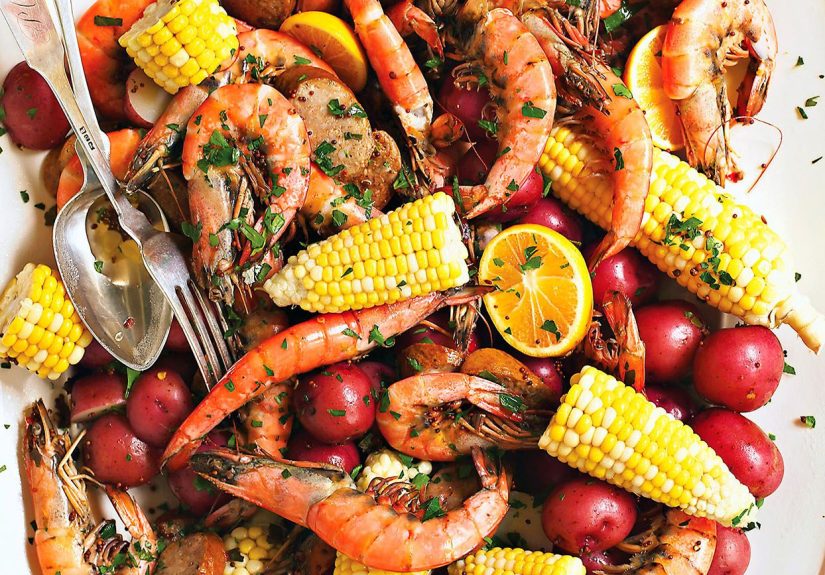
This recipe gives you the classic combinationshrimp, smoked sausage, corn, and potatoescooked in a deeply seasoned broth and finished with a buttery lemon-garlic drizzle. It’s rooted in Southern and Lowcountry boil traditions, but written for a modern home kitchen with practical timing, food-safety notes, and a few easy variations (because not everyone owns a giant outdoor burner and a dock).
Why This Shrimp and Sausage Boil Recipe Works
Great seafood boils are all about timing and layering. The long-cooking ingredients go in first (potatoes), medium-cooking ingredients follow (corn and sausage), and shrimp go in last because they cook incredibly fast. That order keeps everything tender instead of turning the shrimp rubbery while the potatoes are still crunchy.
This version also uses a flavor-forward broth instead of plain water. Lemon, onion, garlic, and seafood seasoning give the whole pot a “restaurant patio on a good day” vibe. Then we finish everything with a quick butter sauce for shine, richness, and the kind of flavor that makes people stop talking for a minute.
Ingredients
For the Boil
- 4 quarts water (plus more if needed to cover ingredients)
- 12 ounces beer (optional, but great for depth)
- 1/3 to 1/2 cup seafood seasoning (Old Bay or similar)
- 1 to 2 tablespoons kosher salt (adjust based on seasoning saltiness)
- 1 large onion, cut into wedges
- 1 head garlic, halved crosswise
- 2 lemons (1 quartered for the pot, 1 cut into wedges for serving)
- 1 1/2 to 2 pounds baby red potatoes, halved or quartered
- 12 to 16 ounces smoked sausage (andouille or kielbasa), cut into 1-inch pieces
- 4 ears corn, cut in halves or thirds
- 1 1/2 to 2 pounds large or jumbo raw shrimp, shell-on preferred
- Fresh parsley, chopped (optional but highly recommended)
For the Lemon-Garlic Butter Finish
- 6 tablespoons unsalted butter, melted
- 2 cloves garlic, finely grated or minced
- 1 tablespoon lemon juice
- 1 to 2 teaspoons hot sauce (optional)
- 1 teaspoon seafood seasoning or Cajun seasoning
- Pinch of black pepper
Optional Add-Ins
- Bay leaves (for extra broth aroma)
- Cajun seasoning (if you want a spicier profile)
- Crab legs, clams, or mussels (add with shrimp or just before, depending on type)
- Green beans or pearl onions (great in a Lowcountry-inspired version)
Ingredient Tips That Make a Big Difference
Use shell-on shrimp if possible. It helps protect the shrimp from overcooking and adds more flavor to the broth. If you buy peeled shrimp, reduce the shrimp cook time slightly and watch closely.
Smoked sausage is the easiest win. Andouille adds a peppery kick, while kielbasa is milder and family-friendly. If your sausage is pre-cooked (most smoked sausage is), you’re mainly heating it through and letting it flavor the pot. If you use raw sausage, cook it thoroughly and use a thermometer.
Cut potatoes into even pieces. This is not the moment for “rustic” chunks the size of baseballs. Uniform pieces cook evenly and prevent that awkward dinner moment where one potato is perfect and another is still a root vegetable.
Balance the seasoning. Seafood seasoning blends vary a lot in salt. Start lower, taste the broth after the potatoes cook, and adjust. You can always add more seasoning or finish with a seasoned butter sauce.
Equipment You’ll Need
- Large stockpot (10- to 12-quart is ideal; bigger is even better for a crowd)
- Tongs or a long-handled spoon
- Slotted spoon or skimmer
- Small bowl for melted butter sauce
- Large platter, sheet pan, or a parchment/newspaper-lined table for serving
You can absolutely make this indoors on the stove. Outdoor burners are great for parties, but a regular kitchen setup works perfectly for a standard family-size batch.
How to Make Shrimp and Sausage Boil
Step 1: Build the Broth
Add water, beer (if using), seafood seasoning, salt, onion, garlic, and the quartered lemon to a large stockpot. Bring it to a boil, then reduce to a lively simmer for about 5 to 10 minutes. This short simmer wakes up the spices and gives your broth a head start on flavor.
Step 2: Cook the Potatoes First
Add the potatoes and cook until they’re almost tenderusually 8 to 12 minutes, depending on size. You want them close, but not fully done, because they’ll keep cooking after the next ingredients go in.
Step 3: Add Corn and Sausage
Add the corn and smoked sausage. Cook for about 4 to 7 minutes. At this stage, the pot starts smelling like a summer party and your neighbors may suddenly “drop by.”
Step 4: Add Shrimp Last (The Important Part)
Add the shrimp and stir gently. Cook just until the shrimp are pink and opaqueusually 2 to 4 minutes depending on size. Large shell-on shrimp often land around 2 to 3 minutes; jumbo shrimp may take a little longer. Do not walk away here. Shrimp are fast.
If you want a more intense flavor, turn off the heat and let everything sit in the hot broth for 2 to 5 minutes before draining. Some cooks prefer a longer soak for stronger seasoning, but a short soak is easier to control for saltiness and shrimp texture.
Step 5: Make the Lemon-Garlic Butter
While the shrimp cook, whisk together melted butter, garlic, lemon juice, hot sauce, seafood seasoning, and black pepper. This finishing sauce is optional in theory, but in practice it’s the reason people ask for the recipe.
Step 6: Drain and Toss
Drain the pot well. Transfer everything to a large bowl, platter, or sheet pan. Drizzle with some of the butter sauce, toss gently, then top with parsley and lemon wedges. Serve the rest of the butter on the side for dipping.
Quick Timing Cheat Sheet
- Broth simmer: 5–10 minutes
- Potatoes: 8–12 minutes (until almost tender)
- Corn + sausage: 4–7 minutes
- Shrimp: 2–4 minutes (until pink and opaque)
- Optional soak: 2–5 minutes off heat
How to Tell When Shrimp Are Done
Shrimp are done when they turn from gray and translucent to pink and opaque, and the flesh looks pearly/white. They should curl slightly, but not into tight little rings. A tight curl usually means they cooked too long.
If you’re using a thermometer and want to be extra precise, seafood is commonly cooked to 145°F. In most home kitchens, the visual cues above are the easiest and most reliable for shrimp in a boil.
Food Safety Notes (Worth Reading)
Seafood boils are casual. Food safety should not be casual.
- Cook shrimp fully: Opaque and firm is the goal.
- If using raw sausage: Cook to a safe internal temperature (160°F for ground sausage-style products).
- Refrigerate leftovers fast: Within 2 hours (or within 1 hour if the weather is above 90°F).
- Reheat leftovers well: Heat to 165°F for best food safety.
- Thaw frozen shrimp safely: In the fridge overnight or under cold running waternever on the counter.
Flavor Variations You Can Actually Use
1) Lowcountry Style
Keep the core ingredients, but add mustard seed, coriander, bay leaves, and a pinch more cayenne to the broth. You can also add pearl onions or green beans for a more old-school Lowcountry feel. Serve with cocktail sauce and hot sauce.
2) Cajun-Style Kick
Use andouille sausage, a Cajun seasoning blend, and a little extra garlic. Finish with hot sauce in the butter. Want a bolder broth? Add a splash of beer and a pinch of smoked paprika.
3) Garlic Butter Party Version
Double the finishing butter sauce and add a little honey or brown sugar for a sweet-spicy edge. Toss the hot shrimp boil with half and serve the other half for dipping corn and potatoes.
4) Sheet-Pan Shortcut
Don’t want a stockpot situation? Parboil the potatoes, then toss potatoes, corn, sausage, shrimp, lemon, oil, and seasoning on sheet pans and roast at a hot oven temperature (around 425°F) until the shrimp are opaque and the vegetables are tender. It’s not a traditional boil, but it delivers the same flavor family with easier cleanup.
5) Slow-Cooker Crowd Version
For parties, a slow cooker can handle the potatoes, onions, seasoning liquid, and corn first. Add shrimp at the very end so they don’t overcook. This is especially useful when you want the dish ready during a gathering without babysitting a pot.
What to Serve With Shrimp and Sausage Boil
- Warm garlic bread or crusty bread (for buttery dipping emergencies)
- Cole slaw or a crisp green salad
- Cornbread
- Cocktail sauce, tartar sauce, or remoulade
- Extra lemon wedges and hot sauce
If you’re hosting, put out a small “boil station” with napkins, lemon wedges, dipping sauces, and a bowl for shells. It’s not fancy, but it is smart.
Common Mistakes to Avoid
Overcooking the Shrimp
The most common mistake by a mile. Shrimp go from perfect to chewy fast. Add them last, stay near the pot, and pull them as soon as they turn opaque.
Underseasoning the Broth
A shrimp boil should taste exciting. Season the liquid well because that’s where all the flavor starts. If your broth is bland, the whole pot will be bland.
Adding Everything at Once
This creates a tragic mix of mushy corn, overcooked shrimp, and undercooked potatoes. Add ingredients in stages based on cooking time.
Serving Without a Finish
A squeeze of lemon and a little butter sauce make a huge difference. The boil itself is delicious, but the finish is what makes it memorable.
How to Store and Reheat Leftovers
Let leftovers cool slightly, then transfer them to airtight containers. Refrigerate promptly and eat within about 2 to 3 days for best quality. Potatoes and corn hold well; shrimp are best sooner rather than later.
To reheat, use a covered skillet with a splash of water or broth over low heat, or warm everything gently in a 300°F oven until hot. Avoid blasting shrimp in the microwave for too long unless you enjoy chewing rubber bands.
Conclusion
A great shrimp and sausage boil recipe is less about strict culinary drama and more about smart sequencing, bold seasoning, and pulling the shrimp at exactly the right moment. Once you get the rhythmpotatoes, then corn and sausage, then shrimpyou’ll have a reliable one-pot meal that works for weeknights, cookouts, and “I invited too many people” weekends.
Keep it classic, go spicier with Cajun seasoning, or finish with a buttery lemon sauce that deserves its own fan club. However you serve itplatter, sheet pan, or newspaper-lined tablethis is the kind of meal that gets hands messy and people happy. And honestly, that’s the whole point.
Kitchen Experiences and Real-Life Lessons from Making a Shrimp and Sausage Boil
One of the best things about a shrimp and sausage boil is how forgiving it feels until the shrimp go in. That’s a funny little kitchen lesson on its own. People often think seafood boils are difficult because they look dramatic, but the truth is most of the process is calm and easy. You build a seasoned pot, add ingredients in waves, and let the heat do the work. Then shrimp arrive and suddenly everyone in the kitchen becomes very focused. It’s the culinary equivalent of “all right, team, this is not a drill.”
Another common experience is learning how much flavor comes from the broth and not just the butter at the end. A lot of home cooks start with plain water and a sprinkle of seasoning, and the result is finebut not unforgettable. The first time you build a stronger broth with lemon, onion, garlic, and enough seafood seasoning to smell it across the room, the whole dish changes. Even the potatoes taste better, and that’s usually the moment someone says, “Okay, next time make a double batch.”
There’s also a practical hosting lesson built into this recipe: people love interactive food. A shrimp boil doesn’t need complicated plating or perfect presentation. In fact, it gets better when it’s a little messy. A big tray in the center of the table, extra lemon, dipping sauces, a stack of napkins, and everyone reaching inthat setup creates instant energy. It feels fun and social, which is why shrimp boils are so popular for family gatherings, birthdays, and summer weekends.
Many cooks also discover that timing matters more than fancy ingredients. You can buy premium shrimp, artisan sausage, and beautiful corn, but if everything goes in the pot at once, you’ll still get uneven results. On the other hand, a budget-friendly version with good timing can taste fantastic. That’s a great reminder that technique often beats price tag.
Another real-world experience: the leftovers are surprisingly useful. Extra shrimp and sausage can be chopped into fried rice, tossed into pasta, folded into an omelet, or used in a quick lunch bowl with rice and roasted vegetables. Leftover potatoes are especially good pan-crisped the next day. So even though a boil feels like party food, it can quietly become meal prep if you plan ahead.
Finally, almost everyone who makes this recipe a few times develops a “house style.” Some people like more lemon. Some want extra heat. Some swear by andouille, while others keep it mild for kids and load the spice into the butter sauce. That’s the beauty of this dish: the structure stays the same, but the personality can change every time you make it. Once you understand the basics, a shrimp and sausage boil stops being just a recipe and becomes a reliable kitchen ritualone that tastes like summer, even when you make it in the middle of winter.







 Close
Close