
Table of Contents >> Show >> Hide
- What Is the Schoolhouse Maple Peg Rail?
- Why Maple Works So Well for a Peg Rail
- The Shaker Peg Rail Idea (And Why We’re Still Obsessed)
- Where the Schoolhouse Maple Peg Rail Shines in Real Homes
- How to Style a Maple Peg Rail (So It Doesn’t Look Like a Random Row of Pegs)
- Installation Basics: Get It On the Wall (Without Regrets)
- Care and Maintenance: Keeping Maple Looking Great
- Is It Worth It? The Value of a “Small” Upgrade
- FAQ: Quick Answers Before You Commit Wall Space
- Real-Life Experiences With a Schoolhouse Maple Peg Rail (The Extra-Long, “What It’s Actually Like” Section)
- Conclusion
Some home “upgrades” are loud. They come with power tools, dust clouds, and a long period where your hallway looks like a construction-themed escape room.
The Schoolhouse Maple Peg Rail is the opposite: it’s a small, quiet piece of wall-mounted order that somehow makes the whole room feel more put-together.
Think of it as a design-forward solution to the universal problem of stuff that doesn’t know where to livecoats, backpacks, dog leashes, tote bags, aprons, kitchen towels, and the one hat you swear you’ll wear “all winter.”
Peg rails have a long history (hello, Shaker ingenuity), but Schoolhouse’s take is modern, clean, and warm.
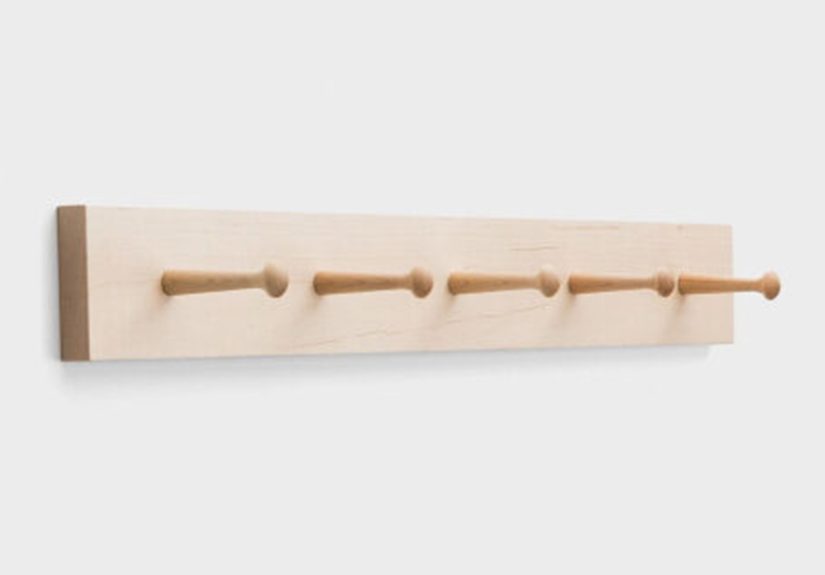
It’s made from solid maple with rounded pegs and a minimal silhouettesimple enough to blend in, distinctive enough to look intentional.
If you’ve ever wished your entryway could stop looking like a coat avalanche zone, this is your gentle, maple-scented intervention.
What Is the Schoolhouse Maple Peg Rail?
At its core, the Schoolhouse Maple Peg Rail is a wall-mounted wooden peg rack designed for everyday hanging and light organization.
Instead of metal hooks (and the occasional snagged sweater or bumped elbow), you get smooth, rounded pegs that feel friendly in high-traffic spaces.
Schoolhouse describes it as functional beauty with an uncluttered designbasically, the Marie Kondo of wall hardware, but in solid wood.
Quick Specs (The “Measure Twice, Buy Once” Section)
- Material: Locally sourced solid maple
- Pegs: Five rounded pegs
- Mounting: Two keyholes for wall mounting
- Size: Approx. 30" wide × 3.5" tall, with about a 4" projection from the wall
Those numbers matter more than you’d think. A 30-inch rail gives you real capacity without turning your wall into a coat rack billboard, and a 4-inch projection is enough depth for bulky items
(like winter coats or tote bags) while still keeping walkways comfortable.
Why Maple Works So Well for a Peg Rail
Choosing maple for a peg rail isn’t just an aesthetic moveit’s a practical one.
Hard maple is known for durability and resistance to dents and everyday wear, which matters when you’re repeatedly sliding bag straps on and off pegs.
Wood hardness is often discussed using the Janka hardness test (it measures resistance to indentation), and maple typically ranks in the “hardwood that can take a hit” category.
Translation: maple is a smart pick for something that gets daily use in a busy home.
Maple’s Everyday Advantages
- Durability: Holds up well to frequent handling and knocks.
- Stable look: Light, warm tone that works with modern, farmhouse, Scandinavian, and classic interiors.
- Friendly finish vibe: Looks great natural and doesn’t scream for attentionunless you want it to.
In other words, maple is the reliable friend who shows up on time, helps you move, and never complains. Perfect peg-rail energy.
The Shaker Peg Rail Idea (And Why We’re Still Obsessed)
Peg rails have a design legacy often tied to Shaker interiors, where simplicity and usefulness weren’t trendsthey were a whole philosophy.
Historically, peg rails were used to hang all kinds of items, from textiles and tools to even chairs, helping keep floors clear and spaces easy to clean.
Modern design folks still love them because they’re a rare combination: genuinely functional and visually calming.
Today, you’ll see peg rails pop up everywhere from kitchens and mudrooms to minimalist bathrooms and small-space entryways.
They can look rustic, modern, or somewhere in between depending on stylingand Schoolhouse’s clean-lined maple version is particularly good at playing nice with different aesthetics.
Where the Schoolhouse Maple Peg Rail Shines in Real Homes
Peg rails are versatile, but the Schoolhouse Maple Peg Rail is especially good for spaces where you want organization to feel subtle.
Here are some of the best “it just works” placements.
1) Entryway or Mudroom: The Clutter Firewall
If your entryway is currently a pile-of-things situation, a peg rail is one of the fastest ways to create a system.
Family Handyman points out how a simple peg rail can instantly give coats, bags, and leashes a homeespecially in tight entryways.
Add a small tray or bowl underneath for keys, and you’ve basically built a tiny concierge desk for your life.
2) Kitchen: Vertical Storage That Looks Intentional
A peg rail in the kitchen can hold aprons, oven mitts, frequently used utensils, or a few pretty cutting boards.
Better Homes & Gardens highlights peg rails as a way to use vertical space in kitchensparticularly helpful when drawers are already doing the most.
Keep it curated (a few matching towels, a favorite apron, a small basket), and it reads like decornot “I ran out of cabinet space.”
3) Bathroom: Towels Without the Towel-Bar Traffic Jam
In small bathrooms, peg rails are a flexible alternative to bars. Hang hand towels, a robe, or a small wire basket with toiletries.
HGTV has featured peg rails as a clever storage move, especially when you’re trying to keep essentials accessible without crowding a tiny space.
4) Bedroom or Dressing Area: Everyday Pieces on Display
Use it for tomorrow’s outfit, a favorite hat, or a couple of “grab-and-go” accessories.
In small bedrooms, a peg rail can prevent items from piling up on the floor, functioning like a minimalist open closet moment.
5) Kids’ Zones: Independence, But Make It Cute
One of the best ideas is mounting a second rail lower on the wall so kids can hang their own jackets and backpacks.
Schoolhouse has even suggested peg rails for little ones as a safer alternative to metal hooksfewer sharp edges, fewer accidental pokes, fewer hallway dramas.
How to Style a Maple Peg Rail (So It Doesn’t Look Like a Random Row of Pegs)
The styling secret is balance. A peg rail is functional, but it’s also a visual line across your wall.
Treat it like a design element and it will reward you by making the whole area look more finished.
Style Moves That Work
- Keep a “negative space” peg: Leave at least one peg empty so it doesn’t look overstuffed.
- Repeat materials: If the rail is maple, echo warm wood elsewhere (a small stool, a tray, a frame).
- Use matching hangers: Simple loops, S-hooks, or soft straps help items hang neatly and consistently.
- Add one companion piece: A mirror above, a small shelf, or a narrow bench below makes it feel intentional.
Want it to feel extra “designed”? Install two rails side by side for a longer run, or stack them at different heights for adults and kids.
Schoolhouse even notes that the minimal profile works well in multiples, which is designer-speak for “yes, you may absolutely buy two and pretend it was always the plan.”
Installation Basics: Get It On the Wall (Without Regrets)
Any peg rail is only as strong as its installation. The safest best practice is mounting into wall studs whenever possible.
If studs don’t line up with your preferred placement, high-quality drywall anchors can helpbut the right choice depends on your wall type and load.
DIY and home-improvement guides consistently recommend planning for weight distribution, especially for frequently used racks.
Smart Installation Checklist
- Choose height: Entryway rails often sit around shoulder height; kids’ rails go lower.
- Find studs: A stud finder helps locate framing for stronger attachment.
- Level it: A peg rail looks best perfectly level (your eyes will notice if it’s off).
- Use appropriate fasteners: Stud screws where possible; rated anchors where needed.
- Test gradually: Start by hanging lighter items first, then work up as you confirm stability.
Bob Vila’s guidance on wall mounting and anchors is especially useful here: wall strength varies by material, and anchor ratings assume good drywall and proper installation.
If your peg rail will hold heavy winter coats and a loaded backpack, studs are your best friend.
Care and Maintenance: Keeping Maple Looking Great
Maple is fairly low-maintenance. Most of the time, a soft cloth and gentle cleaning is enough.
Avoid harsh chemicals that can dull finishes, and try not to repeatedly scrape metal hardware across the pegs.
Simple Care Tips
- Dust regularly to keep the wood tone bright and clean.
- Wipe spills quicklyespecially in kitchens or bathrooms.
- Use soft loops or fabric straps for bags to reduce rubbing over time.
- Check mounting screws periodically if the rail sees heavy daily use.
Is It Worth It? The Value of a “Small” Upgrade
A peg rail isn’t flashy, but it changes how a space functionsespecially high-traffic zones.
It reduces clutter, adds vertical storage, and encourages habits that keep rooms tidy.
That’s why you see peg rails recommended repeatedly in entryway and small-space organizing content: they’re simple, affordable (compared to built-ins), and genuinely effective.
The Schoolhouse Maple Peg Rail also carries a particular design advantage: it’s minimal enough to stay timeless.
It won’t feel dated when trend cycles move on, because it’s not trying to be trendy. It’s just trying to be usefuland good-looking while doing it.
FAQ: Quick Answers Before You Commit Wall Space
How much can a peg rail hold?
Capacity depends on how it’s mounted (studs vs. anchors), your wall type, and what you hang.
For heavy daily loads, mounting into studs is the safest approach.
Can I use it in a bathroom?
Yesjust manage moisture. If your bathroom runs humid, keep airflow decent and wipe down towels so the rail isn’t constantly damp.
Is it only for coats?
Not even close. Aprons, baskets, hats, leashes, totes, kids’ backpacks, headphones, even lightweight décor pieces can workjust keep the look curated.
Real-Life Experiences With a Schoolhouse Maple Peg Rail (The Extra-Long, “What It’s Actually Like” Section)
People don’t usually get emotional about wall hardware… until they install something that quietly fixes an everyday annoyance.
The most common experience with a peg railespecially one as clean and friendly as the Schoolhouse Maple Peg Railis the sudden disappearance of “the pile.”
You know the pile: coats on chairs, backpacks on the floor, tote bags multiplying like they’re in a science experiment. A peg rail doesn’t just store those items; it gives them a visible, repeatable “home.”
And once a home exists, your brain stops treating the hallway like a temporary storage unit.
Another frequent experience is realizing that height is everything. Hang it too high and shorter family members won’t use it consistently.
Hang it too low and long coats brush the wall, or bags bump into benches. Many households end up doing a two-height setup: one rail at adult height for coats and bags, and a lower rail for kids.
Parents often notice a surprising side benefit: kids become more independent because the system is physically accessible.
Instead of yelling “Hang up your backpack!” you just point at the pegs like a calm museum docent: “The backpack habitat is right there.”
The “rounded peg” design also changes how the space feels. With metal hooks, people tend to hang things quickly and carelesslyhooks feel industrial and a bit sharp.
Rounded wooden pegs invite softer items and gentler habits: looped straps, fabric handles, baskets with handles, aprons with ties.
In practice, that means the rail often becomes part utility, part styling tool. Homeowners start curating what stays visible:
maybe two matching market totes, one dog leash, one everyday jacket, and a basket for hats. The rest goes in a closet.
That’s when the peg rail stops looking like storage and starts looking like design.
In kitchens, the experience is usually about speed. Hanging an apron or a couple of frequently used tools saves drawer space and reduces friction during cooking.
But people also learn quickly that peg rails work best when you don’t hang everything.
The happiest setups are edited: one towel, one mitt, one apron, and maybe a small basket for odds and ends.
The rail becomes a “high-rotation” stationnot a wall of chaos.
Finally, there’s the oddly satisfying experience of the room looking cleaner even when nothing else changes.
That’s the peg rail magic: it transforms clutter into a deliberate lineup.
Your space still contains the same objectscoats, bags, towelsbut they’re arranged vertically, off the floor, and visually contained.
The result is a home that feels calmer with almost no effort.
It’s not a life overhaul. It’s a small maple rectangle doing heroic work, one peg at a time.
Conclusion
The Schoolhouse Maple Peg Rail is proof that the best home upgrades are often the simplest.
With solid maple construction, a minimal profile, and smooth pegs that feel right at home in busy spaces, it delivers practical storage without visual clutter.
Whether you mount it in an entryway to stop the coat pile, in a kitchen to reclaim drawer space, or at kid height to build better habits, it’s a timeless, genuinely useful piece.
If you want your home to feel more organized without adding bulky furniture, a maple peg rail is a smartand surprisingly satisfyingplace to start.





 Close
Close