
Table of Contents >> Show >> Hide
- What Is Schaum Torte?
- Where Did Schaum Torte Come From?
- What Makes Schaum Torte Different From Pavlova?
- How Schaum Torte Is Typically Made
- Why Texture Is Everything
- Best Fruit and Flavor Pairings for Schaum Torte
- Common Schaum Torte Mistakes and How to Avoid Them
- How to Serve and Store Schaum Torte
- Why Schaum Torte Still Deserves a Spot on the Dessert Table
- Experience: What Schaum Torte Feels Like at the Table
- Conclusion
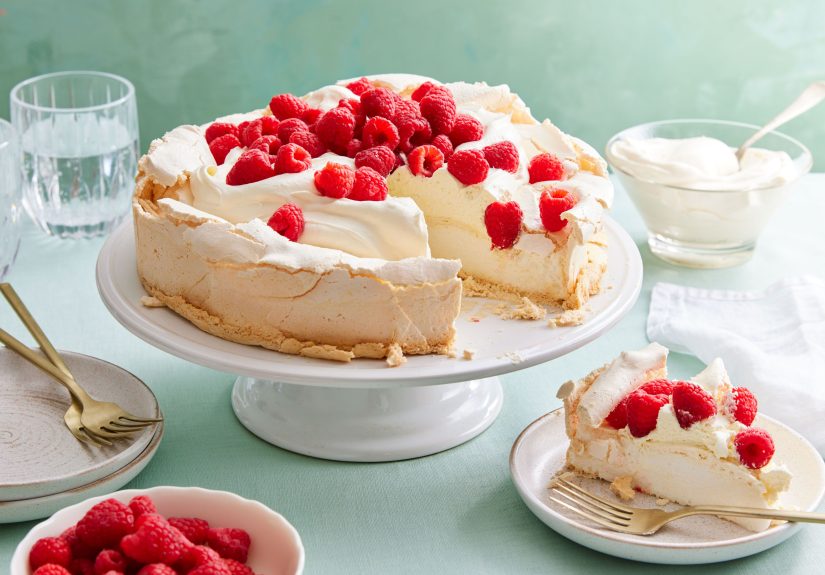
If you have never met a Schaum Torte before, allow me to introduce you to one of the Midwest’s most dramatic desserts. It looks airy, fragile, and just a little fancy, like it arrived wearing pearls and expecting compliments. Then you cut into it and realize it is gloriously messy in the best possible way: crisp meringue, soft marshmallow-like interior, clouds of whipped cream, and fruit that brings enough brightness to keep the sweetness from running away with the plot.
Schaum Torte is one of those desserts that manages to feel both old-fashioned and show-stopping. It has German roots, deep Midwestern affection, and a strong association with Wisconsin tables, supper clubs, and family gatherings. Some versions are made as individual meringue shells. Others are built as one large round or layered torte. Either way, the idea is the same: a delicate baked meringue becomes the stage for whipped cream, berries, peaches, ice cream, or whatever else makes people suddenly appear in the kitchen asking, “So… when are we eating?”
What Is Schaum Torte?
Schaum Torte is a meringue-based dessert traditionally made from whipped egg whites and sugar, often with a little vinegar, vanilla, and sometimes a stabilizer depending on the recipe style. The word schaum means “foam,” which is honestly perfect because that is exactly what the dessert begins as: a glossy, billowy foam that bakes into a shell with a crisp exterior and a tender center.
Unlike a standard cake, Schaum Torte does not rely on flour for structure. Its magic comes from properly whipped egg whites, dissolved sugar, and a low, patient bake. Once cooled, the shell is topped or filled with whipped cream and fruit, and in some versions vanilla ice cream joins the party too. That contrast is the whole point. You get crunch, chew, creaminess, coldness, sweetness, and juicy fruit in the same forkful. Dessert overachieving? Absolutely.
Where Did Schaum Torte Come From?
Schaum Torte is widely described as a dessert of German origin, and in the United States it became especially beloved in Wisconsin and the broader Midwest. Food writers have long connected it with German-American baking traditions, and some accounts trace its presence in Wisconsin cookery back to the late 19th century. Over time, it settled into regional food culture as the kind of dessert people remembered from grandmothers, church suppers, holiday tables, and supper-club menus.
That regional connection matters because Schaum Torte is not just a recipe; it is part of a food memory. In Wisconsin especially, it became known as the sort of dessert that feels celebratory without being fussy in a French-pastry-school way. It is elegant, yes, but it is also familiar. It knows how to make an entrance without making you feel judged by your own mixer.
What Makes Schaum Torte Different From Pavlova?
Schaum Torte and pavlova are close cousins, and if you mix them up at first glance, no baking tribunal is coming for you. Both are meringue-based desserts topped with whipped cream and fruit. Both aim for that irresistible mix of crisp shell and softer center. Both also require a little respect for humidity, because meringue and damp weather go together about as well as white pants and spaghetti sauce.
That said, there are a few differences people often point to. Pavlova is usually discussed as a large meringue shell with a marshmallowy center and often includes cornstarch in the mixture for texture and moisture control. Classic Schaum Torte recipes are often simpler and may skip the cornstarch entirely, leaning into a more old-school meringue formula of egg whites, sugar, vanilla, and vinegar. Schaum Torte also has stronger ties to German-American and Midwestern home baking, while pavlova is more commonly associated with Australia and New Zealand.
In practical terms, the eating experience is similar enough that fans of pavlova usually love Schaum Torte. The difference is part recipe, part regional identity, and part dessert personality. Pavlova feels international and polished. Schaum Torte feels like a Midwestern legend that still knows how to clear a dessert table in record time.
How Schaum Torte Is Typically Made
The meringue base
The base starts with egg whites whipped until foamy, then gradually beaten with sugar until the mixture becomes stiff, glossy, and stable. This part matters. Add sugar too fast and you risk graininess or poor volume. Add it slowly and the foam tightens into that beautiful shiny structure bakers want. Many recipes also call for vanilla and vinegar, which can help with flavor and stability.
Some Schaum Torte recipes are shaped into individual nests or shells with a shallow well in the center for filling. Others are spread into a springform pan or built as layered rounds. The shell is then baked low and slow until dry on the outside and just lightly colored. In many versions, the oven is turned off and the meringue is left inside to cool gradually. That extra drying time helps create the crisp shell without harsh browning.
The topping and filling
Once the shell cools completely, it is topped with lightly sweetened whipped cream and fruit. Strawberries are a classic favorite, but raspberries, blueberries, peaches, mango, and blackberries all work beautifully. Some traditional or nostalgic versions add vanilla ice cream, which melts slightly into the meringue and creates a glorious sweet chaos. This is not a flaw. This is the entire emotional thesis of Schaum Torte.
The dessert is usually assembled shortly before serving. That is because meringue and moisture are frenemies. Leave whipped cream and fruit sitting on the shell too long, and the crisp texture begins to soften. If that sounds like an excuse to eat dessert sooner, I fully support that interpretation.
Why Texture Is Everything
The best Schaum Torte is all about texture. It should be crisp enough to crack lightly when your fork hits it, but not so dry that it eats like sweet insulation foam. Ideally, the inside has a softer chew or marshmallow-like tenderness. Then comes the whipped cream, which adds richness without heaviness, and the fruit, which brings acidity and freshness.
This is why bakers obsess over small details. Room-temperature egg whites often whip faster and with more volume. The bowl must be spotless, because any trace of fat can interfere with the foam. Sugar should be added gradually so it dissolves properly. A damp day can turn a proud meringue into a sticky little tragedy. If Schaum Torte seems slightly high-maintenance, that is only because it knows its worth.
Best Fruit and Flavor Pairings for Schaum Torte
One of the best things about Schaum Torte is that the basic shell is neutral enough to work with many toppings. The classics are classic for a reason, but there is room to play.
Berry-forward versions
Strawberries and raspberries are probably the most common choices. They are juicy, tart, colorful, and exactly what a sweet meringue wants beside it. Blueberries and blackberries also work well, especially when mixed with softly whipped cream and a touch of vanilla.
Stone fruit versions
Peaches, nectarines, and cherries give the dessert a slightly more elegant summer feel. Sliced ripe peaches over whipped cream and crisp meringue are the kind of thing that make people suddenly decide they should start hosting brunch.
Tropical or modern twists
Mango, passion fruit, and even citrus curd can be lovely with Schaum Torte, especially if you want to lean toward pavlova territory without fully crossing the border. Almond extract is also a natural partner for some versions, adding a soft bakery-style flavor that plays well with fruit.
Common Schaum Torte Mistakes and How to Avoid Them
1. Beating in a greasy bowl
Egg whites hate grease. Even a tiny bit of fat from yolk, butter, or residue in the bowl can sabotage volume. Clean equipment is not optional here.
2. Adding sugar too fast
Dumping in sugar all at once can leave the meringue dense or grainy. Add it gradually while beating so the mixture becomes glossy and stable.
3. Baking on a humid day
Meringue absorbs moisture from the air, which can make it sticky and soft. If the weather feels like soup, Schaum Torte may not be in the mood.
4. Topping it too early
Whipped cream and fruit are best added just before serving. Assemble too far ahead, and the shell starts losing that signature crispness.
5. Expecting perfection
Meringue cracks. It settles. It falls a bit. Good. That is normal. Schaum Torte is not supposed to look like a plastic bakery display cake. A little collapse is often part of its charm and part of the appeal of that crisp-meets-chewy interior.
How to Serve and Store Schaum Torte
Schaum Torte is best served immediately after assembly. That is when the contrast between crisp shell, whipped cream, and juicy fruit is at its peak. Use a serrated knife or a gentle slicing motion for larger tortes, but do not expect laser-straight slices. This dessert is prettier in a slightly unruly way.
If you want to work ahead, bake the meringue shell in advance and store it in an airtight container at room temperature once completely cool. Do not refrigerate the shell unless a recipe specifically says otherwise, because humidity can soften it. Whipped cream and fruit should be prepared separately and added right before serving.
Leftovers are still tasty, but the texture will change. The shell softens as it sits with cream and fruit. That means day-two Schaum Torte is less crisp and more dreamy, spoon-dessert territory. Not the original experience, but still not exactly a hardship.
Why Schaum Torte Still Deserves a Spot on the Dessert Table
In a world of towering layer cakes, frosted sheet cakes, and desserts with ingredient lists that read like a chemistry exam, Schaum Torte feels refreshingly focused. It does not need much to be memorable. Egg whites, sugar, cream, fruit, and good timing are enough.
It also delivers something many desserts do not: drama without heaviness. You get sweetness and richness, but also air, tartness, and texture. It feels celebratory without being oppressive. After a big meal, Schaum Torte somehow still manages to say, “Yes, dessert is happening,” without making everyone need a nap in the hallway.
Most of all, Schaum Torte carries storybook energy. It has heritage, region, nostalgia, and just enough fragility to feel special. It is the kind of dessert people remember eating at family gatherings and then spend years trying to describe to friends who have never heard of it. Once you taste a good one, the description gets easier: imagine a cloud decided to become useful and delicious.
Experience: What Schaum Torte Feels Like at the Table
The first time you bring out a Schaum Torte, there is usually a brief silence. Not because nobody knows what it is, although that does happen, but because the dessert looks like it might disappear if someone breathes too hard. It has that fragile, floating quality that makes people lean in. Then someone asks whether it is pavlova, someone else says their grandmother used to make something like it, and suddenly the whole table has turned into a dessert panel discussion.
That is part of the fun. Schaum Torte is not just eaten; it is introduced. You explain that it is a meringue dessert, that yes, it is supposed to look a little dramatic, and that no, you are not going to get perfect slices unless the dessert gods are feeling unusually generous. Then you cut into it, the shell cracks, the whipped cream shifts, a berry rolls slightly off course, and the whole thing becomes even more appealing. It looks alive. It looks real. It looks like dessert made by a person and not a printer.
The texture is what people remember most. The outside gives a delicate crunch, the inside turns chewy and soft, and the whipped cream smooths everything out. Fruit cuts through the sweetness with just enough brightness to keep the dessert balanced. If ice cream is involved, even better. The melting cream and the fragile shell begin to mingle, and suddenly what looked elegant on the platter becomes downright irresistible on the plate.
There is also something deeply nostalgic about Schaum Torte, even for people who did not grow up with it. It feels like a dessert from a time when people did not mind waiting for egg whites to whip and ovens to cool. It belongs to the same world as handwritten recipe cards, Sunday company, and good serving dishes that only came out when someone said, “We should make something nice.” Even today, that mood still works. Schaum Torte makes an ordinary dinner feel like an occasion without demanding twelve layers, six fillings, or a second mortgage in butter.
And maybe that is why it sticks with people. Schaum Torte is a little imperfect, a little temperamental, and absolutely worth it. It might crack. It might sink. It might refuse to cooperate on a humid day. But when it works, it delivers that rare combination of beauty, nostalgia, and pure eating pleasure. Everyone at the table gets the same reaction: one bite, then another, then the slow realization that the dessert they had never heard of ten minutes ago is now the dessert they want again next summer.
Conclusion
Schaum Torte is more than a pretty meringue dessert. It is a piece of German-American baking tradition, a Midwestern favorite, and a reminder that simple ingredients can create something unforgettable when technique and timing line up. With its crisp shell, tender center, whipped cream topping, and fruit-filled finish, it offers the kind of contrast that makes dessert memorable rather than merely sweet.
If you are looking for a dessert that feels light but still celebratory, vintage but not outdated, and elegant without trying too hard, Schaum Torte deserves your attention. Just pick a dry day, treat your egg whites kindly, and assemble it right before serving. Then step back and watch people fall in love with a dessert that has been quietly stealing hearts for generations.







 Close
Close