
Table of Contents >> Show >> Hide
- What Is a Saucer Lamp, Exactly?
- Why the Saucer Shape Works (Lighting Science, Minus the Lab Coat)
- A Quick (True) Origin Story: Mid-Century Modern’s Glow-Up
- Types of Saucer Lamps You’ll Actually See in Homes
- Where Saucer Lamps Shine: Room-by-Room Placement
- How to Choose the Right Saucer Lamp (Without Regretting It at 11 PM)
- Materials, Maintenance, and Keeping the Glow Clean
- Styling Tips That Make a Saucer Lamp Look Expensive
- Saucer Lamp Experiences: of Real-World Moments
- Conclusion: The Friendly UFO for Your Ceiling
A saucer lamp is what happens when lighting designers look at a flying saucer and say, “Okay, but… what if it made my living room look expensive?”
It’s that wide, low-profile, disk-like silhouettesometimes a true disc, sometimes a shallow dome, sometimes a soft “saucer” shadethat spreads light in a way
that feels calm, modern, and suspiciously flattering to your furniture.
Whether you’re shopping for a mid-century modern pendant, a sculptural table lamp, or a ceiling fixture that doesn’t scream “builder-grade regret,” the saucer lamp
family is worth knowing. Let’s break down what it is, why it works, and how to pick one that looks intentional (not like it crash-landed above your dining table).
What Is a Saucer Lamp, Exactly?
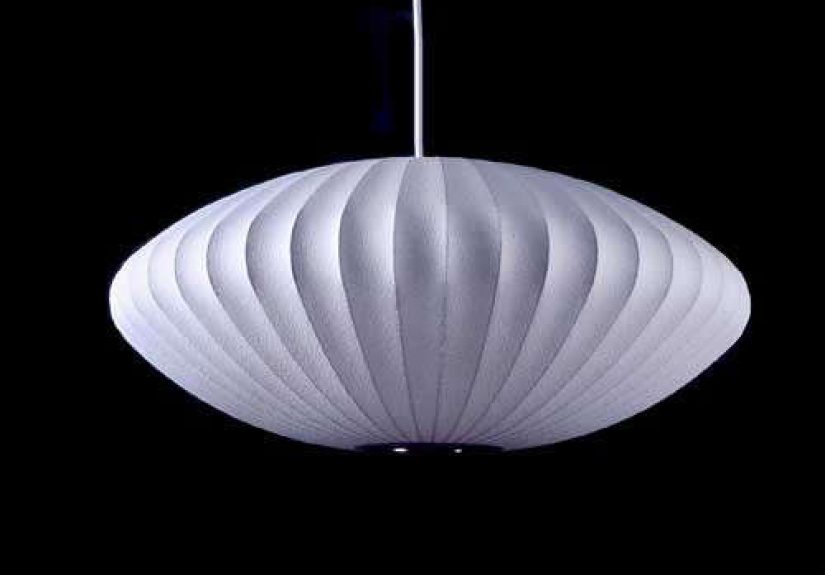
“Saucer lamp” isn’t one single productit’s a shape category. The defining feature is a broad, circular shade (or layered discs) that resembles a saucer.
That saucer can be:
- Rigid and reflective (metal, painted aluminum, brass) to bounce light downward or outward.
- Translucent and diffused (acrylic, polymer, opal glass) to soften the bulb and reduce harshness.
- Layered (stacked discs or double-shade designs) to hide glare and create that “glow, not glare” vibe.
The result is usually a lamp that looks light on its feet (even when it isn’t) and spreads illumination more evenly than a bare-bulb fixture.
One famous example in the saucer universe is the Nelson Saucer Bubble Pendanta wide, softly glowing form that helped define mid-century modern lighting.
Why the Saucer Shape Works (Lighting Science, Minus the Lab Coat)
1) It tames glare without dimming your personality
A big reason saucer lamps feel “comfortable” is that the saucer acts like a visual shield. It blocks direct sightlines to the brightest part of the bulb or LED source,
which means you can sit, eat, and make eye contact like a functional adultwithout squinting at a tiny artificial sun.
2) It spreads light in a more usable way
Many saucer designs push light downward for task needs (tables, counters) while also letting some light diffuse outward for ambience.
The wide shade helps distribute illumination over a larger area, so you’re not stuck with the dreaded “spotlight on one plate, darkness on the rest of dinner” situation.
3) It flatters rooms by keeping sightlines clean
A saucer lamp often reads as a thin line in spaceespecially in pendantsso it can feel modern and airy even when it’s a statement piece.
Think: sculptural, but not screaming.
A Quick (True) Origin Story: Mid-Century Modern’s Glow-Up
Saucer silhouettes are closely tied to mid-century modern design, when homes embraced cleaner lines, warmer minimalism, and lighting that looked like it belonged
in both a magazine and a martini commercial.
A standout chapter comes from George Nelson’s Bubble Lamp seriesdeveloped after he admired a Swedish hanging lamp but didn’t love the price tag.
The idea evolved into softly glowing forms made with a lightweight structure and a translucent skin, eventually becoming iconic in American interiors.
The “saucer” version became a go-to for dining spaces because it’s wide, gentle, and visually balanced.
Types of Saucer Lamps You’ll Actually See in Homes
Saucer pendant lights
The most common: a single wide shade hanging over a table, island, or entry. Some are translucent (soft glow), others are metal reflectors (crisper downlight).
Best for: dining tables, kitchen islands, breakfast nooks, and anywhere you want a centerpiece that doesn’t block the room.
Saucer chandeliers (multi-light)
These use multiple saucer shades on arms or a linear bar. The look is often mid-century “sputnik-adjacent,” but more refined and less “I may launch into orbit.”
Best for: long tables, open-concept dining/living zones, and high ceilings.
Saucer table and desk lamps
Usually a saucer shade sits above or around the bulb to cut glare. Great for reading cornersespecially if you want softer light that doesn’t blast your retinas.
Best for: bedside tables, desks, consoles, and “I swear I’m working” corners.
Saucer wall sconces and flush mounts
A disc shade can work as a wall sconce (often with hidden light) or a flush/semi-flush ceiling fixture.
Best for: hallways, bedrooms, low ceilings, and anywhere you want glow without a hanging fixture.
Where Saucer Lamps Shine: Room-by-Room Placement
Dining table: the saucer’s natural habitat
A saucer pendant is a dining room cheat code: wide enough to visually anchor the table, soft enough to make dinner feel like an event.
A common sizing guideline: choose a fixture that’s roughly 12 inches narrower than the table to keep proportions comfortable and prevent head bumps.
For hanging height, many guides land around 30–36 inches above the tabletop as a practical starting point.
Kitchen island: function first, then pretty
Saucer pendants work beautifully over islands because they deliver light where you chop, read recipes, and pretend you’re on a cooking show.
Leave breathing room at the ends of the island, and keep the pendant low enough for task lighting but high enough that you can still see your guests’ faces.
Bedroom: softer light, better vibes
In bedrooms, saucer lamps excel at producing glow without harshness. A saucer table lamp can reduce direct bulb glare, while a small saucer pendant can act
like jewelry that also happens to be useful.
Living room and entryway: sculptural, not shouty
In an entry, a saucer pendant can feel welcoming instead of interrogation-bright. In living rooms, a saucer floor lamp can provide ambient light that layers well
with sconces and table lamps.
How to Choose the Right Saucer Lamp (Without Regretting It at 11 PM)
Start with the job: mood, task, or both?
If you want task light (dining, kitchen, desk), look for designs that direct light downward and don’t rely on “vibes” alone.
If you want ambient light (living room, bedroom), diffused shades and uplight-friendly designs can make the room feel larger and softer.
Many saucer lamps do bothjust not equally.
Think in lumens, not watts
Modern lighting is about brightness output (lumens). As a rough, real-world frame:
~450 lumens feels like a cozy lamp glow, ~800 lumens is a bright “general use” bulb level,
and larger fixtures can add up quickly with multiple bulbs.
If your saucer shade is very opaque, you may want more lumens (or multiple sources) to avoid a dim “stylish cave” effect.
Pick a color temperature that matches your life
Warm white (often around 2700K–3000K) usually feels cozy and homey.
Cooler light can feel crisper for tasks, but too cool in a bedroom can feel like your lamp is judging your choices.
If you like flexibility, color-tunable LEDs can shift from warm to cool depending on time of day or mood.
Make dimming a feature, not a gamble
If the fixture is dimmable, your bulbs and dimmer need to play nicely together. LEDs can flicker or behave weirdly if the combination isn’t compatible.
Check the fixture specs and use known compatibility tools from major dimmer manufacturers when possible.
When in doubtespecially for hardwired installationsan electrician can help you avoid the “why is my dining room strobing” era.
Don’t ignore safety and certification
For lighting that plugs in or hardwires into your home, look for recognized safety certification marks and clear installation instructions.
If you’re buying vintage or secondhand, assume the wiring may need professional attentionespecially if you see old cloth wiring, brittle insulation, or DIY “creative solutions.”
Materials, Maintenance, and Keeping the Glow Clean
Saucer lamps come in everything from powder-coated metal to polymer shades and opal glass.
The maintenance rule is boring but powerful: dust regularly so the lamp stays bright and doesn’t develop that “attic artifact” patina.
For many plastic or glass shades, a gentle wipe with a microfiber cloth and mild soap solution works.
Avoid abrasive scrubberscloudy scratches are not a design feature.
Fabric-like shades (including some mid-century-inspired diffusers) can be more delicate. Spot-clean cautiously and avoid soaking unless the manufacturer specifically says it’s safe.
Also: always unplug before cleaning, and let bulbs cool firstbecause nobody wants “saucer lamp” to become “saucer-shaped bandage.”
Styling Tips That Make a Saucer Lamp Look Expensive
- Repeat a circle: echo the saucer shape with a round table, mirror, or rug for a cohesive look.
- Layer lighting: one saucer pendant is great, but it shouldn’t have to do emotional labor for the entire room. Add sconces or table lamps.
- Mix finishes thoughtfully: one “hero” metal is enoughthen let everything else support it quietly.
- Use dimmers: the fastest way to make lighting feel high-end is control.
Saucer Lamp Experiences: of Real-World Moments
The funny thing about saucer lamps is that you don’t fully “get it” until you live with one. In photos, you notice the shape. In real life, you notice the mood.
Here are the kinds of moments people tend to have after installing a saucer lamplittle wins that feel oddly satisfying.
1) Dinner suddenly looks like a scene. The first night a saucer pendant goes up over a dining table, the room often feels calmer.
Because the saucer blocks the harsh view of the bulb, faces look softer, plates look more appetizing, and the table becomes the center of gravity.
Even takeout looks like it has a reservation. You also stop squinting during conversations, whichwild conceptmakes people want to stay at the table longer.
2) The kitchen becomes less “operating room.” Over an island, a saucer lamp tends to push light down where you actually need it while keeping the rest of the room comfortable.
The best setups feel bright on the cutting board but not blinding from across the room. If you’ve ever had pendants that made you feel like you were being
interrogated by your own countertops, a saucer shade can be a relief.
3) Nighttime lighting starts behaving like a grown-up. With a dimmer, the saucer lamp can shift from “functional” to “gentle” in seconds.
People often notice they stop relying on the overhead light at full blast. The saucer pendant becomes a soft glow for late snacks, quick chats, and the classic
midnight “Did we lock the door?” patrol.
4) The room feels designedeven if nothing else changed. A saucer lamp is one of those pieces that can make a space look more intentional without adding clutter.
It’s a single object that affects how everything else looks. Furniture edges feel cleaner. Wall colors read richer. Art looks less washed out.
It’s not magic; it’s just better light distribution and less glarebut it feels like a glow-up.
5) You learn the “height matters” lesson fast. Hang it too low, and it’s suddenly the star of every forehead-to-fixture interaction.
Hang it too high, and it becomes a decorative UFO that doesn’t actually light anything. When it’s rightusually in that practical zone where you can see under it
comfortablyit becomes both useful and beautiful. People don’t comment on it as much, and that’s the point: it just works.
6) You start noticing bulbs like it’s your new hobby. Swap in a warmer bulb and the room feels cozy. Go cooler and it feels sharper.
Choose a higher-quality LED and colors look more natural. Many owners end up trying two or three bulbs before finding “the one,” which is normal.
Your lamp is the stage; the bulb is the actor. Casting matters.
7) Cleaning becomes a tiny ritual. Saucer lamps tend to show dust because they’re big and horizontallike a shelf that happens to glow.
The upside: a quick microfiber wipe restores that fresh, even light. It’s one of the few home tasks where the reward is immediate: the room looks better in under a minute.
Conclusion: The Friendly UFO for Your Ceiling
A saucer lamp isn’t just a trendy shapeit’s a practical, flattering way to light a room. The saucer form reduces glare, spreads light more evenly,
and brings a clean, design-forward profile that works with mid-century, modern, Japandi, and even transitional spaces.
Measure thoughtfully, choose the right brightness and color temperature, prioritize dimming and safety, and you’ll get a fixture that feels good every daynot just in photos.







 Close
Close