
Table of Contents >> Show >> Hide
- What Causes Rheumatoid Arthritis Deformities?
- Common Types of Rheumatoid Arthritis Deformities
- Early Warning Signs You Should Not Ignore
- How Doctors Diagnose Rheumatoid Arthritis and Joint Damage
- Medications for Rheumatoid Arthritis Deformities
- Can Rheumatoid Arthritis Deformities Be Reversed?
- Therapy, Splints, and Joint Protection
- When Surgery May Be Considered
- How to Help Prevent RA Deformities
- Living With Rheumatoid Arthritis Deformities
- Experience-Based Insights: What People Often Learn While Managing RA Deformities
- Conclusion
Note: This article is for educational purposes only. Rheumatoid arthritis treatment should always be planned with a qualified healthcare professional, preferably a rheumatologist. Do not start, stop, or change medication without medical guidance.
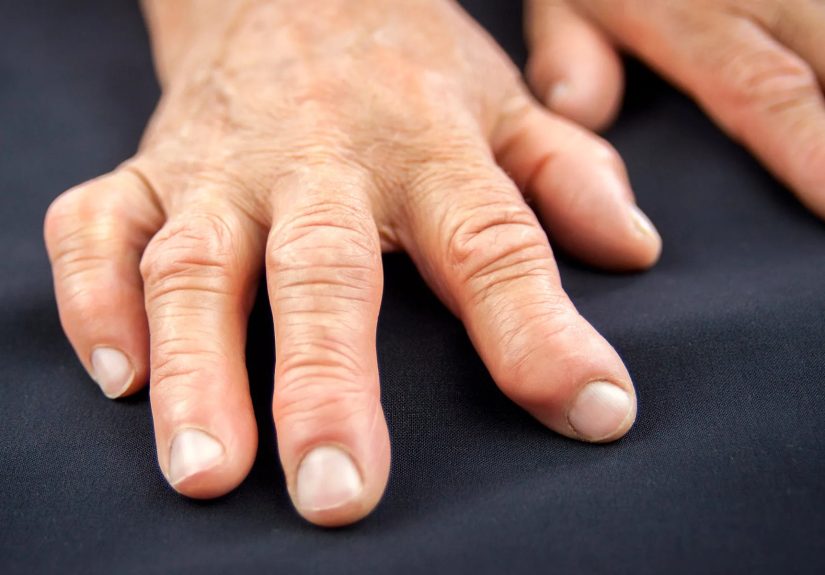
Rheumatoid arthritis deformities sound like something out of a medieval medical textbook, but they are very real, very modern, and thankfully much more manageable today than they were a few decades ago. Rheumatoid arthritis, often shortened to RA, is an autoimmune disease in which the immune system mistakenly attacks the lining of the joints. Instead of politely defending the body against germs, the immune system storms the joint like an overenthusiastic security guard tackling the owner of the building.
Over time, ongoing inflammation can damage cartilage, bone, ligaments, tendons, and the soft tissues that keep joints aligned. When that damage becomes advanced, joints may shift, bend, stiffen, or lose their normal shape. These changes are called rheumatoid arthritis deformities. They most commonly affect the hands, wrists, fingers, feet, and toes, but RA can involve many joints throughout the body.
The good news is that deformities are not inevitable. Early diagnosis, disease-modifying medications, regular monitoring, hand therapy, splints, exercise, and lifestyle adjustments can dramatically reduce the risk of permanent joint damage. In other words, RA may try to rearrange the furniture, but modern treatment can often stop it before it knocks down the walls.
What Causes Rheumatoid Arthritis Deformities?
RA deformities usually begin with inflammation in the synovium, the thin tissue lining the inside of a joint. When the synovium becomes inflamed, it thickens and produces chemicals that can gradually erode cartilage and bone. At the same time, tendons and ligaments may stretch, weaken, or slip out of place. The joint then becomes unstable, and the surrounding muscles may pull it into an abnormal position.
Think of a joint like a tiny, well-engineered door hinge. Cartilage cushions it, ligaments stabilize it, tendons move it, and muscles power it. RA inflammation can loosen the screws, rust the hinge, and warp the frame. Eventually, the door still opens, but not smoothlyand maybe not in the direction you expected.
Several factors may raise the risk of deformities, including long periods of untreated inflammation, severe disease activity, delayed diagnosis, smoking, poor medication response, repeated flares, and inconsistent follow-up care. People with RA should not panic at every ache, but persistent swelling, morning stiffness, grip weakness, or visible joint changes deserve prompt medical attention.
Common Types of Rheumatoid Arthritis Deformities
RA deformities can vary from subtle changes to severe loss of function. Some affect appearance more than movement, while others make everyday tasksopening jars, typing, buttoning shirts, walking, or wearing shoesmuch more difficult.
1. Ulnar Deviation
Ulnar deviation, also called ulnar drift, is one of the classic hand deformities in rheumatoid arthritis. The fingers drift toward the little-finger side of the hand. This usually happens at the metacarpophalangeal joints, which are the large knuckles where the fingers meet the hand.
At first, ulnar deviation may look mild. A person may notice that their fingers seem to lean slightly sideways or that gripping objects feels awkward. As it progresses, the fingers may angle more dramatically, making it harder to hold utensils, write, shake hands, or use a phone. The problem is not just cosmetic. The joint alignment changes how force travels through the hand, so simple tasks can start feeling like tiny engineering projects.
2. Swan-Neck Deformity
Swan-neck deformity affects the fingers. In this pattern, the middle finger joint bends backward too far, while the fingertip joint bends downward. The result can resemble the curved neck of a swan, although actual swans rarely have to deal with prescription refills and insurance paperwork.
This deformity can make it difficult to bend the finger normally. People may struggle to grasp small objects, type comfortably, hold a pen, or pick up coins. Treatment may include medication to control inflammation, splinting, hand therapy, and in severe cases, surgery.
3. Boutonniere Deformity
Boutonniere deformity is almost the opposite of swan-neck deformity. The middle joint of the finger bends downward toward the palm, while the fingertip joint bends backward. It often occurs when inflammation damages or stretches the tendon that normally straightens the middle joint.
The word “boutonniere” comes from the French word for buttonhole, which sounds elegant until you are the person trying to button an actual shirt with stiff fingers. This deformity can interfere with pinching, gripping, and fine hand movements. Early splinting and therapy may help preserve function, while advanced cases sometimes need surgical evaluation.
4. Hitchhiker’s Thumb or Z-Thumb Deformity
In RA, the thumb may develop a zigzag posture sometimes called Z-thumb or hitchhiker’s thumb. The base of the thumb may bend inward while the end joint bends backward. Because the thumb is responsible for oppositionthe movement that lets humans pinch, grip, and proudly open stubborn snack bagsthumb deformity can be especially frustrating.
People with this deformity may have trouble turning keys, opening bottles, holding a toothbrush, or using scissors. Treatment focuses on controlling inflammation, supporting the thumb with splints, improving joint mechanics, and protecting hand function.
5. Wrist Subluxation and Collapse
The wrist is a frequent target of rheumatoid arthritis. Chronic inflammation can weaken the ligaments and damage the small wrist bones, causing partial dislocation, instability, or collapse. The wrist may look swollen or angled, and movement can become painful or limited.
Because wrist position affects finger function, wrist deformity can reduce grip strength even when the fingers themselves are not severely damaged. A bent or unstable wrist changes the entire hand’s mechanics. It is a little like trying to use a fancy kitchen knife while the handle is loosetechnically possible, but nobody is having a great time.
6. Rheumatoid Nodules
Rheumatoid nodules are firm lumps that may develop under the skin, often near pressure points such as elbows, fingers, or forearms. They are not joint deformities in the strictest sense, but they can appear alongside more severe RA and may affect comfort, appearance, or movement depending on their location.
Not every person with RA develops nodules. They are more common in people with certain immune markers and more established disease. Nodules should be assessed by a clinician, especially if they grow quickly, become painful, or resemble another type of lump.
7. Foot and Toe Deformities
RA does not stop at the wrists like a polite houseguest. It often affects the feet and ankles too. Common foot deformities include bunions, claw toes, hammer toes, flatfoot, collapsed arches, and forefoot widening. The toes may curl, overlap, or shift out of alignment.
Foot deformities can make walking painful, limit shoe choices, and create pressure points, calluses, or skin irritation. Some people describe feeling as though they are walking on pebbles. Supportive shoes, custom orthotics, medication, physical therapy, and sometimes surgery may help restore comfort and function.
Early Warning Signs You Should Not Ignore
RA deformities usually do not appear overnight. They often follow months or years of active inflammation. Warning signs include joint swelling, warmth, tenderness, stiffness lasting more than 30 minutes in the morning, reduced grip strength, visible finger drifting, difficulty bending or straightening joints, pain in both hands or both feet, and worsening fatigue.
Symmetry is another clue. RA often affects the same joints on both sides of the body. For example, both wrists or both sets of knuckles may become swollen. That does not mean every case follows the textbook perfectlyRA enjoys keeping doctors humblebut symmetrical small-joint inflammation is a common pattern.
How Doctors Diagnose Rheumatoid Arthritis and Joint Damage
Diagnosis usually involves a combination of medical history, physical examination, blood tests, and imaging. A clinician may check for swollen joints, tender areas, range of motion, grip strength, foot alignment, and signs of inflammation outside the joints.
Blood tests may include rheumatoid factor, anti-CCP antibodies, C-reactive protein, and erythrocyte sedimentation rate. Imaging may include X-rays, ultrasound, or MRI. X-rays can show erosions, joint-space narrowing, and deformity, while ultrasound and MRI may detect earlier inflammation before major damage appears on plain films.
The goal is not simply to put a name on the condition. The real goal is to catch RA early enough to protect the joints before permanent structural damage occurs.
Medications for Rheumatoid Arthritis Deformities
Medications cannot always reverse an established deformity, especially when bone and tendon damage are advanced. However, they can reduce inflammation, relieve symptoms, slow disease progression, and help prevent new deformities. RA treatment is often adjusted over time based on disease activity, side effects, lab results, other health conditions, and patient goals.
Conventional DMARDs
Disease-modifying antirheumatic drugs, or DMARDs, are the backbone of RA treatment. Unlike pain relievers, DMARDs target the disease process itself. They can slow or prevent joint damage and reduce the risk of deformity.
Methotrexate is commonly used as a first-line DMARD for many adults with moderate to high RA disease activity. Other conventional DMARDs include hydroxychloroquine, sulfasalazine, and leflunomide. Sometimes doctors use a combination of these medications, depending on the severity of RA and how the person responds.
These drugs require monitoring. For example, methotrexate may require regular blood tests to check liver function and blood counts. Folic acid is often prescribed with methotrexate to reduce certain side effects. Hydroxychloroquine may require periodic eye exams. The monitoring may sound tedious, but it is basically the safety dashboard for long-term treatment.
Biologic DMARDs
Biologic DMARDs are medications made from living cells or proteins that target specific parts of the immune system. They are often used when conventional DMARDs do not control RA well enough. Biologics may target tumor necrosis factor, interleukin-6, B cells, or T-cell activation.
Examples include adalimumab, etanercept, infliximab, abatacept, rituximab, sarilumab, and tocilizumab. Some are injected at home, while others are given by infusion. Biologics can be very effective for reducing inflammation and protecting joints, but they may increase infection risk. Doctors often screen for tuberculosis, hepatitis, and other concerns before starting therapy.
Targeted Synthetic DMARDs and JAK Inhibitors
Targeted synthetic DMARDs include Janus kinase inhibitors, commonly called JAK inhibitors. These oral medications affect immune signaling pathways involved in inflammation. Examples used in RA include tofacitinib, baricitinib, and upadacitinib.
JAK inhibitors can help some people whose RA has not responded well to other medications. However, they carry important safety warnings, including risks related to serious infections, blood clots, major heart-related events, cancer, and death in certain higher-risk groups. Because of this, treatment decisions should be individualized, especially for people with cardiovascular risk factors, smoking history, older age, or cancer history.
NSAIDs
Nonsteroidal anti-inflammatory drugs, or NSAIDs, include ibuprofen, naproxen, and prescription options. They can reduce pain and stiffness, but they do not prevent joint damage or deformity. In RA, NSAIDs are like turning down the smoke alarm; DMARDs are more like putting out the fire.
NSAIDs can cause side effects such as stomach irritation, bleeding risk, kidney issues, or increased blood pressure in some people. They should be used carefully, especially in people with kidney disease, heart disease, stomach ulcers, or those taking blood thinners.
Corticosteroids
Corticosteroids such as prednisone can quickly reduce inflammation and pain. They may be used short term during flares or while waiting for DMARDs to take effect. Steroid injections may also be used for specific inflamed joints.
Long-term steroid use can cause serious side effects, including bone thinning, weight gain, high blood sugar, cataracts, mood changes, and infection risk. For that reason, many treatment plans aim to use the lowest effective dose for the shortest reasonable time.
Can Rheumatoid Arthritis Deformities Be Reversed?
The answer depends on the type and severity of the deformity. Early soft-tissue changes may improve with inflammation control, splinting, therapy, and joint protection. But once bone erosion, tendon rupture, fixed contracture, or severe joint collapse occurs, medication alone usually cannot restore normal structure.
That does not mean treatment is pointless. Even when deformities already exist, RA treatment can reduce pain, prevent additional damage, improve energy, protect other joints, and slow progression. Function matters more than perfect appearance. A hand that can cook, write, garden, text, or hold a grandchild is a victory, even if the knuckles no longer look like they belong in a jewelry advertisement.
Therapy, Splints, and Joint Protection
Occupational therapy and physical therapy can play a major role in managing RA deformities. A hand therapist may recommend exercises to preserve range of motion, splints to support alignment, adaptive tools, and techniques to reduce stress on painful joints.
Splints may help support the wrist, thumb, fingers, or toes. Some are used during activity, while others are worn at rest. However, splints should be used as directed because too much immobilization can contribute to muscle weakness and stiffness.
Joint protection strategies include using larger handles, carrying bags over the forearm instead of the fingers, pushing doors open with the shoulder or hip, using electric can openers, choosing lightweight cookware, and avoiding prolonged tight gripping. These small changes may sound humble, but they can save a surprising amount of daily wear and tear.
When Surgery May Be Considered
Surgery is usually considered when pain, instability, tendon damage, or loss of function remains severe despite medical treatment and therapy. Options may include synovectomy, tendon repair, tendon transfer, joint fusion, joint replacement, or correction of foot deformities.
Surgery does not cure RA. It addresses mechanical problems caused by damage. The best outcomes often depend on good disease control before and after the procedure, realistic expectations, skilled rehabilitation, and careful planning with both rheumatology and surgical teams.
How to Help Prevent RA Deformities
The most important step is early, consistent treatment. People with symptoms of RA should seek medical evaluation rather than waiting for joints to “toughen up.” Joints are not gym bros; they do not become stronger by being inflamed for six months.
Prevention strategies include taking DMARDs as prescribed, attending regular rheumatology visits, reporting flares early, not smoking, staying active within comfort limits, maintaining a healthy weight, protecting joints during daily tasks, wearing supportive footwear, and following lab-monitoring recommendations.
It also helps to track symptoms. A simple journal noting morning stiffness, swollen joints, pain scores, fatigue, medication changes, and flare triggers can help doctors adjust treatment more effectively. Photos of visible swelling or deformity changes may also be useful during appointments.
Living With Rheumatoid Arthritis Deformities
RA deformities can affect more than joints. They can influence confidence, work, hobbies, sleep, relationships, and independence. A person may feel embarrassed by visible hand changes or frustrated when simple tasks take longer. Those feelings are valid. RA is not a character flaw, and needing tools, braces, rest, or medication is not weakness. It is strategy.
Many people live active, satisfying lives with RA by combining medical treatment with practical adaptation. The right jar opener, supportive shoes, voice-to-text software, ergonomic keyboard, shower grab bar, or compression glove can feel less like a “medical device” and more like a tiny personal assistant that does not ask for a raise.
Experience-Based Insights: What People Often Learn While Managing RA Deformities
One of the biggest real-life lessons about rheumatoid arthritis deformities is that small changes often matter before big ones are needed. Many people do not wake up one morning with dramatic finger deviation or severe toe deformities. Instead, they first notice little annoyances: a ring feels tighter, a coffee mug feels heavier, a favorite pair of shoes rubs in a new place, or morning stiffness hangs around long enough to become an unwanted breakfast guest.
People who manage RA well often learn to respect these early signals. They do not treat every symptom as an emergency, but they also do not ignore persistent swelling. A common experience is realizing that pain is not the only measurement that matters. Swelling, warmth, fatigue, loss of motion, and reduced grip strength can all be signs that inflammation is active even when pain seems tolerable.
Another practical lesson is that medication success may be gradual. DMARDs do not usually work like flipping a light switch. Some take weeks or months to show full benefit. During that waiting period, patients may feel impatient, especially if they are still stiff, sore, or worried about deformities. This is where communication with the rheumatology team becomes essential. Side effects, missed doses, infections, pregnancy plans, vaccine timing, and new symptoms should all be discussed openly.
Hand therapy is another area where experience changes attitudes. At first, splints, exercises, and adaptive tools may feel awkward or even annoying. But many people eventually discover that the right support can reduce pain and preserve independence. A properly fitted wrist brace may make computer work easier. A thumb splint may help with writing. A button hook may rescue a favorite shirt from permanent retirement. These tools are not signs of defeat. They are clever workarounds, and clever counts.
Foot care also becomes a major theme. People with RA frequently learn that stylish shoes and supportive shoes are not always the same species. Wide toe boxes, cushioned soles, custom orthotics, and low heels can reduce pressure on painful forefoot joints and toe deformities. The goal is not to abandon style forever, but to stop shoes from acting like tiny medieval torture chambers.
Emotionally, visible deformities can be difficult. Some people feel self-conscious about their hands in photos, meetings, or social situations. Others worry about losing independence. Support groups, counseling, patient education, and honest conversations with family can help. It is easier to ask for help opening a jar when the people around you understand that RA is not “just sore hands.”
Perhaps the most useful lived insight is this: RA management is a long game. Flares happen. Medication plans change. Some days feel smooth; others feel like the joints filed a formal complaint. But early treatment, persistence, good medical care, and practical adaptations can protect function and quality of life. The goal is not perfection. The goal is to keep moving, keep participating, and keep RA from making all the decisions.
Conclusion
Rheumatoid arthritis deformities are the result of chronic inflammation damaging the structures that keep joints stable and aligned. Common types include ulnar deviation, swan-neck deformity, boutonniere deformity, Z-thumb, wrist collapse, nodules, and foot or toe deformities. These changes can affect appearance, comfort, mobility, and daily function.
The strongest defense is early and consistent treatment. DMARDs, including conventional medications, biologics, and targeted synthetic therapies, can slow disease progression and reduce the risk of permanent damage. NSAIDs and corticosteroids may help control symptoms, but they do not replace disease-modifying treatment. Therapy, splints, supportive footwear, joint protection, and sometimes surgery can also help preserve function.
RA can be serious, but it is not a life sentence to helplessness. With modern care, many people prevent severe deformities, manage symptoms, and continue doing the things that make life feel like lifenot just a calendar full of appointments.







 Close
Close