
Table of Contents >> Show >> Hide
- The 110,000 headline: what the report really measured
- Why restaurants were uniquely vulnerable
- Restrictions and uncertainty turned planning into guesswork
- What other data shows: a demand crash and fast-moving permanency
- Who got hit hardest
- The ripple effects went far beyond dining rooms
- How some restaurants survived
- Relief programs helped, but the gap was still huge
- Lessons from the 110,000-closure era
- Conclusion
- Experiences from the pandemic restaurant front lines
- 1) The owner who learned to read the weather like a financial report
- 2) The server who became a part-time safety manager
- 3) The kitchen that turned into a box factory
- 4) The regular who tried to “tip the future”
- 5) The supplier who watched demand evaporate overnight
- 6) The reopening that didn’t feel like a victory lap
America didn’t just learn how to bake sourdough during COVID-19it learned how fragile its favorite “third place” can be. When dining rooms went dark, the restaurant business didn’t simply hit pause. It scrambled, shrank, reinvented itself… and in many cases, disappeared.
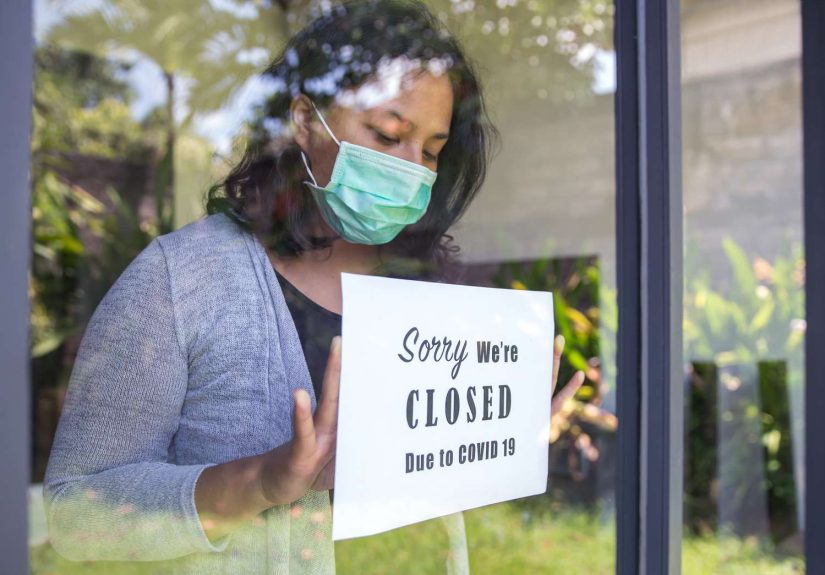
In December 2020, a widely covered industry report delivered a gut punch: more than 110,000 restaurants had closed permanently or for the long term during the pandemicabout one in six establishments at the time. The number stuck because it matched what people saw in their neighborhoods: the diner with the taped-up sign, the bar that “might reopen soon,” the bakery that never posted again.
Below is a clear-eyed look at what that 110,000 figure actually meant, why restaurants were uniquely exposed, and what the closure wave changed in American dining.
The 110,000 headline: what the report really measured
The “over 110,000” estimate was reported in early December 2020 and described restaurants that were closed permanently or long-term. That wording matters. This wasn’t about a quick two-week pause or a normal business turnover. It referred to closures with no clear path backrestaurants that were gone or effectively mothballed.
Another detail from the same research made the number feel even heavier: many of the permanently closed spots weren’t brand-new experiments. The report said these restaurants averaged about 16 years in business, and 16% had been open for at least 30 years.
Three types of pandemic closures
- Temporary closures driven by indoor-dining restrictions, outbreaks, staffing gaps, or cash flow crunches.
- Long-term closures where operations stopped for months with no reopening date.
- Permanent closures where the business ended for good.
By winter 2020, “long-term” often meant “we’re hanging on by a thread.” If the cash ran out before conditions improved, long-term became permanent.
Why restaurants were uniquely vulnerable
Restaurants didn’t fail because owners lacked hustle. They failed because the business model depends on steady traffic, and the pandemic hit demand, operations, and safety all at once.
Fixed costs don’t quarantine
Even with a locked dining room, rent still shows up like a regular who insists on splitting the check 17 different ways. Add insurance, utilities, and equipment leases, and “closed” can still cost thousands per weekespecially in high-rent corridors.
Perishable inventory and vanishing demand
Restaurants buy food to sell food. When customer demand disappeared overnight, inventory became a loss. Some operators donated what they could; others tried meal kits and pop-up groceries. But a lot of foodand cashsimply expired.
Labor is the hardest thing to restart
The industry runs on people: cooks, servers, dishwashers, hosts. When shifts vanished, workers moved on. Reopening later was often less like flipping a switch and more like rebuilding a team from scratch.
Restrictions and uncertainty turned planning into guesswork
In spring 2020, on-premises dining was widely prohibited or restricted, then gradually reintroduced with capacity limitsonly to tighten again during surges. Restaurants had to make expensive bets without reliable timelines: invest in outdoor seating, install barriers, redesign menus, ramp delivery, rehire staff, then risk losing it all if rules changed again. In many markets, operators weren’t asking for perfectionthey were asking for predictability.
What other data shows: a demand crash and fast-moving permanency
The 110,000 figure captured a moment in time. Other datasets help explain the mechanics behind it.
Consumer demand collapsed in real time
Reservation platforms tracked the drop in seated diners and bookings across major U.S. cities. Early in 2020, the year-over-year decline was dramatic, reflecting both shutdowns and consumer fear. When demand falls that quickly, even strong operators can run out of runway.
Early closure tracking suggested many shutdowns became permanent fast
Business listing data in mid-2020 indicated that a large share of restaurant closures were already permanent. That detail matters because it shows how short the survival window was for many independent spotsespecially those without strong takeout models or cash reserves.
Who got hit hardest
The pandemic didn’t treat every concept the same. Risk depended on space, revenue mix, and the type of occasion a restaurant sold.
Full-service dining lost the “experience” part of the business
Full-service restaurants sell more than food: hospitality, pacing, drinks, and social rituals. Takeout can keep a kitchen active, but it rarely replaces the economics of a dining roomespecially when alcohol sales are a major margin driver.
Buffets and cafeteria-style service faced a built-in perception problem
Formats built around shared utensils, crowded lines, and self-serve suddenly looked like the worst possible idea. Employment trends show some sub-sectors, including buffets and cafeterias, saw steep losses early and a slower recovery.
Downtown lunch spots got crushed by remote work
Restaurants that depended on office traffic watched their customer base vanish. Even after restrictions eased, foot traffic didn’t simply bounce back, leaving many lunch-driven businesses without a reliable core audience.
Independent operators had fewer escape hatches
Large chains often had stronger access to capital and digital systems. Independent operators frequently had one location, a lease with personal guarantees, and less room to absorb prolonged losses.
The ripple effects went far beyond dining rooms
Every closure carried a blast radius: workers lost wages and tips; suppliers lost customers; landlords faced vacancies; neighborhoods lost gathering places that anchor local identity. Restaurants are not just where people eatthey’re where communities happen.
How some restaurants survived
Survival was rarely one magic trick. It was stacking enough workable moves to stay afloat.
Takeout, delivery, and simplified menus
Off-premise sales created cash flow, even when margins were thin. Restaurants cut menus to protect speed and consistency, focused on items that traveled well, and built systems for pickup and delivery. Customers learned which foods survive a car ride and which ones… prefer to be eaten within five feet of the fryer.
Outdoor dining as a lifeboat
Sidewalk tables, parking-lot pop-ups, tents, heat lampsif there was a square foot outside, restaurants tried to use it. In many cities, temporary outdoor setups became the difference between “hanging on” and “closing for good.”
Digital ordering and contactless payment
QR codes, online ordering, and contactless payments went mainstream fast. They reduced friction, helped manage capacity, and made it easier for customers to support local spots consistently.
Relief programs helped, but the gap was still huge
Federal relief aimed to keep small businesses afloat. Restaurants experienced a mixed outcome: some got meaningful support, others didn’t, and many found that assistance arrived later than the crisis required.
PPP: useful, but not a full solution
Paycheck Protection Program loans helped many restaurants keep employees connected to payroll during the early shutdown phase. But payroll support didn’t always match the shape of restaurant expensesespecially rent and the costs of reopening safely.
RRF: targeted restaurant aid, heavily oversubscribed
The Restaurant Revitalization Fund was designed specifically for restaurants and similar businesses, providing grants tied to pandemic-related revenue loss (with caps per business and per location). For recipients, it could be the difference between reopening and closing for good. But the program ran out of funding before meeting demand, leaving many eligible operators without grants.
Lessons from the 110,000-closure era
The big lesson wasn’t simply that pandemics are bad for business. It was that resilience is built long before a crisis.
- Cash runway matters. A few extra weeks of liquidity can change the ending.
- Channel diversity matters. Businesses built entirely on full dining rooms are fragile.
- Speed and simplicity matter. Aid that arrives lateor is too complex to accesscan miss the moment it’s meant to save.
- Restaurants are community infrastructure. They generate jobs, foot traffic, and local identity.
Conclusion
“Over 110,000 restaurants closed” is more than a number. It’s a snapshot of an industry losing a meaningful part of its footprintand a reminder of how quickly something as ordinary as dinner out can become complicated.
But it’s also a story of adaptation: sidewalks became dining rooms, menus were redesigned for boxes, and communities found new ways to support favorite spots. The next shock will look different. The lesson won’t: resilience lives at the intersection of finances, flexibility, and people showing up to keep the lights on.
Experiences from the pandemic restaurant front lines
Statistics explain the scale, but experiences explain the ache. Here are a few moments operators, workers, and customers often describe when they talk about the closure wavepresented as composite snapshots that reflect what many people lived through.
1) The owner who learned to read the weather like a financial report
Outdoor dining kept many restaurants alive, but it also turned owners into amateur meteorologists. A warm, dry Saturday could cover payroll; a cold rain could erase a week’s momentum. Operators remember buying tents and heat lamps with money they didn’t really have, then praying the setup passed inspections and didn’t collapse in a wind gust. “Patio season” became a year-round endurance sportand every forecast felt like a verdict.
2) The server who became a part-time safety manager
Serving used to be about hospitality: reading a table, pacing courses, making someone’s night feel easy. In 2020, servers also managed spacing, mask rules, and the awkward moment when a guest insisted the guidelines didn’t apply to them. Many describe emotional whiplashone table tipping generously out of gratitude, the next table arguing over signage. Even when dining rooms reopened, the job carried a new layer of tension: customer service plus crowd control.
3) The kitchen that turned into a box factory
Takeout changes the rhythm of cooking. Plates become containers. Timing becomes unforgiving. A dish that looks brilliant on porcelain can arrive as a soggy mess in a clamshell. Cooks describe months of trial-and-error: venting fried foods, thickening sauces, adjusting portions, and redesigning menus around what could travel. Many kitchens built mini assembly lineslabel, bag, seal, stagebecause one missing item could trigger a refund that wiped out the profit on multiple orders.
4) The regular who tried to “tip the future”
Gift cards became a weird pandemic ritual. Regulars bought them like they were buying hope: “We’ll come back, we promise.” People ordered family packs they didn’t strictly need, added extra sides, and tipped like they were trying to cover next month’s rent. They also remember the heartbreak of the sign that never came down and the social void that followed. A neighborhood can still function without its favorite restaurant, but it doesn’t feel the same doing it.
5) The supplier who watched demand evaporate overnight
Restaurant closures hit the supply chain hard. Distributors and vendors lost predictable orders in a matter of days. Some pivoted to direct-to-consumer boxes; some donated; some discarded products that couldn’t be rerouted in time. The experience made one thing clear: when restaurants shut down, the ripple doesn’t stop at the front doorit travels backward through warehouses, trucks, farms, and small businesses that depend on steady restaurant demand.
6) The reopening that didn’t feel like a victory lap
For restaurants that reopened, the first day back was often more nerve-racking than joyful. Capacity limits changed the math, staffing was thinner, and every new safety step added time. Owners describe reopening as a series of cautious experiments: a smaller menu, fewer tables, shorter hours, and constant recalibration. Then came the realization that recovery wasn’t a straight lineanother surge, another rule change, or another staffing shock could undo months of progress. Many operators say the hardest part wasn’t the first closure; it was reopening with half the revenue and twice the anxiety. They watched reservations, staffing, and local case news like a cockpit dashboard, and they learned to update customers with plain honesty instead of promises. Even when the doors were open, the question hovered: “Will we still be here next month?”
Together, these experiences explain why the 110,000 figure resonated. It wasn’t just a count of businesses. It was a count of disrupted routines, lost gathering places, and people forced to reinvent hospitality while the world told them to keep their distance.






 Close
Close