
Table of Contents >> Show >> Hide
- Why This Chilled Green Soup Works
- Ingredients for Chilled Avocado, Asparagus and Spinach Soup
- How to Make Chilled Avocado, Asparagus and Spinach Soup
- Pro Tips for the Best Chilled Avocado Asparagus Spinach Soup
- Serving Ideas and Pairings
- Storage, Make-Ahead Tips, and Food Safety
- Common Mistakes (and How to Fix Them)
- Recipe Variations to Try
- Conclusion
- Kitchen Experiences and Real-Life Serving Stories (Extra 500+ Words)
Some soups wear sweaters. This one wears sunglasses.
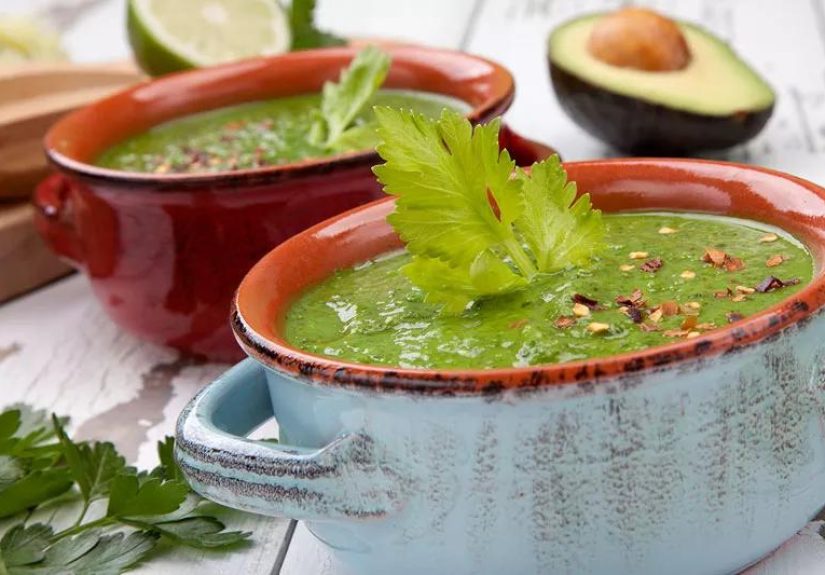
Chilled avocado, asparagus and spinach soup is the kind of recipe that feels fancy enough for brunch guests but easy enough for a Tuesday when your kitchen is hotter than your patience. It’s creamy without needing a heavy cream situation, bright from lemon and herbs, and fresh in a way that makes you feel like you made a very responsible life choice. (Even if you also ate chips while chopping.)
In this guide, you’ll get a deeply practical, flavor-first version of the recipe, plus smart prep tips, texture fixes, serving ideas, and food-safety basics for cold soups. The result is a smooth, green soup that tastes like spring and summer teamed up and decided to be elegant.
Why This Chilled Green Soup Works
It’s creamy without getting heavy
Avocado gives the soup a velvety texture and body, so you don’t need much (or any) dairy. That means the soup feels rich on the spoon, but still light enough for warm weather lunches, starter courses, and outdoor dinners.
Asparagus and spinach bring freshness, color, and structure
Asparagus gives the soup its grassy, slightly sweet backbone, while spinach rounds out the color and softens the flavor. Together, they create a balanced “green” taste instead of a one-note vegetable blast. If you’ve ever had a soup that tasted like someone blended a lawn, this recipe avoids that.
Lemon and herbs keep it lively
A chilled soup needs acidity and aromatics to stay interesting. Lemon juice, garlic, green onion, tarragon, and thyme wake up the avocado and keep the final bowl from tasting flat. Think bright, cool, and savorynot baby food in a martini glass.
Ingredients for Chilled Avocado, Asparagus and Spinach Soup
This version is inspired by classic blended green soup methods and the well-known Cleveland Clinic combination of avocado, asparagus, spinach, lemon, soy sauce, and herbs, with extra technique tips to improve texture and color.
Main Ingredients
- 2 ripe avocados, peeled and pitted
- 2 cups asparagus, chopped (woody ends removed)
- 1 1/2 cups packed fresh spinach
- 2 cups cold water or chilled vegetable broth (for more flavor)
- 2 tablespoons celery, peeled and chopped
- 1 teaspoon green onion, chopped
- 1 teaspoon fresh garlic, minced
- 2 tablespoons lemon juice (plus more to taste)
- 1 1/2 teaspoons fresh tarragon, chopped
- 1/4 teaspoon dried thyme
- 1 to 4 teaspoons low-sodium soy sauce (start low, adjust)
- Pinch of cayenne pepper (optional, but excellent)
- 1/2 teaspoon salt, plus more to taste
- Freshly ground black pepper to taste
Optional Garnishes (Highly Recommended)
- Reserved asparagus tips (blanched and chilled)
- Greek yogurt or sour cream swirl
- Chopped chives or scallions
- Fresh mint, dill, or parsley
- Lemon zest
- Cucumber dice
- Olive oil drizzle
- Croutons or toasted seeds for crunch
Ingredient Swaps and Upgrades
Want a richer soup? Use half broth and half plain yogurt. Want it dairy-free? Stick with vegetable broth and avocado only. Want extra brightness? Add a little lime juice with the lemon. Want more body without more avocado? A few chunks of chilled cucumber or a small cooked potato can help, but keep the flavors balanced.
How to Make Chilled Avocado, Asparagus and Spinach Soup
Step 1: Prep the produce properly
Wash all produce under running water and dry it well. Trim asparagus with a knife rather than snapping every spear by handfaster, less waste, less drama. Cut away any bruised spots on produce before using.
Step 2: Blanch the asparagus for the best color and flavor
Bring a pot of salted water to a boil. Add chopped asparagus (and a few tips for garnish if using) and cook just until bright green and tender-crisp, about 1 to 3 minutes depending on thickness. Transfer immediately to an ice bath, then drain well.
This quick blanch-and-chill step helps preserve that vivid green color and keeps the flavor fresh rather than muddy. If you skip it and overcook the asparagus, the soup can turn olive-toned and lose its springy personality.
Step 3: Blend everything until completely smooth
In a blender (or deep bowl with an immersion blender), combine the avocados, blanched asparagus, spinach, water or broth, celery, green onion, garlic, lemon juice, tarragon, thyme, soy sauce, cayenne, salt, and pepper.
Blend until silky smooth. Stop and scrape down the sides if needed. If the soup is too thick, add more cold broth or water a few tablespoons at a time. Chilled soups thicken as they sit, so aim for a texture slightly looser than you want to serve.
Step 4: Taste and balance
This is the chef moment. Taste the soup and adjust:
- Too flat? Add lemon juice or a tiny splash of soy sauce.
- Too sharp? Add more avocado or a spoonful of yogurt.
- Too thick? Add broth.
- Too thin? Chill longer, or blend in a little more avocado/spinach.
Step 5: Chill before serving
You can serve it immediately if you like a frothy, freshly blended texture, but it’s best after chilling for 30 minutes to 2 hours. Cold soup tastes better when it’s actually cold (a shocking discovery, I know).
For a dinner-party move that looks more expensive than it is, chill the bowls too.
Pro Tips for the Best Chilled Avocado Asparagus Spinach Soup
1) Keep the green color bright
Use the ice bath after blanching asparagus, add lemon juice early, and chill promptly. Oxidation and heat dull green soups fast. If making ahead, press plastic wrap directly on the surface to limit air exposure.
2) Use ripe avocados, not hopeful avocados
A ripe avocado should yield slightly when pressed. Underripe avocados can make the soup taste grassy and feel chalky. Overripe avocados can taste bitter or oxidized.
3) Build flavor with broth, not just water
Water works, but chilled vegetable broth adds depth without extra work. Since cold temperatures mute flavor, the broth helps the soup taste more complete.
4) Strain if you want restaurant-style texture
If your blender is not high-powered, pass the soup through a fine-mesh sieve. It’s optional, but it creates a smoother finish and removes any stringy asparagus fibers.
5) Garnish for contrast
Chilled soups love texture. A creamy soup with crunchy cucumber, herbs, or toasted seeds is instantly more satisfying and more photogenic. Your spoon will thank you.
Serving Ideas and Pairings
As a light lunch
Serve a bowl with toasted sourdough, a tomato salad, or a turkey sandwich. The soup is cooling and creamy, so a crisp side gives great contrast.
As a starter for brunch or dinner parties
Small cups or glasses of chilled green soup look elegant and take pressure off the main course. Top each serving with a yogurt swirl, herbs, and a few asparagus tips for a polished presentation.
As a warm-weather meal prep option
Portion into jars for easy grab-and-go lunches. Keep garnishes separate until serving so everything stays fresh and crunchy.
Storage, Make-Ahead Tips, and Food Safety
Because this is a blended vegetable soup served cold, clean prep and proper chilling matter. Wash produce under running water (no soap or produce wash), keep prep surfaces clean, and avoid cross-contamination with raw meat tools or boards.
Refrigerate the soup promptly and keep it cold (40°F or below). Don’t leave it out at room temperature for more than 2 hours (or 1 hour in very hot conditions). For best texture and color, serve the same day or within 24 hours. It can still be fine the next day, but avocado-based soups may darken and thicken over time.
Stir well before serving leftovers. If the color has dulled, a fresh squeeze of lemon and a few herbs can bring it back to life.
Common Mistakes (and How to Fix Them)
The soup tastes bland
Cold foods need stronger seasoning. Add more lemon, salt, pepper, or a touch more soy sauce. Taste again after chilling, because flavors change as the soup cools.
The soup is too thick
Avocado thickens a lot when chilled. Thin with cold broth one tablespoon at a time until pourable but still creamy.
The soup turned dark green or brownish
Usually this is from oxidation or overcooked greens. Next time: blanch quickly, shock in ice water, and add enough acid. For today, garnish generously and call it “deep emerald.” Confidence is seasoning.
The texture is stringy
Asparagus fibers can sneak through. Blend longer and strain through a mesh sieve. Also make sure tough woody ends are fully removed before cooking.
Recipe Variations to Try
Chilled Avocado Asparagus Soup with Yogurt
Add 1/4 to 1/2 cup plain Greek yogurt for extra tang and creaminess. This works especially well if you want a more classic chilled-soup feel.
Herby Green Goddess Version
Add fresh dill, parsley, and chives. Finish with a drizzle of olive oil and cucumber dice. Great for brunch spreads.
Spicy Summer Version
Increase cayenne slightly or add a small piece of jalapeño. Balance with extra lemon and a yogurt garnish.
Protein-Boosted Lunch Bowl
Top with chilled shrimp, white beans, or a soft-boiled egg on the side. Suddenly it’s lunch, not just “a lovely starter.”
Conclusion
If you want a soup that feels fresh, modern, and genuinely useful for warm weather, chilled avocado, asparagus and spinach soup deserves a spot in your rotation. It’s easy to blend, easy to customize, and impressive enough to serve to guests without pretending you trained in Paris.
The key is simple: bright green vegetables, ripe avocado, enough acid, and proper chilling. Do that, and you’ll get a creamy, elegant soup with real flavornot just a pretty color. Make it once, and it may become your go-to “I need something cool, healthy, and weirdly fancy” recipe.
Kitchen Experiences and Real-Life Serving Stories (Extra 500+ Words)
The first time I made a chilled avocado, asparagus and spinach soup, it was one of those afternoons when turning on the oven felt like a personal attack. I wanted something fresh and healthy, but I also wanted it to feel like an actual mealnot a sad plate of cucumber slices and ambition. This soup solved that immediately.
What surprised me most was the reaction from people who usually “don’t do green soup.” You know the type: they hear spinach and start imagining a bowl of hot smoothie. But once they taste it, the avocado changes everything. It makes the soup creamy and luxurious, and the asparagus gives it that clean, spring flavor that feels bright instead of heavy. Add lemon and herbs, and suddenly people are asking for the recipe while still holding the spoon.
I’ve also learned that this recipe is fantastic for casual entertaining because it actually likes being made ahead. When guests are coming over, I blend the soup a few hours early, chill it, and keep a small tray of garnishes ready in the fridge: chopped chives, cucumber, lemon zest, yogurt, maybe a few toasted pumpkin seeds. Then when it’s time to serve, everyone gets the same base soup but can top it how they like. It feels interactive and a little fancy, even though the blender did most of the work.
Another great use: small servings in cups for brunch. I once served it alongside mini quiches and toast, and it ended up being the thing people talked about. Cold soup in a brunch spread feels unexpected in the best way. It cuts through richer foods, and the color makes the table look like you hired a stylist. (I did not. I just wiped the bowl rims with a paper towel and acted confident.)
For meal prep, I’ve had the best results storing the soup in individual jars and keeping the garnishes separate. The texture stays better, and the soup is ready for quick lunches. A squeeze of lemon before eating helps if the color has darkened a little. I don’t stress if it’s not neon green by day twoit still tastes good, and garnish covers a lot of sins.
One lesson learned the hard way: season after chilling, not just before. The first batch I made tasted perfect warm-ish from the blender and then mysteriously bland after an hour in the fridge. Cold mutes flavor. Now I always do a final taste test right before serving and usually add a pinch more salt, black pepper, or lemon juice. Tiny adjustment, huge difference.
If you’re cooking for kids or cautious eaters, start with mild garnishes and serve it with something familiar like grilled cheese strips, crackers, or toasted bread. Framing matters. “Green vegetable puree” gets side-eye. “Cool avocado soup dip with toast sticks” gets curiosity. Same bowl, different marketing.
That’s probably my favorite thing about this recipe: it can be elegant, practical, healthy, and flexible at the same time. It works for solo lunches, dinner party starters, and hot days when you want real food without standing over the stove. In other words, it earns repeat statuswhich is the highest compliment any recipe can get.






 Close
Close