
Table of Contents >> Show >> Hide
- What’s the “Radioactive Shrimp Recall,” and Why Is It Expanding?
- Which Frozen Shrimp Products and Retailers Are Included?
- What Is Cesium-137, and How Does It End Up Near Food?
- How Big Is the Risk? (The “Should I Panic?” Section)
- What To Do If You Have Recalled Shrimp in Your Freezer
- Why Recalls Keep Growing: Supply Chains, Traceability, and “Same Shrimp, Different Label”
- What Happened in Indonesia? The “How Does This Even Happen?” Mystery
- FAQ: The Questions Everyone Asks (Usually While Holding a Shrimp Bag)
- Conclusion: Practical Takeaways (No Geiger Counter Required)
- Extra: Real-World Experiences and Lessons From Recall Season (500+ Words)
If you’ve ever opened your freezer and thought, “Nicedinner is basically done,” this is one of those weeks where the freezer fights back.
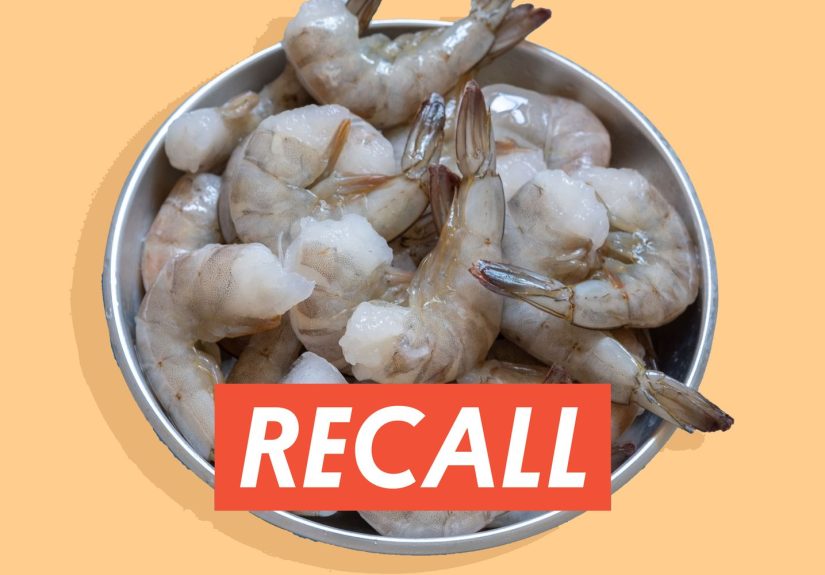
A growing frozen shrimp recall has expanded to include additional products sold under Publix and other retail labels, after concerns that some shrimp
may have been exposed to Cesium-137 (Cs-137), a radioactive isotope. The good news: this isn’t a “glowing shrimp” horror movie, and officials have repeatedly
described the overall risk as lowespecially for one-time exposure. The bad news: nobody wants their shrimp involved in a radiation plotline.
This article breaks down what’s happening, why the recall keeps expanding, which stores and brands have been named, what “Cesium-137” actually means in human terms,
and exactly what to do if you spot the affected products in your freezer. We’ll keep it clear, practical, and yesslightly amused that we live in a timeline where
“radioactive shrimp recall” is a real phrase.
What’s the “Radioactive Shrimp Recall,” and Why Is It Expanding?
The core issue is this: U.S. regulators and companies have been tracing shrimp products linked to an Indonesian processor,
PT Bahari Makmur Sejati (also known as BMS Foods), after Cs-137 was detected in shipping containers and in at least one detained shrimp sample tied to the supply chain.
The FDA’s public updates emphasize a key nuance: some of the shrimp that triggered alerts or tested positive did not enter U.S. commerceyet recalls still expanded
because products may have been prepared, packed, or held under conditions that could allow contamination, and because regulators aim to reduce long-term exposure risk.
Think of it like a leaky roof in a warehouse. Even if you didn’t see water dripping on your box, if it sat under the same roof, you don’t call that “dry”you call it “concerning.”
That’s basically how precautionary recalls work, especially when the contaminant is something nobody wants anywhere near a dinner plate.
A quick timeline (because this story has chapters)
- August 2025: The FDA issued warnings and companies initiated recalls involving frozen shrimp tied to Cs-137 concerns, including products sold at major retailers.
- September 2025: Additional recall actions expanded to more shrimp products and brands as tracing continued.
- October 17, 2025: AquaStar announced a recall of frozen raw shrimp sold under multiple brand names, including Publix.
- December 19, 2025: Another large recall action was announced involving Market 32 and Waterfront Bistro branded products.
The “expands to more products” part happens when investigators connect additional lots, brands, or distributors to the same upstream source,
or when companies determine their products were handled in environments that may have been exposed to Cs-137.
Which Frozen Shrimp Products and Retailers Are Included?
This is the part where everyone stares into their freezer like it owes them money.
The recall landscape includes multiple brands and store labels, and it can vary by state and distribution window.
Instead of pasting an overwhelming wall of SKU codes, here’s a clear map of what has been publicly namedplus examples of how to identify products.
Publix and “store brand” shrimp
One of the most attention-grabbing expansions involved shrimp sold under the Publix label through a recall tied to AquaStar’s distribution.
The FDA notice for the AquaStar action lists brand names including AquaStar, Best Yet, Waterfront Bistro, and Publix,
describing the concern as potential exposure to “very low levels” of Cs-137 (with no reported illnesses and notes that products listed did not test positive).
Other retailers and labels mentioned across recall actions
The broader cluster of shrimp recall actions has included products sold at or distributed through major grocery ecosystems,
including Walmart (Great Value), Kroger and affiliated banners, and other regional chains tied to specific distributors.
Public reporting and FDA postings have also named labels such as Market 32, Waterfront Bistro, and others in separate recall announcements.
Examples of affected-product identifiers (what to actually look for)
Always use the exact brand + product name + lot code + best-by date on your package to confirm.
Here are a few examples that illustrate what “identify the product” looks like in real life:
- Great Value (Walmart): Some recall communications described 2-pound bags of frozen raw shrimp with specific lot codes and a best-by date (check your bag for exact matches).
- AquaStar-related frozen raw shrimp: Certain expanded lists included detailed UPC and lot-code combinations for various sizes and “EZ-peel” formats.
- Market 32 / Waterfront Bistro (regional): Some recall postings included 1-lb or 2-lb bags with UPC codes and “Best By” dates in 2027 (again: match exactly to your package).
Best practice: If you shop at Publix, Kroger-family stores, Walmart, or regional grocery chains and you’ve bought frozen shrimp in 2025,
do a quick audit. It takes five minutes, and it’s dramatically cheaper than turning dinner into a science project.
What Is Cesium-137, and How Does It End Up Near Food?
Cesium-137 is a radioactive isotope produced by nuclear fission.
It can be associated with industrial sources (like gauges), medical devices, historical nuclear weapons testing, and nuclear reactor accidents.
In large, concentrated amounts, it’s dangerous; in tiny background amounts, it’s part of the environment humans live in.
Health agencies explain that external exposure to large amounts can cause burns and acute radiation sickness,
while internal exposure (ingestion or inhalation) can distribute Cs-137 in soft tissuesespecially muscle tissue
increasing cancer risk over time. The key phrase there is over time.
So… is this shrimp “radioactive” like a comic book origin story?
No. This situation has been described as involving very low levels of Cs-137 in the context of certain samples and alerts,
with officials emphasizing that the risk is generally considered low, and that recalls are precautionary to reduce potential long-term exposure.
The recall language can sound alarming because “radioactive” is an emotionally loaded word (understatement of the century),
but the practical takeaway is: don’t eat affected lots and follow recall instructions.
How Big Is the Risk? (The “Should I Panic?” Section)
Let’s separate “serious” from “sensational.” Several public updates and reports have noted that detected levels referenced in this case
were below the FDA’s Derived Intervention Level for Cs-137 in food. In other words, this isn’t being framed as an immediate,
acute poisoning event for most consumers.
Here’s the balancing act regulators are doing:
- Acute hazard: At the levels discussed publicly, agencies have indicated the product would not pose an acute hazard to consumers.
-
Long-term exposure: Even low-level radiation exposure can contribute to risk over time, especially if consumed repeatedly,
which is why the FDA approach focuses on reducing avoidable exposure and tracing product pathways. -
Uncertainty factor: When contamination is linked to a supply chain and shipping containers, investigators treat it seriously until the source,
scope, and pathways are confidently mapped.
Translation: You don’t need to sprint away from your freezer like it’s a ticking Geiger counter, but you do need to check the bag,
and you shouldn’t “risk it” by cooking and eating a product that matches recall identifiers.
What To Do If You Have Recalled Shrimp in Your Freezer
If your package matches the recall details (brand, UPC, lot code, best-by date), treat it like a bad dating app match: do not proceed.
Step-by-step checklist
- Don’t eat it. No taste test. No “it smells fine.” This isn’t that kind of problem.
- Save the packaging. You’ll need the lot code/UPC/best-by date for confirmation and refunds.
-
Follow the retailer guidance: Many recall notices advise returning the product to the place of purchase for a refund,
or disposing of it if return isn’t practical. -
Clean up like a normal person, not like a hazmat team: If the product is sealed, contamination transfer risk is low,
but it’s still smart to wash hands and wipe surfaces after handling. -
If you’re worried about exposure: Talk to a healthcare providerespecially if you consumed the product repeatedly over time.
For most people, this will be reassurance, not emergency treatment.
Can you “cook off” Cs-137?
No. Heat kills bacteria; it doesn’t remove radioactive isotopes. If a product is recalled for this reason, cooking is not a workaround.
Why Recalls Keep Growing: Supply Chains, Traceability, and “Same Shrimp, Different Label”
Frozen seafood is a masterclass in global logistics. Shrimp can be farmed in one place, processed in another, packed under multiple brand labels,
shipped through containers that hold other goods, and then distributed to dozens of retailerssometimes under private-label brands that look totally unrelated.
That’s why the recall story looks like it’s “expanding” every time you refresh the news. It’s not necessarily that the risk is escalating by the hour;
it’s often that investigators are identifying additional downstream products that share upstream exposure pathways.
Import alerts and the “stop the pipeline” approach
When regulators suspect a systemic issue, they can move from “warn consumers” to “stop future shipments.”
Public updates have described adding certain firms to import alerts and denying entry to affected goods, aiming to prevent more product from reaching shelves
while investigations continue.
What Happened in Indonesia? The “How Does This Even Happen?” Mystery
Reporting around the incident has pointed toward contamination linked to industrial activity near processing areas, including concerns about radioactive material
associated with scrap metal or industrial facilities. That kind of source matters because it determines whether this was a one-off logistics issue
or a broader contamination problem that requires long-term controls.
Separate reporting has also noted economic impacts on Indonesia’s shrimp sector following the discovery, which is a reminder that food safety incidents ripple outward:
consumers worry, retailers pull product, and entire export categories can get scrutinized harderfast.
FAQ: The Questions Everyone Asks (Usually While Holding a Shrimp Bag)
Is all shrimp from Publix or other retailers unsafe?
No. Recalls apply to specific products and lots. If your package doesn’t match the recall identifiers, it is not part of the recall.
When in doubt, compare your bag’s codes and dates to the recall details.
Did anyone get sick?
Multiple recall notices and reporting have stated no illnesses have been reported in connection with certain parts of this recall activity.
The focus is precautionary risk reduction, especially for long-term exposure scenarios.
Why recall products if some didn’t test positive?
Because food safety sometimes works like aviation safety: if a part is suspected to be compromised, you don’t wait for a crash.
The FDA has explained that recalls can be recommended when products appear to have been prepared or held under insanitary conditions that could allow contamination,
even if testing hasn’t confirmed contamination in products already in commerce.
What should restaurants and caterers do?
Treat it like any serious recall: check inventory, isolate matching lots, stop serving, contact suppliers, and document returns/disposal.
Large-volume buyers are often a key focus in traceability investigations.
Conclusion: Practical Takeaways (No Geiger Counter Required)
The radioactive shrimp recall is unsettling mostly because the word “radioactive” has a very loud voice.
But the actual public guidance is straightforward: check your frozen shrimp packaging, match it against recall identifiers,
and don’t consume products that are includedespecially those sold under expanding lists that now include Publix and other retail labels.
If there’s a silver lining, it’s that the system is doing what it’s supposed to do: detect anomalies, trace products,
and remove potentially affected items from shelves before widespread harm occurs. Your job is the easy part:
open freezer, read label, make a boringly responsible decision, and then reward yourself with literally any other dinner.
Extra: Real-World Experiences and Lessons From Recall Season (500+ Words)
If you’ve never lived through a food recall that hits something you actually buy, congratulationsyou’ve been spared a very specific kind of modern inconvenience:
the moment you realize your “quick weeknight protein” has been upgraded to “breaking news.”
Here’s what people tend to experience during a headline-grabbing recall like the Publix frozen shrimp recall expansionand how to handle it without turning your kitchen into a panic room.
1) The Freezer Audit Spiral
It starts simple: “I’ll just check that one bag.” Then you discover three other shrimp bags, two mystery seafood bricks, and something wrapped in foil that might be lasagna… or a long-lost science experiment.
A recall forces a household “inventory moment” most of us avoid, because it requires reading tiny codes that appear to be printed by a spider running across the packaging.
The best approach is to treat it like a mini mission:
pull shrimp products out, group by brand, and look specifically for the items that match recall identifiers (brand name, UPC, lot code, best-by date).
If it doesn’t match, put it back. If it matches, set it aside. If it’s unidentifiable, don’t play culinary rouletteerr on the side of caution.
2) The “But I Already Ate It” Anxiety
This is the most common emotional arc. Someone reads a headline after they’ve cooked shrimp last week and instantly imagines their body filing a complaint.
With Cs-137 concerns, public health messaging repeatedly emphasizes that the bigger concern is long-term, repeated exposure, not a single meal.
That doesn’t mean you ignore itit means you take practical steps: check if what you bought matches recall details, stop consuming that product, and talk to a healthcare provider if you’re worried.
The mental trick that helps: focus on what you can control today (identify product, stop use, follow refund/disposal guidance) instead of replaying last Tuesday’s dinner.
Recalls are designed to prevent ongoing exposure, not to shame you for making shrimp tacos.
3) The Refund Reality Check
People love the idea of “return for a full refund” right up until they remember they opened the bag, used half, and now the package looks like it survived a backpack trip.
Retailers vary: some ask for the package, others accept a photo, some provide store credit, and some just tell you to dispose of it.
The practical move is to keep the packaging long enough to capture the key identifiers (UPC, lot code, best-by date), then follow the retailer’s instructions.
And yes, it’s awkward to carry a bag labeled “shrimp” back into a store like you’re returning a sweater.
But retailers would rather refund a shrimp bag than explain why they didn’t.
4) The “What Do I Cook Instead?” Problem
Recalls don’t just remove foodthey remove plans. People had shrimp cocktail for a party, shrimp stir-fry for meal prep, or a fancy “seafood night” that now feels cursed.
This is where flexibility saves the week. Swap shrimp for alternatives that keep the recipe structure:
- Scampi or stir-fry: use chicken, tofu, or scallops from a trusted source.
- Tacos: use white fish, shredded chicken, or roasted cauliflower (surprisingly excellent).
- Party trays: pivot to smoked salmon, crab dip, or a charcuterie spread that doesn’t come with nuclear vocabulary.
5) The Long Game: Becoming a “Label Reader” Person
The sneaky outcome of a recall is that it turns casual shoppers into people who know what a lot code is.
After you’ve been burned once (not literallythankfully), you start scanning packaging a little more.
You notice where something was processed, you pay attention to brand names that are actually private-label wrappers, and you learn that “frozen raw shrimp” can appear under ten different store identities.
The goal isn’t paranoia. It’s competence. When a recall headline hits, you can check your freezer calmly, confirm what you have,
and move onwithout doomscrolling yourself into a stress smoothie.
In short: the radioactive shrimp recall expansion is inconvenient, weirdly memorable, and absolutely manageable.
Keep the process simplematch identifiers, don’t consume recalled items, follow refund/disposal guidanceand let dinner be normal again as quickly as possible.






 Close
Close