
Table of Contents >> Show >> Hide
- What Is Radiation Therapy?
- When Is Radiation Therapy Used for Non-Hodgkin's Lymphoma?
- Types of Radiation Therapy Used in NHL
- How Treatment Is Planned
- Possible Benefits of Radiation Therapy
- Common Side Effects
- Long-Term and Late Effects
- How to Prepare for Radiation Therapy
- Questions to Ask the Radiation Oncologist
- Radiation Therapy Compared With Other NHL Treatments
- What Follow-Up Looks Like After Radiation
- Common Myths About Radiation Therapy for NHL
- Experiences Related to Radiation Therapy for Non-Hodgkin's Lymphoma: What Patients Often Wish They Knew
- Conclusion
- SEO Tags
Radiation therapy for non-Hodgkin’s lymphoma can sound intimidating at first, mostly because the word “radiation” has a way of making people imagine science-fiction control rooms and blinking red buttons. In real cancer care, however, radiation therapy is usually a carefully planned, highly targeted treatment designed to damage lymphoma cells while protecting as much healthy tissue as possible.
Non-Hodgkin’s lymphoma, often shortened to NHL, is not one single disease. It is a broad group of blood cancers that begin in lymphocytes, a type of white blood cell involved in immune defense. Some forms grow slowly and may be watched for a time. Others grow quickly and need prompt treatment. Because NHL behaves differently from person to person, radiation therapy may be used in several ways: as the main treatment for certain early-stage lymphomas, after chemotherapy to clean up a remaining area, as part of treatment for bulky disease, or to relieve symptoms such as pain or pressure.
What Is Radiation Therapy?
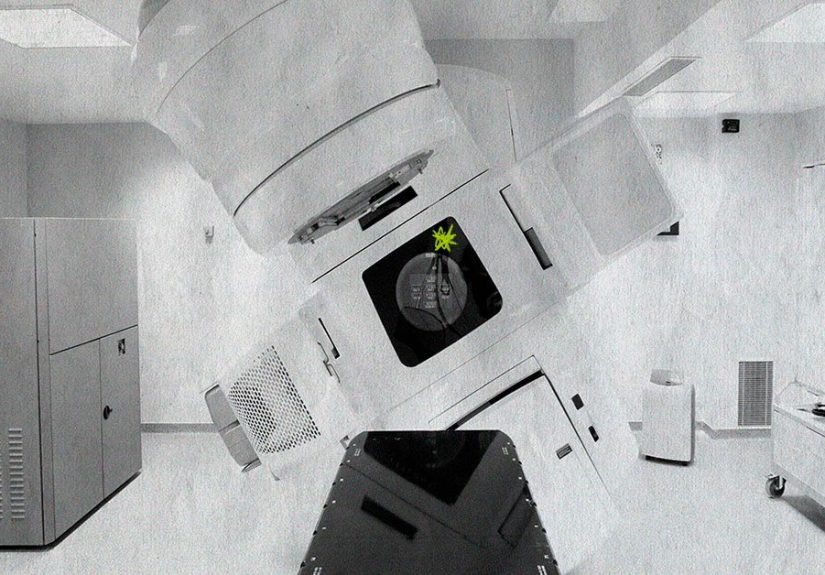
Radiation therapy, also called radiotherapy, uses high-energy beams to kill cancer cells or stop them from growing. For non-Hodgkin’s lymphoma, the most common form is external beam radiation therapy. A machine outside the body, usually a linear accelerator, directs radiation toward the area where lymphoma is located.
The treatment is local, meaning it focuses on a specific area rather than traveling throughout the whole body like chemotherapy, immunotherapy, or targeted therapy. That local focus is one reason radiation can be useful when lymphoma is limited to one region, causing symptoms in one spot, or leaving behind a suspicious area after systemic therapy.
Modern radiation therapy is not a “blast everything and hope for the best” approach. Radiation oncologists use imaging, computer planning, and careful positioning to shape the dose around the lymphoma site. The goal is to treat the cancer effectively while reducing exposure to nearby organs such as the heart, lungs, thyroid, bowel, salivary glands, or reproductive organs.
When Is Radiation Therapy Used for Non-Hodgkin’s Lymphoma?
The role of radiation depends on the NHL subtype, stage, location, symptoms, prior treatments, and overall health. In other words, there is no one-size-fits-all radiation plan. Lymphoma treatment is more like tailoring a suit than buying a hoodie from a bargain bin.
Early-stage, slow-growing lymphoma
Some indolent, or slow-growing, lymphomas are found in one or a few nearby lymph node areas. In selected cases, radiation therapy may be used as the main treatment. Follicular lymphoma is one example where localized disease may respond very well to carefully targeted radiation.
Aggressive lymphoma with limited disease
For faster-growing lymphomas, such as diffuse large B-cell lymphoma, radiation may be combined with chemotherapy and immunotherapy. A common example is treatment that starts with a regimen such as R-CHOP, followed by radiation to an original bulky site or a remaining area of concern. The exact plan varies, and many patients do not need radiation at all.
Bulky disease
“Bulky” lymphoma means the tumor mass is large. Even when systemic treatment shrinks the lymphoma, doctors may consider radiation to reduce the chance of local recurrence in the area where the mass was largest. This decision depends on response to treatment, PET or CT scan results, and the risks of treating that body region.
Symptom relief, also called palliative radiation
Radiation therapy may help relieve symptoms when lymphoma presses on nerves, bones, organs, or blood vessels. Palliative radiation does not mean “giving up.” It means using treatment to improve comfort, function, and quality of life. A short course may reduce pain, swelling, bleeding, or pressure-related symptoms.
Before stem cell transplant
In some cases, radiation may be part of preparation for a stem cell transplant. Total body irradiation is much less common than localized radiation, but it may be used in selected transplant settings. This is a specialized approach and is planned very carefully because it affects the entire body.
Types of Radiation Therapy Used in NHL
External beam radiation therapy
External beam radiation therapy is the standard approach for most people with NHL who receive radiation. It is noninvasive, does not make the patient radioactive, and is usually done in an outpatient radiation center. The actual treatment often takes only a few minutes, although setup and positioning can make the appointment longer.
Involved-site radiation therapy
Modern lymphoma radiation often uses an approach called involved-site radiation therapy. Instead of treating very large regions, doctors aim at the known lymphoma site and a carefully planned margin. This smaller-field strategy is designed to maintain effectiveness while lowering the risk of side effects.
Low-dose radiation
For some slow-growing lymphomas, very low-dose radiation may be used to control symptoms or shrink a specific area. It may involve fewer treatment sessions than standard-dose therapy. Low-dose treatment is not right for every situation, but it can be useful when the goal is symptom relief or local control with a lighter treatment burden.
Radioimmunotherapy
Radioimmunotherapy combines a radioactive particle with an antibody that targets lymphoma cells. It is different from external beam radiation. This approach has been used mainly in certain B-cell lymphomas, but its availability and use vary. Patients should ask their oncology team whether it is relevant to their lymphoma subtype and treatment history.
How Treatment Is Planned
Radiation therapy begins before the first beam is delivered. Planning is one of the most important parts of treatment, and it is where the care team turns imaging, anatomy, and cancer biology into a personalized map.
Consultation
The first step is usually a visit with a radiation oncologist. This doctor reviews the diagnosis, biopsy results, scans, prior treatments, symptoms, and medical history. The visit may include a physical exam and a discussion of goals, benefits, risks, and alternatives.
Simulation
Simulation is a planning session, not the treatment itself. The team may perform a CT scan in the exact position used for treatment. Depending on the treatment area, patients may need a custom mask, cushion, or mold to help them stay still. Small skin marks or temporary marks may be used to line up the machine accurately each day.
Treatment planning
After simulation, the radiation team designs the plan. They decide the dose, number of sessions, beam angles, and protection strategy for nearby organs. Medical physicists and dosimetrists help calculate how to deliver the prescribed dose safely.
Daily treatments
Most radiation schedules are divided into small daily doses called fractions. Treatment may be given five days per week for one to several weeks, depending on the lymphoma type, location, and treatment goal. Each session is painless. Patients do not see or feel the radiation, and they can usually go home right afterward.
Possible Benefits of Radiation Therapy
Radiation therapy can be powerful because lymphoma cells are often sensitive to radiation. In the right situation, it may provide excellent control of disease in a specific area. For localized indolent lymphoma, radiation may be the primary treatment. For aggressive lymphoma, it may support systemic therapy by treating a high-risk site.
Another benefit is speed. When lymphoma causes pain or pressure, radiation may relieve symptoms relatively quickly, although the full effect can take days to weeks. Because it is usually outpatient, many people continue parts of their normal routine during treatment, though fatigue can make the calendar feel heavier than usual.
Radiation also offers precision. Modern planning can reduce exposure to healthy tissues compared with older, larger-field techniques. That does not eliminate risk, but it helps the team balance cancer control with long-term safety.
Common Side Effects
Side effects depend mainly on the body part being treated, the dose, the number of sessions, and whether radiation is combined with chemotherapy. Not everyone has the same experience. Some people have mild side effects. Others feel like their energy battery has switched to low-power mode.
Fatigue
Fatigue is one of the most common side effects of radiation therapy. It can build gradually during treatment and may last for a while afterward. It is not always fixed by one good night of sleep. Gentle movement, hydration, balanced meals, and realistic scheduling can help, but patients should report severe or sudden fatigue to their care team.
Skin changes
The skin in the treated area may become red, dry, itchy, tender, or darker. Some people describe it as a sunburn-like reaction. The care team may recommend mild soap, fragrance-free moisturizer, loose clothing, and avoiding heat or harsh products on the treated area.
Hair loss in the treated area
Radiation can cause hair loss only where the beam enters or exits the body. For example, radiation to the neck may affect beard growth in that area, while radiation to the abdomen will not cause scalp hair loss.
Mouth, throat, and swallowing problems
Radiation to the head, neck, or upper chest may cause sore throat, mouth irritation, taste changes, dry mouth, or trouble swallowing. A dietitian, dentist, or speech-swallow specialist may be involved if symptoms are significant.
Nausea, diarrhea, or appetite changes
Radiation near the stomach, abdomen, or pelvis may cause nausea, cramping, diarrhea, or appetite changes. These symptoms are often manageable with diet adjustments and medications. Patients should not assume they simply have to “tough it out.” Oncology teams have many tools for symptom control.
Low blood counts
If radiation includes large areas of bone marrow, blood counts may drop. This can increase the risk of infection, bruising, or fatigue. Blood tests may be used to monitor this, especially when radiation is combined with chemotherapy.
Long-Term and Late Effects
Late effects are side effects that appear months or years after treatment. The risk depends on age, treatment area, dose, other cancer treatments, and personal health factors. Doctors now work hard to reduce late effects by using smaller fields and more precise planning.
Possible long-term risks may include thyroid problems after neck radiation, heart or lung effects after chest radiation, fertility concerns after pelvic radiation, dental or salivary gland issues after head and neck radiation, and a small increased risk of second cancers later in life. These risks do not mean radiation should be avoided automatically. They mean the decision should be thoughtful, personalized, and discussed clearly.
Follow-up care matters. Survivorship visits may include physical exams, lab tests, imaging when needed, thyroid monitoring, heart health screening, vaccination review, and counseling on exercise, nutrition, smoking avoidance, and skin protection.
How to Prepare for Radiation Therapy
Ask what the goal is
Patients should understand whether radiation is being used to cure localized disease, reduce recurrence risk, treat a remaining mass, or relieve symptoms. Knowing the goal makes the treatment plan less mysterious.
Review fertility and pregnancy concerns
People who may want children in the future should ask about fertility preservation before treatment begins, especially if radiation is near the pelvis or reproductive organs. Patients who are pregnant or could be pregnant should tell the care team immediately.
Bring a medication list
The radiation team should know about prescription drugs, over-the-counter medications, supplements, allergies, implanted devices, and prior radiation therapy. Even “natural” supplements deserve a mention because natural does not always mean harmless during cancer treatment.
Plan transportation and routines
Radiation is often daily, so logistics matter. Parking, rides, school or work schedules, meals, childcare, and rest time can affect stress levels. A simple weekly plan can make the experience feel more manageable.
Prepare the skin
Patients should ask what products are safe on the treated area. In general, it is wise to avoid harsh scrubbing, tanning beds, heating pads, ice packs, strong fragrances, and new skin products unless the care team approves them.
Questions to Ask the Radiation Oncologist
- Why is radiation recommended for my type and stage of non-Hodgkin’s lymphoma?
- Is the goal cure, local control, symptom relief, or prevention of recurrence?
- How many treatments will I need?
- Which organs or tissues are near the treatment area?
- What short-term side effects should I expect?
- What late effects should I understand before starting?
- Can I continue school, work, exercise, or normal activities?
- What symptoms should prompt a call right away?
- Will I need follow-up scans after treatment?
- How does radiation fit with chemotherapy, immunotherapy, targeted therapy, or CAR T-cell therapy?
Radiation Therapy Compared With Other NHL Treatments
Radiation therapy treats a specific area. Chemotherapy, immunotherapy, targeted therapy, and CAR T-cell therapy treat disease throughout the body. Because NHL can involve lymph nodes, blood, bone marrow, spleen, or organs, systemic therapy is often the main treatment for advanced or aggressive disease.
That said, local treatment still has an important place. If lymphoma is confined to one region, radiation may be enough for some patients. If systemic therapy works well but leaves a high-risk location, radiation may be added. If a tumor is causing pain or pressure, radiation may help even when other treatments are also being used.
The best plan often comes from teamwork. Hematologists, radiation oncologists, radiologists, pathologists, nurses, pharmacists, dietitians, and social workers may all contribute. Lymphoma care is not a solo sport; it is more like a very serious relay race with better lab coats.
What Follow-Up Looks Like After Radiation
After radiation therapy, follow-up usually focuses on three things: checking response, managing side effects, and watching for recurrence or late effects. The schedule varies, but visits may include a symptom review, physical exam, blood tests, and imaging such as CT or PET/CT when appropriate.
Patients should report new lumps, unexplained fevers, drenching night sweats, unplanned weight loss, worsening fatigue, persistent pain, shortness of breath, unusual bleeding, or symptoms that feel different from the usual recovery pattern. Many symptoms have non-cancer causes, but they deserve attention.
Recovery is not always instant. Skin may continue to react for a short time after the final treatment. Fatigue may improve gradually. Swallowing, digestion, or appetite changes may need extra support. The end of radiation is a milestone, but the body may still be finishing the cleanup crew’s work.
Common Myths About Radiation Therapy for NHL
Myth: Radiation therapy makes you radioactive
External beam radiation does not make patients radioactive. After treatment, patients can safely be around family, friends, children, and pets unless their team gives special instructions for a different type of radiation.
Myth: Radiation always causes severe burns
Skin reactions can happen, but severe burns are not the usual experience with modern treatment. Most skin effects are monitored and managed with supportive care.
Myth: If radiation is recommended, the cancer must be worse
Not necessarily. Radiation may be used because the lymphoma is localized, because a specific area needs extra control, or because symptoms can be relieved with local treatment. Its use does not automatically mean the disease is more dangerous.
Myth: Treatment is painful
The treatment itself is painless. The machine may make noises, and staying still can be uncomfortable, but the radiation beam cannot be felt.
Experiences Related to Radiation Therapy for Non-Hodgkin’s Lymphoma: What Patients Often Wish They Knew
Many people describe the first radiation appointment as the most emotionally loaded part. The planning scan, the machine, the new vocabulary, and the seriousness of the diagnosis can make everything feel bigger than it is. Once the routine begins, the process often becomes more predictable. Patients may check in, change clothes if needed, lie on the treatment table, get positioned by radiation therapists, receive treatment for a few minutes, and leave. The appointment may be longer than the beam time, which can surprise people. The machine gets the spotlight, but the setup is the real diva.
A common experience is that side effects do not always appear on day one. Some patients feel almost normal during the first week and then notice fatigue or skin changes later. This delayed build can be frustrating because it may arrive just when someone thinks, “Hey, I’ve got this.” The best approach is to pace activities early instead of waiting until exhaustion forces a slowdown. Short walks, simple meals, and planned rest can make a noticeable difference.
Food can become a practical challenge, especially when radiation involves the neck, chest, abdomen, or pelvis. People may find that spicy foods, acidic drinks, crunchy snacks, or large meals are less friendly than usual. Soft foods, smaller meals, smoothies, soups, and hydration can help, but every treatment field is different. Patients should ask for a dietitian early rather than waiting until eating feels like a complicated negotiation.
Skin care is another area where patients often wish they had asked more questions. The treated area may become sensitive, and ordinary habits may need adjusting. A favorite scented lotion, hot shower, tight collar, or scratchy fabric can suddenly feel like a tiny villain. Radiation teams usually provide specific instructions, and following them closely can prevent irritation from becoming more annoying than necessary.
Emotionally, radiation can feel strange because it is both high-tech and quiet. Chemotherapy often has visible bags, chairs, and long infusion times. Radiation may be over quickly, which can make people wonder whether enough happened. It did. The treatment is carefully calculated, even if the session feels brief. Patients should not judge effectiveness by how dramatic the appointment feels.
Support also matters. Some people want a family member at every visit. Others prefer privacy and independence. Both are valid. What helps most is having someone available for practical backup: rides, meals, note-taking, prescription pickup, or simply listening after a long day. Cancer treatment can make even small chores feel like they were secretly upgraded to boss-level difficulty.
After treatment ends, many patients expect instant relief and then feel disappointed when fatigue lingers. Recovery can be gradual. The final day is important, but the body may need time to repair normal tissues affected by treatment. Follow-up visits are also emotionally complicated. Scans can bring hope and anxiety at the same time. This is common, and patients should tell their care team if worry, sleep problems, or stress become hard to manage.
The biggest lesson from many radiation experiences is this: ask early, report symptoms early, and accept help early. Radiation therapy for non-Hodgkin’s lymphoma is highly planned, but the human part of treatment still needs flexibility. Comfort, nutrition, sleep, transportation, mood, and communication all shape the experience. The treatment team handles the beams; patients should not have to handle the rest alone.
Conclusion
Radiation therapy for non-Hodgkin’s lymphoma can play several roles, from treating localized slow-growing disease to supporting chemotherapy for aggressive lymphoma or relieving symptoms caused by a tumor. It is usually delivered as external beam radiation, planned with imaging and computer guidance, and focused on a specific area of the body.
The main advantages are precision, strong local control, and the ability to relieve symptoms. The main concerns are short-term side effects such as fatigue, skin changes, throat irritation, nausea, diarrhea, and possible long-term risks depending on the treatment area. The right decision depends on lymphoma subtype, stage, scan results, prior treatment, and personal health goals.
For anyone facing NHL treatment, the most useful mindset is informed partnership. Ask questions, understand the goal, report side effects, and keep follow-up appointments. Radiation therapy is not the right tool for every case, but when it is used well, it can be an important part of non-Hodgkin’s lymphoma care.






 Close
Close