
Table of Contents >> Show >> Hide
- Quiche vs. Frittata: What’s the Difference?
- The Master Formula: Ratios That Prevent Eggy Sadness
- Key Techniques That Make Your Eggs Taste Like a Victory
- Quiche Recipes: Brunch Classics and Fresh Twists
- 1) Classic Quiche Lorraine (Bacon, Onion, Swiss/Gruyère)
- 2) Spinach & Feta Quiche (Bright, Tangy, Crowd-Pleasing)
- 3) Mushroom & Gruyère Quiche (Cozy and Fancy Without Trying)
- 4) Roasted Veggie & Goat Cheese Quiche (Meal-Prep Friendly)
- 5) Tomato, Basil & Mozzarella Quiche (Caprese-Inspired)
- 6) Smoked Salmon & Dill Quiche (Brunch-Board Royalty)
- 7) Crustless Broccoli Cheddar Quiche (Weeknight Hero)
- 8) Mini Muffin-Tin Quiches (Freezer-Friendly Snacks)
- Frittata Recipes: Fast, Flexible, and Basically Unbreakable
- 1) Potato & Onion Frittata (Spanish-Inspired Vibes, Easier Method)
- 2) Spring Veg Frittata (Asparagus, Peas, Herbs)
- 3) Mediterranean Frittata (Spinach, Olives, Feta)
- 4) Leftover Pasta Frittata (Yes, It’s a Thingand It’s Great)
- 5) Tex-Mex Frittata (Peppers, Black Beans, Pepper Jack)
- 6) Sheet-Pan Frittata for a Crowd (Or for Your Future Self)
- Flavor Combos That Never Miss
- Make-Ahead, Storage, and Reheating Tips
- Troubleshooting: Quick Fixes for Common Quiche & Frittata Problems
- Extra: Real-Life Moments and “Been There” Lessons ()
- Conclusion
If eggs had a fan club, quiche and frittata would be the co-presidentswearing brunch sunglasses, shaking hands,
and politely refusing to be rushed. They’re both baked, both endlessly customizable, and both magically turn
“I have nothing in the fridge” into “I definitely planned this meal.” This guide breaks down the difference
between quiche and frittata, shares the foolproof technique behind each, and delivers a lineup of
quiche & frittata recipes you can riff on all year long.
Quiche vs. Frittata: What’s the Difference?
Think of quiche as the creamy, custardy one that usually brings a crust and occasionally
a fancy accent (Gruyère, I’m looking at you). A frittata is its crustless cousin
sturdier, more egg-forward, and excellent at using leftovers without judgment.
- Quiche: Egg + dairy custard baked in a crust (or crustless). Creamier texture.
- Frittata: Mostly eggs with a bit of dairy, baked or finished under heat. Firmer slice.
- Best use case: Quiche for “weekend brunch energy,” frittata for “Tuesday dinner rescue.”
The Master Formula: Ratios That Prevent Eggy Sadness
Quiche Custard Ratio (Classic, Creamy)
The secret to a silky quiche is treating it like custard, not scrambled eggs in a pie costume.
A reliable baseline is:
- 1 large egg per 1/2 cup dairy (milk, half-and-half, or cream)
- For a standard 9-inch quiche: 4–5 eggs + 2–2 1/2 cups dairy
- Cheese: 3/4–1 1/2 cups shredded cheese (depending on how joyful you’re feeling)
Using more cream makes a richer quiche; using more milk makes it lighter. Half-and-half is the happy medium
like the Switzerland of brunch.
Frittata Ratio (Sliceable, Not Rubbery)
Frittatas lean more eggy by design, but a splash of dairy helps keep them tender:
- 8–10 eggs for a 10–12 inch skillet or 9×13 sheet-pan
- 1/4–1/2 cup dairy (milk, half-and-half, or a spoon of yogurt/sour cream)
- Mix-ins: 2–3 cups cooked vegetables and/or 1–2 cups cooked protein
Key Techniques That Make Your Eggs Taste Like a Victory
Don’t Skip Pre-Cooking Watery Vegetables
Mushrooms, zucchini, spinach, and tomatoes release moisture. If they go in raw, they can waterlog the center.
Sauté or roast them first, then cool briefly so they don’t start cooking the eggs on contact.
Blind Bake for Quiche Crusts (Yes, It’s Worth It)
A soggy crust is basically a betrayal. For a crisp base:
- Chill your pie crust in the pan for 15–30 minutes.
- Line with parchment and fill with pie weights or dry beans.
- Bake at 375–400°F until the edges set, then remove weights and bake a few minutes more.
Know When It’s Done
Both quiche and frittata finish cooking from residual heat. Pull them when the center is just set.
A gentle wobble is good; a liquid wave is not. If you have a thermometer, aim for
160°F in the center for doneness.
Quiche Recipes: Brunch Classics and Fresh Twists
These easy quiche recipes are designed to be mix-and-match. Use a store-bought crust,
a homemade crust, or go crustless quiche if you want maximum payoff with minimum fuss.
1) Classic Quiche Lorraine (Bacon, Onion, Swiss/Gruyère)
Why it works: Salty bacon + nutty cheese + creamy custard = timeless brunch math.
- Fillings: Cooked bacon, sautéed onions, Gruyère or Swiss
- Seasoning: Salt lightly (bacon is loud), black pepper, pinch of nutmeg (optional but lovely)
Pro tip: Let the bacon cool on paper towels so it doesn’t grease-bomb your custard.
2) Spinach & Feta Quiche (Bright, Tangy, Crowd-Pleasing)
- Sauté spinach until dry; squeeze out excess moisture.
- Add feta, scallions, and a little lemon zest for “wow, what is that?” energy.
3) Mushroom & Gruyère Quiche (Cozy and Fancy Without Trying)
Cook mushrooms until they’re browned, not pale. Browning equals flavor; pale mushrooms equal regret.
Add thyme, Gruyère, and a small handful of caramelized onions if you’re feeling generous.
4) Roasted Veggie & Goat Cheese Quiche (Meal-Prep Friendly)
Roast bell peppers, broccoli, or asparagus at high heat to concentrate flavor. Crumble goat cheese on top
so you get creamy pockets instead of a fully blended situation.
5) Tomato, Basil & Mozzarella Quiche (Caprese-Inspired)
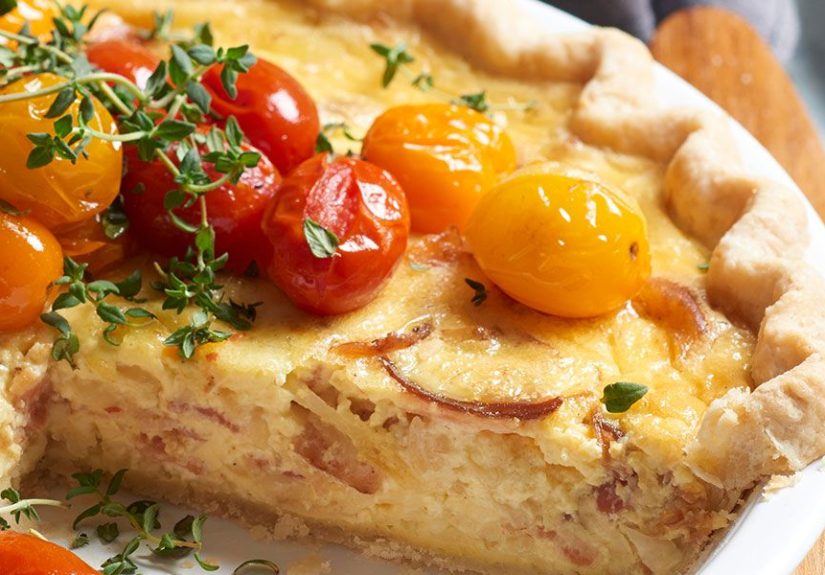
- Use seeded, drained tomatoes (or roasted cherry tomatoes) to avoid sogginess.
- Stir basil into the custard and add mozzarella just before baking.
6) Smoked Salmon & Dill Quiche (Brunch-Board Royalty)
Add capers, dill, and a little cream cheese dolloped in small bits. Serve with lemon wedges
and watch it disappear like it owed someone money.
7) Crustless Broccoli Cheddar Quiche (Weeknight Hero)
For crustless quiche, grease the dish well and consider a sprinkle of cheese on the bottom
to create a lightly crisp “almost crust” layer.
- Blanch broccoli briefly, then chop small.
- Use sharp cheddar, a little Dijon mustard, and plenty of black pepper.
8) Mini Muffin-Tin Quiches (Freezer-Friendly Snacks)
Line muffin cups with small rounds of pie dough or skip crust entirely. Great for grab-and-go breakfast.
Fill with ham and cheddar, spinach and feta, or roasted peppers and Monterey Jack.
Frittata Recipes: Fast, Flexible, and Basically Unbreakable
If you want frittata recipes that feel like cooking but behave like a shortcut, you’re in the right place.
Frittatas also travel well, reheat beautifully, and make leftovers feel intentional.
1) Potato & Onion Frittata (Spanish-Inspired Vibes, Easier Method)
Use thin-sliced potatoes (or leftover roasted potatoes). Sauté with onions until tender, then pour in eggs.
Bake until just set. It’s comfort food that also counts as “I can cook.”
2) Spring Veg Frittata (Asparagus, Peas, Herbs)
- Sauté asparagus pieces and add peas at the end.
- Stir in fresh herbs (dill, parsley, chives) after baking for brighter flavor.
3) Mediterranean Frittata (Spinach, Olives, Feta)
Add a pinch of oregano and a spoonful of sun-dried tomato (chopped small). This one tastes like you packed
for a picnic on purpose.
4) Leftover Pasta Frittata (Yes, It’s a Thingand It’s Great)
Toss cooked pasta with eggs and cheese, press into a skillet, and bake. You get a sliceable, savory “pasta cake”
that’s oddly impressive for something born from leftovers.
5) Tex-Mex Frittata (Peppers, Black Beans, Pepper Jack)
- Sauté onions and peppers until soft.
- Add rinsed black beans, pepper Jack, and a little cumin.
- Top with salsa and avocado after baking.
6) Sheet-Pan Frittata for a Crowd (Or for Your Future Self)
Whisk 10–12 eggs with dairy, pour into a greased sheet pan, scatter cooked veggies and cheese, and bake.
Slice into squares for meal prep. This is peak “efficient brunch.”
Flavor Combos That Never Miss
Use these as plug-and-play ideas for both breakfast quiche and frittatas:
- Ham + cheddar + green onion
- Roasted red pepper + goat cheese + basil
- Sausage + kale + Parmesan
- Crab (or imitation) + Swiss + chives
- Broccoli + cheddar + Dijon
- Mushroom + thyme + Gruyère
- Smoked salmon + dill + capers
- Zucchini + feta + mint
Make-Ahead, Storage, and Reheating Tips
Make-Ahead Strategy
- Quiche: Bake fully, cool, refrigerate, then reheat gently at 300–325°F until warmed through.
- Frittata: Bake and chill; it’s great cold or warmed in short bursts to avoid rubbery eggs.
Freezing Tips
Quiche and mini quiches freeze especially well. Cool completely, wrap tightly, and freeze.
Reheat from thawed or straight from frozen at a low oven temperature until hot.
Serving Suggestions
Balance rich eggs with something crisp and bright: a simple arugula salad, citrus, sliced tomatoes, or
a vinaigrette that has a little tang. Your taste buds will write you a thank-you note.
Troubleshooting: Quick Fixes for Common Quiche & Frittata Problems
“My quiche is watery.”
- Cook watery vegetables first and cool them before adding.
- Blind-bake the crust to prevent sogginess.
- Don’t overload with fillingscustard needs room to set.
“My frittata is rubbery.”
- Lower the oven temperature and pull it earlier (carryover cooking is real).
- Add a little dairy and avoid overbaking.
- Let it rest 10 minutes before slicing.
“The center won’t set but the edges are done.”
- Use the middle rack and a moderate oven temp (around 325–375°F depending on recipe).
- Check your pan size; deeper dishes need longer, gentler baking.
Extra: Real-Life Moments and “Been There” Lessons ()
Most people’s first quiche experience goes something like this: you pull it out of the oven, admire the golden top,
then immediately panic because the center jiggles. Your brain says “raw,” but the quiche says “I’m a custard,
please stop staring.” This is the part where patience wins. Let it rest. The wobble tightens. The slices magically
behave. And suddenly you’re the kind of person who “makes quiche,” which feels like leveling up in adulthoodeven
if you’re wearing pajama pants.
Frittatas have their own rite of passage: the moment you realize they’re basically a delicious permission slip to
clean out your fridge. Leftover roasted vegetables? In. Half a bag of spinach that’s one day away from becoming a
science project? Sauté it and in it goes. That last lonely slice of ham? Dice it. The frittata doesn’t judge;
it just turns chaos into dinner. The best part is how it makes you look organized. Someone asks what’s for dinner
and you say, “A vegetable frittata,” like it was plannedwhen really you were one step away from cereal.
If you’ve ever hosted brunch, you already know eggs are a social sport. There’s always a timing puzzle:
coffee needs to be hot, the fruit should look fresh, and the main dish needs to land exactly when people are hungry.
Quiche is perfect for this because it’s happiest after a short restmeaning you can bake it, tidy up, and still
serve something that looks like it came from a bakery display case. Add a salad, maybe a cute jam jar, and you’ve
got the “I am thriving” table setting. Nobody needs to know you used a store-bought crust and called it “rustic.”
The biggest “aha” moment most cooks have is learning that texture comes from tiny choices. Pre-cooking mushrooms
until they’re actually brownednot just warmedchanges everything. Draining tomatoes saves you from the dreaded
wet center. Grating your own cheese melts smoother. And seasoning is more than salt: black pepper, fresh herbs,
and a pinch of something aromatic (like nutmeg in creamy quiche) can make the whole dish taste intentional.
Finally, there’s the leftover glow-up. A slice of quiche the next day can be lunch with a salad, breakfast with
fruit, or dinner with soup. A frittata square can be tucked into a sandwich or eaten cold straight from the fridge
with the confidence of someone who has places to be. These recipes don’t just feed youthey keep feeding you,
which is honestly the most charming kind of kitchen magic.
Conclusion
Quiche and frittatas are two sides of the same egg-loving coin: one creamy and custardy, the other hearty and
flexible. Learn the ratios, respect moisture, and pull them from the oven while they’re still tender. Once you’ve
nailed the basics, you can spin endless variationsfrom classic Quiche Lorraine to sheet-pan frittatas built for
busy weeks. In other words: keep eggs, cheese, and a sense of humor on hand, and you’ll always have a plan.







 Close
Close