
Table of Contents >> Show >> Hide
- What Is a Potato Flake Sourdough Starter?
- Potato Flake Sourdough Starter Ingredients
- How to Make Potato Flake Sourdough Starter
- How to Feed and Store Potato Flake Sourdough Starter
- Potato Flake Sourdough Bread Recipe
- Why Potato Flakes Make Softer Sourdough Bread
- Common Mistakes and How to Fix Them
- Flavor Variations and Serving Ideas
- Food Safety and Starter Care
- Practical Experience: What Baking with Potato Flake Sourdough Teaches You
- Conclusion
If regular sourdough feels like adopting a tiny flour-powered dragon, a potato flake sourdough starter may feel more like welcoming a polite Southern houseguest. It still bubbles, rises, and demands the occasional feeding, but it tends to be a little sweeter, a little softer, and far less dramatic than the classic flour-and-water starter that has taken over kitchen counters everywhere.
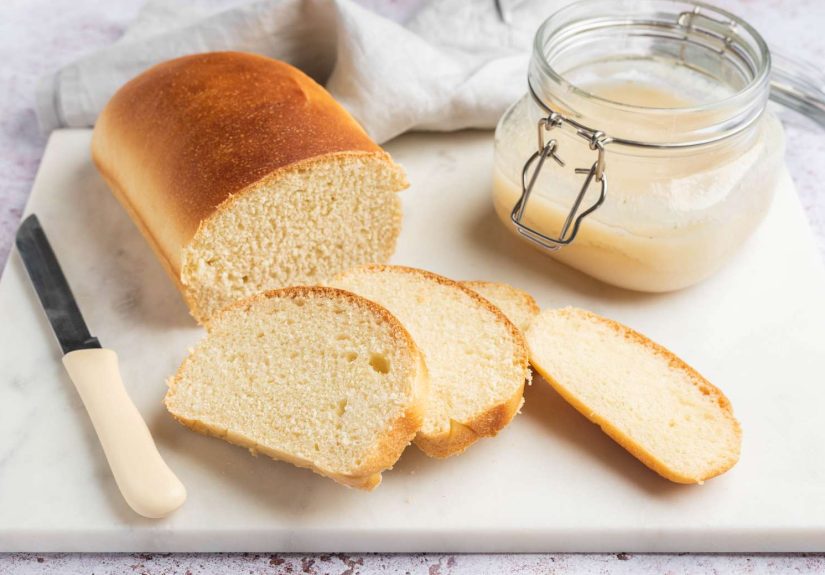
This old-fashioned starter uses instant potato flakes, sugar, water, and often a small amount of commercial yeast to create a living leaven that can be stored in the refrigerator and fed on a schedule. The result is a mild, lightly tangy starter that makes tender sandwich-style sourdough bread with a soft crumb, golden crust, and that irresistible homemade aroma that makes everyone wander into the kitchen asking, “Is it ready yet?” Spoiler: no, bread is never ready when people start asking.
In this guide, you will learn how to make a potato flake sourdough starter from scratch, how to feed and store it, how to bake a dependable loaf, and how to troubleshoot the most common problems. We will also cover practical baking experience, flavor tips, storage advice, and the little details that separate “pretty good bread” from “hide the second loaf before dinner” bread.
What Is a Potato Flake Sourdough Starter?
A potato flake sourdough starter is a fermented mixture made with instant mashed potato flakes, sugar, warm water, and yeast. Unlike a traditional sourdough starter, which is usually maintained with flour and water, this style uses potato flakes and sugar as the regular feeding ingredients. It is especially popular in Southern home baking and is often linked to Amish Friendship Bread traditions.
The flavor is usually milder than classic sourdough. Instead of a sharp, tangy bite, potato flake sourdough bread often tastes lightly sweet, soft, and buttery even when there is no butter in the dough. The potato flakes help create a tender texture because potato starch holds moisture well. That is why potato rolls and potato bread are famous for staying soft longer than many lean bread recipes.
Think of this starter as sourdough’s charming cousin who shows up with a casserole dish and asks if you need help setting the table. It is friendly, practical, and very good at making bread that people actually finish before it has a chance to go stale.
Potato Flake Sourdough Starter Ingredients
To begin, you only need a few pantry staples. Use plain instant potato flakes, not flavored mashed potato packets with garlic, cheese, butter powder, or mystery seasoning dust. Your starter wants potatoes, not a full steakhouse side dish.
Starter Ingredients
- 3 tablespoons instant potato flakes
- 3 tablespoons granulated sugar
- 1 cup warm water, about 100°F to 110°F
- 2 1/4 teaspoons active dry yeast, or 1 standard packet
Feeding Ingredients
- 3 tablespoons instant potato flakes
- 3 tablespoons granulated sugar
- 1 cup warm water
The sugar does not make the finished bread taste like cake. It mainly helps feed fermentation and supports a soft, golden loaf. The potato flakes bring starch, tenderness, and moisture retention. The warm water wakes everything up, but it should not be hot. If the water feels like a relaxing bath, you are in the right neighborhood. If it feels like it could make tea, let it cool.
How to Make Potato Flake Sourdough Starter
Use a clean glass jar or nonreactive container with enough room for bubbling and expansion. A quart-size jar works well, though many bakers prefer something slightly larger to prevent a starter escape situation. Starter creeping over the counter may sound cute until you are wiping fermented potato foam off a cabinet handle.
Step-by-Step Starter Method
- In a clean glass jar, combine the potato flakes, sugar, warm water, and yeast.
- Stir with a clean spoon until the mixture is evenly combined.
- Cover the jar loosely with a clean cloth, coffee filter, or breathable lid. Do not seal it airtight.
- Let the starter sit at room temperature for 4 to 5 days.
- Stir it once daily with a clean spoon.
- On day 5, feed it with 3 tablespoons potato flakes, 3 tablespoons sugar, and 1 cup warm water.
- Let it sit at room temperature for 6 to 12 hours, or until bubbly and active.
- Remove 1 cup for baking, then refrigerate the remaining starter.
During the first few days, the starter may smell yeasty, sweet, slightly fruity, or mildly tangy. That is normal. It may bubble enthusiastically or behave like it is considering its career options. Kitchen temperature matters. A warm kitchen speeds fermentation, while a cool kitchen slows it down.
How to Feed and Store Potato Flake Sourdough Starter
Once established, potato flake starter is usually stored in the refrigerator and fed every 3 to 7 days, depending on how often you bake. Many traditional recipes follow a five-day rhythm: remove the starter from the refrigerator, feed it, let it sit out several hours, use 1 cup for bread, and return the rest to the refrigerator.
Basic Feeding Schedule
- Remove the starter from the refrigerator.
- Add 3 tablespoons potato flakes, 3 tablespoons sugar, and 1 cup warm water.
- Stir well.
- Cover loosely and let it sit at room temperature for 6 to 12 hours.
- Use 1 cup in your bread recipe.
- Return the remaining starter to the refrigerator.
If you are not baking, still feed the starter regularly to keep it healthy. After feeding, discard 1 cup or share it with another baker. This prevents the starter from growing into a refrigerator roommate with legal rights.
Potato Flake Sourdough Bread Recipe
This recipe makes two soft sandwich-style loaves. It is excellent for toast, grilled cheese, breakfast sandwiches, cinnamon toast, and eating one warm slice at the counter while pretending you are “just checking the texture.”
Bread Ingredients
- 1 cup active potato flake sourdough starter
- 1 1/2 cups warm water
- 1/2 cup granulated sugar
- 1/2 cup vegetable oil, canola oil, or light olive oil
- 1 1/2 teaspoons fine salt
- 6 cups all-purpose flour or bread flour, plus more as needed
Step-by-Step Bread Instructions
- In a large mixing bowl, combine the active starter, warm water, sugar, oil, and salt.
- Add 5 cups of flour and stir until a shaggy dough forms.
- Add the remaining flour gradually, mixing until the dough is soft but not soupy.
- Turn the dough onto a lightly floured surface and knead for 6 to 8 minutes, until smooth and elastic.
- Place the dough in a lightly oiled bowl, turning once to coat the surface.
- Cover with a clean towel or plastic wrap and let rise overnight, about 8 to 12 hours.
- The next day, punch down the dough gently and divide it into two equal portions.
- Shape each portion into a loaf and place in greased 9-by-5-inch loaf pans.
- Cover and let rise until doubled, usually 2 to 4 hours depending on room temperature.
- Bake at 350°F for 35 to 45 minutes, until golden brown and fully baked.
- Cool in the pans for 10 minutes, then transfer to a wire rack.
- Let the bread cool before slicing for the cleanest crumb.
For the most reliable result, the center of the loaf should reach about 190°F to 200°F for a soft sandwich loaf. If you do not have a thermometer, tap the loaf gently. It should sound hollow, and the crust should be evenly golden. However, a thermometer is the less dramatic option. Bread can look done while hiding a gummy middle like a tiny carbohydrate secret.
Why Potato Flakes Make Softer Sourdough Bread
Potatoes are naturally rich in starch, and potato starch is excellent at holding moisture. In bread dough, that means a softer crumb and a loaf that stays tender longer. Instant potato flakes are convenient because they are already cooked, dried, and easy to measure. You get the benefits of potato bread without boiling potatoes, ricing them, cooling them, and wondering why you started a “simple” recipe that now has three extra dishes.
The flavor of potato flake sourdough is usually subtle. The bread does not taste like mashed potatoes. Instead, it has a gentle sweetness, mild tang, and soft texture that makes it ideal for everyday eating. If classic rustic sourdough is the bread you serve with fancy soup, potato flake sourdough is the bread that becomes toast, sandwiches, French toast, and late-night butter delivery.
Common Mistakes and How to Fix Them
The Starter Is Not Bubbling
If your starter is quiet, check the temperature first. A cool kitchen can slow activity. Move the starter to a warmer spot, but avoid direct heat. Also make sure your yeast is fresh and your water was not too hot. Very hot water can damage yeast before the starter even gets a fair chance.
The Bread Is Dense
Dense bread often means the starter was not active enough, the dough did not rise long enough, or too much flour was added. Potato flake sourdough dough should be soft and slightly tacky, not stiff like modeling clay. Add flour gradually and stop when the dough is workable.
The Dough Is Too Sticky
Sticky dough is normal at first. Knead it for several minutes before adding extra flour. If it still clings aggressively to your hands like it has abandonment issues, dust in flour one tablespoon at a time.
The Bread Tastes Too Sweet
Reduce the sugar in the bread dough slightly, but do not eliminate sugar from the starter feeding. The starter depends on its feeding formula. For the bread itself, you can lower the sugar from 1/2 cup to 1/3 cup if you prefer a less sweet loaf.
The Starter Has Liquid on Top
A thin layer of liquid can mean the starter is hungry. Stir it back in for more tang or pour it off for a milder flavor, then feed the starter. If you see fuzzy mold, orange streaks, pink discoloration, or smell something rotten rather than pleasantly sour or yeasty, discard the starter and begin again.
Flavor Variations and Serving Ideas
Once you master the basic loaf, potato flake sourdough becomes a flexible base recipe. You can turn it into cinnamon swirl bread, dinner rolls, sandwich buns, or sweet breakfast toast. For cinnamon bread, roll out each dough portion, brush lightly with melted butter, sprinkle with cinnamon sugar, roll tightly, and place in loaf pans for the second rise.
For dinner rolls, divide the dough into 18 to 24 pieces after the first rise. Shape into balls, place in a greased baking dish, let rise until puffy, and bake until golden. Brush the tops with melted butter after baking if you want applause at the table. Bread applause is mostly quiet chewing, but it still counts.
This bread is also excellent for grilled cheese because the soft crumb browns beautifully in a skillet. It makes sturdy sandwich slices without being tough, and it turns into rich French toast after a day or two. If your loaf lasts that long, congratulations on your household discipline.
Food Safety and Starter Care
Fermented starters are living mixtures, so cleanliness matters. Use clean utensils, clean containers, and fresh feeding ingredients. Keep the starter loosely covered so gas can escape while protecting it from dust. Store established starter in the refrigerator when you are not actively feeding or baking.
Healthy potato flake starter should smell pleasantly yeasty, lightly sour, sweet, or fruity. It should not smell rotten, putrid, or sharply unpleasant. Mold is a clear sign to throw it away. Do not scrape off mold and keep going. A starter is inexpensive to rebuild, while questionable fermented goo is not worth turning breakfast into a science-fair incident.
Practical Experience: What Baking with Potato Flake Sourdough Teaches You
One of the biggest lessons with potato flake sourdough is that time is an ingredient. The recipe may look simple, but the dough sets its own pace. In a warm kitchen, the first rise may be ready by morning with a proud, pillowy dome. In a cooler kitchen, it may need extra time, and that is perfectly fine. Bread does not care about your calendar. It cares about temperature, fermentation, and whether you remembered to feed the starter.
Another useful experience is learning how the dough should feel. Beginners often add too much flour because soft dough feels suspicious. This recipe works best when the dough is smooth, elastic, and just slightly tacky. If it is dry and stiff, the baked loaf may be heavy. If it is too wet to shape, it needs a little more flour and patience. The sweet spot feels like a soft earlobe, which is a strange but surprisingly helpful baker’s comparison.
Potato flake starter also teaches you to watch activity rather than blindly follow the clock. A recently fed starter should show signs of life before you bake with it. Look for bubbles, a slightly foamy surface, and a fresh fermented aroma. If the starter has been neglected in the refrigerator, feed it once or twice before baking. A sleepy starter can still make bread, but it may produce a slower rise and a denser loaf.
The overnight rise is one of the most convenient parts of this recipe. You can mix the dough in the evening, cover it, and wake up to dough that is ready to shape. This makes potato flake sourdough more realistic for busy home bakers. You do not need to spend the whole day hovering around the bowl like a bread detective. Mix it, let it rise, and trust the process.
Shaping the loaves is another moment where experience helps. Press the dough gently into a rectangle, roll it up snugly, and pinch the seam closed. Place it seam-side down in the pan. This creates a better loaf shape and helps the bread rise upward instead of spreading sideways. If the top looks uneven, do not panic. The second rise and oven spring often smooth things out. Bread is forgiving, which is more than we can say for pie crust.
Cooling is the final test of patience. Warm bread smells like a direct message from happiness, but slicing too early can make the crumb gummy. Let the loaves cool until they are only slightly warm. If you absolutely must cut a heel from the end and add butter, nobody here is calling the bread police. Just know that the cleanest slices come after cooling.
In everyday use, this bread proves its value quickly. It is soft enough for kids’ sandwiches, flavorful enough for adults, and sturdy enough for toast. It freezes well when sliced, so you can keep one loaf fresh and freeze the second. Place parchment between slices if you want to pull out one piece at a time. Future you will feel very organized, even if current you is covered in flour.
The best part of potato flake sourdough is that it feels personal. Starters get shared between friends, passed through families, and kept alive through small routines. Every kitchen gives the bread a slightly different personality. Some loaves rise fast, some develop more tang, and some become the kind of toast that makes store-bought bread seem emotionally unavailable. With a little practice, this recipe becomes less of a project and more of a habitthe delicious kind.
Conclusion
Potato Flake Sourdough Starter and Bread Recipe is a wonderful choice for home bakers who want the character of sourdough with a softer, sweeter, more approachable style. The starter is easy to feed, the bread is tender and versatile, and the process fits naturally into a home kitchen routine. With instant potato flakes, sugar, water, yeast, flour, and a little patience, you can create two golden loaves that work for sandwiches, toast, rolls, and cozy weekend baking.
The key is consistency. Feed the starter regularly, use it when active, avoid adding too much flour, and give the dough enough time to rise. Once you understand the rhythm, potato flake sourdough becomes one of those recipes you return to again and again. It is practical, nostalgic, and just quirky enough to make you feel like you have joined a secret bread club. Luckily, the membership fee is mostly potato flakes.






 Close
Close