
Table of Contents >> Show >> Hide
- What Is Potassium Sorbate?
- Why Is Potassium Sorbate Used?
- Where Is Potassium Sorbate Commonly Found?
- Is Potassium Sorbate Safe?
- What Are the Possible Side Effects of Potassium Sorbate?
- Who Might Want to Be More Careful?
- How Can You Tell Whether Potassium Sorbate Is a Problem for You?
- Should You Avoid Potassium Sorbate Completely?
- Common Real-World Experiences Related to Potassium Sorbate
- Final Takeaway
Flip over enough bottles, breads, yogurts, sauces, and beauty products, and sooner or later you will meet the ingredient name that sounds like it belongs in a chemistry final: potassium sorbate. It is not exactly a glamorous label star. Nobody is writing fan mail to preservatives. Still, this ingredient quietly does an important job. It helps keep products from turning into a microbial block party before you can use them.
So what is potassium sorbate, really? Is it safe? Is it something to fear, ignore, or simply pronounce with confidence in the grocery aisle? The practical answer sits somewhere in the middle of the modern-food maze. Potassium sorbate is widely used, generally regarded as safe when used properly, and well tolerated by most people. At the same time, like many additives, it is not completely side-effect-free for everyone, and the research conversation has become more nuanced in recent years.
This guide breaks down what potassium sorbate is, why manufacturers use it, where it shows up, what side effects are possible, and when it might make sense to pay closer attention.
What Is Potassium Sorbate?
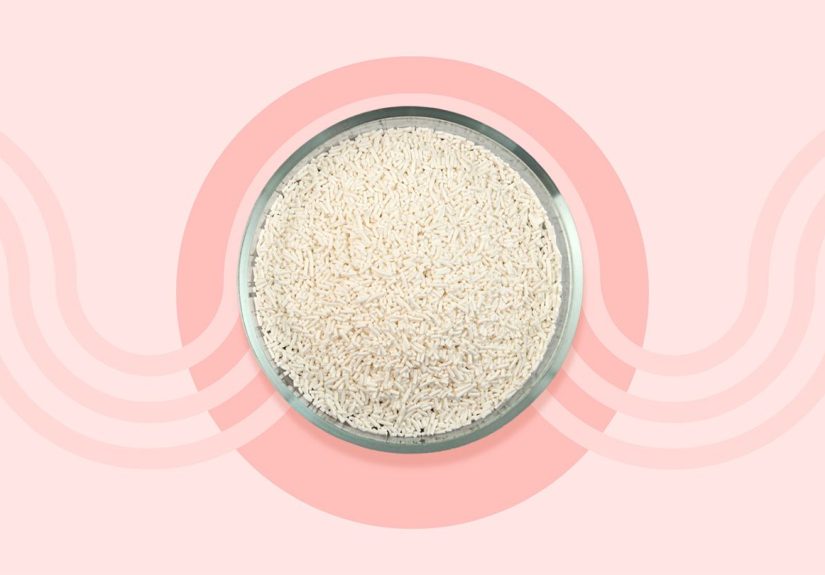
Potassium sorbate is the potassium salt of sorbic acid, a compound used mainly as a preservative. In plain English, its job is to slow the growth of mold, yeast, and some other spoilage organisms. That makes it useful in foods and drinks that need a longer shelf life without dramatic changes in taste, smell, color, or texture.
It appears on ingredient labels as potassium sorbate, and in some technical settings it may also be identified as E202. The name makes it sound like a nutritional potassium booster, but that is not why it is there. In packaged foods, it functions as a preservation tool, not as a health supplement. Think of it less as a banana in a lab coat and more as a very organized hall monitor for mold.
In the United States, potassium sorbate is recognized by the FDA as generally recognized as safe, or GRAS, when it is used according to good manufacturing practice. That phrase matters. GRAS does not mean “use as much as you want forever and nothing interesting will ever happen.” It means regulators consider it safe under the conditions and amounts used appropriately in foods.
Why Is Potassium Sorbate Used?
It helps prevent spoilage
The biggest reason manufacturers use potassium sorbate is simple: spoiled food costs money, creates waste, and can raise food-safety concerns. By slowing the growth of unwanted microorganisms, potassium sorbate helps products stay usable for longer.
It usually does not bully the flavor
Some preservatives leave a noticeable aftertaste or change a product’s texture. Potassium sorbate became popular because it can do its job without dramatically announcing itself. In many products, it works in the background rather than stomping through the recipe in heavy boots.
It works in more than food
Potassium sorbate is not limited to snacks and salad dressing. It is also used in some cosmetics, lotions, shampoos, contact lens solutions, and other personal care products because microbes are not picky. If a formula contains water or moisture, preservatives often enter the chat.
Where Is Potassium Sorbate Commonly Found?
You may spot potassium sorbate in a surprisingly wide range of products, especially those that are packaged, refrigerated, shelf-stable, or moisture-rich. Common examples include:
- Cheese, yogurt, and some dairy-based products
- Baked goods and tortillas
- Fruit juices, cider, and wine
- Pickles, olives, jams, and jellies
- Salad dressings, sauces, and condiments
- Dried fruit and certain processed snacks
- Moist pet food
- Shampoos, moisturizers, and cosmetics
If you are scanning labels, remember that U.S. food labels list ingredients in descending order by weight. So if potassium sorbate appears near the end of the ingredient list, that typically means it is present in a relatively small amount, which is often the case for preservatives.
Is Potassium Sorbate Safe?
For most people, potassium sorbate appears to be safe in the amounts typically used in commercially prepared foods and personal care products. Regulatory acceptance, decades of use, and the broader safety literature all point in that direction. That is the boring answer, and boring answers are often the most reliable ones in food science.
Still, “safe for most people” is not the same as “universally harmless in every context.” The modern conversation around additives is less about a single dramatic poison-vs-perfectly-fine showdown and more about exposure patterns, individual sensitivity, formulation differences, and the fact that people eat combinations of additives in real life, not one ingredient at a time under theatrical lab lighting.
That means two statements can both be true:
- Potassium sorbate is generally considered safe when used properly.
- A small number of people may experience side effects or sensitivity, and scientists continue to study how preservative exposure fits into broader health patterns.
What Are the Possible Side Effects of Potassium Sorbate?
1. Skin, eye, or mucosal irritation
One of the more realistic side effects is irritation, especially when potassium sorbate is handled in concentrated form or used in personal care products. Someone working with raw ingredients, home fermentation supplies, or preservative-heavy formulations may notice stinging, redness, or irritation of the skin or eyes. This is more plausible than a dramatic food reaction after one sandwich.
2. Rare allergic or sensitivity-type reactions
True reactions to food additives do happen, but they are considered uncommon. In sensitive people, additives and preservatives may be associated with symptoms such as hives, itching, wheezing, stomach upset, or other intolerance-like symptoms. Importantly, not every reaction is a classic IgE-mediated food allergy. Sometimes it is better described as sensitivity or intolerance.
That distinction matters because the internet loves the word “allergy” the way toddlers love glitter: everywhere, all at once, and hard to clean up later. Clinically, the difference between a true allergy and an intolerance-like reaction changes how the problem is evaluated.
3. Contact dermatitis
There are published case reports of allergic contact dermatitis linked to sorbic acid and potassium sorbate, especially in topical products or occupational settings. This appears to be rare, but it is real enough to take seriously if you repeatedly develop rash, itching, or redness after using certain cosmetics, creams, or hygiene products.
4. Digestive complaints in sensitive people
Some people report digestive issues after eating foods with preservatives, including bloating, cramping, nausea, or loose stools. These symptoms are nonspecific, which means potassium sorbate may not be the actual culprit. The problem could be another additive, the food itself, the portion size, or an unrelated digestive condition. Still, if symptoms reliably follow certain packaged foods and improve when they are removed, it is worth investigating rather than shrugging and blaming your “dramatic stomach.”
5. Respiratory symptoms in select cases
Mayo Clinic, MedlinePlus, AAAAI, and MSD Manuals all note that some food additives and preservatives can trigger asthma-like symptoms or hives in susceptible people. Potassium sorbate is not the most famous example in that category, but the broader preservative-sensitivity framework matters. If you have asthma, chronic hives, or a history of reacting to processed foods, the pattern deserves attention.
6. Long-term research questions
This is where the conversation gets more interesting. Newer animal, mechanistic, and observational studies have explored whether certain preservatives, including potassium sorbate, may influence the gut microbiome, inflammation, metabolism, or long-term disease risk. Some recent cohort research has reported associations between higher preservative intake and conditions such as type 2 diabetes or cancer.
But here is the crucial reality check: association is not proof of causation. These studies do not prove that eating potassium sorbate in ordinary amounts directly causes disease. They do, however, support continued research and a sensible public-health interest in how additive mixtures behave over time in real diets.
Who Might Want to Be More Careful?
You do not need to treat every package containing potassium sorbate like a crime scene. But extra caution may make sense if you:
- Have a history of food additive sensitivity
- Develop hives, wheezing, or flushing after commercially prepared foods
- Have chronic eczema or recurrent contact dermatitis from skin-care products
- Notice repeatable symptoms after specific foods, drinks, or cosmetics
- Have a clinician-guided elimination plan and are testing trigger ingredients
If you suspect a reaction, the best next step is not panic-Googling at midnight while eating crackers. It is keeping a careful symptom and product diary, reviewing ingredient lists, and talking with a qualified healthcare professional or allergist. In some cases, supervised elimination or oral challenge testing may be appropriate.
How Can You Tell Whether Potassium Sorbate Is a Problem for You?
Because potassium sorbate often appears in processed combinations, it can be hard to isolate. A bottled tea with potassium sorbate may also contain citric acid, flavorings, colors, sweeteners, or caffeine. A rash after a lotion may involve fragrance, botanical extracts, or another preservative instead.
To evaluate a possible issue, look for patterns:
- Do symptoms happen repeatedly with the same product type?
- Do they start soon after eating or applying it?
- Do they improve when the product is stopped?
- Do simpler versions without preservatives seem easier to tolerate?
If the answer keeps coming back “yes,” that is meaningful. Not courtroom-proof, but meaningful.
Should You Avoid Potassium Sorbate Completely?
For the average healthy person, probably not. Avoiding one preservative does not automatically turn a diet into a nutrition fairy tale. If a food is otherwise balanced, practical, and safe, the mere presence of potassium sorbate is not a reason to spiral.
That said, reducing reliance on heavily processed foods can still be a smart move for reasons that go far beyond a single ingredient. Whole and minimally processed foods usually offer more fiber, fewer additives overall, and better nutritional value. So the healthiest strategy is not obsessing over one label villain. It is zooming out and improving the overall pattern.
If you do suspect sensitivity, then targeted avoidance makes sense. In that case, read labels carefully, choose simpler ingredient lists, and remember that “natural” products can still contain preservatives too. Marketing language is not a medical diagnosis.
Common Real-World Experiences Related to Potassium Sorbate
In real life, people’s experiences with potassium sorbate tend to fall into a few recognizable buckets, and most of them are far less dramatic than internet headlines suggest.
The first and most common experience is no obvious experience at all. Many people consume products containing potassium sorbate for years without noticing any reaction. They buy yogurt, salad dressing, tortillas, or a bottle of juice, finish it, and move on with life. No rash. No wheezing. No cinematic slow-motion realization. This is important because the everyday reality for most consumers is uneventful tolerance.
The second experience is confusion. Someone feels bloated, itchy, flushed, or mildly uncomfortable after a processed food and assumes the preservative was to blame. Sometimes they are right. Often they are not sure. A packaged food may contain multiple additives, sugar alcohols, spices, acids, gums, or allergens. Real-world reactions are messy. That is why clinicians often encourage a food diary instead of a guessing contest.
The third experience involves skin products rather than food. A person may switch to a new face cream, shampoo, or topical gel and develop redness, burning, or a patchy rash. They may blame fragrance, and sometimes fragrance is indeed the culprit. But in certain cases, preservatives such as potassium sorbate are part of the story. This kind of experience is one reason contact dermatitis specialists look closely at ingredient lists rather than just the big marketing claims on the front label.
The fourth experience is pattern recognition after trial and error. Someone notices that certain bottled drinks, flavored yogurts, or condiments seem to trigger symptoms more reliably than homemade versions. Over time, they compare labels and realize the products share similar preservatives. That does not automatically prove potassium sorbate is the one responsible, but it gives them a practical clue. With professional guidance, some people use elimination and reintroduction to narrow it down more carefully.
The fifth experience is occupational or hobby-related exposure. This is less common, but it matters. People working in food production, handling concentrated ingredients, or using preservative powders in home winemaking or specialty food projects may notice irritation more than the average grocery shopper. Concentrated contact is a very different experience from eating a normal serving of commercially prepared food.
Put all of that together and the real-world picture becomes clearer: potassium sorbate is usually tolerated, occasionally annoying, and only sometimes a meaningful trigger. The challenge is not deciding whether it is “good” or “bad” in a moral sense. The challenge is figuring out whether you seem to react to it, whether the product context matters, and whether the pattern repeats enough to deserve attention.
Final Takeaway
Potassium sorbate is one of those ingredients that sounds scarier than it usually is. It is a widely used preservative that helps prevent spoilage and extend shelf life in foods, drinks, and personal care products. For most people, it appears to be safe in the small amounts used according to manufacturing standards.
Still, side effects are not imaginary. A minority of people may experience irritation, contact dermatitis, or sensitivity-type symptoms. And newer research is asking smarter questions about long-term preservative exposure, additive mixtures, and chronic disease patterns. That does not mean potassium sorbate deserves instant villain status. It means nutrition science is doing what it should do: getting more precise.
If you feel fine with foods and products that contain potassium sorbate, there is usually no reason to panic. If you notice repeatable symptoms, that is worth investigating. In the end, potassium sorbate is best understood not as a chemical monster and not as a health halo ingredient, but as what it actually is: a useful preservative with a generally solid safety profile, a few legitimate cautions, and a name that still sounds like it should come with safety goggles.







 Close
Close