
Table of Contents >> Show >> Hide
- What Is Pinch Prisma Modern Lighting?
- Why This Modern Pendant Feels Different
- Where Pinch Prisma Modern Lighting Works Best
- How to Style Pinch Prisma Modern Lighting Without Making the Room Feel Overworked
- Who Should Consider Pinch Prisma Modern Lighting?
- Common Buying and Design Questions
- The Bigger Appeal of Pinch Prisma Modern Lighting
- Experiences With Pinch Prisma Modern Lighting in Real Life
- Final Thoughts
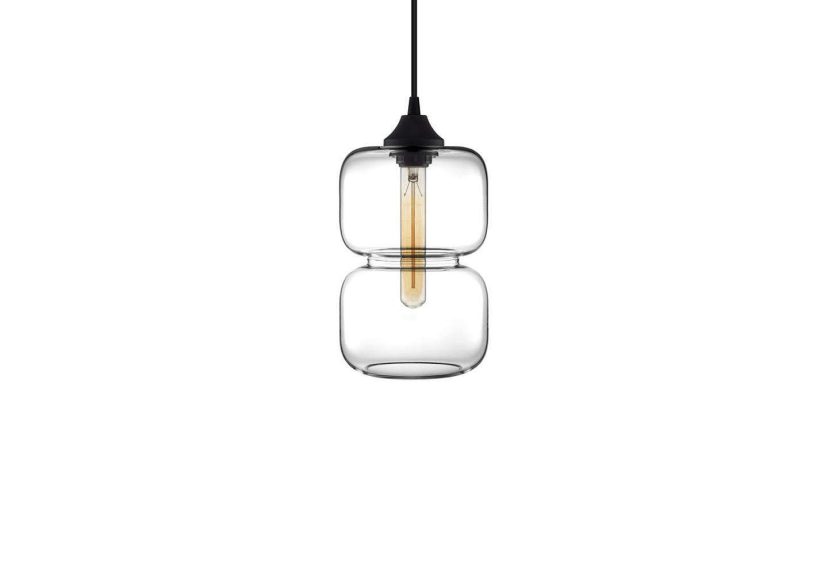
If you have ever looked at a pendant light and thought, “Well, that one has more personality than half the people at a networking brunch,” you are probably the target audience for Pinch Prisma modern lighting. The phrase usually points to the Pinch pendant from Niche Modern in its Prisma glass palette: a handblown, hourglass-like light with a sculptural silhouette, luminous color, and just enough drama to make a ceiling feel dressed instead of merely capped off.
That is a big reason this fixture keeps showing up in conversations about modern lighting, statement pendants, and artisan glass lighting. It is not trying to be loud in the usual way. It does not scream with oversized hardware or a complicated frame. Instead, it wins by shape, glow, color, and craftsmanship. In a design world crowded with generic black domes and copy-paste globes, the Pinch Prisma look feels more thoughtful, more tactile, and frankly more fun.
This guide breaks down what makes Pinch Prisma modern lighting stand out, where it works best, how to style it, and why it appeals to homeowners, renters, designers, and anyone who wants their lighting to do more than behave like a polite appliance. Because good lighting should be useful, yes, but it should also know how to make an entrance.
What Is Pinch Prisma Modern Lighting?
At its core, Pinch Prisma modern lighting is about the marriage of form and glow. The “Pinch” refers to the pendant’s distinctive profile: curvy at the top and bottom, cinched in the center, and balanced in a way that feels playful without becoming cartoonish. The result is a shape that reads like modern sculpture when the light is off and becomes a soft, diffused focal point when illuminated.
The “Prisma” part points to the glass color family. Instead of treating color like an afterthought, the Prisma palette turns it into part of the design story. Clear and neutral tones keep things crisp and architectural, while tinted options introduce mood, warmth, and a jewel-like glow that changes subtly through the day. That makes the fixture especially attractive for people who want their modern pendant lighting to feel less sterile and more atmospheric.
Unlike mass-produced fixtures that rely mostly on finish trends, Pinch Prisma lighting leans on the qualities that age well: handblown glass, a memorable silhouette, diffused ambient light, and a handmade feel that gives a room depth. It is modern, but not cold. It is decorative, but not fussy. It is design-forward, but not trying so hard that it becomes exhausting.
Why This Modern Pendant Feels Different
1. The shape does the heavy lifting
Many fixtures depend on flashy scale to get attention. Pinch Prisma modern lighting does the opposite. Its hourglass profile creates visual movement without needing five arms, twelve bulbs, or a metal frame that looks like it escaped from a sci-fi reboot. That pinched center makes the form memorable from nearly every angle, which is exactly what you want from a statement pendant in an open-plan room.
2. The handblown glass adds softness
Handblown glass tends to bring a room something machine-perfect lighting often cannot: a sense of life. It reflects and diffuses light with more nuance, especially when paired with warm bulbs and dimmers. In practical terms, that means the pendant does not just brighten a space. It helps create a soft ambient lighting effect that feels calmer and more layered.
3. It balances whimsy with restraint
There is a fine line between playful and gimmicky. Pinch Prisma manages to stay on the stylish side of that line. The silhouette has charm, but the overall language remains clean and modern. That balance makes it easy to use in spaces that are minimalist, mid-century inspired, contemporary, transitional, or even quietly traditional with the right mix of materials.
4. Color becomes part of the mood
One of the smartest things about the Prisma approach is that it treats glass color as an experience, not just a finish selection on a product page. A gray or smoke tone can make a room feel sophisticated and moody. Amber can warm up a kitchen that feels a little too crisp. Sapphire or rose can introduce subtle personality where plain clear glass might feel forgettable. In other words, the fixture helps shape atmosphere long before anyone notices the throw pillows trying their best.
Where Pinch Prisma Modern Lighting Works Best
Over a kitchen island
This is one of the most natural homes for a Pinch Prisma pendant. Kitchens need both task lighting and ambient lighting, which is why a single decorative fixture rarely solves the whole problem. Pinch Prisma works beautifully when paired with recessed lighting, under-cabinet lighting, or wall sconces. The pendant adds character and glow, while the other layers handle the work of chopping, reading labels, and not mistaking cumin for cinnamon at 7:00 a.m.
For a long island, a pair or trio can create rhythm without making the room feel over-decorated. Choose a color that either echoes the hardware or gently contrasts with cabinetry. Smoke, crystal, or gray can keep things sleek; amber can soften modern white kitchens; and a richer color can work as a small dose of controlled mischief.
Above a dining table
Dining spaces benefit from lighting that creates intimacy, and Pinch Prisma modern lighting does that especially well. Because the glass diffuses light rather than blasting it downward like an interrogation lamp, the result is flattering, cozy, and far more inviting for actual human conversation. The form also adds a sculptural note without blocking sight lines too aggressively.
In a breakfast nook
A breakfast nook is where many homes quietly become charming. One Pinch Prisma pendant centered above a round table can make a casual corner feel designed instead of accidental. The light becomes part of the ritual: coffee, emails, toast, existential reflection, repeat.
In bedrooms and reading corners
Bedrooms do best with lighting that glows instead of glares. A warm, dimmable pendant with colored glass can make a bedroom feel more layered and less dependent on the usual bedside-lamp formula. In reading corners, it acts as both illumination and ornament, especially when paired with a floor lamp or wall sconce at eye level.
In hallways, entries, and stair landings
These transition zones are often treated like lighting afterthoughts, which is a missed opportunity. A sculptural pendant in an entry can set the tone for the whole home. In a stairwell or landing, the Pinch silhouette can feel like suspended art, adding depth to an area that otherwise risks becoming just a place where shoes pile up and mail goes to die.
How to Style Pinch Prisma Modern Lighting Without Making the Room Feel Overworked
Pair it with layered lighting
One of the biggest mistakes in modern interiors is expecting a single ceiling light to do everything. The better strategy is to layer ambient, task, and accent lighting. That means using your Pinch Prisma pendant as part of a broader plan rather than the lone hero of the room. Add sconces, table lamps, under-cabinet strips, or picture lights so the space feels dimensional and flexible.
Choose warm bulbs
If you want this kind of handblown glass lighting to look expensive, avoid icy bulbs. Warm bulbs in the 2700K to 3000K range tend to flatter interiors better and allow the tinted glass to read as rich rather than washed out. Dimmers are even better. They let the pendant shift from practical brightness to evening mood without asking the fixture to live only one life.
Let the glass be the jewelry
Because Pinch Prisma already has strong visual identity, the surrounding materials should not all shout at once. This is where restraint helps. Think wood, stone, linen, plaster, matte paint, aged brass, polished nickel, or quiet tile. The light can absolutely live in a bold room, but it works best when at least one or two neighboring elements know when to keep it classy.
Mix finishes thoughtfully
Modern rooms no longer need to match every metal finish like a nervous hotel bathroom. Mixed finishes can feel more collected and more custom. If your pendant hardware leans polished nickel, you can still use aged brass cabinet pulls or blackened steel side tables elsewhere. The trick is to repeat tones with intention so the room feels curated instead of confused.
Who Should Consider Pinch Prisma Modern Lighting?
This lighting style is especially appealing for people who want more than generic overhead illumination. It works for:
- Design-conscious homeowners who want a pendant light that acts like functional sculpture.
- Renovators looking for a fixture that bridges beauty and practicality in kitchens, dining rooms, and entries.
- Minimalists who still want personality, just not in the form of visual chaos.
- Collectors of artisan design who appreciate handblown glass, American-made craftsmanship, and a more bespoke feel.
- Anyone tired of flat, builder-grade lighting and ready to upgrade from “there is technically a bulb in this room” to “this room has a point of view.”
If your taste runs toward deeply ornate chandeliers or aggressively industrial cages, Pinch Prisma might not be your soul mate. But if you like modern lighting with softness, shape, and real atmosphere, it is a compelling option.
Common Buying and Design Questions
Is it trendy or timeless?
It feels current, but not trapped in a trend cycle. The silhouette is distinctive, yet simple enough to outlast short-lived fads. That is usually the sweet spot for a good investment piece.
Does colored glass overwhelm a room?
Not necessarily. In many cases, tinted glass reads more like a mood modifier than a loud color statement. A smoky or amber hue can be surprisingly subtle, especially when the rest of the palette is balanced.
Can it work in small rooms?
Yes, especially when used as a singular focal point. In compact rooms, a well-chosen pendant often has more impact than multiple smaller, forgettable fixtures. The key is scale and placement. You want presence, not a glass planet hovering too close to your forehead.
Does it need a modern interior?
No. While it speaks the language of modern design, it also plays well with natural materials, vintage furniture, transitional rooms, and edited eclectic spaces. The glass keeps it elegant; the shape keeps it interesting.
The Bigger Appeal of Pinch Prisma Modern Lighting
The reason people keep searching for Pinch Prisma modern lighting is not just because it is beautiful. It is because it answers a real design problem. So many homes have decent furniture, good paint, and respectable rugs, but the lighting still feels like a landlord made the final choice in a hurry. This kind of pendant changes that. It introduces softness where rooms feel harsh, shape where rooms feel flat, and personality where rooms feel overly safe.
It also fits the broader shift in interior design toward layered, mood-driven lighting. People want homes that feel calm, warm, and flexible throughout the day. They want spaces that can support cooking, working, entertaining, relaxing, and doing absolutely nothing with a level of elegance that does not feel staged. A sculptural, handblown glass pendant with warm illumination does a lot of work toward that goal.
In short, Pinch Prisma modern lighting succeeds because it is not merely decorative and not merely functional. It lives in the more interesting middle ground where design actually improves how a room feels.
Experiences With Pinch Prisma Modern Lighting in Real Life
Living with Pinch Prisma modern lighting is one of those design experiences that makes you realize how much a room’s emotional tone depends on light. On the first day, most people notice the obvious thing: the shape. It hangs there with that elegant cinch in the center, almost like the fixture is standing up a little straighter than the average pendant. It has presence even before the switch is flipped, which is rare. Plenty of lights look nice in a showroom or on a product page. Fewer still look like they belong in real homes with backpacks on chairs, coffee cups on counters, and a dog that believes every rug is an audition stage.
Once the pendant is on, the experience becomes less about object and more about atmosphere. In a kitchen, the light tends to soften hard finishes such as stone counters, lacquered cabinets, and metal hardware. Instead of the room feeling all edges and utility, it starts to feel layered and inhabited. Morning light bounces differently through the glass than evening light does, and that shift is part of the appeal. The pendant does not just illuminate activity; it changes the room’s temperament over the course of a day.
In dining spaces, the difference can be surprisingly dramatic. A table under generic overhead lighting often feels exposed, as if dinner is being hosted in a conference room with better napkins. A Pinch Prisma pendant makes the same setup feel warmer and more intentional. Conversations linger longer. Food looks better. Even takeout noodles somehow gain a bit of dignity. That is the sneaky power of a well-designed light: it quietly upgrades the rituals around it.
Bedrooms and reading corners tell a similar story. The glass creates a gentler quality of illumination that feels more restful than bare bulbs or cool-toned ceiling fixtures. If you are the type of person who wants a room to exhale at night, not buzz like a convenience store aisle, that matters. With a dimmer, the pendant can move from functional evening light to a low, almost cocooning glow. It becomes part of winding down rather than part of staying alert.
There is also the tactile, almost emotional pleasure of knowing the fixture does not feel anonymous. Handblown glass has a presence that factory-perfect materials sometimes lack. Even when the pendant is clean-lined and modern, it still carries a sense of the maker’s hand. That can make a room feel more personal, especially in homes that mix contemporary pieces with older furniture, travel finds, natural woods, or vintage accents.
Perhaps the most consistent experience people have with Pinch Prisma modern lighting is this: they notice it every day, but they do not get tired of it. That is harder to achieve than it sounds. Some statement lights make a strong first impression and then start feeling bossy. This one tends to settle into the room in a more graceful way. It keeps doing its job, keeps catching the eye, and keeps making the space feel just a little more composed, a little more luminous, and a little less ordinary.







 Close
Close