
Table of Contents >> Show >> Hide
- What Is a Peppercorn Plant?
- Best Growing Conditions for Peppercorn Plants
- How to Plant and Train a Peppercorn Vine
- Fertilizer, Pruning, and Propagation
- Blooming, Fruiting, and Harvesting Peppercorns
- Common Problems and How to Fix Them
- Real-World Grower Experiences: What It’s Actually Like to Grow a Peppercorn Plant
- Final Thoughts
If you’ve ever looked at your pepper grinder and thought, “Could I grow that?” the answer is yeswith a small tropical asterisk. The peppercorn plant, Piper nigrum, is a beautiful, climbing vine that produces the berries used for black, white, and green pepper. It is exotic, useful, and just dramatic enough to make your plant shelf look like it went on vacation without you.
That said, this is not a “stick it in a pot and forget it” plant. Peppercorn vines like warmth, humidity, moisture, and support. In other words, they want a setup that feels more tropical conservatory than dry apartment windowsill in January. But if you can give the plant bright light, rich soil, steady moisture, and a trellis to scramble up, it can become a striking conversation piece indoors or in a greenhouse.
This guide covers what the peppercorn plant needs, how to grow it successfully in pots or frost-free gardens, how to help it bloom and fruit, and what usually goes wrong when this spice vine decides to be a diva. We’ll also cover realistic expectations, because while growing your own pepper sounds glamorous, it is definitely a long game. Think less “instant seasoning empire,” more “rewarding botanical side quest.”
What Is a Peppercorn Plant?
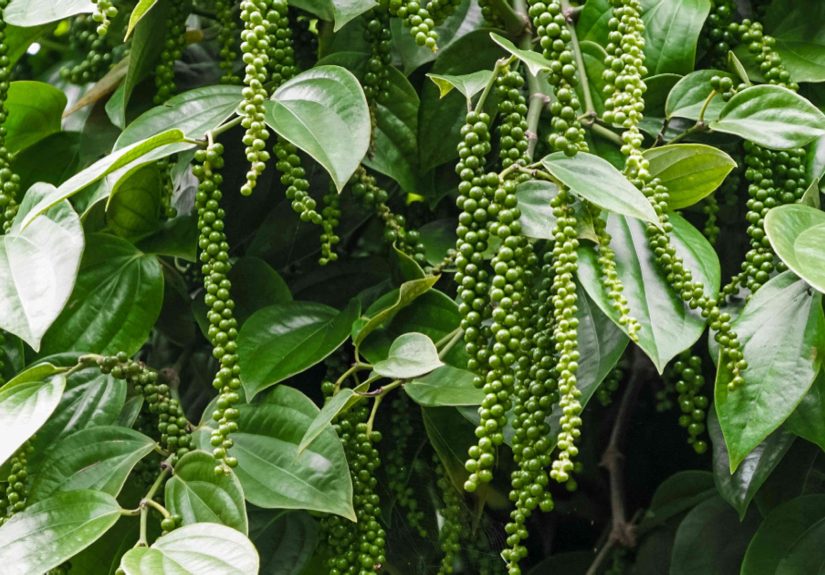
The peppercorn plant is a perennial tropical vine in the Piperaceae family. Native to southern India and Sri Lanka, it grows by climbing, using aerial roots and flexible stems to latch onto support. In the right conditions, it can become a vigorous vine with glossy, heart-shaped leaves and dangling spikes of tiny flowers that later turn into clusters of berries.
Those berries are the famous peppercorns. The color depends on when and how they are processed. Green peppercorns are harvested young. Black peppercorns are picked as the berries begin to color, then dried. White pepper comes from fully ripe berries after the outer layer is removed. So yes, your pepper grinder is basically a lesson in harvest timing.
As a houseplant, Piper nigrum is often grown more for its ornamental appeal than for a pantry-sized harvest. The vine is handsome, unusual, and refreshingly different from the usual pothos-philodendron crowd. Outdoors, it performs best in truly tropical, frost-free conditions. In most of the United States, gardeners grow it in containers, greenhouses, or conservatories rather than directly in the ground.
Best Growing Conditions for Peppercorn Plants
Light: Bright but Not Brutal
Peppercorn plants prefer bright light, but they are not sun-worshipping desert plants. In nature, they behave like tropical understory vines, which means they appreciate dappled sun or bright indirect light outdoors. Indoors, they usually do best in the brightest room you have, especially near a sunny window with filtered light.
If the plant gets too little light, growth becomes weak and fruiting becomes unlikely. If it gets scorched by harsh afternoon sun, leaves may look stressed, faded, or crispy around the edges. The sweet spot is bright, steady light with some protection from intense midday heat. Think “glowing tropical morning,” not “parking lot at noon in August.”
Soil: Rich, Moisture-Retentive, and Well-Drained
This vine likes soil that is fertile and high in organic matter. A humus-rich, loamy potting mix works well, especially one improved with compost, leaf mold, or a moisture-balancing organic amendment. The key is to hold moisture without becoming swampy.
Poor drainage is one of the fastest ways to upset a peppercorn plant. Heavy, dense mixes can keep roots too wet and invite root problems. If you are growing in containers, choose a potting mix that drains well but does not become bone dry five minutes after watering. A slightly acidic to neutral pH is a comfortable range for this plant.
Water: Consistent Moisture, Not Soggy Drama
Peppercorn vines do not want to dry out completely. They prefer consistent soil moisture, especially during active growth. The top layer of soil can begin to dry slightly between waterings, but the root zone should not stay dry for long stretches.
At the same time, this is not a license to turn the pot into a tiny rice paddy. Waterlogged roots lead to stress and disease. The best routine is deep, even watering followed by enough drainage and airflow to keep the root zone healthy. In warm weather or bright greenhouse conditions, expect to water more often. In winter, reduce frequency but do not let the plant shrivel in protest.
Temperature and Humidity: Tropical Means Tropical
If there is one rule that matters most, it is this: peppercorn plants hate cold. They grow best in warm conditions and slow down when temperatures drop. Frost is a deal-breaker. Chilly drafts are also unwelcome. If you live somewhere with real winters, container culture is the practical choice.
Humidity matters almost as much as temperature. This plant appreciates a humid room, greenhouse, sunroom, or sheltered patio in warm months. Dry indoor air can lead to sluggish growth and unhappy foliage. A humidifier, pebble tray, or grouping with other plants can help, though a naturally humid environment is even better.
If you want a quick success formula, it is this: warm roots, moist soil, humid air, and bright filtered light. That combination gets you a healthy vine far faster than wishful thinking and one heroic watering every Sunday.
How to Plant and Train a Peppercorn Vine
Growing Outdoors
In frost-free tropical or near-tropical climates, peppercorn plants can be planted outdoors in a protected spot with partial sun and rich soil. They need space and support. A trellis, sturdy post, frame, or even a living support tree can be used to help the vine climb.
Do not plant it in an exposed, drying site where wind and intense sun can beat it up all day. A sheltered corner with access to water is much better. Since the vine climbs naturally, giving it vertical support from the start helps keep growth tidy and encourages better structure.
Growing in Containers
For most American gardeners, container growing is the smartest option. Start with a pot that has generous drainage holes. Use a rich, loose mix and install a trellis or hoop early, before the plant turns into a floppy green noodle looking for trouble.
Young plants can look attractive in hanging baskets for a while, but fruiting plants eventually need more room and more support. As the vine matures, it becomes heavier and benefits from an upright training system. In a greenhouse or warm sunroom, a larger container can support more vigorous growth and a better chance of flowering.
Fertilizer, Pruning, and Propagation
Fertilizing Without Overdoing It
Peppercorn plants are moderate feeders. During spring and summer, when growth picks up, feed regularly with a balanced or flowering-houseplant fertilizer at a diluted rate. Consistency matters more than excess. Overfeeding may give you leafy enthusiasm without better flowering.
Once cooler weather arrives and growth slows, cut back on feeding. Winter is not the season to push this plant into greatness. Winter is the season to keep it comfortable and prevent dramatic decline.
Pruning for Shape
This vine does not require heavy pruning for health, but light trimming is useful. Remove dead or damaged growth, shorten overly long stems, and guide the plant back onto its support when it starts wandering into nearby houseplants like an uninvited guest.
Pruning is especially helpful in small indoor spaces, where peppercorn vines can become awkward if ignored. A little shaping also improves airflow, which is good news in humid conditions.
Propagation Methods
The easiest way to propagate a peppercorn plant is by layering. A low stem can be buried lightly in soil while still attached to the parent plant. Over time, roots form at that contact point, and the new section can be cut free and replanted.
Air layering is another option for experienced growers, especially on woodier stems. It takes patience but can work well. Growing from seed is possible too, though slower. Fresh, ripe berries are the best starting point. Seeds need warmth and steady moisture to germinate, and this is not a fast process. Peppercorn plants, in general, are not in a hurry. They operate on tropical-vine time, which is somewhere between “eventually” and “please calm down.”
Blooming, Fruiting, and Harvesting Peppercorns
A healthy peppercorn plant may take several years to flower and fruit. That timeline alone weeds out impatient gardeners. If you are growing the vine indoors, understand that flowering and fruiting are possible but not guaranteed. Mature size, light levels, humidity, and stable warmth all influence success.
The flowers are small and carried on pendulous spikes. After pollination and development, the spikes produce clusters of round fruits that resemble tiny green beads or miniature grapes. These berries pass through different stages of ripeness, and that stage determines how they are used.
- Green peppercorns: harvested immature and often preserved or pickled.
- Black peppercorns: picked as berries begin turning red, then dried until dark and wrinkled.
- White peppercorns: made from fully ripe berries after removing the outer fruit layer.
If your goal is culinary harvest, remember that a home-grown plant may not produce large quantities quickly. But even a modest crop is satisfying because it turns a familiar kitchen spice into something wonderfully tangible. Suddenly, pepper is not just a shaker on the table. It is a vine you kept alive through humidity battles and seasonal mood swings.
Common Problems and How to Fix Them
Root Rot and Wet Feet
The most common cultural issue is overwatering combined with poor drainage. If leaves yellow, growth stalls, and the soil stays soggy, roots may be struggling. Repot into a better-draining mix, trim damaged roots if necessary, and adjust your watering rhythm.
Low Humidity Stress
Dry indoor air can cause slow growth, weak new leaves, or brown tips. Move the plant to a more humid location, add a humidifier, or grow it with other tropical plants to create a friendlier microclimate.
Pests
Indoor plants may attract aphids or mealybugs. Outdoors, some growers report issues with chewing insects. Catch infestations early. Wipe foliage, isolate affected plants, and use appropriate plant-safe treatments rather than waiting for pests to form a homeowners association.
Fungal and Disease Pressure
Peppercorn plants dislike poorly drained, persistently wet conditions. In very wet setups, disease pressure rises. Serious black pepper production systems often watch closely for foot rot and foliar disease issues, which is another reason home growers should prioritize drainage, sanitation, and airflow. Clean containers, careful watering, and a trellis that lifts foliage away from crowded surfaces all help.
Harmless Leaf Spots That Look Suspicious
Some peppercorn plants develop dark crystalline-looking specks on the backs of leaves. These can look alarming, but they are not always a disease outbreak. Observe before panicking. Not every weird plant feature is a botanical emergency.
Real-World Grower Experiences: What It’s Actually Like to Grow a Peppercorn Plant
Growing a peppercorn plant is one of those projects that sounds wildly romantic in theory and mildly chaotic in practice. The first experience many growers have is surprise at how normal the plant looks at the beginning. It is not instantly dramatic. It starts as a modest tropical vine, and you may wonder whether you bought a future spice legend or just an ambitious leaf factory. Then it starts climbing, and suddenly the plant has opinions.
One of the most common experiences is learning that peppercorn plants care deeply about consistency. Miss a few waterings, and the vine sulks. Put it in soggy soil, and it sulks differently. Give it dry air, and it responds with the kind of passive-aggressive leaf decline that tropical plants have mastered over centuries. This is not a difficult plant in the sense that it needs constant complicated interventions, but it does like routine. If you are a “maybe I’ll water everything on Thursday, unless I forget” gardener, the peppercorn plant will gently expose your flaws.
Another shared experience is realizing how important support is. A young plant seems manageable, almost polite. Then stems begin reaching, leaning, and hooking onto anything within range. A trellis that looked oversized at planting suddenly seems barely adequate. Many growers discover that the plant becomes much easier to manage once it is given a clear vertical path. Without support, it sprawls and tangles. With support, it becomes elegant.
Indoor growers often say the biggest challenge is humidity, especially in air-conditioned homes or heated winter spaces. The plant may survive in average indoor conditions, but survival and happiness are not the same thing. The happiest peppercorn plants usually live in bright bathrooms, greenhouses, enclosed porches, or rooms with a humidifier nearby. In those conditions, the foliage often looks glossier, growth becomes steadier, and the plant simply behaves like it remembers where it came from.
Then there is the patience factor. Peppercorn plants teach delayed gratification with almost educational enthusiasm. You may spend months focused on leaves and stems before seeing any real sign of flowering. Even then, fruit is not instant. Gardeners who enjoy the process tend to love this plant. Gardeners who want fast rewards may stare at it like it personally broke a promise.
But here is the payoff: when a peppercorn vine is thriving, it feels special. It does not look like every other houseplant. It carries a story. Guests ask what it is. You get to say, “That’s black pepper,” and enjoy the brief but satisfying silence that follows. Even if the plant never produces enough peppercorns to season a full year of dinners, the experience still feels worthwhile. You learn more about tropical care, container growing, humidity management, and plant patience. And if you do harvest even a small cluster, it feels oddly triumphantlike your spice rack finally sent you a thank-you note.
Final Thoughts
The peppercorn plant is a gorgeous, rewarding tropical vine for growers willing to meet it halfway. It wants warmth, humidity, rich soil, regular moisture, and something to climb. In return, it offers glossy foliage, unusual character, and the possibility of producing one of the world’s most recognizable spices right at home.
For most gardeners, the smartest approach is container growing with a trellis and realistic expectations. Focus first on healthy growth. Fruiting can come later. If you create a stable environment and stay consistent with care, the plant has a much better chance of becoming more than a novelty. And even if it never becomes the reigning monarch of your spice cabinet, it will still be one of the most interesting vines you grow.






 Close
Close