
Table of Contents >> Show >> Hide
- What Counts as an Outdoor Structure?
- Start With a Plan: Function, Site, and “Future You”
- Pergola vs. Gazebo vs. Pavilion: Which Shade Structure Fits Your Life?
- Decks and Patios: Your Outdoor “Floor” (and the Backbone of Outdoor Living)
- Sheds and Storage Structures: The Unsung Heroes of Backyard Calm
- Outdoor Kitchens: Where Design Meets Utilities (and Safety)
- Privacy, Screens, and Garden Structures: Trellises, Arbors, and Fences
- Fire Features: Cozy, Useful, and Worth Respecting
- Family Structures: Playsets and Pool Barriers
- Materials: Choose Your Maintenance Level
- Permits, Codes, and the “Don’t Skip This” Checklist
- Budget Reality: What Drives Cost?
- Maintenance: Keep Outdoor Structures Looking Good (and Standing Up)
- Real-World Experiences: What Homeowners Learn After Building Outdoor Structures (About )
- Conclusion: Build Outdoor Structures That Actually Improve Your Life
- SEO Tags
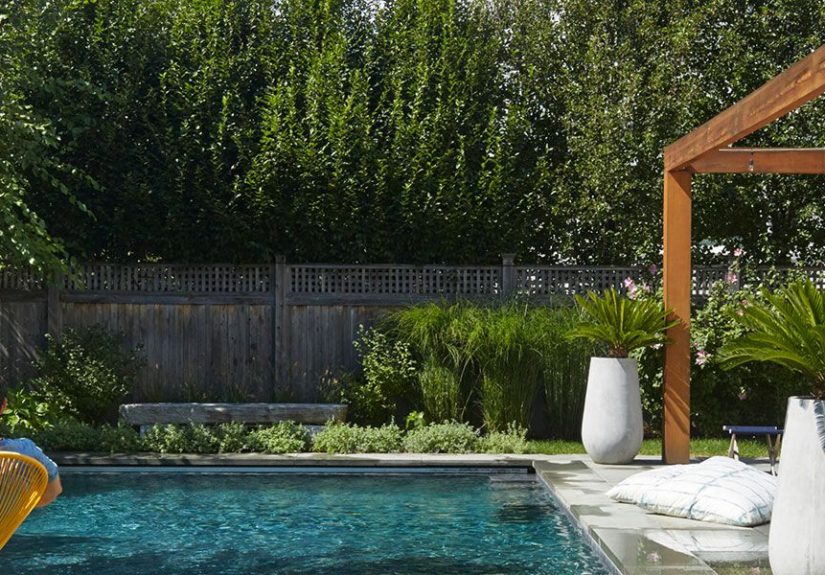
Outdoor structures are the “bones” of a great backyardthe stuff that turns a plain patch of grass into an outdoor living space you actually use.
Think of them as the difference between having a yard and enjoying a yard. A deck becomes your summer dining room. A pergola becomes your
shade-with-style hangout. A shed becomes the place where rakes stop living in your hallway closet like uninvited houseguests.
This guide breaks down the most popular backyard structures in the U.S., how to pick the right one, and what to know about materials, placement,
permits, maintenance, and safety. You’ll also find practical examples and a “what homeowners wish they’d known” section at the endbecause the best
outdoor projects are the ones you don’t have to redo after the first big storm.
What Counts as an Outdoor Structure?
“Outdoor structure” is a big umbrella (sometimes literally). In general, it means a built feature that provides functionshade, storage, privacy,
circulation, cooking space, play space, or a defined place to gather. Common categories include:
Outdoor living & gathering structures
- Decks and patios (your main “floor” outside)
- Pergolas, gazebos, and pavilions (shade + architectural drama)
- Patio covers, awnings, and shade sails (weather protection, fast)
- Outdoor kitchens and BBQ islands (cook outside without juggling extension cords)
- Fire features (fire pits, fireplacesaka “social magnets”)
Garden, privacy & organization structures
- Sheds, greenhouses, and storage cabinets
- Fences, screens, privacy walls, and lattice panels
- Trellises, arbors, and garden arches (support plants + define pathways)
Family & safety structures
- Playsets and swing systems
- Pool barriers (fences and gatesnon-negotiable if you have kids around)
- Retaining walls and steps (structure + erosion control)
Start With a Plan: Function, Site, and “Future You”
The best backyard structures aren’t chosen because they look good on Pinterest (though that doesn’t hurt). They’re chosen because they solve a real problem:
no shade, no storage, no seating space, muddy access, too much neighbor visibility, or “I would like to grill without doing a tactical mission through the kitchen.”
Ask three practical questions
- What do we do outside most often? Eat? Lounge? Garden? Host? Let kids run wild?
- What’s limiting us right now? Sun, rain, bugs, storage, privacy, terrain, distance from the house?
- What will we want in 2–5 years? A bigger table, a hot tub, a future pool, aging-in-place accessibility, or low-maintenance materials?
Read the site like a pro
- Sun path: Afternoon sun is the bully of backyards. Shade structures (pergola, pavilion, patio cover) matter most on west/south exposures.
- Wind: If your yard funnels wind, prioritize sturdy anchoring, stronger post bases, and avoid “sail-like” side curtains unless designed for it.
- Drainage: Water should move away from structures. Plan for grading, gutters, and permeable surfaces where possible.
- Soil + frost depth: Footings typically need to go below frost line in cold climates. This affects decks, pergolas, and pavilions.
- Utilities: Outdoor kitchens, lighting, and outlets are easier (and cheaper) when closer to the house.
Pergola vs. Gazebo vs. Pavilion: Which Shade Structure Fits Your Life?
These three get mixed up constantly, so let’s clear it up in plain terms:
Pergola
A pergola is an open-roof structureusually beams or slatsdesigned for partial shade and strong vibes. It defines a space without fully enclosing it.
You can add climbing plants, fabric canopies, or adjustable louvers for more shade, but a classic pergola won’t keep you dry in a real rainstorm.
Gazebo
A gazebo typically has a solid roof and is freestandingoften octagonal or round-ish. It functions like an outdoor “room,” offering better sun and rain protection.
Because it’s more enclosed and roofed, it usually requires more materials and labor than a pergola.
Pavilion
A pavilion is the big sibling: open sides, solid roof, and generally larger footprint. If you want a covered dining area, a party-ready space, or a roof over an
outdoor kitchen, pavilions are the “serious shelter” option.
A quick rule of thumb: pergola = partial shade, gazebo = roofed retreat, pavilion = roofed gathering space.
Decks and Patios: Your Outdoor “Floor” (and the Backbone of Outdoor Living)
If you’re building one major outdoor structure, start here. Decks and patios create the usable platform everything else builds onfurniture, grills, planters,
and foot traffic. They also influence resale value because buyers can instantly imagine using them.
Deck basics that matter more than pretty railings
- Ledger board safety: If a deck attaches to a house, the ledger connection and proper flashing are critical to prevent rot and failures.
- Footings: Most decks rely on concrete footings sized and placed for loads and soil conditions; many climates require footings below frost line.
- Hardware: Use structural connectors and fasteners rated for outdoor use (especially with pressure-treated lumber, which can be corrosive).
- Water management: Flashing and drainage protect both the deck and your house. Ignore this and you’re basically watering your framing.
Patio basics that keep you from future regret
- Base prep: For pavers, the base and compaction do the real work. Skimp here and you’ll “enjoy” new trip hazards every season.
- Slope: A gentle slope away from the house helps drainage. Flat patios often become puddle collectors.
- Material choice: Concrete is versatile, pavers are repair-friendly, and natural stone is premiumeach has cost and maintenance tradeoffs.
Real-life example: “Dinner-for-8 deck + shaded lounge”
A common, high-function combo is a 12′ x 16′ deck for dining near the back door plus a pergola over a separate lounge zone (even a 10′ x 10′ footprint works).
This keeps cooking and serving close to the kitchen while giving the “hangout” area a destination feel.
Sheds and Storage Structures: The Unsung Heroes of Backyard Calm
Garden sheds, tool sheds, and small workshops are outdoor structures that pay you back every single week. They reduce clutter, protect equipment, and keep
your garage from becoming a museum of half-finished projects.
Picking a shed that doesn’t become a regret box
- Size for reality: If you think you need 8′ x 10′, you probably need 10′ x 12′. Storage expands to fill the shed available.
- Foundation: Gravel pads, skids, pavers, and concrete slabs are common. Choose based on drainage, budget, and how permanent you want it.
- Ventilation: A shed without airflow becomes a mildew spa. Simple vents matter.
- Access: Double doors are your friend if you store mowers, bikes, or bulky tools.
Permits and zoning: the “depends on your town” section
Many areas allow small sheds without a building permit up to a certain size (often around ~100 square feet), but zoning rules, setbacks, height limits,
and utility plans can still trigger requirements. Always check your local building and zoning departments before you build or buy.
Outdoor Kitchens: Where Design Meets Utilities (and Safety)
Outdoor kitchens range from “a grill with counter space” to full-on backyard culinary command centers. The big difference between a fun upgrade and a costly headache
is planning utilities early: electric, gas, water, drainage, and lighting.
Outdoor kitchen building blocks
- Location: Closer to the house often means easier utility connections and less trenching.
- Weather-ready materials: Stainless steel components, masonry, and exterior-rated cabinetry help systems last.
- Electrical safety: Use outdoor-rated fixtures and GFCI-protected outlets where required for countertop and wet-area use.
- Ventilation + clearances: Grills need breathing room and safe spacing from combustibles; follow manufacturer instructions and local code.
Practical example: a “Phase 1” outdoor kitchen
If budget is tight, start with a small, durable prep zone: a grill + 4–6 feet of counter + a weatherproof storage cabinet. Add a sink or a built-in island later.
The smart move is to plan the final layout nowso you can run utilities and set the right base before you lock in hardscape.
Privacy, Screens, and Garden Structures: Trellises, Arbors, and Fences
Not every backyard problem needs a giant structure. Sometimes the right “small architecture” makes the space feel finished without a major build.
Trellises and arbors
Trellises support climbing plants and add vertical interest. Arbors and garden arches mark transitionslike from patio to gardenmaking the yard feel larger and more intentional.
If you want a lush look, pick climbers that match your climate and commit to pruning (otherwise vines will treat your structure like a hostile takeover).
Fences and privacy screens
A fence provides security, privacy, and structure for landscaping. Materials (wood, vinyl, metal) each have pros and cons in maintenance and longevity.
Privacy screens and lattice panels are great for targeted coveragelike blocking a neighbor’s second-story view without fencing the entire property.
Fire Features: Cozy, Useful, and Worth Respecting
Fire pits and outdoor fireplaces are crowd magnets. They’re also real fire, which means clearance, surfaces, and local rules matter. Some jurisdictions have strict
distance requirements from structures, and burn bans can override your weekend plans.
Fire pit safety basics
- Check local rules first: Cities, counties, and HOAs may regulate open burning, fuel types, hours, and permits.
- Use a stable, noncombustible base: Concrete, gravel, or masonry is safer than a wood deck.
- Maintain clearance: Many safety guidelines recommend at least 10 feet from structures, and some fire codes require substantially more.
- Plan for wind: Wind + embers = the fastest way to turn “cozy” into “sirens.”
Family Structures: Playsets and Pool Barriers
If your outdoor structure is meant for kids, safety is the main featurenot an optional add-on.
Playsets
- Install on level ground and use appropriate impact-absorbing surfacing.
- Anchor systems to reduce tipping and movement.
- Choose safer swings (lighter seats are generally recommended to reduce injury risk).
- Maintain and tighten hardware periodicallyoutdoor setups loosen over time.
Pool fences
If you have a pool (including many above-ground setups), layers of protection matter. Public health guidance commonly recommends a
four-sided fence at least 4 feet high that fully encloses the pool, with a self-closing, self-latching gate that separates the pool from the house.
This is one of the most important outdoor safety structures you can add.
Materials: Choose Your Maintenance Level
Materials aren’t just about looksthey determine upkeep, lifespan, and long-term cost. When picking materials for backyard structures, be honest about
how you live. If you love weekend projects, wood can be a joy. If you’d rather travel than stain, choose low-maintenance options.
Common material choices
- Pressure-treated lumber: Budget-friendly and strong, but needs careful hardware selection and periodic maintenance.
- Cedar/redwood: Naturally resistant and beautiful, often pricier, still benefits from protective finishes.
- Composite decking: Lower routine maintenance and consistent appearance, typically higher upfront cost.
- Aluminum/steel: Great for modern pergolas and railings; choose finishes rated for outdoor conditions.
- Masonry/stone: Durable and premium, excellent for kitchens and fireplaces, but requires a solid base and skilled installation.
Permits, Codes, and the “Don’t Skip This” Checklist
Permitting is the unglamorous part of outdoor structures, but it’s also how you avoid fines, insurance issues, and rebuilding something you already paid for once.
Rules vary widely by jurisdiction, so treat this section as a roadmapnot a substitute for your local building department.
A quick pre-build checklist
- Call your local building department: Ask about permits, required inspections, setbacks, and height limits.
- Locate utilities: Before digging footings or trenching, use your local utility locating service.
- Plan water management: Gutters, slope, and drainage protect structures and nearby foundations.
- Use rated connectors and fasteners: Outdoor structures face moisture, corrosion, and wind loadshardware matters.
- Document everything: Keep plans, product specs, and permit records for resale and peace of mind.
Budget Reality: What Drives Cost?
Outdoor structure costs swing widely by region, size, materials, access, and complexity. In general, these factors drive price the most:
- Footings and foundations: Deep frost footings, poor soil, and steep slopes add cost.
- Roofs and utilities: A roofed pavilion costs more than an open pergola; gas/water/electric adds complexity fast.
- Finishes and add-ons: Built-in lighting, seating, and premium railings can rival framing costs.
- Labor vs DIY: DIY saves money but can cost more if errors lead to rework.
Maintenance: Keep Outdoor Structures Looking Good (and Standing Up)
Outdoor structures don’t fail dramatically most of the timethey fail slowly: fasteners loosen, wood holds water, finishes degrade, and small problems grow.
A simple seasonal routine keeps your investment solid.
Seasonal maintenance routine
- Spring: Inspect posts, footings, railings, and ledger areas; clean surfaces; check drainage.
- Summer: Tighten hardware; look for rot, rust, or insect damage; maintain shade fabrics.
- Fall: Clear leaves and debris; winterize outdoor kitchens; cover furniture and sensitive equipment.
- Winter (where applicable): Remove heavy snow loads from roofs; avoid de-icing chemicals that can damage surfaces.
Real-World Experiences: What Homeowners Learn After Building Outdoor Structures (About )
People rarely regret building outdoor structuresthey regret the parts they didn’t plan. Based on common homeowner and contractor experiences, here are the lessons that show up again and again.
1) Shade is emotional. In design mode, a pergola looks “open and airy.” In July, at 4:30 p.m., that same pergola can feel like a stylish sun trap.
Many homeowners end up adding a retractable canopy, outdoor curtains, or a slatted/louvered system later. The win is to plan for shade upgrades from day one:
add blocking for future hardware, pick post sizes that can handle attachments, and think about where the sun actually hits your seating.
2) The path to the backyard matters more than you think. Decks and patios are greatuntil you realize everyone walks through a muddy side yard to reach them.
A small connecting walkway or a set of wide, well-placed steps often delivers an outsized “this feels finished” effect. Homeowners also report that traffic flow
affects how often they use the space. If it’s easy to carry plates outside, you’ll do it. If it’s a balancing act worthy of the Olympics, you’ll eat indoors.
3) Storage saves relationships. Adding a shed or storage bench sounds boringuntil the first time you don’t trip over garden tools or play equipment.
Many people discover that a modest shed (or even a narrow, well-designed storage zone) makes the whole backyard feel bigger because visual clutter disappears.
The biggest “wish we’d done this sooner” note is usually: “We should have built the shed before we landscaped,” because moving materials is easier when you’re
not protecting new plants and finished hardscape.
4) Water always wins… unless you plan for it. Real-world experience says water management is the make-or-break detail for decks, pergolas, and patio edges.
Homeowners often notice that the spot under a downspout erodes, that puddles form near the house, or that mulch migrates after storms. Small fixes help:
extend downspouts, add splash blocks, keep a gentle slope away from structures, and avoid trapping water against posts. Even tiny changeslike a post base that lifts
wood off concretecan dramatically improve longevity.
5) Outdoor kitchens are “utility projects wearing a patio outfit.” The most satisfied outdoor-kitchen owners tend to start simple:
a great grill, real counter space, safe power, and lighting. Then they add features (sink, fridge, pizza oven) only after learning how they truly cook outside.
The consistent advice is to plan the final layout earlyespecially for gas, electric, and watereven if you build in phases. Trenching twice is a special kind of misery.
6) Maintenance is easier when it’s built into the design. People who love their backyard structures long-term often picked materials and details that match their lifestyle:
easy-to-clean surfaces, accessible fasteners, and finishes they can refresh. The goal isn’t “zero maintenance”it’s “maintenance that doesn’t ruin your weekends.”
Conclusion: Build Outdoor Structures That Actually Improve Your Life
Outdoor structures work best when they’re designed around real habitswhere you sit, how you host, what you store, and what your climate throws at you.
Start with the “floor” (deck or patio) if you need one, add shade where the sun is relentless, build storage before clutter takes over, and treat safety as a feature,
especially with fire and kids. And above all: plan for water, wind, and maintenancebecause your backyard should be a place to relax, not a place to troubleshoot.







 Close
Close