
Table of Contents >> Show >> Hide
- Stuffing vs. Dressing: A Quick Peace Treaty
- What Makes It “Old-Fashioned”?
- The Bread Decision: Your Texture Starts Here
- The Flavor Base: Butter + Aromatics + Herbs
- Moisture Matters: Broth, Eggs, and the “Just Enough” Zone
- Old-Fashioned Bread Stuffing Recipe (Classic Casserole Method)
- How to Make It Taste Like “The One Everyone Remembers”
- Food Safety: The One Time Stuffing Shouldn’t Be “Old-School”
- Make-Ahead Plan (Because Oven Space Is a Holiday Sport)
- Classic Variations That Still Feel Old-Fashioned
- Troubleshooting: Fixes for Common Stuffing Drama
- How to Serve Old-Fashioned Bread Stuffing
- Kitchen Memories & Real-Life Lessons ( of Stuffing “Experience”)
- Conclusion
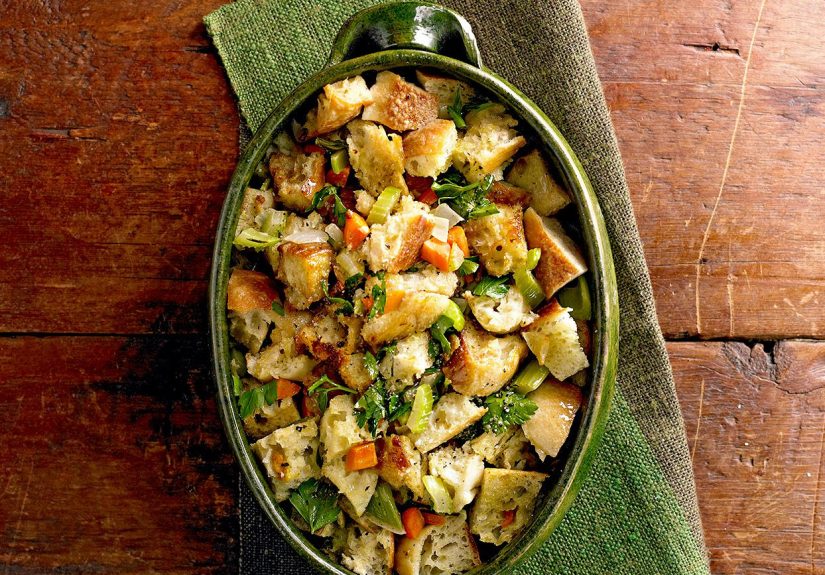
Old-fashioned bread stuffing is the cozy sweater of the holiday table: a little rumpled, deeply comforting,
and somehow always the first thing people “just want a little more of.” It’s built on simple pantry staples
bread, butter, onion, celery, herbs, and broththen baked until the top turns golden and crisp while the middle
stays tender and spoonable.
The magic isn’t in fancy ingredients. It’s in the tiny choices: how dry your bread is, how patiently you sauté
the aromatics, and whether you stop adding broth before the bowl turns into bread soup (a tragedy in three acts).
This guide breaks down the classic method, the “why” behind each step, and the easiest ways to make your stuffing
taste like it time-traveled from a well-loved family cookbookwithout actually stealing Grandma’s notebook.
Stuffing vs. Dressing: A Quick Peace Treaty
Technically, stuffing is cooked inside the bird, while dressing is baked in a dish.
In real life, people use the words interchangeablyand nobody wants a Thanksgiving argument before the pie.
For safety and consistency, many home cooks bake it in a casserole dish (you get better browning and less stress).
If you do cook it in a turkey, you’ll want to be extra serious about temperature (more on that below).
What Makes It “Old-Fashioned”?
Old-fashioned bread stuffing is usually:
- Bread-forward (not rice, not quinoa, not “cauliflower cloud” something-or-other).
- Aromatic from onion and celery sautéed in butter.
- Herb-scented with sage, parsley, thyme, and/or poultry seasoning.
- Moistened with broth until it’s tender but not mushy.
- Baked for crisp edges and a soft center.
Optional (but still classic in many kitchens): eggs for structure, a splash of cream, or a handful of extras like
apples, sausage, or nutsbecause tradition has always had room for “just one more good idea.”
The Bread Decision: Your Texture Starts Here
Best bread for classic stuffing
For a traditional, nostalgic texture, choose a simple loaf with a fairly tight crumbthink white sandwich bread,
country white, or a mild bakery loaf. Very airy artisan bread can work, but it tends to drink broth fast and collapse
into softness if you’re not careful. You want cubes that absorb flavor and keep their shape.
Dry bread beats “kinda stale” bread
Here’s the unglamorous truth: bread that’s merely stale can still hold moisture inside, which makes stuffing
go gummy. Properly dried bread acts like a flavor spongesoaking up buttery broth and herbs without turning into paste.
How to dry bread (choose your adventure)
- Air-dry: Cube bread and leave it out in a single layer 1–2 days (stir occasionally). Great if you’re planning ahead.
-
Oven-dry: Spread cubes on baking sheets and dry at a low temperature until crisp and dry throughout,
stirring once or twice. This is the fastest, most reliable method. -
Small-batch shortcut: If you’re tight on oven space, dry cubes in batches using convection-style heat
(just keep it gentle so you dry, not brown).
Goal: cubes that feel dry and lightweight, not soft in the middle. If you squeeze a cube and it springs like a pillow,
it’s not ready. If it sounds faintly like a crouton when you tap itnow we’re talking.
The Flavor Base: Butter + Aromatics + Herbs
Old-fashioned stuffing flavor comes from a simple stovetop start:
sauté onion and celery in butter until soft and fragrant, then stir in herbs so their oils bloom.
This step is where stuffing goes from “bread in a pan” to “why is everyone hovering around the stove?”
Classic aromatics
- Onion for sweetness and depth
- Celery for savory bite and that unmistakable “holiday kitchen” aroma
- Garlic (optional) for a slightly modern nudge (still tastes classic if you don’t overdo it)
Herbs that scream “Thanksgiving”
If stuffing had a signature perfume, it would be sage. Pair it with parsley for freshness and thyme for
earthy balance. Poultry seasoning is also a classic shortcut blend (usually sage, thyme, marjoram, rosemary, pepper).
Moisture Matters: Broth, Eggs, and the “Just Enough” Zone
Stuffing should be moist enough to hold together on a spoon, but not wet enough to puddle. The sweet spot looks like this:
you toss everything together and the bread is evenly damp, but you don’t see liquid pooling in the bottom of the bowl.
Broth choices
Chicken broth is classic. Turkey broth (or pan drippings diluted with broth) is even more “holiday.” Vegetable broth works well
for a vegetarian versionjust choose one with good savory backbone.
Do you need eggs?
Eggs are common in old-fashioned recipes because they help bind the stuffing slightly, giving it a custardy tenderness and
making it easier to slice or serve in neat scoops. If you prefer a looser, more crumbly stuffing, you can reduce or skip eggs.
(If you skip eggs, you may need a touch less broth to avoid overly soft texture.)
Old-Fashioned Bread Stuffing Recipe (Classic Casserole Method)
This recipe is designed to taste traditional: buttery, herby, and balancedcrisp on top, tender inside. It feeds about 8–10 as a side.
Ingredients
- 16 cups dried bread cubes (about 1 1/2 pounds)
- 1 cup (2 sticks) unsalted butter
- 2 large onions, finely chopped (about 3 cups)
- 5–6 celery stalks, finely chopped (about 2 cups)
- 1–2 tablespoons fresh sage, chopped (or 1–2 teaspoons dried)
- 1 tablespoon fresh thyme leaves (or 1 teaspoon dried)
- 1/2 cup fresh parsley, chopped
- 2 large eggs, lightly beaten (optional but classic)
- 3 to 4 cups warm broth (chicken or turkey), as needed
- Salt and black pepper
Instructions
- Heat oven: Preheat to 350°F. Butter a 9×13-inch baking dish (or similar).
-
Sauté aromatics: Melt butter in a large skillet over medium heat. Add onion and celery with a pinch of salt.
Cook 8–12 minutes until softened and fragrant (not browned). - Bloom herbs: Stir in sage and thyme for 30–60 seconds. Turn off heat. Add parsley.
-
Combine: Place bread cubes in a large bowl. Pour the warm buttery onion-celery mixture over bread and toss.
Add eggs if using and toss again. -
Add broth gradually: Start with 3 cups broth, tossing well. Add more a little at a time until the bread is evenly moist
but not soggy. Season with salt and pepper (taste a damp cubeyes, really). -
Bake: Spread into baking dish. Cover with foil and bake 25–30 minutes.
Uncover and bake 15–25 minutes more, until the top is golden and edges are crisp. - Rest: Let it sit 10 minutes before serving so it sets up and scoops cleanly.
How to Make It Taste Like “The One Everyone Remembers”
Use enough butter (don’t be shy)
Butter isn’t just richnessit’s flavor delivery. Old-fashioned stuffing is supposed to taste like the holidays, not like a
well-meaning spreadsheet. If you need to cut back, do it elsewhere (like skipping that third “taste test” roll).
Season in layers
Salt the vegetables while they cook, then adjust again after adding broth. Bread needs seasoning to taste like anything
other than… bread having feelings.
Warm broth works better than cold
Warm broth distributes more evenly and helps the bread hydrate without requiring aggressive mixing (which can crush cubes).
Food Safety: The One Time Stuffing Shouldn’t Be “Old-School”
If you cook stuffing inside a turkey, it must reach a safe internal temperature in the center. That can be tricky because
the bird and the stuffing heat at different speeds. For the safest, most consistent results, bake stuffing in a casserole dish
and check the middle with a thermometer.
- Target temperature: 165°F in the center of the stuffing.
- Timing tip: If the turkey is done but stuffing isn’t, you’re stuck choosing between dry turkey or risky stuffing.
- Leftovers: Refrigerate within 2 hours and enjoy within a few days (or freeze for longer storage).
Make-Ahead Plan (Because Oven Space Is a Holiday Sport)
Option 1: Prep components early
Dry the bread cubes 1–3 days ahead. Cook the onion-celery-butter mixture a day ahead and refrigerate. On the big day,
rewarm the mixture, toss with bread, add broth, and bake.
Option 2: Assemble ahead, bake later
You can assemble stuffing (bread + aromatics + herbs + broth + eggs) and refrigerate it covered for up to 24 hours before baking.
When ready, let the dish sit at room temp briefly while the oven heats, then bake as directed (you may need a few extra minutes).
Option 3: Bake ahead, reheat for serving
Bake the stuffing fully, cool, refrigerate, then reheat covered until hot. Uncover at the end to crisp the top again.
This is a lifesaver when the turkey is hogging the oven like it pays rent.
Classic Variations That Still Feel Old-Fashioned
Sausage stuffing
Brown mild or sage sausage, drain excess fat, and fold it into the bread before adding broth. Reduce butter slightly
if the sausage is very fatty (or don’tthis is your holiday, not a courtroom).
Apple and herb
Add diced tart apple sautéed with the onions and celery. It brings gentle sweetness that plays well with sage and thyme.
Giblet gravy vibes
Stir in a few tablespoons of turkey drippings (or a little reduced broth) for deeper roast flavor. Use drippings wisely
too much can make stuffing greasy.
Vegetarian old-fashioned
Use vegetable broth and add mushrooms sautéed until browned for savory depth. A pinch of miso in the broth can also boost umami
without changing the classic vibe.
Troubleshooting: Fixes for Common Stuffing Drama
“It’s dry!”
Drizzle warm broth over the top, cover with foil, and warm in the oven. Next time, add broth more confidently before baking,
especially if your bread is very dry.
“It’s mushy!”
Uncover and bake longer to evaporate moisture and re-crisp the top. For the future: dry the bread more thoroughly and add broth gradually.
“It tastes flat.”
Add a pinch more salt, black pepper, and fresh parsley. A tiny splash of acidity (like a squeeze of lemon in a side dish served alongside)
can also make flavors popwithout turning your stuffing into “citrus salad.”
How to Serve Old-Fashioned Bread Stuffing
Stuffing loves gravy, but it also shines beside roasted turkey, chicken, pork, or even a mushroom roast. For a weeknight encore,
warm leftovers in a skillet with a little butter until crisp, then top with a fried egg. Congratulationsyour stuffing is now brunch.
Kitchen Memories & Real-Life Lessons ( of Stuffing “Experience”)
Ask a room full of home cooks about old-fashioned bread stuffing and you’ll get stories before you get measurements. Someone will swear
the “real” version uses exactly two onions and a suspicious amount of butter. Someone else will confess they’ve been assigned stuffing duty
for a decade and haven’t had a hot holiday meal since 2014. And almost everyone has that one vivid memory: the smell of onions and celery
softening in butter, drifting through the house like a scented candle that actually tastes good.
The most common “first-timer” mistake is treating stuffing like a strict recipe instead of a flexible method. Bread varies. Some loaves dry out
like desert sand; others cling to moisture like they’re emotionally attached to it. That’s why experienced cooks add broth gradually and judge with
their senses: the cubes should feel damp all the way through, and the mixture should mound in the bowl without dripping. If it looks dry, it probably
is. If it squishes and sighs like a soaked sponge, pull back and let the oven do its crisping magic.
Another lesson that comes up again and again is the value of “boring” steps. Drying the bread properly isn’t glamorous, but it’s the difference between
stuffing you remember and stuffing you quietly cover with gravy out of politeness. Sautéing the vegetables until they’re truly soft matters, too.
Crunchy celery in stuffing isn’t “texture,” it’s a surprise you didn’t consent to. The goal is a mellow base that perfumes the bread, not a raw-vegetable
obstacle course.
In many families, stuffing is also where personal style sneaks into tradition. One cook adds extra sage because that’s what their grandparents did.
Another insists on parsley because it makes the whole dish taste brighter. Some people love an egg-bound, sliceable stuffing that holds its shape; others want
it loose and spoonable, with crisp bits scattered like treasure. None of these preferences are wrongthey’re just different dialects of the same delicious language.
And then there’s the annual debate: inside the bird or baked in a dish. Plenty of cooks grew up with stuffing from the turkey and feel that casserole-baked
dressing “isn’t the same.” The compromise many modern kitchens land on is simple: bake it in a dish for safety and control, then boost the turkey flavor by
stirring in a little warm drippings (or using turkey stock) and baking it long enough to develop those craveable browned edges. It’s the best of both worlds:
nostalgic flavor, reliable texture, and nobody spending Thanksgiving playing thermometer roulette.
Ultimately, old-fashioned bread stuffing isn’t just a sideit’s a ritual. It’s the dish that gets “taste tested” repeatedly (for quality control, obviously).
It’s the smell that tells people the holiday is really happening. And it’s proof that a humble bowl of bread cubes can become the most fought-over item on the table
not because it’s fancy, but because it tastes like home.
Conclusion
Old-fashioned bread stuffing is classic for a reason: it’s simple, flexible, and ridiculously satisfying when you nail the basics.
Dry the bread well, build flavor with buttery aromatics and herbs, add broth slowly, and bake until golden. Whether you keep it strictly traditional
or add a few personal twists, you’ll end up with a dish that earns repeat requestsand possibly a new permanent job title of “Stuffing Person.”






 Close
Close