
Table of Contents >> Show >> Hide
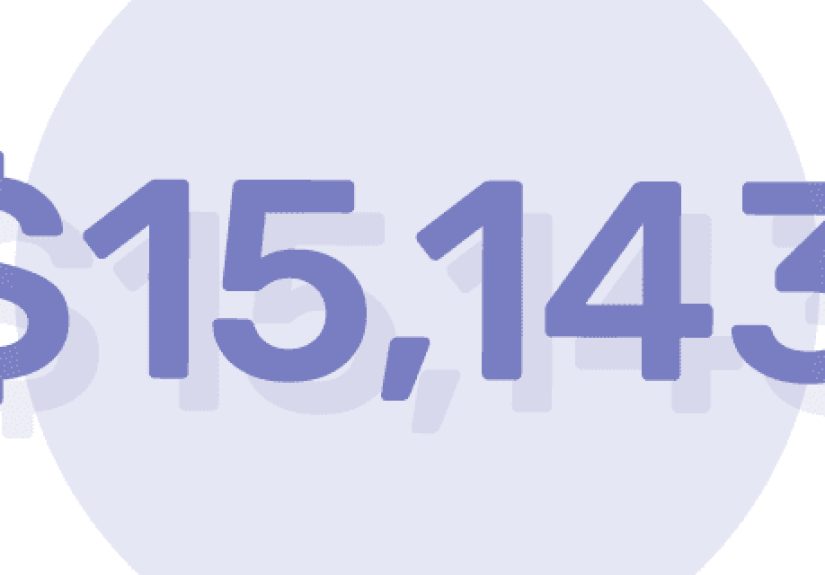
In an unexpected but encouraging turn for the housing market, the “Number of the Day” indicates a significant surge in home sale gains. While real estate markets have seen their fair share of ups and downs, recent data has painted an optimistic picture. The latest figures reveal a sharp increase in home sales across various regions, with certain cities experiencing record-breaking transactions. But what does this surge mean for the market, and what factors are driving these unexpected gains?
The Rising Numbers: What the Data Shows
The latest reports indicate that home sales have jumped dramatically, particularly in areas where housing inventories were previously tight. According to the “Number of the Day” statistic, home sales have increased by an impressive 15% over the past quarter. This uptick is particularly significant given the volatility seen in previous months due to shifting interest rates and ongoing concerns over the broader economy.
Regions like the Southeast and the Midwest have particularly benefited, with cities such as Atlanta, Charlotte, and Chicago leading the way. These cities have experienced a surge in both single-family homes and multi-family units. The increased sales have been fueled by a combination of factors, including a strong local economy, low unemployment rates, and continued interest from remote workers seeking more affordable living options.
What’s Driving the Surge in Home Sales?
Several key factors have contributed to the soaring home sales in recent months. First and foremost is the ongoing shift in remote and hybrid work. With many companies offering more flexible work-from-home arrangements, workers are no longer confined to high-cost urban areas. This has led to a surge in demand for homes in suburban and smaller city areas, where prices are lower and quality of life is often higher.
Additionally, the decline in mortgage rates over the last few months has played a significant role in driving home purchases. With borrowing costs becoming more manageable, many first-time buyers and investors have been able to take advantage of the market, snapping up properties before prices rise further. The combination of these factors has set the stage for a booming housing market.
The Impact of Low Inventory on the Market
While home sales have soared, one factor that remains a challenge is the persistent issue of low housing inventory. Despite the uptick in sales, there are still not enough homes on the market to fully meet demand in many areas. This imbalance has led to bidding wars, especially in popular regions, where homes are selling for above asking price. The low inventory, combined with the surge in demand, has driven home prices up, making it more difficult for buyers to find affordable options.
For homeowners looking to sell, the current market offers an ideal opportunity. Many are capitalizing on this by listing their properties for higher-than-expected prices. However, this has created an even greater divide between the haves and have-nots, with prospective buyers struggling to find homes within their budgets.
Regional Insights: The Winners and Losers
While many cities are seeing a rise in home sales, some regions are benefiting more than others. The Southeastern United States, with its lower cost of living, is seeing some of the biggest gains. Cities like Nashville, Austin, and Tampa have seen home sales increase by over 20%, driven in part by an influx of buyers from more expensive regions like New York, California, and Washington, D.C.
Meanwhile, areas on the West Coast, such as San Francisco and Los Angeles, have experienced a slower rate of increase in home sales. The high cost of living, coupled with rising interest rates, has tempered demand in these traditionally hot markets. However, even in these expensive areas, the number of sales is still higher than expected, indicating a slight recovery after a few challenging years.
Challenges Facing the Housing Market Moving Forward
Despite the positive data, the housing market faces several challenges that could affect the trajectory of home sales moving forward. For one, while mortgage rates remain relatively low compared to historical standards, they are still higher than the ultra-low rates seen during the pandemic. This means that some potential buyers may be priced out of the market.
Additionally, the potential for economic uncertainty in the coming monthsdriven by inflation, supply chain disruptions, and geopolitical instabilitycould cause the housing market to cool. While there is no indication of an impending crash, these factors may lead to slower growth in home sales as buyers adopt a wait-and-see approach.
What Buyers and Sellers Need to Know
For prospective buyers, the current market presents both opportunities and challenges. While the surge in home sales means more options are available, it also means increased competition. Buyers should be prepared for bidding wars, especially in desirable neighborhoods, and should work with experienced agents to ensure they are making competitive offers.
Sellers, on the other hand, are in an enviable position. With home prices rising, this is an ideal time to list a property. However, sellers should be mindful of the rising prices, as this could drive some buyers away. Striking the right balance between price and demand will be key for a successful sale.
The Road Ahead: Will the Boom Continue?
Looking ahead, many experts believe that home sales will continue to grow, albeit at a slower pace. The housing market has been resilient in the face of numerous challenges, and as long as interest rates remain favorable, demand will likely continue. However, low inventory and rising prices may eventually limit the number of sales, especially in more expensive regions.
Conclusion: The “Number of the Day” Signals Positive Trends
The surge in home sales, as indicated by the “Number of the Day,” is an encouraging sign for the housing market. While challenges such as low inventory and rising prices remain, the overall increase in sales suggests that the market is bouncing back in a strong way. Buyers and sellers alike should stay informed about these trends and adjust their strategies accordingly to make the most of this dynamic market.
Sapo: The U.S. housing market is seeing an impressive surge in home sales, driven by lower mortgage rates and the shift to remote work. While low inventory poses challenges, many regions are experiencing record-breaking sales numbers. What does this mean for buyers and sellers?
Experiences Related to the Home Sale Surge
As a real estate professional, I’ve had the privilege of experiencing firsthand the rapid changes in the housing market. The increase in home sale gains has been nothing short of remarkable, and it’s been both exciting and challenging to navigate. Over the past few months, we’ve seen clients from diverse backgroundsfirst-time homebuyers, downsizers, and even investorslooking to seize the opportunities that the current market offers.
One experience that stands out involved a young couple from the Northeast who decided to relocate to the South after realizing they could purchase a much larger home for a fraction of the price. Initially, they were hesitant due to concerns about making a long-term commitment, but after seeing the rising trends in home sales and mortgage rates, they decided to act quickly. Within two weeks, they had secured their dream home in a small suburban neighborhood. This is just one example of how the changing dynamics are influencing homebuying decisions across the country.
For sellers, the past few months have been equally rewarding. I’ve worked with homeowners who initially had reservations about putting their homes on the market, uncertain about how the sale would go. However, after seeing home sale numbers soar in their region, they decided to test the waters. Many of them received offers within dayssometimes even above their asking priceshowing just how strong demand is in certain markets.
As these trends continue, I believe the housing market will keep evolving. The surge in home sales, while positive, has led to its own set of challenges, particularly when it comes to low inventory. Buyers are often faced with tough decisions, competing for homes they love, and sellers must carefully consider how to price their properties to avoid scaring off potential buyers. It’s a delicate balance, but one that has created a thrilling and dynamic real estate environment for those involved.







 Close
Close