
Table of Contents >> Show >> Hide
- What “miocardiopatía” means in English
- Why cardiomyopathy matters
- Types of cardiomyopathy
- Causes and risk factors
- Symptoms: from subtle to “get help now”
- How cardiomyopathy is diagnosed
- Treatment: what doctors actually do (and why)
- Complications to watch for
- Living with cardiomyopathy: practical habits that help
- When to seek urgent care
- Frequently asked questions
- Real-World Experiences : what this can feel like in real life
- Experience #1: “I thought I was just out of shape” (dilated cardiomyopathy)
- Experience #2: “My family history suddenly mattered” (hypertrophic cardiomyopathy)
- Experience #3: “Pregnancy was supposed to be the happy part” (peripartum cardiomyopathy)
- Experience #4: “My heart broke… literally?” (takotsubo cardiomyopathy)
- Conclusion
Your heart is basically a high-performance pump that never clocks out. So when the heart muscle itself gets
weakened, thickened, stiff, or “remodeled” in an unhelpful way, the whole system can start to wobble. That family
of conditions is called cardiomyopathyand yes, it sounds like a spell from a medical-school
wizard book, but it’s really just “heart muscle disease.”
This guide breaks down the types, causes, symptoms, and
treatment options in plain, standard American Englishplus a longer “real-world experiences”
section at the end to make the topic feel less like a textbook and more like real life.
What “miocardiopatía” means in English
“Miocardiopatía” is the Spanish word for cardiomyopathy. Cardiomyopathy is not one single
diseaseit’s a category of problems that affect the myocardium (the heart muscle). Depending on
the type, the heart may:
- Stretch and enlarge (making it weaker)
- Thicken (making it harder to fill or pump)
- Become stiff (making it hard to relax and fill)
- Develop scarring or abnormal tissue that triggers dangerous rhythms
Many people live well with cardiomyopathy for years. Others need more intensive treatment. The right plan depends
on the type, severity, symptoms, and the causebecause treating the “why” can be just as important as treating the
“what.”
Why cardiomyopathy matters
Cardiomyopathy can lead to heart failure (the heart can’t pump enough blood to meet the body’s
needs), arrhythmias (abnormal rhythms), blood clots, valve problems, andin some formssudden
cardiac arrest. That sounds scary because it is serious, but it’s also why early evaluation and a tailored
treatment plan are so powerful.
Types of cardiomyopathy
1) Dilated cardiomyopathy (DCM)
In dilated cardiomyopathy, the main pumping chamber (usually the left ventricle) becomes enlarged
and weaker. Think of it like a rubber band that’s been stretched too many timesstill elastic, but not snapping
back with the same strength.
DCM is a common cause of reduced pumping function. It can be related to genetics, prior heart attacks, infections
that inflame the heart, alcohol or drug toxicity, certain chemotherapy agents, uncontrolled high blood pressure,
and sometimes no clear cause at all (called “idiopathic”).
2) Hypertrophic cardiomyopathy (HCM)
Hypertrophic cardiomyopathy means the heart muscle becomes abnormally thick. In many cases it’s
genetic and can run in families. The thickened muscle may block blood flow out of the heart (obstructive HCM) or
simply make the heart stiff so it doesn’t fill well (non-obstructive HCM).
HCM is also one reason doctors take a family history seriouslyespecially if there’s fainting with exercise, a
history of sudden death at a young age, or known genetic heart disease in relatives.
3) Restrictive cardiomyopathy
In restrictive cardiomyopathy, the heart muscle becomes stiff and doesn’t relax normally between
beats. The pumping strength may be near normal at first, but the filling problem can still cause significant
symptoms.
Restrictive patterns can be linked to conditions that infiltrate or scar the heart musclelike amyloidosis,
sarcoidosis, hemochromatosis (iron overload), or scarring from radiation therapy. Treatment often focuses on
managing symptoms and targeting the underlying cause when possible.
4) Arrhythmogenic cardiomyopathy (often ARVC)
Arrhythmogenic right ventricular cardiomyopathy (often shortened to ARVC) is associated with
abnormal tissue (fibrous/fatty replacement) in the right ventricle, which can trigger dangerous arrhythmias. It
can be genetic and often presents in younger people, sometimes with palpitations, fainting, or exercise-related
symptoms.
Because the electrical system can be a major issue here, management often emphasizes rhythm monitoring, activity
guidance, and in some cases an implantable defibrillator.
5) Peripartum cardiomyopathy (PPCM)
Peripartum cardiomyopathy is a form of heart failure that develops toward the end of pregnancy or
in the months after delivery, in someone without known pre-existing heart disease. It’s uncommon, but important
because early recognition can improve outcomes.
Treatment overlaps with standard heart failure therapy, with special attention to medication safety during
pregnancy and breastfeeding and close coordination between cardiology and high-risk obstetrics when needed.
6) Takotsubo cardiomyopathy (“broken heart syndrome”)
Takotsubo cardiomyopathy is often triggered by intense emotional stress or major physical illness.
It can mimic a heart attack (chest pain, shortness of breath, abnormal tests), but is typically temporary and many
people recover heart function over time.
Even though it’s frequently reversible, it’s still a real medical emergency at the startbecause the symptoms can
be indistinguishable from a heart attack until properly evaluated.
Causes and risk factors
Cardiomyopathy can be inherited, acquired, or a mix of both. Sometimes the cause
is clear; sometimes it’s not. Common causes and contributors include:
- Genetics and family history (especially for HCM, ARVC, and some DCM)
- Coronary artery disease and past heart attacks (can weaken the muscle)
- Long-standing high blood pressure (forces the heart to work harder)
- Heart valve disease (chronic overload can change heart structure)
- Viral infections or inflammation of the heart (myocarditis)
- Alcohol misuse or stimulant/drug toxicity
- Certain chemotherapy or radiation therapy
- Metabolic disorders (thyroid disease, diabetes, obesity)
- Iron overload and other infiltrative diseases
- Pregnancy-related factors (in peripartum cardiomyopathy)
One practical takeaway: cardiomyopathy isn’t always “bad luck.” Sometimes it’s a downstream effect of something
treatable (like uncontrolled blood pressure, alcohol toxicity, or a metabolic issue). Finding the driver can
change the whole trajectory.
Symptoms: from subtle to “get help now”
Some people have no symptoms at first. Others notice gradual changes that are easy to blame on aging, stress, or
being “out of shape.” Common symptoms include:
- Shortness of breath (especially with exertion, sometimes at rest)
- Fatigue and reduced exercise tolerance
- Swelling in feet, ankles, legs, or abdomen
- Palpitations (fast, fluttering, or pounding heartbeat)
- Chest pain or pressure (sometimes with activity or heavy meals)
- Dizziness or fainting (especially concerning in HCM/ARVC contexts)
- Waking up short of breath or needing extra pillows to breathe comfortably
Cardiomyopathy symptoms often overlap with other conditions, which is why evaluation matters. A clinician is
looking for patterns, risk factors, exam findings, and test resultsnot just one symptom in isolation.
How cardiomyopathy is diagnosed
Diagnosis typically combines history, physical exam, and cardiac testing. Depending on your situation, common
tools include:
Electrocardiogram (ECG/EKG)
An ECG can show rhythm problems, conduction issues, signs of chamber enlargement, and other clueseven if symptoms
come and go.
Echocardiogram (“echo”)
This ultrasound is often the workhorse test. It shows heart size, pumping strength, wall thickness, valve
function, and filling patterns.
Cardiac MRI
MRI can provide detailed structure and tissue characterization. It may detect scarring or infiltration that helps
clarify the type and guide risk assessment.
Blood tests and additional evaluation
Blood work may be used to look for contributing causes (like thyroid problems, iron overload, kidney/liver status)
and to evaluate heart strain in heart failure (for example, BNP or related markers).
Stress testing, rhythm monitoring, and genetics
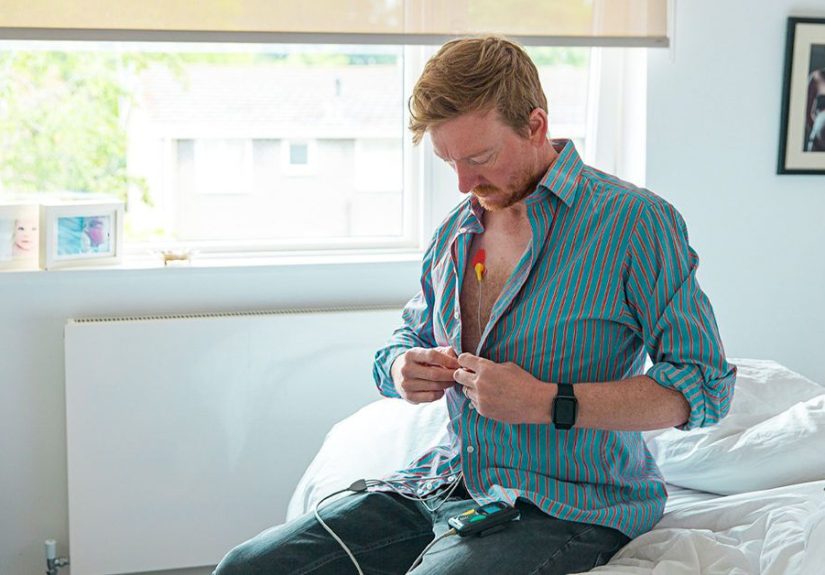
Stress tests can evaluate symptoms with exertion and functional capacity. Rhythm monitors (Holter or longer-term
monitors) look for intermittent arrhythmias. If there’s concern for inherited cardiomyopathy, clinicians may
recommend family screening and genetic counseling/testing.
Occasionally, specialized testing (and rarely a heart muscle biopsy) may be considered when the diagnosis remains
unclear or a specific infiltrative or inflammatory cause is suspected.
Treatment: what doctors actually do (and why)
Treatment goals are usually straightforward, even if the medical words aren’t:
reduce symptoms, prevent complications, slow progression,
treat the cause when possible, and help you live a normal lifeor as close to
that as the heart will allow.
1) Lifestyle and risk-factor control
Lifestyle changes aren’t a moral test. They’re a mechanical advantage. Small adjustments can reduce workload on
the heart and lower risk:
- Blood pressure control (often a big deal)
- Limit alcohol (especially if alcohol-related disease is suspected)
- Heart-healthy eating and appropriate sodium guidance for fluid retention
- Exercise guidance tailored to the type (particularly important in HCM/ARVC)
- Quit smoking and address sleep apnea if present
- Vaccination and infection prevention when relevant
The “right” exercise plan depends on the specific cardiomyopathy and your risk profile. Some people do great with
structured aerobic training. Others need to avoid intense competitive or burst-type exertion. This is one place
where personalized advice really matters.
2) Medications
Medication choices depend on the type of cardiomyopathy and the heart’s pumping function. Common categories
include:
- Beta blockers (slow the heart rate, reduce workload, help rhythm control; often used in HCM)
- ACE inhibitors/ARBs (help the heart pump more efficiently and reduce remodeling)
- Diuretics (help remove excess fluid and ease breathing/swelling)
- Mineralocorticoid receptor antagonists (in certain heart failure situations)
- Antiarrhythmics (for rhythm control in selected cases)
- Anticoagulants (“blood thinners”) if clot risk is high (for example with atrial fibrillation)
For obstructive HCM, certain medications can reduce symptoms and the outflow obstruction, and newer targeted drugs
may be considered in appropriate patients under specialist care.
3) Devices and procedures
When rhythm risk is significant or the heart’s electrical timing is off, devices can be lifesaving:
- Pacemaker to support slow rhythms or improve coordination in specific settings
- Implantable cardioverter-defibrillator (ICD) to treat dangerous ventricular arrhythmias
- Cardiac resynchronization therapy (CRT) for certain patients with heart failure and electrical dyssynchrony
Some people with obstructive HCM and persistent symptoms despite medication may benefit from procedures that
reduce the thickened septum:
- Septal myectomy (surgical removal of a small portion of thickened muscle)
- Alcohol septal ablation (a catheter-based procedure that intentionally scars a small area to reduce obstruction)
If cardiomyopathy is driven by blocked arteries or significant valve disease, treatment may also include coronary
interventions (like bypass surgery in selected cases) or valve repair/replacement.
4) Advanced therapies: LVAD and heart transplant
For severe, advanced heart failure that doesn’t respond to standard therapy, advanced options may include:
- Left ventricular assist device (LVAD/VAD): a mechanical pump that helps the heart circulate blood
- Heart transplant in carefully selected patients
These are not first-line treatments, but they can dramatically improve survival and quality of life for the right
candidates. When cardiology teams talk about “advanced therapies,” this is what they mean.
Complications to watch for
Cardiomyopathy can lead to complications that require ongoing monitoring:
- Heart failure flare-ups (fluid retention, shortness of breath)
- Atrial fibrillation and other arrhythmias
- Stroke or other embolic events (often via clot formation)
- Sudden cardiac arrest (risk varies widely by type and individual factors)
- Progressive valve leakage due to chamber enlargement
The good news: many complications are preventable or manageable with the right combination of medication,
monitoring, and (when needed) devices.
Living with cardiomyopathy: practical habits that help
Living well with cardiomyopathy is often less about one heroic change and more about consistent, boring
excellencelike brushing your teeth, except the “teeth” are your heart and the consequences are a bit more dramatic.
- Keep follow-up appointments (symptoms can change gradually)
- Track trends: weight, swelling, exercise tolerance, and symptoms
- Know your triggers: excess salt, skipped meds, dehydration, binge drinking, stimulant use
- Take medications as prescribed (and report side effects early)
- Ask about family screening if an inherited form is suspected
- Plan for travel/exertion with your clinician if symptoms are active
Many people also benefit from cardiac rehabilitation, structured exercise plans, and support groupsbecause
managing a heart condition is not only physiological; it’s psychological and logistical, too.
When to seek urgent care
Call emergency services or seek immediate evaluation if you have:
- Chest pain/pressure that’s new, severe, or persistent
- Severe shortness of breath at rest, new confusion, or bluish lips/face
- Fainting or near-fainting, especially with exertion
- Rapid or irregular heartbeat with dizziness, chest pain, or shortness of breath
- Sudden weakness/numbness, facial droop, trouble speaking (possible stroke signs)
This article is educational and not a substitute for medical care. If you think something is wrong, trust your
instincts and get evaluated.
Frequently asked questions
Is cardiomyopathy the same as coronary artery disease?
Not exactly. Coronary artery disease is about narrowed/blocked arteries supplying the heart muscle. Cardiomyopathy
is about the heart muscle itself being abnormal. They can overlapcoronary disease and heart attacks can weaken
the heart and contribute to a cardiomyopathy picture.
Can cardiomyopathy be reversed?
Sometimes. If the cause is treatable (for example, alcohol-related weakness, certain inflammatory causes, or
stress-related takotsubo cardiomyopathy), function may improve significantly. Other forms are not “reversible,”
but symptoms and outcomes can still improve with modern therapy.
Should family members be tested?
If an inherited cardiomyopathy is suspected (especially HCM, ARVC, or familial DCM), clinicians may recommend
screening for close relatives. The exact approach varies and is often guided by cardiology and genetic counseling.
What does treatment usually look like day-to-day?
Often it’s a combination of medications, lifestyle habits, and periodic monitoring. Some people also have a device
(like an ICD). The goal is steady controlnot constant crisis management.
Real-World Experiences : what this can feel like in real life
Medical definitions are useful, but they don’t always capture what cardiomyopathy feels like on a random Tuesday
when you’re just trying to live your life and your heart is acting like it’s negotiating a new contract.
The experiences below are composite storiesrealistic patterns people commonly describeso you can
recognize the “human side” of the condition.
Experience #1: “I thought I was just out of shape” (dilated cardiomyopathy)
One common story starts with small concessions: you stop taking stairs. Then you stop parking far away “for the
extra steps.” Then you notice your shoes feel tighter by the end of the day. Many people with dilated
cardiomyopathy describe a slow slide: fatigue, shortness of breath, swelling, and the sense that their body’s
battery isn’t charging overnight like it used to.
The turning point is often an everyday moment: getting winded carrying groceries, waking up breathless, or a cough
that won’t quit. After diagnosis, people frequently say the most surprising part is that treatment can help fairly
quicklydiuretics easing fluid, medications improving symptoms, and a plan replacing guesswork. The emotional
shift matters, too: “It wasn’t laziness. It was my heart.” That realization can be scary, but also validating.
Experience #2: “My family history suddenly mattered” (hypertrophic cardiomyopathy)
With hypertrophic cardiomyopathy, some people feel fine until they don’t. They may notice exertional chest
tightness, dizziness, or episodes of faintingoften during or after intense activity. Others learn about HCM when a
relative is diagnosed and the family gets screened.
People often describe the first cardiology visit as part science, part family reunion: “So… who else has heart
issues?” It can feel awkward, but it’s also a powerful preventive tool. Many patients with HCM live active lives
with tailored exercise guidance and medication. Those with higher rhythm risk sometimes get an ICD. A frequent
sentiment is relief mixed with annoyance: relief that the risk is being managed, annoyance that the heart needs
“software updates” in the form of lifelong follow-up.
Experience #3: “Pregnancy was supposed to be the happy part” (peripartum cardiomyopathy)
Peripartum cardiomyopathy can be emotionally whiplash-inducing because it arrives during a time already full of
physical changes. Shortness of breath and fatigue can be brushed off as normal pregnancy or postpartum recovery.
Some people describe feeling guilty for bringing up symptomsuntil symptoms escalate and it becomes clear that
something else is going on.
After diagnosis, the experience often becomes team-based: cardiology, OB, sometimes maternal-fetal medicine. Many
describe the hardest part as balancing newborn life with medical care: medications, follow-up scans, and the
constant question, “Is my heart getting better?” With appropriate treatment and monitoring, many improve, but it’s
still a heavy season. Supportpractical and emotionalmakes a real difference.
Experience #4: “My heart broke… literally?” (takotsubo cardiomyopathy)
Takotsubo cardiomyopathy stories often start with an intense event: grief, a major conflict, a medical illness, or
even a surprise that was “too much” for the nervous system. People frequently describe classic heart-attack-like
symptomschest pressure, shortness of breath, sweatingfollowed by a whirlwind of testing.
The strange part is hearing, “Your arteries don’t look blocked,” while still being told, “Yes, this is serious.”
Recovery can bring a new awareness of the mind–body connection. Many people become more intentional about stress
managementnot as a feel-good slogan, but as a real part of staying healthy. And yes, some will joke (because humor
is a coping mechanism): “My heart can’t handle my group chat anymore.” Fair.
Across all types, a consistent theme emerges: people do better when they understand their condition, follow a plan,
and feel supported. Cardiomyopathy changes the rulesbut it doesn’t automatically remove you from the game.
Conclusion
Cardiomyopathy is a broad category of heart muscle conditions, ranging from mild and manageable to complex and
high-risk. Understanding the type (dilated, hypertrophic, restrictive, arrhythmogenic, peripartum,
or takotsubo), identifying causes and risk factors, recognizing symptoms, and
following an evidence-based treatment plan can dramatically improve quality of life and reduce
complications.
If you take away one thing, make it this: cardiomyopathy is not a single storyline. It’s a choose-your-own-adventure
bookexcept you want a cardiologist as your co-author.






 Close
Close