
Table of Contents >> Show >> Hide
- What Is Microneedling with PRP?
- What Can Microneedling with PRP Help Improve?
- Why People Like This Treatment
- Side Effects and Risks: The Part Nobody Should Skip
- Who Should Avoid or Postpone Microneedling with PRP?
- Recovery: What to Expect After the Procedure
- Aftercare Tips That Actually Matter
- Microneedling with PRP vs. Microneedling Alone
- Is At-Home Microneedling a Good Substitute?
- Who Is a Good Candidate?
- Extended Experiences: What This Treatment Commonly Feels Like in Real Life
- Final Takeaway
- SEO Tags
If the phrase microneedling with PRP sounds like a science experiment that wandered into a med spa, that is only partly true. This treatment combines controlled micro-injuries in the skin with platelet-rich plasma, or PRP, which is made from your own blood. The goal is simple: encourage healing, support collagen production, and improve texture without going full movie-reboot on your face.
It is often nicknamed the “vampire facial,” which is great for headlines and slightly terrible for patient education. The real story is less dramatic and more useful. When performed by a qualified professional, microneedling with PRP may help improve acne scars, fine lines, rough texture, and overall skin quality. But it is not magic, it is not right for everyone, and it definitely is not a treatment you should choose because a celebrity once posted a crimson selfie.
This guide breaks down what microneedling with PRP is, what benefits it may offer, what side effects can happen, what recovery actually feels like, and how to decide whether it belongs in your skin-care game plan.
What Is Microneedling with PRP?
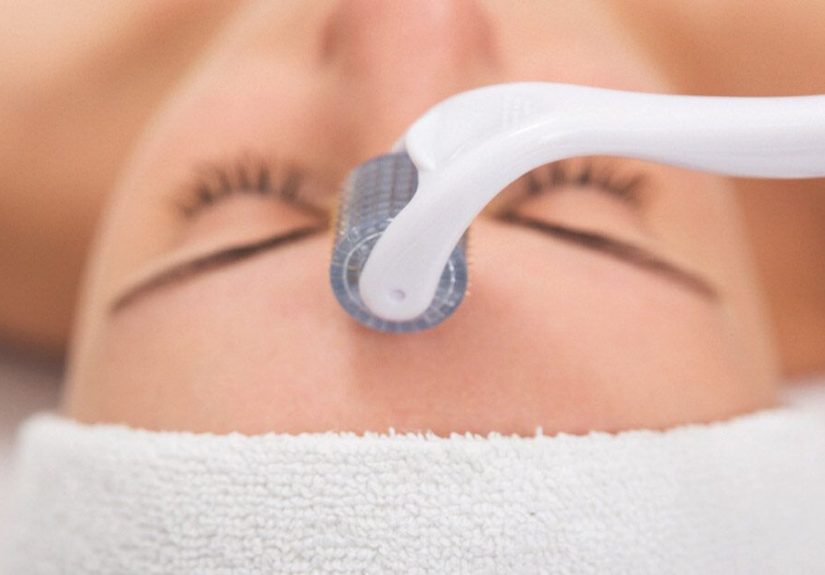
Microneedling is a minimally invasive procedure that uses very fine needles to create tiny punctures in the skin. These controlled injuries trigger the body’s natural repair response, which can stimulate collagen and elastin production over time. PRP, short for platelet-rich plasma, is prepared by drawing a small amount of your blood and spinning it in a centrifuge to separate out plasma rich in platelets and growth factors.
When the two are paired, the idea is that microneedling creates channels in the skin while PRP helps support healing and tissue remodeling. Some clinicians apply PRP topically after the needling step, while others also inject it into targeted areas. Either way, the treatment is designed to improve skin quality through your body’s own repair process rather than by freezing muscles or filling space.
How a Typical Appointment Works
While protocols vary, the process usually follows a familiar script. First comes a consultation, because good cosmetic medicine starts with boringly responsible screening. Your provider should review your skin concerns, medical history, medications, history of cold sores, tendency to scar, and whether you have active acne or a skin condition that could make treatment risky.
On treatment day, a topical numbing cream is usually applied. A small blood sample is drawn, processed to create PRP, and then the provider performs microneedling using a sterile device. The PRP is then applied or injected, depending on the plan. The whole appointment often takes around an hour, give or take the treatment area and how chatty everyone gets.
What Can Microneedling with PRP Help Improve?
This treatment gets the most attention for facial rejuvenation, but that phrase can mean almost anything from “I want my skin smoother” to “I would like to look like I slept eight hours in 2014.” Realistically, microneedling with PRP may help with several common concerns.
1. Acne Scars
This is where the evidence looks the strongest. Studies and reviews suggest that combining PRP with microneedling may improve post-acne scarring better than microneedling alone in some patients. It can be especially useful for atrophic acne scars, the indented kind that make skin look uneven under natural light and brutally honest bathroom mirrors.
2. Fine Lines and Early Texture Changes
Microneedling can stimulate collagen, which may soften fine lines and improve crepey texture over time. PRP is often added in hopes of enhancing that effect. This does not mean one session will erase deeper folds or replace a facelift. It does mean some patients notice smoother, fresher-looking skin after a series of treatments.
3. Uneven Tone and Roughness
Many people pursue microneedling with PRP because their skin looks dull, uneven, or feels rough even when breakouts are gone. The treatment may improve skin texture and brightness gradually as healing progresses. Think refinement, not instant porcelain.
4. The Appearance of Pores
Microneedling does not literally shrink pores in a permanent structural sense, but improving surrounding collagen and skin texture can make enlarged pores look less obvious. That is often enough to make skin appear smoother on bare-face days.
5. Mild Signs of Skin Aging
For overall anti-aging, the picture is promising but mixed. Some studies suggest benefit for skin quality and wrinkles, while other research has found more limited improvement, especially when expectations are high and aging changes are more advanced. In plain English: it may help, but this is not the procedure to pick if you want a dramatic, one-and-done transformation.
Why People Like This Treatment
There are several reasons microneedling with PRP has become so popular, aside from the fact that “platelet-rich plasma” sounds like something a wealthy superhero would request before an awards show.
- It is minimally invasive. No large incisions, no general anesthesia, and far less downtime than surgery.
- It uses your own blood product. Because PRP is autologous, there is less concern about reacting to a foreign substance.
- It can be used across many skin tones. Standard microneedling is often considered a safer resurfacing option for a wider range of skin tones than some more aggressive procedures when done correctly.
- It can fit into a bigger treatment plan. Providers may use it as one part of a broader approach to scars, texture, or early aging.
- Recovery is usually manageable. Most patients deal with temporary redness and irritation rather than weeks of social hibernation.
Side Effects and Risks: The Part Nobody Should Skip
Microneedling with PRP is often described as low downtime, not no downtime. That distinction matters. Common side effects are usually temporary and expected, especially during the first several days.
Common Short-Term Side Effects
- Redness, often similar to a sunburn
- Swelling or puffiness
- Tightness, dryness, or roughness
- Mild tenderness or stinging
- Pinpoint bleeding during treatment
- Light bruising, especially if PRP is injected
- Flaking or peeling as the skin recovers
Less Common but More Important Risks
Rare complications can include infection, prolonged irritation, reactivation of herpes simplex in people prone to cold sores, post-inflammatory pigment changes, and scarring. Risk goes up when devices are used incorrectly, when aftercare is ignored, or when treatment is performed on the wrong patient at the wrong time.
It is also worth separating standard microneedling from radiofrequency microneedling. They are not the same thing. RF microneedling adds thermal energy and can carry additional risks, including more serious complications in some cases. So if you are comparing treatments, make sure you know which version is actually being discussed.
Who Should Avoid or Postpone Microneedling with PRP?
This is not a “walk in, point at your pores, walk out glowing” procedure for everyone. A qualified provider may tell you to wait or skip treatment if you have:
- Active acne breakouts in the treatment area
- Skin infections, open wounds, or inflamed rashes
- Eczema, psoriasis, or dermatitis in the area being treated
- A history of keloid or abnormal scarring
- Frequent cold sores without a prevention plan
- Bleeding disorders or use of anticoagulant medications
- Certain cancers or ongoing chemotherapy or radiation
- Pregnancy, depending on the provider’s protocol and the products used
If you are taking acne medication, blood thinners, or anything that affects healing, your provider should know before a single needle comes anywhere near your face.
Recovery: What to Expect After the Procedure
The recovery is one of the biggest selling points of microneedling with PRP, but it still helps to know what normal looks like. If you expect to leave the office looking filtered and camera-ready, you may be emotionally ambushed by the mirror.
The First 24 to 72 Hours
Your skin may look pink to red and feel warm, tight, or mildly swollen. Some people describe it as a sunburn crossed with mild windburn. You may also notice sensitivity when applying skin care. Gentle cleansing, bland moisturizers, and careful sun protection are usually the name of the game.
Days 3 to 5
Redness often settles, but dryness or light flaking can show up. Skin may feel rough before it feels better. This is the stage where people are tempted to overdo exfoliants or “help” the process with active products. Resist the urge. Healing skin is not asking for a chemistry experiment.
Week 1 and Beyond
Most of the visible irritation is usually calming down by this point, though full recovery varies by depth of treatment and individual skin sensitivity. The glow some people notice early is not the final result. More meaningful collagen-related changes tend to unfold gradually over the following weeks.
How Long Until You See Results?
Some patients notice fresher-looking skin within a few weeks, but the best results usually build over time and often after several treatments. If the goal is acne-scar improvement or broader textural change, a provider may recommend a series rather than a single session. One appointment can be helpful. A plan is usually more helpful.
Aftercare Tips That Actually Matter
Good aftercare is not glamorous, but it can make a real difference. A careful recovery routine is one of the simplest ways to lower irritation and protect your results.
- Use a gentle cleanser and plain moisturizer as directed.
- Wear sunscreen diligently once your provider says it is appropriate.
- Avoid harsh acids, retinoids, scrubs, and strong actives until cleared.
- Skip picking, peeling, or aggressively rubbing the skin.
- Follow provider instructions about makeup, exercise, and heat exposure.
- Call your provider if redness worsens, drainage develops, or pain feels out of proportion.
The broad theme is simple: protect the skin barrier, avoid irritation, and let healing do its job.
Microneedling with PRP vs. Microneedling Alone
This is the million-dollar question, or at least the several-hundred-dollar-per-session question. Does PRP make microneedling better? For acne scars, the answer appears to be often yes, at least somewhat. Reviews and comparative studies suggest the combination can outperform microneedling alone for scar improvement and patient satisfaction in some settings.
For broader facial rejuvenation, the answer is more nuanced. PRP may improve healing and support skin quality, but results vary by patient, protocol, platelet preparation, treatment depth, and the specific skin problem being targeted. In other words, PRP may be a useful upgrade, but it is not a guaranteed cheat code.
Is At-Home Microneedling a Good Substitute?
In one word: no. Professional microneedling uses sterile devices, controlled depth, and proper technique. At-home rollers and improvised DIY versions carry higher risks of irritation, infection, and disappointing results. The internet may act like a gadget and some bravery are enough. Your skin barrier disagrees.
If you want visible, lasting change, this is one of those categories where professional treatment matters. Medical-grade microneedling is not just “press harder and hope.”
Who Is a Good Candidate?
A good candidate is usually someone with realistic expectations, stable skin, and concerns like acne scars, uneven texture, mild fine lines, or early signs of aging who wants improvement without surgery. The best candidates understand that this is a process treatment. It works more like training for skin quality than like flipping a switch.
If your primary issue is major laxity, significant volume loss, or deep static wrinkles, another treatment or a combination approach may make more sense. The right question is not “Is microneedling with PRP trendy?” The right question is “Does it match the problem I actually want to solve?”
Extended Experiences: What This Treatment Commonly Feels Like in Real Life
One of the most useful ways to understand microneedling with PRP is to hear how the experience often unfolds in real life. Not in a glossy ad, not in a before-and-after montage set to dramatic music, but in the ordinary sequence of consultation, treatment, healing, and waiting.
For many first-timers, the appointment begins with a little skepticism and a lot of curiosity. The blood draw sounds more intense than it usually is. The numbing cream does a lot of heavy lifting, so the microneedling portion often feels more strange than painful. Patients commonly describe the sensation as scratchy, buzzy, or like a rough electric toothbrush having a strong opinion. Areas around the nose, upper lip, or forehead may feel more sensitive. That is normal.
Immediately afterward, people often notice that their skin looks bright red and a bit swollen. This is the stage where someone may think, “I either made a brilliant collagen decision or an extremely visible scheduling mistake.” The skin can feel hot, tight, and surprisingly dry. If PRP was injected into selected areas, there may also be pinpoint bruising or tenderness. Most people are still able to go home, rest, and function normally. They just may not want to be photographed under fluorescent lighting.
By the next day, many patients say the heat has settled but the skin still feels tight, delicate, and thirsty. Makeup may not sit well. Active skin care products may sting. This is why aftercare matters so much. The people who tend to have smoother recoveries are often the ones who keep things boring: gentle cleanser, uncomplicated moisturizer, sunscreen, and patience.
A few days later, the skin may start to feel rough or flaky. This stage can be annoying because improvement is happening, but it does not always look impressive yet. Some people describe a temporary “sandpapery” texture before things begin to smooth out. Others notice that the skin looks clearer and more even fairly quickly, while scars and fine lines take longer to budge. That slower pace is normal because collagen remodeling does not operate on social media timing.
Over the following weeks, patients often report that their skin looks a little fresher, makeup applies more evenly, and shallow texture irregularities are less obvious. People treating acne scars may notice that the skin looks incrementally smoother rather than dramatically different overnight. That is one reason many providers recommend a series of sessions. The experience is less “instant makeover” and more “steady, cumulative upgrade.”
Perhaps the most honest shared experience is this: the happiest patients are usually the ones who expect improvement, not perfection. They understand that microneedling with PRP can refine skin, soften certain concerns, and support healthier-looking texture, but it cannot completely replace volume, lift heavy sagging, or erase every line life has earned. It is a useful treatment, not a time machine. And honestly, that is still a pretty good deal.
Final Takeaway
Microneedling with PRP sits in an appealing middle ground. It is more than a facial, less than a surgical procedure, and often worthwhile for people dealing with acne scars, rough texture, and early signs of aging. The benefits can be real, especially when treatment is done by a qualified professional and expectations are grounded in reality instead of celebrity mythology.
The trade-off is that results are gradual, multiple sessions are often needed, and side effects like redness, dryness, and temporary irritation are part of the deal. In short, this treatment may be a smart option for the right person, but it is still a medical procedure, not a trendy skin-care dare.
If you are considering it, the smartest move is simple: see a board-certified dermatologist or similarly qualified clinician, ask what version of microneedling is being used, review your risks honestly, and make sure the plan fits your skin rather than the internet’s current obsession.







 Close
Close