
Table of Contents >> Show >> Hide
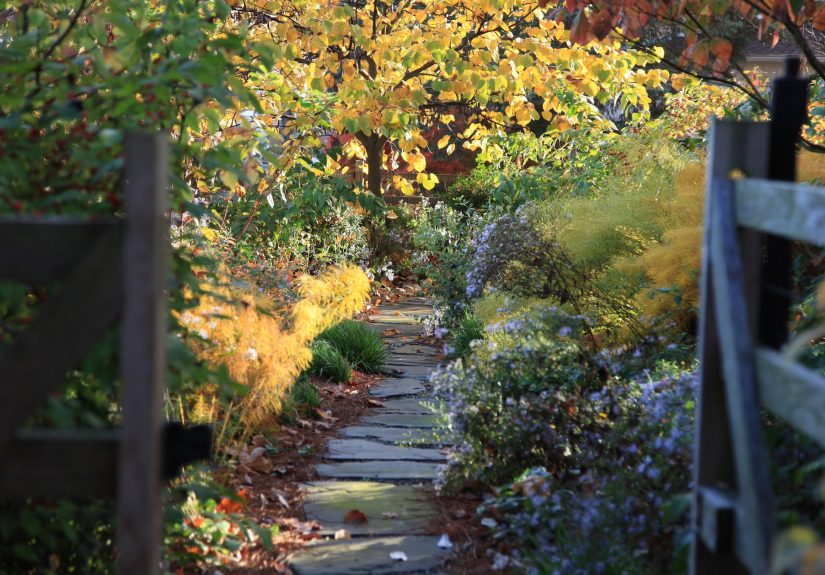
There is a moment in every garden year when summer has clearly left the party, winter is not yet knocking, and the whole yard seems to be standing around in a cardigan wondering what happens next. That, in a very stylish nutshell, is shoulder season. It is the in-between time when the garden stops performing like a fireworks finale and starts doing something more subtle, more textural, and honestly more interesting.
Gardenista’s take on shoulder season captures this mood beautifully: fewer loud declarations, more thoughtful moves. This is the season for gathering the last flowers and vegetables, refreshing containers, planting for spring, editing what needs editing, and resisting the annual urge to rake every leaf as though your lawn has committed a crime. The garden is not finished. It is just changing outfits.
And that is exactly why shoulder season matters. Good gardeners know that the transitional weeks between peak growth and true dormancy are not empty space on the calendar. They are a strategic window. What you do now shapes spring color, winter resilience, pollinator health, and how your garden feels when everyone else’s looks like it gave up and ordered takeout.
What “Shoulder Season” Means in the Garden
In travel, shoulder season is the sweet spot between high season and off season: fewer crowds, better prices, and all the good parts still intact. In the garden, it works much the same way. Shoulder season sits between lush summer abundance and the stripped-down quiet of winter. The heat has eased. The light is lower. The weeds are less cocky. The soil is still warm enough for roots to establish. And suddenly the gardener has a rare luxury: the chance to think clearly.
This is the season of slower pleasures. Seed heads begin to matter as much as flowers. Ornamental grasses become movie stars. Shrubs with berries and bark finally get their close-up. Containers can be reworked instead of discarded. A porch can become an outdoor room again with a blanket, a lantern, and a pot of something dramatic that does not immediately faint in mild cold.
Shoulder season is also when the smartest gardening advice sounds slightly rebellious. Leave some leaves. Keep some stems standing. Plant bulbs for a spring you cannot yet see. Divide perennials before they turn into a crowded family reunion. Add natives where you can. Remove diseased debris where you must. In other words: less “make it perfect,” more “make it resilient.”
The Real Work of Shoulder Season
Stop treating fallen leaves like a five-alarm emergency
For years, many gardeners were taught to strip the landscape clean in fall until every bed looked like it had been vacuumed by a perfectionist. Shoulder season asks for a calmer approach. Leaves are not just clutter; they can be useful mulch, soil food, and shelter for beneficial insects. Shredded or lightly layered leaves can protect roots, reduce weeds, and slowly feed the soil as they break down.
That does not mean every leaf should remain exactly where it falls. Thick mats on lawns can smother turf. Diseased plant debris should be removed. Gutters still need cleaning unless you are trying to grow a roof swamp. But in beds, under shrubs, and in less formal corners, leaves can do real ecological work. The trick is management, not panic.
Plant for the next act, not the current applause
One of the best things about shoulder season is that it rewards optimism. When you plant bulbs, perennials, shrubs, or cool-season vegetables now, you are working for a future version of the garden that feels almost impossible while the current one is winding down. Yet this is exactly when many plants want to go in the ground. Cooler air reduces transplant stress, while relatively warm soil helps roots settle in before deep cold arrives.
That is why fall planting has such a loyal fan club. Tulips, daffodils, alliums, crocuses, and other spring bulbs need their chilling time. Many perennials and shrubs establish beautifully when the weather moderates. In milder regions, shoulder season is also prime time for cool-season crops such as kale, lettuce, chard, peas, and brassicas. The garden may look quieter, but underground, it is still making plans.
Cut back selectively, not emotionally
Shoulder season is where pruning mistakes are born. In one weekend of overachieving, it is possible to cut down food for birds, remove habitat for overwintering insects, and reduce next year’s bloom, all while feeling very efficient. The better approach is selective cleanup.
Cut back plants that were diseased, pest-ridden, or truly mushy and done for the year. Tidy what poses a problem. But leave sturdy stems, seed heads, ornamental grasses, and certain perennials standing for winter structure and wildlife value. Coneflowers, black-eyed Susans, asters, sedums, grasses, and similar plants often look handsome well into the cold months. Even when the flowers are gone, the silhouettes remain. A winter garden with bones is much better than a winter garden with nothing but regret.
Refresh containers and entries without starting from scratch
If summer containers are looking tired, shoulder season does not demand a total breakup. Sometimes the smartest move is to keep what still looks good and swap in a few cooler-weather companions. A lively calibrachoa, for instance, can keep going. Add ornamental kale, peppers, grasses, sedge, pansies, alyssum, or mums, and suddenly the whole arrangement has a second life.
This is also the season when entrances matter. A front door framed with evergreens, grasses, pumpkins, seed pods, and textured containers can carry beauty deep into fall and even beyond. Shoulder season design is less about tropical abundance and more about composition: height, contrast, movement, and seasonal materials that feel gathered rather than purchased in a panic.
Fix the soil while nobody is looking
Summer asks gardeners to perform. Fall lets them repair. Shoulder season is a perfect time to improve soil with compost, leaf mold, aged manure where appropriate, and slow-acting amendments. Raised beds especially benefit from attention now, when weeds can be removed, old annual crops cleared, supports stored, drip lines drained, and cover crops sown.
If you grow vegetables, this is also the moment to be practical instead of sentimental. Pull spent tomatoes. Compost healthy material. Trash diseased plants. Sow rye, clover, field peas, or another cover crop if it fits your climate and schedule. The result is not glamorous in the Instagram sense, but it is extremely glamorous in the “my spring garden won’t be a mess” sense.
Choose ecology over empty polish
Shoulder season quietly exposes the difference between a decorative garden and a functioning one. A functioning garden still looks good, but it also supports life. Native plants, layered planting, seed-bearing flowers, and dense beds help feed pollinators, shelter wildlife, suppress weeds, and hold moisture in the soil. Even a few additions can make a difference.
This is also a good time to rethink problem plants. Gardenista’s shoulder season roundup hints at an important truth: some beautiful plants come with bad manners. If a shrub or vine is invasive in your area, shoulder season is a smart time to remove it, cut from it for arrangements, or at least stop pretending it deserves another starring role. Gardening maturity is realizing that pretty and appropriate are not always the same thing.
How to Design a Shoulder-Season Garden That Still Feels Alive
The best shoulder-season gardens do not try to imitate July. They lean into what late season does better. That means texture over sheer volume, subtle color over nonstop bloom, and structure over spectacle. Think tawny grasses, fading hydrangea heads, dusky purple foliage, seed pods, berries, branches, bark, and flowers that save their energy for autumn.
Asters, anemones, sedums, Japanese anemones, black-eyed Susans, turtleheads, and late salvias can keep beds lively. Ornamental grasses bring motion. Evergreen shrubs anchor the scene. Native perennials add food and shelter. Containers can bridge the gap between garden beds and outdoor living spaces. Even a small balcony or stoop can take on shoulder-season charm with one generous pot, a good lantern, and a refusal to rush indoors too early.
This is where outdoor rooms really shine. The shoulder-season porch or patio is less about sunbathing and more about atmosphere. Add a throw, a bench cushion, a tray for tea, and a few potted plants that like cooler weather, and the whole space becomes an invitation. The season says: linger a little. You are not done enjoying the garden just because the tomatoes look tired.
Mistakes to Avoid During Shoulder Season
First: do not strip the garden bare unless disease forces your hand. A spotless fall garden can be an ecological wasteland.
Second: do not assume everything should be cut back. Some plants benefit from it; others prefer to wait until spring.
Third: do not stop watering too early. Newly planted trees, shrubs, and perennials still need moisture while roots establish.
Fourth: do not make the whole season about mums and pumpkins. They are lovely, but shoulder season has a much deeper design palette: grasses, berries, seed heads, bark, dried flowers, evergreen structure, and native texture.
Fifth: do not ignore the invisible jobs. Soil testing, amending beds, storing supports, cleaning tools, draining irrigation lines, and planting bulbs are not flashy, but they are the reason future you gets to feel smug in April.
Why Gardenista’s Shoulder Season Mood Works So Well
Gardenista has long understood that gardens are not only about horticulture. They are also about mood, materials, use, and restraint. Shoulder season fits that sensibility perfectly because it is not a maximalist season. It is a season of editing. Of seeing the beauty in a basket full of the last cuttings. Of noticing that a branch with berries can be more compelling than a whole border screaming for attention. Of allowing leaves to be useful instead of labeling them a nuisance.
In that way, shoulder season feels unexpectedly modern. It values low-impact choices, natural processes, and gardens that are beautiful because they are alive, not because they have been shaved into submission. It invites gardeners to think like designers and ecologists at the same time. That is a rare and excellent combination.
Personal Experience: Learning to Love the In-Between
For many gardeners, the first real experience of shoulder season begins with mild disappointment. Summer is ending. The zinnias are slowing down. The basil is acting dramatic. The daylight leaves earlier each evening like it has another engagement. At first, the garden can seem as though it is losing momentum. But spend a few seasons paying attention, and the whole story changes.
The most memorable shoulder-season gardens are rarely the loudest ones. They are the gardens that teach you how to look again. You notice the seed heads you ignored in August. You realize that ornamental grasses can carry a border on movement alone. You start cutting stems for indoor arrangements and suddenly understand why dried hydrangeas, berries, and fading foliage have such a devoted following. Summer flowers may have been the extroverts, but autumn texture is the one with actual depth.
There is also something deeply satisfying about the work itself. Summer gardening can feel like customer service for plants: watering, deadheading, feeding, rescuing, negotiating, apologizing. Shoulder season is different. The pace softens. Tasks become more deliberate. You divide a perennial because it needs room, not because a social media video told you to do seventeen things before lunch. You plant bulbs with the kind of hopeful logic that only gardeners understand. You leave a few leaves in the beds and, for once, do not feel guilty about it. The whole season feels less like maintenance and more like stewardship.
One of the best shoulder-season experiences is discovering that the garden does not need to be at peak bloom to feel generous. A porch with two well-filled pots, a sheaf of grasses, and a wool throw can feel more welcoming than a midsummer patio full of exhausted annuals. A border with asters, seed heads, and tawny foliage can feel richer than one packed with nonstop color. There is less visual shouting, which means the details finally get their turn.
Another lesson comes from restraint. Many gardeners have a moment, usually while holding pruning shears and a trash bag, when they realize that “clean” and “better” are not synonyms. Leaving a stand of coneflowers for birds, allowing stems to remain for overwintering insects, or keeping leaf litter under shrubs can feel oddly radical the first time. Then spring arrives, life returns, and the garden makes its case without saying a word. Shoulder season teaches trust.
It also teaches humility. Not every plant deserves a place next year. Not every idea from summer worked. Some corners need rethinking, some invasives need removing, and some beds need more structure than flowers. This is the season for honest notes. It is easier to see where the garden lacked rhythm, where containers fell flat, where a native addition might strengthen the whole picture, or where a shrub with berries could carry the view after bloom season fades.
Most of all, shoulder season teaches that the garden is not a one-note performance. It is a sequence. A conversation. A handoff from flowers to foliage, from foliage to stems, from stems to seed, from seed to rest, and from rest back to growth. Once you understand that, the in-between no longer feels like a decline. It feels like the season when the garden becomes more honest, and perhaps more beautiful, because it is no longer trying so hard to impress you.
Note: This article is original, web-ready, and formatted as body-only HTML with visible SEO JSON at the end for direct publishing use.





 Close
Close