
Table of Contents >> Show >> Hide
- What is knock-knees (genu valgum)?
- What causes knock-knees?
- Symptoms and signs to watch for
- How doctors diagnose knock-knees
- Treatment for knock-knees
- Exercises for knock-knees
- Can exercises actually fix knock-knees?
- Daily habits that can help
- Common experiences people have with knock-knees
- Final thoughts
Knock-knees, or genu valgum, sounds dramatic, and visually, it can be. The knees angle inward, the ankles stay apart, and parents naturally wonder whether this is a normal phase, a sign of a deeper problem, or the universe’s strange way of making legs look like they are trying to hold a secret meeting.
The good news is that knock-knees are often a normal part of childhood development. The less-good news is that not every case is harmless, and not every age gets the same “just wait and see” advice. In children, timing matters. In teens and adults, symptoms and alignment matter. And in all age groups, the smartest treatment plan depends on the cause, not just the appearance.
This guide breaks down what knock-knees are, what causes them, when treatment is needed, which exercises may help, and what real-life experiences with genu valgum often look like for parents, kids, teens, and adults.
What is knock-knees (genu valgum)?
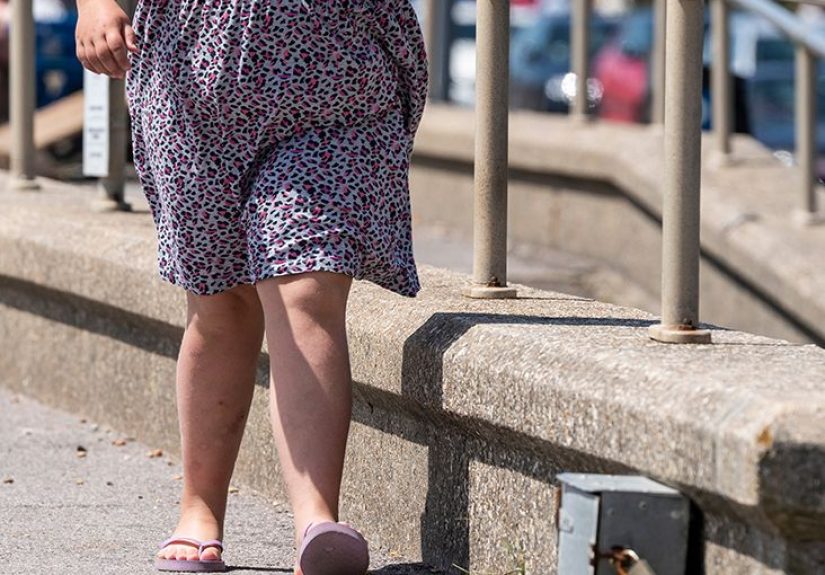
Knock-knees describes a leg alignment in which the knees angle inward and may touch or nearly touch while the ankles remain apart. In mild cases, it is mostly a visible alignment difference. In more pronounced cases, it can affect walking, running, kneecap tracking, comfort, and long-term joint loading.
The key detail is this: genu valgum can be physiologic or pathologic. Physiologic means it is a normal developmental stage. Pathologic means there is an underlying issue, such as a bone disorder, injury, nutritional problem, or persistent deformity that is no longer appropriate for the person’s age.
Normal development vs. pathologic genu valgum
Children are not born with textbook-straight legs. Leg alignment changes as they grow. Babies often start out bowlegged. As walking develops, alignment shifts toward neutral, then into a knock-kneed phase, and later settles again. That is why a toddler with knees that drift inward is often not a medical emergency. It is a milestone with an awkward visual effect.
Generally, knock-knees become noticeable around ages 2 to 3, are often most obvious around ages 3 to 5, and then gradually improve. By about age 7, persistent or worsening genu valgum deserves more careful evaluation. A first-time appearance after age 6 or 7 also raises more concern than the same appearance in a preschooler.
What causes knock-knees?
The most common cause: normal childhood growth
In young children, the most common cause is simply normal bone development. The body is still organizing its architecture, and sometimes the framing crew takes an odd route before the finished result looks straight.
When this is the cause, children usually have symmetric alignment, no major pain, and no serious functional limitation. Many improve without active treatment.
Medical causes of pathologic genu valgum
Sometimes knock-knees are a clue rather than the full story. Potential causes include:
- Growth plate injury, especially around the knee
- Vitamin D deficiency and rickets
- Bone infection or previous inflammation affecting growth
- Overweight or obesity, which can increase stress across growing legs
- Skeletal dysplasias or genetic conditions that affect bone development
- Ligament laxity or hypermobility in some patients
These cases are more likely to be persistent, progressive, asymmetric, painful, or associated with other signs such as short stature, limping, unusual gait, or delayed motor function.
Causes in teens and adults
In adolescents and adults, genu valgum may reflect residual childhood alignment, a previous growth plate problem, congenital bone shape, or progressive joint wear. When knock-knees persist into adulthood, the issue is less about “waiting it out” and more about how the alignment is affecting the knees, hips, ankles, and overall mechanics.
Adults with significant valgus alignment may develop kneecap pain, lateral knee pain, hip discomfort, fatigue with activity, or earlier wear on the outer part of the knee joint. In other words, crooked alignment can become a joint-loading problem, not just a cosmetic one.
Symptoms and signs to watch for
Some people have visible knock-knees and no symptoms. Others notice problems that go beyond appearance. Common signs include:
- Knees angling inward while the ankles remain apart
- An unusual walking or running pattern
- Feet rotating outward or compensating during gait
- Limping
- Knee pain, especially around the kneecap or outer knee
- Hip discomfort or fatigue with activity
- Frequent tripping, awkward running, or poor balance
When to see a doctor
Evaluation is especially important when genu valgum:
- Appears before age 2 or after age 7
- Gets worse instead of better after age 7
- Looks asymmetric or affects one side more than the other
- Comes with pain, limping, or functional trouble
- Occurs along with short stature or other signs of a bone disorder
- Develops after trauma or infection
Those are the moments when “they’ll grow out of it” stops being a comforting phrase and starts sounding like a risky guess.
How doctors diagnose knock-knees
Diagnosis starts with a physical exam. A clinician looks at standing alignment, gait, symmetry, joint motion, and whether the issue seems to come mainly from the femur, tibia, feet, hips, or a combination of them.
If the pattern looks typical for age, imaging may not be needed right away. But if the case is unusual, severe, progressive, or associated with pain or asymmetry, the next step may include standing X-rays, often full-length images from hip to ankle. These help measure the mechanical axis, the tibiofemoral angle, and whether the deformity arises more from the femur or the tibia.
If rickets or another metabolic issue is suspected, lab work may be added. The goal is simple: do not treat every inward knee angle as the same problem.
Treatment for knock-knees
1. Observation and follow-up
For many young children, the best treatment is watchful waiting. That is not the same as ignoring it. It means monitoring growth, checking whether alignment improves on schedule, and making sure no red flags appear.
In physiologic cases, no aggressive intervention is usually needed. Bones mature, alignment improves, and the child moves on to more pressing concerns, such as whether vegetables are a conspiracy.
2. Treating the underlying cause
If genu valgum is caused by a medical condition, treatment focuses on that cause. A child with rickets may need vitamin D and mineral management. A patient with a growth plate disturbance may need orthopedic monitoring. A bone infection or skeletal disorder requires a more specific care plan. In pathologic cases, correcting the cause matters just as much as correcting the alignment.
3. Physical therapy
Physical therapy can help when knock-knees are associated with weakness, poor movement control, patellofemoral pain, or difficulty with daily activity. PT will not magically remodel a bone that is structurally angled the wrong way, but it can improve the way the body supports and uses that alignment.
Therapy often targets:
- Hip abductors and external rotators
- Gluteal muscles
- Core and lumbopelvic control
- Quadriceps strength
- Balance and single-leg control
- Movement quality during squatting, stairs, landing, and running
4. Bracing and orthotics
Bracing is not the main treatment for the average child with physiologic knock-knees. In selected cases, a clinician may recommend a brace, especially when trying to guide alignment or support function. But bracing is not a universal fix, and it is not usually where treatment begins.
Orthotics may help some patients with foot mechanics or comfort, but they are not a cure for true bony genu valgum.
5. Guided growth surgery in children
When a growing child has significant, persistent knock-knees, orthopedic surgeons may use a procedure commonly called guided growth or temporary hemiepiphysiodesis. This works by slowing growth on one side of the growth plate while allowing the other side to keep growing, gradually improving alignment over time.
This option works best before skeletal maturity, which is why timing matters so much. If the child is seen too late, the window for easier correction can close.
6. Osteotomy in teens and adults
If growth is finished and the deformity remains significant, treatment may require an osteotomy. That means the surgeon cuts and realigns the bone, usually the femur, tibia, or both, depending on where the deformity comes from.
In younger, active adults with painful malalignment and early joint damage, osteotomy may reduce pain, improve function, and help delay knee replacement. In more advanced arthritis cases, other procedures may be considered depending on the joint condition.
Exercises for knock-knees
The exercises below are most useful when genu valgum is mild, dynamic, or associated with weakness and poor knee control. They are also commonly used when people have kneecap pain or faulty movement patterns alongside knock-knees.
Important: exercises can improve strength, stability, and movement quality, but they do not reliably straighten bones in someone with a true structural deformity. Think of them as support work, not bone magic.
Clamshells
Lie on your side with knees bent and feet together. Keep the pelvis steady and lift the top knee without rolling backward. This targets the gluteus medius and deep hip stabilizers. Aim for 2 to 3 sets of 10 to 15 reps per side.
Side-lying hip abduction
Lie on your side with the top leg straight and slightly behind you. Lift it upward without rotating the toes toward the ceiling. This strengthens the lateral hip muscles that help control inward knee collapse.
Bridges
Lie on your back with knees bent and feet flat. Lift your hips while keeping the knees tracking straight. Progress to a single-leg bridge if your clinician or therapist approves. This strengthens the glutes and posterior chain.
Monster walks or band walks
Place a resistance band around the thighs or ankles, soften the knees, and step sideways or diagonally while keeping the knees from caving inward. These are excellent for hip strength and movement awareness.
Mini squats to a chair
Stand with feet hip-width apart and sit back toward a chair, then stand up. Focus on keeping the knees aligned over the feet instead of drifting inward. Start shallow. Good form beats dramatic depth every time.
Step-downs
Stand on a low step and slowly lower one heel toward the floor, then return. This helps train eccentric control, especially for stairs and downhill walking. Watch knee position carefully.
Single-leg stance and clock taps
Balance on one leg, then lightly reach the other foot forward, to the side, and backward as if tapping points on a clock. This improves balance, hip control, and knee stability.
Calf raises
Rise onto your toes slowly, then lower with control. Strong calves help support lower-leg mechanics and improve push-off during walking and running.
Helpful stretches
Tight tissues can worsen faulty mechanics, so stretching may help if prescribed appropriately. Common targets include the hip flexors, quadriceps, hamstrings, calves, adductors, and sometimes the iliotibial band region. Stretching alone will not “fix” knock-knees, but it can make strength work more effective.
Can exercises actually fix knock-knees?
This is where the internet tends to become wildly optimistic. If the problem is dynamic knee valgus or poor movement control, exercises can help a lot. If the problem is a bony structural deformity, exercises can help you move better and feel better, but they usually will not fully correct the angle of the leg.
That distinction matters. A teen athlete with inward knee collapse during squats may improve noticeably with strength and technique work. An adult with long-standing genu valgum from bone alignment may feel stronger but still need orthopedic evaluation if pain and mechanical overload continue.
Daily habits that can help
- Keep follow-up visits if a clinician is monitoring growth
- Use supportive footwear if recommended
- Choose low-impact activities when pain flares
- Maintain a healthy body weight when possible
- Do strength exercises consistently instead of heroically for three days and then never again
- Do not ignore limping, worsening pain, or visible progression
Common experiences people have with knock-knees
Parents often describe the first experience with knock-knees the same way: one day their child seems fine, and the next day they notice the knees touching while the ankles stay apart, and suddenly every family photo becomes a diagnostic consultation. For many families, the biggest emotion is not pain but uncertainty. They want to know whether this is a phase, whether they missed something, and whether waiting is wise or reckless. In typical early childhood cases, reassurance and follow-up bring enormous relief. The hard part is that normal development can look surprisingly abnormal if you are not used to seeing it.
School-age children may become more aware of their leg shape when peers start noticing differences. Some do not care at all. Others dislike shorts, avoid certain sports, or feel clumsy during running games. If the genu valgum is mild and painless, the experience is often more social than medical. But when it comes with tripping, fatigue, or knee pain, frustration tends to grow. Kids may not say, “My lower-extremity biomechanics are bothering me.” They say, “My knees feel weird,” or “I hate running.” That matters.
Teens frequently notice knock-knees during sports, gym class, or strength training. They may see their knees drift inward in mirrors during squats, landing drills, or stairs. Some are told to “just push the knees out,” which is decent advice only if weakness and control are the problem. For others, the issue is more structural, and no amount of motivational shouting from a coach is going to change femoral or tibial alignment. That is often when a proper evaluation becomes valuable, because it separates technique issues from anatomy issues.
Adults with genu valgum often describe a different pattern. They may say they have “always been a little knock-kneed,” but only started caring when pain showed up. The discomfort can build slowly: kneecap pain with stairs, aching on the outside of the knee after long walks, or a sense that one leg never tracks smoothly. Some adults also notice hip fatigue or ankle soreness because the entire chain is compensating. Their experience is less about appearance and more about the cumulative effect of alignment over time.
People who start physical therapy commonly report two early surprises. First, the exercises can seem simple but feel humbling. Second, small improvements in hip strength and balance can make everyday movement feel more stable, even if the legs do not look radically different. People who undergo guided growth or osteotomy often describe a different journey: more medical appointments, more imaging, more patience, but also the relief of finally addressing the root mechanical issue instead of just accommodating it forever.
The most consistent experience across all ages is this: knock-knees are easier to manage when they are understood early, monitored appropriately, and treated according to the real cause instead of guesswork.
Final thoughts
Knock-knees (genu valgum) sit in a tricky gray zone between normal development and real pathology. In many young children, they are temporary and harmless. In older children, teens, and adults, they deserve a closer look when they are painful, asymmetric, progressive, or interfering with movement.
The right treatment may be observation, physical therapy, management of an underlying condition, guided growth, or osteotomy. The right exercise plan can improve strength, alignment awareness, and comfort, but it should match the person’s actual mechanics. When in doubt, a qualified orthopedic or pediatric specialist can tell the difference between a phase, a functional issue, and a structural deformity.






 Close
Close