
Table of Contents >> Show >> Hide
- Why Stainless Steel Still Rules the Kitchen
- Where Stainless Steel Works Best
- How to Style Stainless Steel Without Making the Kitchen Feel Cold
- Cleaning and Maintenance: The Part Nobody Puts on the Mood Board
- Should You Choose Traditional, Fingerprint-Resistant, or Black Stainless?
- A Smart Shopping Checklist for a Stainless Steel Kitchen
- Final Thoughts
- Real-Life Experiences with a Stainless Steel Kitchen
- SEO Tags
Stainless steel has been the reigning champion of the modern kitchen for so long that it almost feels rude to question it. It is shiny, practical, professional-looking, and somehow manages to say, “I cook,” even when the only thing in the oven is leftover pizza. But stainless steel is not just a pretty face with a chef’s-jacket vibe. It remains one of the most versatile materials in the kitchen because it can bridge styles, survive daily chaos, and play nicely with everything from warm wood cabinets to bold paint colors.
This stainless steel roundup takes a real-world look at where the material shines, where it can get a little dramatic, and how to use it without turning your kitchen into something that feels like a hospital cafeteria with better lighting. If you are planning a remodel, replacing appliances, or simply wondering whether stainless is still worth the hype, here is the honest answer: yes, but only when you use it wisely.
Why Stainless Steel Still Rules the Kitchen
There is a reason stainless steel keeps showing up in kitchens decade after decade. It has what many trendy finishes do not: staying power. It works in contemporary kitchens, transitional kitchens, farmhouse kitchens, and even more traditional spaces when paired with the right materials. In other words, stainless steel is the friend who can show up to a black-tie dinner or a backyard cookout and somehow still look appropriate.
Its biggest advantage is flexibility. Stainless steel appliances, sinks, backsplashes, and even countertops can slide into a room without demanding a total redesign. If your cabinets are navy, walnut, white, greige, sage, or black, stainless usually gets along with them. That makes it a safe choice for homeowners who want something stylish without locking themselves into a very specific trend cycle.
The Big Benefits
It looks clean and professional. Stainless steel has long been associated with restaurant kitchens and serious cooking spaces, so it naturally gives a home kitchen a polished, hardworking look.
It is durable. In a room where steam, splatters, hot pans, water spots, and mystery fingerprints appear daily, durability matters. Stainless steel handles heat well, resists stains better than many other materials, and generally holds up to heavy use.
It reflects light. This is especially useful in smaller kitchens. Stainless surfaces can bounce light around the room, helping compact spaces feel brighter and a little more open.
It pairs with almost anything. Marble, quartz, butcher block, painted cabinets, wood islands, matte black hardware, brass accents, concrete floors, subway tile, zellige tile, and open shelving all work with stainless steel when balanced correctly.
It supports resale appeal. Buyers often see stainless steel appliances as an easy, familiar, dependable choice. It is not an automatic home-value magic trick, but it does tend to read as current and broadly appealing.
The Honest Downsides
Now for the less glamorous side of the story. Stainless steel may look effortless in magazine kitchens, but real life is not a magazine. Real life has sticky fingers, splashy sinks, and someone in the house who believes wiping down the fridge counts as cardio.
Fingerprints are real. Traditional stainless steel can show every smudge like it is collecting evidence. Some newer fingerprint-resistant finishes help, but no surface is truly toddler-proof, snack-proof, or barbecue-sauce-proof.
Scratches happen. Especially on sinks, countertops, and backsplashes, scratches are part of the deal. The good news is that light wear often blends into the finish over time. The bad news is that perfectionists may need to breathe into a paper bag for a moment.
It can feel cold. Too much stainless in one space can make a kitchen feel harsh or industrial. This is the design equivalent of over-salting soup. A little boldness is great. Too much, and suddenly the room feels less “welcome home” and more “please step behind the service counter.”
Where Stainless Steel Works Best
1. Appliances
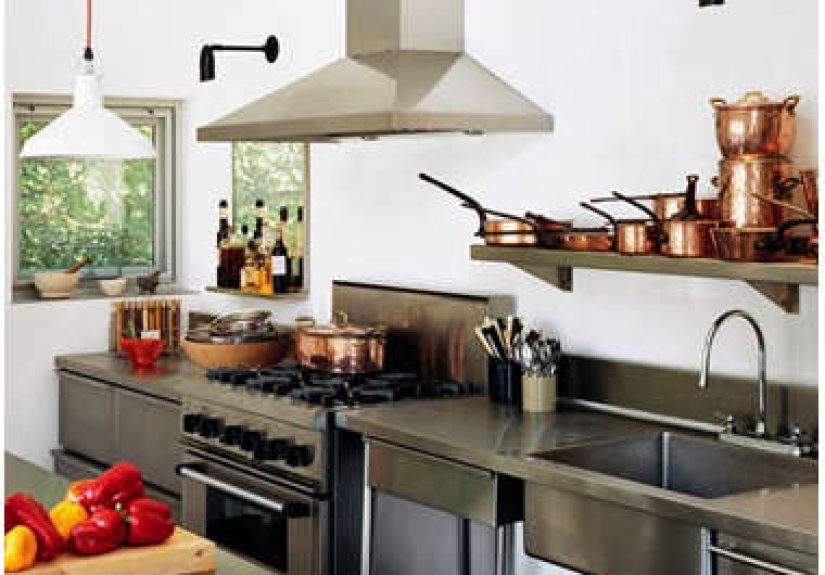
This is the classic use, and for good reason. Refrigerators, ranges, microwaves, wall ovens, dishwashers, and range hoods in stainless steel create an instantly cohesive look. If you want a kitchen that feels updated without a full gut renovation, swapping mismatched appliances for stainless can make a dramatic difference fast.
One smart approach is to treat stainless appliances as the neutral foundation of the room. They do the practical heavy lifting while your cabinetry, lighting, backsplash, and hardware add the personality. This keeps the kitchen from feeling overly themed. Nobody needs a room that screams “I have committed emotionally to brushed metal.”
If you hate constant wiping, consider fingerprint-resistant stainless or black stainless. These finishes can tone down the daily smudge parade, though they still need gentle cleaning and proper care.
2. Sinks
Stainless steel sinks are popular because they are practical, affordable, and easy to live with. They are lightweight compared with some other sink materials, and they suit everything from sleek undermount installations to apron-front farmhouse styles.
When shopping, thickness matters. A heavier-gauge sink usually feels sturdier and quieter. Noise-reduction pads or soundproofing undercoating can also make a huge difference. Without them, washing a frying pan can sound like a drummer testing microphones in your cabinetry.
Single-bowl stainless sinks are especially useful if you cook with oversized pans, baking sheets, or stockpots. Double-bowl designs are better for people who like separate wash-and-rinse zones. Neither option is morally superior. Choose the sink that matches how you actually use your kitchen, not how a home-improvement catalog says you should.
3. Countertops and Backsplashes
Stainless steel countertops are not the most common residential choice, but they are compelling if you love an industrial look or want a highly sanitary prep surface. They are heat-resistant, sleek, and undeniably bold. They also show scratches and fingerprints more than stone, so they make sense for homeowners who appreciate patina more than pristine perfection.
Backsplashes are a more approachable way to use stainless steel beyond appliances. A stainless backsplash behind a range or cooktop can look sharp, wipe clean easily, and tie the whole kitchen together. If full-sheet metal feels too commercial, smaller accents such as a range hood, open shelf brackets, or metal trim can bring in the same energy with less intensity.
How to Style Stainless Steel Without Making the Kitchen Feel Cold
The trick to a successful stainless steel kitchen is balance. Stainless steel looks best when something warmer or softer is in the room to keep it from feeling sterile.
Pair It with Wood
Natural wood is one of the best companions for stainless steel. White oak cabinets, walnut islands, floating wood shelves, or even simple wood bar stools add warmth and texture. Stainless gives the room crispness; wood gives it soul. Together, they feel intentional instead of icy.
Use Texture, Not Just Shine
If you already have shiny stainless appliances, skip overly glossy everything else. Mix in matte tile, honed stone, linen window treatments, woven lighting, or painted cabinetry. A kitchen needs visual rhythm, not an all-metal echo chamber.
Add Warm Metals Carefully
Brass, bronze, or champagne bronze hardware can soften stainless steel beautifully. The key is moderation. Let stainless remain the major appliance finish while the warmer metal acts as a supporting character. Think strong supporting actor, not chaotic scene-stealer.
Bring in Color
Stainless steel loves color because it does not fight with it. Deep green cabinets, soft beige walls, warm taupe tile, charcoal islands, and muted blue paint all work well. Even in a bright white kitchen, a colorful rug or a few wood accessories can keep the space from feeling too sharp.
Cleaning and Maintenance: The Part Nobody Puts on the Mood Board
Stainless steel stays beautiful when you clean it the right way. Clean it the wrong way, and it can go from sleek to streaky in one enthusiastic scrubbing session.
What to Do
Start with a soft microfiber cloth, warm water, and mild dish soap for regular cleaning. Wipe with the grain, not against it. Dry the surface afterward so you do not leave water spots. For tougher grease or smudges, use a cleaner made for stainless steel and buff gently.
For sinks, rinse food debris promptly and dry the basin when possible to reduce water spotting. A sink grid can help protect the bottom from scratches if you tend to drop cookware with all the grace of a clumsy raccoon.
What to Avoid
Skip steel wool, rough scrubbers, harsh abrasives, bleach, chlorides, and strong ammonia-based cleaners unless the manufacturer specifically says otherwise. These can dull the finish, leave scratches, or damage protective coatings. Even when a cleaner sounds impressive, stainless steel usually responds better to gentle consistency than to dramatic chemistry.
Should You Choose Traditional, Fingerprint-Resistant, or Black Stainless?
Traditional stainless steel is classic, widely available, and easy to match across brands. It is the default choice for a reason.
Fingerprint-resistant stainless steel is ideal for busy households, especially ones with kids, pets, frequent entertaining, or one family member who cannot open the fridge without touching every square inch of the door.
Black stainless steel offers a moodier, softer look. It can feel a little less clinical than traditional stainless and may hide smudges better, but it is not always as easy to match between brands. If consistency matters, compare finishes carefully before buying a full suite.
A Smart Shopping Checklist for a Stainless Steel Kitchen
Before you buy, ask yourself a few practical questions:
How much maintenance am I willing to do? If the answer is “approximately none,” lean toward fingerprint-resistant finishes.
Do I want warmth or a sharper modern look? If warmth is the goal, pair stainless with wood, earthy paint, softer tile, and layered lighting.
Am I mixing brands? Different stainless finishes can vary slightly in tone and sheen. If matching matters, compare in person when possible.
Will scratches bother me? On sinks and counters, wear is inevitable. Choose stainless if you can appreciate a lived-in look rather than expect museum-level perfection.
Is this a forever kitchen or a near-term upgrade? Stainless is especially strong when you want broad appeal and a dependable look that ages gracefully.
Final Thoughts
Stainless steel remains one of the smartest kitchen materials because it does not have to be the whole story. It performs best as part of a balanced design: practical enough for everyday mess, polished enough for guests, and neutral enough to evolve as your style changes.
Used well, stainless steel can make a kitchen look brighter, work harder, and feel more refined. Used carelessly, it can look cold, streaky, and a little too eager to cosplay as a restaurant supply showroom. The difference is not the material itself. It is how you pair it, care for it, and live with it.
If you want a kitchen that feels timeless but not boring, durable but not dull, and polished without being precious, stainless steel still deserves a spot in the conversation. Just maybe keep a microfiber cloth nearby. Not as decor. As survival equipment.
Real-Life Experiences with a Stainless Steel Kitchen
Living with stainless steel in a real kitchen is very different from admiring it in a perfectly staged photo where the lemons are suspiciously glossy and nobody has ever spilled pasta water. My first real lesson with stainless steel came from a refrigerator door that looked absolutely gorgeous for about six minutes. Then someone grabbed the handle with peanut butter on their hand, and suddenly the “sleek designer finish” looked like a detective was about to dust it for fingerprints. That was my introduction to the truth about stainless steel: it is beautiful, but it has opinions.
Over time, though, I started to appreciate the material in a more realistic way. Stainless steel appliances made the kitchen feel more put together, even when the rest of the room was ordinary. Older cabinets looked fresher. The countertops felt less tired. A basic kitchen suddenly had a little more confidence, like it had changed into a blazer. That effect is hard to ignore. Stainless steel gives a space a visual upgrade without demanding a complete personality transplant.
The sink was where I really became a fan. It handled giant pots, sheet pans, coffee grounds, dropped forks, and the occasional chaotic dinner cleanup without acting delicate. Sure, it picked up light scratches. But after a while, those marks stopped looking like damage and started looking like proof of life. A kitchen is supposed to be used. Stainless steel, especially in a sink, seems to understand that better than many prettier but fussier materials.
I also learned that stainless steel changes depending on what surrounds it. In one kitchen, it felt cold and overly sharp because everything else was gray, glossy, and severe. In another, the exact same finish looked warm and inviting because it sat next to oak shelves, creamy walls, and a slightly rumpled runner rug that said, “People actually eat here.” That taught me an important design lesson: stainless steel does not create warmth on its own. It reflects the room around it. If the kitchen feels harsh, stainless will make it feel harsher. If the room feels layered and welcoming, stainless becomes the crisp counterpoint that makes everything look more intentional.
Cleaning was another education. I used to think more scrubbing meant better results. Stainless steel strongly disagreed. The best results came from gentler habits: microfiber cloths, mild soap, wiping with the grain, and drying surfaces instead of letting water evaporate into a constellation of spots. Once I stopped treating the fridge like a science experiment and started cleaning it like a grown-up, the finish stayed far nicer.
The most surprising part of the experience was how long stainless steel stayed relevant. Trends came and went. Matte black had a moment. Bold colors had a moment. Hidden appliances had a moment. Stainless steel just kept showing up, calm and unbothered, like the one person at the party who never seems underdressed or overdressed. That consistency is its secret weapon. It may not always be the most exciting choice, but it is one of the easiest to live with for years.
So my personal verdict is simple: stainless steel is not flawless, but it is dependable, adaptable, and far more forgiving than people think when it is used with a little design common sense. It can handle daily mess, survive style changes, and still make the kitchen feel current. That is a pretty solid résumé for a material that also has to tolerate spaghetti sauce, steamy dishwashers, and the occasional fridge-door slam before breakfast.







 Close
Close