
Table of Contents >> Show >> Hide
- Who Is Ferrum D. Gentile?
- What Makes a Custom Kitchen Knife Different?
- Why Ferrum D. Gentile’s Style Works in the Kitchen
- Is a Custom Knife Worth It?
- How to Care for a Custom Kitchen Knife
- The Real Luxury of a Custom Knife
- Experience Section: What It Feels Like to Cook with a Knife Like This
- Final Thoughts
If you have ever chopped an onion with a dull supermarket knife and felt like you were negotiating a peace treaty with a stubborn root vegetable, you already understand why custom kitchen knives have such a devoted following. A great knife changes the mood of cooking. Suddenly, prep feels smoother, safer, faster, and a lot less dramatic. Instead of sawing through tomatoes like you are filing taxes with a butter knife, you glide. You slice. You feel suspiciously competent.
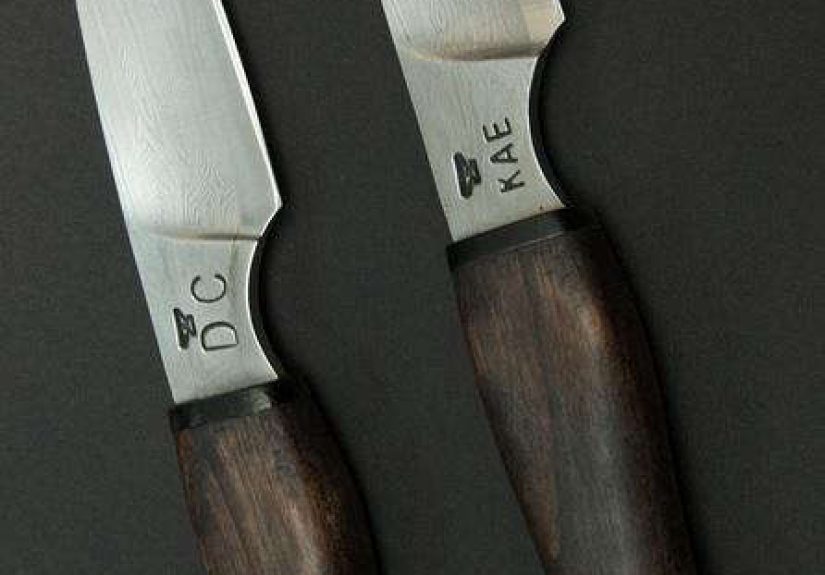
That is exactly why the name Ferrum D. Gentile catches the eye of knife nerds, design lovers, and serious home cooks alike. Daniel Gentile’s work sits at the intersection of old-world forging, modern kitchen performance, and the kind of visual flair that makes you want to “accidentally” leave your knife out on the counter so guests ask about it. Ferrum’s custom knives are not just tools. They are working pieces of craftsmanship built for people who care how a blade looks, feels, balances, and behaves when real food hits the board.
In a market packed with factory-made blades, custom kitchen knives from Ferrum D. Gentile stand out because they feel personal. They do not scream for attention in a loud, gimmicky way. They whisper confidence. And in the kitchen, confidence is half the battle. The other half is not smashing your garlic with the wrong side of the blade like a confused raccoon.
Who Is Ferrum D. Gentile?
Ferrum D. Gentile is the workshop and brand of Daniel Gentile, a Swiss bladesmith known for handcrafted knives forged with a blend of traditional and modern methods. The appeal begins with the maker’s philosophy: this is knife-making rooted in old techniques, especially pattern-welded steel, but adapted for modern users who expect performance, precision, and reliability in daily cooking.
That matters because a custom knife is only as impressive as the hand behind it. Anyone can throw around fancy words like “artisan,” “handmade,” or “Damascus” and hope the shimmering pattern does the marketing. But experienced cooks know the truth: a knife earns respect on the cutting board, not in a glamour shot. Ferrum’s appeal comes from the idea that craft is not decoration alone. It is geometry, heat treatment, grind, handle comfort, and attention to detail working together.
For kitchen buyers, that combination is especially compelling. Ferrum’s chef’s knives reflect the kind of handmade approach that values the blade as a daily tool, not a precious museum relic. Yes, they look beautiful. Yes, the patterning can be dramatic. But the real point is function. A kitchen knife has to cut cleanly, feel stable, and encourage control. Otherwise it is just an expensive personality disorder with a handle.
What Makes a Custom Kitchen Knife Different?
The biggest difference between a custom kitchen knife and a mass-market one is not hype. It is intention. Factory knives are usually designed to satisfy a broad audience. A custom knife is designed to satisfy a specific cook or a specific standard. That often means more thoughtful decisions about blade profile, steel selection, handle shape, weight distribution, and finish.
1. Blade geometry does the real work
When cooks talk about a knife feeling “amazing,” they are often talking about geometry, even if they do not say it out loud. A great knife should move through onions, herbs, carrots, proteins, and ripe tomatoes with less resistance and more control. The grind, spine thickness, edge angle, and blade height all contribute to that sensation. In other words, the magic is not magic. It is engineering wearing an apron.
Ferrum D. Gentile’s kitchen knives fit nicely into that conversation because custom work gives the maker more room to tune the knife for real-world prep. If you want a blade that feels nimble rather than tank-like, or one that balances closer to the pinch grip, custom craftsmanship makes that possible. This is where knife buying stops being generic and starts becoming deliciously specific.
2. Steel matters, but not in a braggy way
Kitchen knife people love talking about steel the way sports fans love arguing about quarterbacks. Carbon steel, high-carbon stainless, stainless Damascus, tool steel, layered steel, powdered steel, semi-stainless steels that sound like secret robot names, and so on. The important thing for everyday cooks is simpler: different steels offer different trade-offs in sharpness, toughness, edge retention, stain resistance, and maintenance.
Ferrum D. Gentile is especially associated with Damascus and composite-welded steel work, which gives the knives a distinctive visual identity. In the kitchen, though, beauty should never distract from usability. A good custom chef’s knife needs to be sharp, stable, comfortable, and practical to maintain. The best custom makers understand that a dramatic pattern is only the opening act. The performance is the headliner.
That is also why custom knife buyers need to think honestly about their habits. If you love the idea of a more reactive carbon-steel edge but know you also leave wet knives on the board while wandering off to answer texts, maybe choose accordingly. A knife cannot save you from yourself. It can only give you better odds.
3. Balance and handle comfort are not side issues
One of the most underrated advantages of a custom kitchen knife is ergonomics. Serious cooks know that a knife can be technically excellent and still feel wrong in the hand. Maybe the handle is too boxy. Maybe the balance is too blade-heavy. Maybe the grip becomes uncomfortable after 20 minutes of prep. Maybe the choil feels like it was designed by someone who hates fingers.
Custom work shines here. A handmade knife can feel like an extension of your hand rather than a generic object you are merely borrowing. Ferrum’s appeal is not just in the blade face or forged pattern. It is in the complete package: a knife that looks intentional because it was built intentionally.
Why Ferrum D. Gentile’s Style Works in the Kitchen
Some custom knives feel too aggressive for the kitchen. Others look fantastic in photographs but seem hesitant about actual onions. Ferrum D. Gentile’s kitchen identity is stronger because it embraces both craft and use. That is a sweet spot many premium blades miss. You want a knife that makes prep feel elevated, not intimidating.
Ferrum’s style also makes sense in the current food world, where more home cooks care about tools, process, and the pleasure of making meals from scratch. A custom chef’s knife is part functional equipment, part design object, and part ritual enhancer. It makes the everyday act of slicing shallots feel a little ceremonial, but not in a weird chant-and-candles way. More in a “wow, I suddenly care about my mirepoix” way.
There is also a nice tension in Ferrum’s work between Western and Japanese kitchen influences. Modern cooks increasingly compare these traditions when choosing a blade: do you want more heft and rocking motion, or something lighter and more nimble? Do you prefer a versatile chef’s knife, or a santoku-like profile that excels at quick, precise prep? A custom maker who understands those preferences can create something that fits how you actually cook, not how a catalog says you should cook.
Is a Custom Knife Worth It?
For some people, absolutely. For others, probably not. And that is fine. A custom kitchen knife is not a moral requirement, like washing your hands or pretending you meant to buy parsley instead of cilantro. It is a premium choice, and the value depends on what you want from cooking.
It may be worth it if you:
- Cook often and notice the difference between decent tools and great ones.
- Care about fit, finish, steel, and long-term performance.
- Want a knife that feels personal rather than interchangeable.
- Appreciate handmade objects with a visible human touch.
- Enjoy maintaining your tools and learning how to use them properly.
It may not be worth it if you:
- Rarely cook and mostly use takeout containers as your main serving strategy.
- Prefer low-maintenance gear above all else.
- Do not want to think about sharpening, drying, storage, or edge care.
- Need one all-purpose kitchen knife on a strict budget.
The truth is that custom knives are partly about performance and partly about pleasure. That second part matters more than people admit. A beautifully made knife can pull you toward the kitchen. It can make prep work feel less like homework and more like craft. And the more you enjoy using a tool, the more likely you are to cook well and cook often.
How to Care for a Custom Kitchen Knife
If you buy a knife from a maker like Ferrum D. Gentile, treat it with respect. Not fear. Respect. These are not fragile snowflakes, but they are not disposable gadgets either.
Hand-wash it
Never toss a custom chef’s knife in the dishwasher. High heat, detergent, jostling, and moisture are a terrible cocktail for edge retention, handle materials, and overall finish. Wash it by hand, dry it promptly, and move on with your life.
Store it properly
A magnetic strip, blade guard, or quality in-drawer solution is much better than letting the knife rattle around loose in a drawer like it is auditioning for a horror movie sound effect. Good storage protects both the edge and your fingers.
Hone and sharpen intelligently
Honing helps maintain alignment; sharpening restores the edge. Those are not the same thing. Learn the difference, use a honing rod when appropriate, and sharpen on a whetstone or have the knife professionally serviced when it needs real edge work. With custom blades, lazy sharpening can undo beautiful craftsmanship surprisingly fast.
Use the right cutting surface
Wood and quality plastic boards are much kinder to edges than glass, stone, or ceramic. If you cut on marble for the aesthetics, your knife would like to file a complaint.
The Real Luxury of a Custom Knife
The true luxury of a Ferrum D. Gentile knife is not the Damascus pattern alone, or the bragging rights, or the fact that your kitchen suddenly looks like it belongs to a very stylish and slightly intimidating food editor. The real luxury is friction reduction.
A good custom knife reduces friction between you and the task. It helps you work faster without rushing. It gives you more control without making you tense. It encourages better habits. It makes repetitive prep more satisfying. It turns the boring part of cooking into part of the pleasure.
And that is the part many people underestimate. Cooking is full of tiny repetitions: slicing scallions, trimming chicken, mincing garlic, chiffonading herbs, dicing onions, breaking down produce for the week. A poor knife makes those motions annoying. A great knife makes them rhythmic. Once you feel that difference, it is hard to un-feel it.
Experience Section: What It Feels Like to Cook with a Knife Like This
Imagine a Saturday afternoon in a calm kitchen. Nothing fancy. Just a wooden board, a pile of herbs, a couple of onions, ripe tomatoes, carrots, garlic, and a chicken waiting its turn. This is the kind of ordinary session where a custom knife proves whether it is a true kitchen partner or just a beautiful diva with excellent lighting.
You pick up a handmade Ferrum-style chef’s knife and the first thing you notice is not the pattern on the blade. It is the balance. The knife settles into your pinch grip naturally, like it already knows where your fingers want to go. There is no awkward searching for comfort. No subtle sense that the handle and blade are arguing with each other. It just feels composed.
You start with an onion. The tip enters cleanly, the blade drops through the layers, and the slices separate without that mushy tearing effect dull knives produce. It is a tiny thrill, but a real one. Then come herbs. Basil, parsley, chives. Instead of bruising them into a damp green confession, the knife moves with a crisp, controlled rhythm. The board sounds cleaner. The cuts look neater. You suddenly become the kind of person who cares what “uniform dice” means.
Next is a tomato, the classic liar detector of kitchen knives. A mediocre blade will squish it first and apologize later. A great custom knife bites the skin gently and slides through the flesh without drama. No sawing. No pressure. No tomato tragedy. Just clean slices that make you wonder whether you have been unfairly rude about knives your whole life.
Then comes protein. Maybe you trim chicken thighs or portion a piece of fish. This is where control matters more than flash. A knife that is too thick feels clumsy. A knife that is too light may feel nervous. A well-made custom blade gives you that sweet middle ground: enough authority to guide the cut, enough finesse to stay precise. It turns slightly fussy kitchen work into something oddly soothing.
Over time, the experience becomes less about performance tests and more about relationship. You learn the knife’s personality. You know how it likes to rock through herbs, how it behaves on dense sweet potatoes, how quickly it responds to honing, how carefully you need to dry it, and where it sits on the magnetic strip like it owns the place. The knife stops being “the expensive one” and becomes simply your knife.
That emotional shift is part of why custom kitchen knives hold such appeal. They invite participation. You do not just use them; you live with them. You maintain them. You notice when the edge starts to soften. You appreciate the handle more in winter, the polished spine more during long prep sessions, the way the blade catches the light when you are cooking dinner for friends and trying to look casual about the fact that, yes, this knife is gorgeous and no, you are not going to let anyone scrape garlic off the board with the edge.
And that is the real experience of owning a custom kitchen knife from a maker like Ferrum D. Gentile. It is not only about cutting better, though you probably will. It is about cooking more attentively. A great knife rewards good habits and encourages better ones. It slows you down just enough to notice texture, movement, and technique, then speeds you up where it counts. The result is a kitchen experience that feels more grounded, more tactile, and honestly more fun.
In the end, that is what makes a custom knife memorable. Not the price. Not the pattern. Not the specs you recite like a steel-obsessed sommelier. It is the feeling that your most-used kitchen tool has stopped being generic. It has character. It has craft. It has intention. And every time dinner starts with a cutting board and a handful of ingredients, that intention shows up again.
Final Thoughts
Kitchen custom knives from Ferrum D. Gentile represent more than luxury cookware. They represent a particular idea of cooking: that the tools we use every day can be functional, durable, personal, and beautiful at the same time. In a world full of disposable gear, that is refreshing.
If you are the kind of cook who values craftsmanship, enjoys the ritual of prep, and understands that the best kitchen tools quietly improve everything around them, a custom knife like this makes a lot of sense. It is not essential for everyone. But for the right person, it becomes one of those rare purchases that feels better over time, not worse. And in the kitchen, that is about as sharp a compliment as you can give.






 Close
Close