
Table of Contents >> Show >> Hide
- What Are Kegel Exercises?
- Why People Do Kegel Exercises
- The Benefits of Kegel Exercises
- How to Find the Right Muscles
- How to Do Kegel Exercises Correctly
- Main Goals of Kegel Training
- Common Kegel Mistakes
- Cautions: When Kegels Can Backfire
- When to Talk to a Professional
- How Long Does It Take to See Results?
- Experiences People Commonly Report With Kegel Exercises
- Conclusion
- SEO Tags
Note: This article is for educational purposes only and is not a substitute for medical advice, diagnosis, or treatment.
Kegel exercises have one of the strangest reputations in wellness. They are famous, frequently recommended, often misunderstood, and usually introduced with the kind of awkwardness people reserve for karaoke and tax audits. But once you get past the goofy reputation, Kegels are actually a practical, evidence-based way to train your pelvic floor muscles.
Those muscles support your bladder, bowel, and, in women, the uterus. They also play a role in continence, core support, and sexual function. When the pelvic floor is weak, poorly coordinated, or recovering from stress, Kegel exercises can be helpful. When the pelvic floor is already too tight or painful, though, charging ahead with endless squeezing can make things worse. That is why the real story is not “everyone should do Kegels all day long.” The real story is “do the right exercise, for the right reason, in the right way.”
This guide explains the benefits of Kegel exercises, the goals they can help you reach, the common mistakes that sabotage results, and the cautions that deserve way more attention than they usually get.
What Are Kegel Exercises?
Kegel exercises, also called pelvic floor muscle training, involve tightening and relaxing the muscles at the base of your pelvis. Think of them as strength and coordination work for the “support sling” that helps control urine, stool, and gas while also supporting pelvic organs.
The pelvic floor is not a tiny mystery button hidden in your body for dramatic effect. It is a group of muscles that works with your diaphragm, abdominal muscles, and deep back muscles. In other words, it is part of a team. Kegels train that team to contract when support is needed and relax when it is not.
Why People Do Kegel Exercises
People usually start Kegel exercises because something feels off, inconvenient, or mildly rude. Maybe they leak urine when they cough. Maybe they feel pelvic heaviness after pregnancy. Maybe they are recovering from prostate surgery. Maybe they have bowel leakage, urgency, or trouble controlling gas. Sometimes the goal is prevention. Sometimes it is recovery. Sometimes it is simply wanting the pelvic floor to stop acting like an unreliable coworker.
1. Better Bladder Control
This is the headline reason. Kegels are often used to improve stress incontinence, which means leaking during activities that increase abdominal pressure, such as sneezing, laughing, running, or lifting. They can also help some people reduce urgency and improve control over bladder habits when used as part of a broader plan.
2. Improved Bowel Control
The pelvic floor helps support the rectum and contributes to bowel continence. That means Kegel exercises may help some people with accidental bowel leakage or difficulty controlling gas.
3. Support During Pregnancy and After Childbirth
Pregnancy places extra load on the pelvic floor, and childbirth can stretch or strain those muscles. Kegels may help with postpartum recovery, support bladder control, and improve awareness of how to contract and relax the pelvic floor during healing.
4. Recovery After Prostate Treatment
Men are not excluded from the Kegel club. In fact, pelvic floor exercises are commonly recommended before and after prostate surgery or other prostate treatment to help with urinary control. Yes, men get pelvic floors too. Biology is inclusive like that.
5. Sexual Function and Body Awareness
Some people report better awareness, control, and sexual confidence when their pelvic floor function improves. That does not mean Kegels are a magical upgrade button. It means that when the muscles are working well, everyday function and comfort may improve, and sexual function can improve along with it.
The Benefits of Kegel Exercises
When they are done correctly and prescribed for the right problem, Kegel exercises can offer meaningful benefits:
- Help reduce urine leakage during coughing, sneezing, laughing, or exercise
- Improve support for pelvic organs
- Help with bowel control and accidental gas leakage
- Support postpartum recovery and pelvic awareness
- Assist some men with urinary control after prostate treatment
- Improve coordination between tightening and relaxing the pelvic floor
- Potentially improve sexual function in some people
- Provide a non-drug, non-surgical option that can be practiced almost anywhere
That last benefit matters. Kegels are simple, private, and free. You do not need a machine, a gym membership, or a motivational playlist. You just need correct technique and enough patience to accept that muscles rarely transform overnight.
How to Find the Right Muscles
This is where many people go wrong. If you squeeze your abs, buttocks, and thighs like you are trying to win a statue contest, you are probably not isolating your pelvic floor.
A better cue is this: imagine you are trying to stop passing gas and gently lift the muscles inward and upward. Another common cue is to imagine stopping the flow of urine, but only as a way to identify the muscles once in a while, not as your regular exercise method.
For women, inserting a clean finger into the vagina and feeling a squeeze can help confirm the correct muscles. For men, the sensation may feel like lifting or tightening around the anus and base of the pelvis. If you are still unsure, a pelvic floor physical therapist can help. That is not overkill. That is efficiency.
How to Do Kegel Exercises Correctly
There is no single perfect routine for every person, but a beginner-friendly approach often looks like this:
- Empty your bladder first.
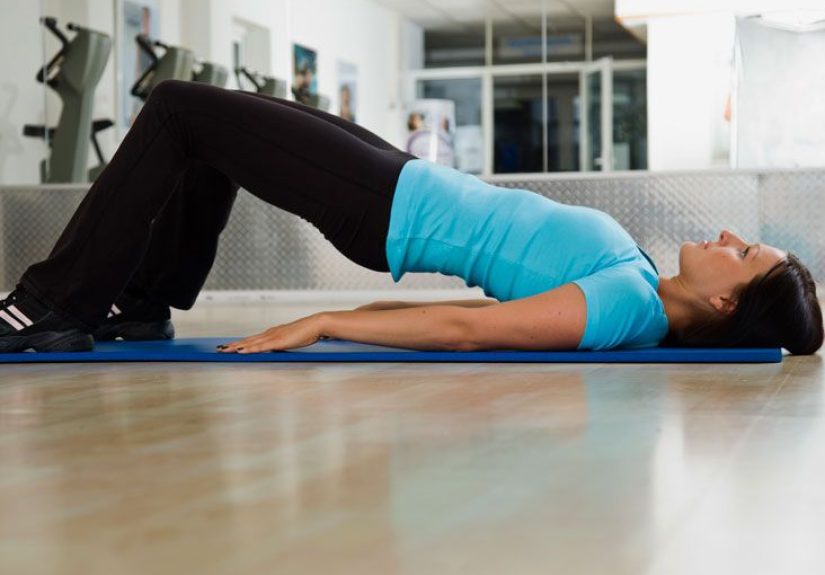
- Get into a comfortable position, such as lying down or sitting.
- Gently tighten and lift your pelvic floor muscles.
- Hold the contraction for about 3 to 5 seconds.
- Fully relax for 3 to 5 seconds.
- Repeat about 10 times.
- Aim for 2 to 3 sessions a day, unless your clinician gives you a different plan.
As you improve, you may gradually build toward longer holds, up to about 10 seconds, with full relaxation between repetitions. Many programs also include quick contractions to help the muscles respond during a cough, laugh, or sudden movement.
While doing Kegels, keep breathing. Do not clench your jaw. Do not hold your breath like you are defusing a bomb. Do not recruit your buttocks and thighs to do the job for you. The goal is precise pelvic floor work, not full-body panic.
Main Goals of Kegel Training
Kegel exercises are not just about brute strength. The real goals usually include:
Strength
A weak pelvic floor may not provide enough support or control. Kegels can help improve the muscles’ ability to contract effectively.
Endurance
The pelvic floor often needs to hold support over time, not just for one dramatic second. Endurance matters for daily activities.
Timing
The pelvic floor should kick in when pressure rises, such as during a sneeze or lift. Quick contractions help train that timing.
Coordination
The muscles must both contract and relax. A pelvic floor that cannot relax properly can be just as problematic as one that is weak.
Awareness
Many people simply do not know how to feel or control these muscles. Kegels can improve body awareness, which helps with both symptoms and recovery.
Common Kegel Mistakes
Here are the usual reasons people say, “I tried Kegels and they did nothing,” right before the pelvic floor quietly files a complaint:
- Using the wrong muscles: abs, glutes, or thighs take over
- Holding the breath: this increases pressure and reduces coordination
- Pushing down instead of lifting up: that can work against the goal
- Doing them while urinating all the time: this is for identification only, not regular training
- Doing too many: overtraining can fatigue the muscles and worsen symptoms
- Skipping relaxation: muscles need to let go, not just squeeze
- Expecting instant results: pelvic floor training is still exercise, and exercise takes time
Cautions: When Kegels Can Backfire
This is the section people often skip, which is unfortunate because it contains the plot twist.
Kegels are not ideal for everyone. If your pelvic floor muscles are already too tight, overactive, or painful, more squeezing can increase tension and make symptoms worse. Some people with pelvic pain, painful intercourse, constipation related to pelvic floor dysfunction, or trouble fully relaxing may need relaxation training first.
In other words, weak does not always mean loose, and symptoms do not always mean you need more Kegels. Sometimes the muscles are tense, guarded, and poorly coordinated. In those cases, diaphragmatic breathing, down-training, relaxation work, and pelvic floor physical therapy may be more useful than another set of heroic clenching.
Other important cautions include:
- Stop and get medical advice if Kegels cause pain
- Do not practice them regularly while urinating
- Do not do them with a urinary catheter in place unless your clinician specifically instructs you otherwise
- Avoid turning them into an all-day squeeze-fest, because constant gripping is not healthy muscle function
- Get evaluated if symptoms are severe, persistent, or confusing
When to Talk to a Professional
You should consider seeing a clinician or pelvic floor physical therapist if:
- You are not sure you are using the right muscles
- You have pelvic pain or pain during sex
- You have significant urine or stool leakage
- You feel pressure, heaviness, or possible prolapse symptoms
- You are recovering from childbirth or prostate treatment and want a tailored plan
- You have been doing Kegels for weeks with zero progress
A specialist can check whether the issue is weakness, tension, poor coordination, or a combination of all three. That distinction matters more than internet bravado.
How Long Does It Take to See Results?
Pelvic floor muscles behave like other muscles: they improve with regular, correct training. Some people notice early improvement in about 4 to 6 weeks, while bigger changes can take a few months. Consistency matters. So does doing the exercises correctly. Ten sloppy reps performed with the enthusiasm of a confused raccoon are not better than five precise ones.
It also helps to pair Kegels with other strategies when needed, such as bladder training, constipation prevention, healthy bowel habits, weight management, physical therapy, and adjusting activities that overload the pelvic floor.
Experiences People Commonly Report With Kegel Exercises
One common experience is the “I had no idea I was doing them wrong” moment. A person starts Kegels because they leak when they laugh, but after a week their abs are sore and nothing changes. Then they learn they were basically doing miniature crunches with a side of panic. Once they figure out how to isolate the pelvic floor, the exercise suddenly feels smaller, subtler, and much more effective.
Another common story comes from postpartum recovery. A new parent may feel heaviness, weakness, or surprise leaks after delivery and assume they just need to squeeze harder. But what often helps most is a balanced approach: gentle contractions, full relaxation, breathing, posture, and patience. Progress tends to feel gradual. First there are fewer leaks during daily tasks. Then coughing becomes less dramatic. Then one day the person realizes they sneezed in public and did not mentally draft a backup plan. That is real progress.
Men recovering from prostate treatment often describe Kegels as surprisingly helpful but definitely not glamorous. At first the exercises may feel odd, abstract, or difficult to coordinate. Over time, though, the routine becomes familiar. Many say the biggest challenge is not the exercise itself but remembering to do it consistently and not overdoing it out of frustration. Small improvements in control tend to build confidence, which is no small thing when recovery feels slow.
Some physically active people, especially runners and heavy lifters, are surprised to learn that pelvic floor issues are not only about weakness. They may leak during workouts and assume the answer is more squeezing, more reps, more intensity, more “go hard or go home” energy. Then they discover their pelvic floor is already overworking and not relaxing well. For them, breathing, pressure management, technique changes, and strategic strengthening can be more useful than endless Kegels.
People with pelvic pain often have the most eye-opening experience of all. They may come in expecting a strengthening program and instead hear, “Actually, your muscles need to learn how to let go.” That can feel counterintuitive, but it makes sense. A muscle that never relaxes is not truly strong; it is just over-recruited and cranky. Once relaxation work begins, many people notice less pain, easier bowel movements, better tolerance during intimacy, and more comfort sitting or moving around.
Then there is the consistency problem, which deserves its own trophy. Kegels are easy to forget because they are invisible. No machine beeps. No app yells. No gym buddy asks where you were. People often do well for three days, vanish for a week, return with optimism, and then wonder why results are unpredictable. The people who tend to succeed usually anchor Kegels to daily habits like brushing their teeth, getting dressed, or winding down at night.
The biggest shared experience, though, is that improvement usually feels less dramatic than people expect and more meaningful than they imagined. It is not fireworks. It is fewer leaks, less worry, more confidence, better comfort, and a body that feels more dependable in everyday life. That may not sound flashy, but when your pelvic floor stops sabotaging a sneeze, it can feel downright luxurious.
Conclusion
Kegel exercises can be a smart, effective tool for improving pelvic floor function, but they are not a cure-all and they are definitely not a “more is always better” situation. The real benefits come from correct technique, consistent practice, and matching the exercise to the actual problem. For weakness and poor support, Kegels may help. For pain and over-tightness, relaxation may come first. For uncertainty, a pelvic floor specialist can save you a lot of guesswork.
The bottom line is simple: Kegels are useful when they are targeted, balanced, and done correctly. They are less useful when they become random squeezing with vibes. Your pelvic floor deserves better than vibes.







 Close
Close