
Table of Contents >> Show >> Hide
- What Makes the Jasper Planter “Extra Large” (and Actually Useful)
- Why a Rectangular Planter Wins in Outdoor Design
- Design Details That Matter: Teak + Metal Done Right
- What to Plant in an Extra-Large Rectangle Planter
- How to Set Up the Jasper Planter for Healthy Roots
- Styling Ideas That Don’t Look Like You Panic-Bought Plants
- Care and Maintenance: Keep Teak Beautiful, Keep the Liner Easy
- Winter and Off-Season: Protect the Planter and the Plants
- FAQs: Jasper Rectangle Planter (Extra Large)
- Is the Jasper Rectangle Planter Worth It?
- Real-World Experiences With an Extra-Large Jasper Rectangle Planter
- Conclusion
Some planters are basically “pots with ambitions.” The Jasper Rectangle Planter (Extra Large) is the opposite:
it knows exactly what it isan outdoor-ready, design-forward workhorse that can anchor a patio, line a walkway, or make a balcony
feel like a tiny botanical garden with a caffeine habit.
If you’ve ever tried to style outdoor space with a handful of random small planters (aka “the plant clutter era”), you’ll appreciate what
an extra-large rectangular planter does: it creates one intentional statement instead of twelve wobbly compromises.
And yesyour herbs will finally stop looking like they’re waiting for a rideshare.
What Makes the Jasper Planter “Extra Large” (and Actually Useful)
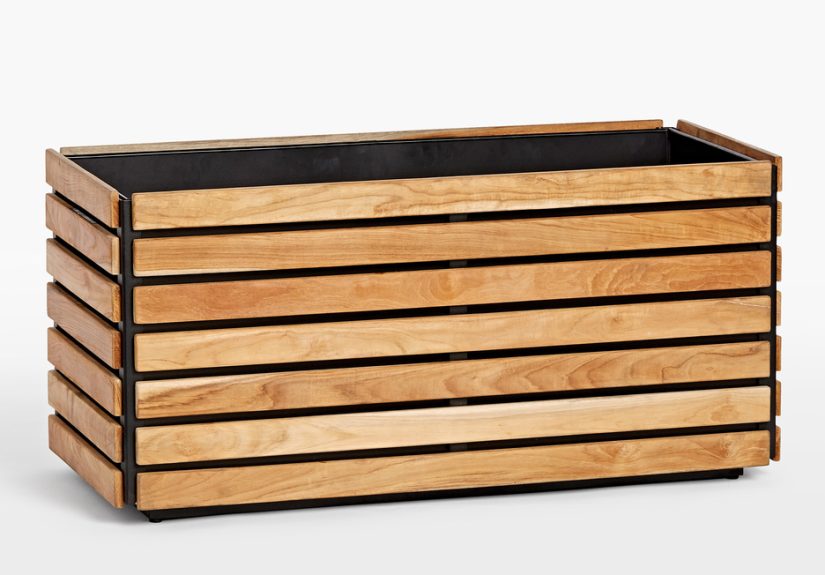
The Jasper Rectangle Planter’s “extra large” label isn’t marketing fluffit’s a real footprint that gives roots room to spread, lets you layer
plants for depth, and makes watering more forgiving than tiny containers that dry out if you blink.
Quick Specs You’ll Want to Know Before You Commit
- Overall size: 38″ W × 18″ D
- Height (no legs): 18″
- Height (with legs): 25″
- Materials: FSC-certified teak exterior + black powder-coated aluminum liner
- Drainage: Perforated holes in the liner bottom for drainage
- Placement flexibility: Can sit on the ground or be paired with a stand (sold separately)
Translation: it’s big enough for real planting designs (not just “one sad plant and a hope”), and the internal liner is built to drain properly,
which matters for plant health and for keeping your outdoor surfaces happier.
Why a Rectangular Planter Wins in Outdoor Design
Round pots are greatuntil you need structure. Rectangular planters behave like outdoor furniture: they define edges, create sightlines,
and instantly tidy up spaces that feel scattered. The Jasper’s long, low profile is especially good for:
- Entryways: Two matching planters can frame a door like a botanical welcome committee.
- Patio borders: Use one as a “soft wall” to separate dining and lounging zones.
- Balconies: The footprint lets you go vertical with plants while keeping a clean line along the railing.
- Pool decks: A sleek rectangle keeps things modern and doesn’t look like you accidentally moved a nursery aisle outside.
The Secret Sauce: Scale
Extra-large planters look more “designed” because they match the scale of outdoor architecturerailings, sliding doors, sectional sofas,
and big open air. Small pots can be cute, but lots of them together often read as visual noise. One large planter reads as a decision.
Design Details That Matter: Teak + Metal Done Right
Jasper’s look comes from contrast: warm teak slats outside, dark liner inside. That combo pairs easily with modern, coastal, Scandinavian,
and “I found this patio set on purpose” styles.
Teak: The Outdoor Material With a Glow-Up
Teak is famous for outdoor use because it weathers well. Over time, it naturally turns a soft gray patina (which many people love),
or you can maintain the honey tone with protectors/sealants if that’s your vibe.
Powder-Coated Aluminum Liner: The Practical Hero
The liner is where the messy stuff happenssoil, water, fertilizer, root action. Powder-coated aluminum is a smart choice for outdoor living
because it’s light, cleanable, and designed to handle weather exposure without turning into a flaky science project.
What to Plant in an Extra-Large Rectangle Planter
The most satisfying Jasper setups use a simple formula: structure + filler + spiller. This gives the planter height,
fullness, and a finished edgewithout needing a landscape architect on speed dial.
Option 1: The “Kitchen Garden That Looks Expensive”
- Structure: Rosemary, bay laurel (dwarf), or a small trellis for climbing herbs
- Filler: Basil, parsley, thyme, chives
- Spiller: Trailing oregano, creeping thyme, or nasturtium
This setup thrives when you give it consistent sun and regular harvesting. Bonus: it smells incredible when you brush past it.
Option 2: The Modern Evergreen Moment
- Structure: Dwarf boxwood alternatives (depending on your region), compact conifers, or upright grasses
- Filler: Heuchera (coral bells), sedum, hardy perennials suited to your zone
- Spiller: Ivy (use with caution), trailing sedum, or creeping Jenny
This is a great “set it and mostly forget it” lookespecially if you want year-round interest.
Option 3: The “Thriller/Spiller” Flower Show
- Structure: Spike dracaena (warm climates/seasonal), salvia, or ornamental grass
- Filler: Petunias, calibrachoa, begonias, or zinnias (sun-dependent)
- Spiller: Sweet potato vine, trailing petunias, or lobelia
Want it to look full fast? Start with more small plants, spaced closer than you would in the groundcontainers are about impact.
Option 4: Privacy Planter (Balcony MVP)
Use the length for repetition: tall grasses or upright plants in a row create a soft privacy screen. Think fountain grass (where appropriate),
clumping bamboo alternatives (careful with invasives), or tall annuals like sunflowers in bright, sunny spots.
How to Set Up the Jasper Planter for Healthy Roots
Most container failures come from two issues: poor drainage and the wrong soil. The Jasper liner helps with drainage,
but your setup still matters.
Step 1: Respect the Drainage Holes (They’re Not Decorative)
Drainage holes let excess water escape so roots don’t suffocate. If water can’t leave, roots sit in soggy soil and plants decline fast.
For a big planter like this, drainage is non-negotiable.
If you’re worried about soil washing out, skip the old “rocks at the bottom” myth. Instead, use something light and simple like a piece of
mesh screen or even a coffee filter over the holesenough to reduce soil loss while still letting water move freely.
Step 2: Choose Container Mix, Not Garden Dirt
Garden soil compacts in containers, leading to poor aeration. A quality potting mix stays lighter and drains better.
For large planters, look for mixes with ingredients like peat/coir plus perlite/vermiculite and bark/compost components.
Step 3: Plan for Watering Like a Realist
Extra-large planters dry out more slowly than small pots, but they still need a planespecially in summer. If you travel or forget watering
occasionally (no judgment), consider:
- Grouping plants with similar water needs together
- Mulching the top with fine bark or compost to reduce evaporation
- Using a simple drip line or watering spikes for consistency
Step 4: Fertilize Lightly, Consistently
Containers lose nutrients faster because watering flushes minerals out. A slow-release fertilizer at planting plus occasional liquid feeding
mid-season works well for many container gardensespecially heavy feeders like flowers and vegetables.
Styling Ideas That Don’t Look Like You Panic-Bought Plants
The Jasper Planter is architectural, so it rewards intentional planting layouts. Here are a few easy formulas:
The “Clean Line” Layout
Pick one plant type and repeat itlike a row of compact grasses or a single herb variety. Repetition looks modern and calm.
It’s the outdoor equivalent of wearing one excellent jacket instead of five okay scarves.
The “Layered Landscape” Layout
Put taller plants toward the back (or center, if viewed from all sides), medium-height plants across the middle, and trailing plants near
the edges. This makes the planter feel lush without becoming chaotic.
The “Season Swap” Strategy
Use perennials or evergreens as the base, then swap seasonal color plants in spring/summer and again for fall.
The planter stays consistent, but the vibe changeslike rotating playlists, but with petunias.
Care and Maintenance: Keep Teak Beautiful, Keep the Liner Easy
Teak Care: Patina or HoneyYou Choose
Teak naturally ages to gray outdoors. If you love the weathered look, you can mostly clean it gently and let it do its thing.
If you prefer the original warm tone, use a teak protector/sealant as recommended and refresh it periodically.
- Routine cleaning: Mild soap + water, soft brush or cloth
- Avoid: Aggressive power washing that can rough up wood fibers
- Optional: Teak sealers to slow graying and reduce mildew staining
Aluminum Liner Care
The liner takes the brunt of moisture and soil contact. Keep it in good shape by:
- Emptying old soil seasonally if you’re replanting
- Rinsing out salt/fertilizer buildup during deep refreshes
- Wiping down with mild soap and water when needed
Pro Tip: Salt Buildup Is Real
Fertilizer salts can accumulate in containers over time. Occasionally watering deeply until water runs out the bottom (especially during active growth)
helps flush excess salts and keeps roots happier.
Winter and Off-Season: Protect the Planter and the Plants
If you live where winter gets dramatic, plan ahead. Containers are more exposed to freezing temperatures than plants in the ground.
Strategies that help:
- Drainage first: Make sure water can escape before freeze events.
- Insulate: Mulch the surface, cluster planters, or place them in a sheltered location (like near a house wall).
- Overwintering options: For some plants, burying the container in soil or insulating around it can protect roots.
Even if you don’t overwinter plants in it, winter is a great time to clean, inspect, and refresh so the Jasper is ready to shine in spring.
FAQs: Jasper Rectangle Planter (Extra Large)
Is the Jasper planter big enough for vegetables?
Yesespecially for shallow-rooted crops and herbs (lettuce, spinach, basil, parsley, chives) and for compact varieties if you provide support.
For larger crops, plan spacing carefully and use high-quality potting mix plus consistent feeding.
Do I need to add gravel at the bottom?
Not usually. Good potting mix and functioning drainage holes matter more than adding rocks. If you want to reduce soil escaping, use mesh screening
or a simple barrier over the drainage area.
Will the teak turn gray?
Outdoors, yesteak naturally weathers to a gray patina over time. If you prefer the original honey color, use a teak protector/sealant and maintain it
as needed.
Should I use it with legs or without?
Without legs, it reads more like a low troughgreat along pathways or patio borders. With legs (stand sold separately), it feels more like a raised
herb garden or bar-height planting feature and can be easier on your back.
Is the Jasper Rectangle Planter Worth It?
If you want a planter that looks intentional, handles outdoor conditions, and gives you enough space to plant like a grown-up (or at least like
someone who owns a watering can), the Jasper Extra Large checks the big boxes: design, drainage, scale, and material quality.
It’s especially worth considering if you’re tired of replacing flimsy planters every season or if your outdoor space needs a single statement piece
that ties everything together.
Real-World Experiences With an Extra-Large Jasper Rectangle Planter
People who move from small pots to one extra-large rectangular planter often describe the same immediate feeling: relief.
The space looks calmer because the planting is consolidated, the maintenance is more predictable, and the design feels finished. One Jasper-style
trough can replace a crowd of mismatched containers that never quite look coordinated (and somehow all need watering at different timesrude).
A common experience is discovering how much planting depth changes what’s possible. With a larger soil volume, moisture levels stay more stable,
so plants bounce back faster after hot afternoons. Gardeners often notice fewer “crispy leaf emergencies” compared with smaller pots that dry out
overnight. That said, extra large doesn’t mean “self-watering,” so many people end up adopting a simple routine: a deep soak a few times a week
(more during heat waves), then a quick check the next day. The planter’s size makes that routine easierwater penetrates deeper, and you’re less likely
to under-water because the soil surface looks dry while the middle stays damp.
Another frequent observation: rectangles are secretly great for beginners. Because the shape reads like a mini garden bed, people naturally
arrange plants in rows or layers. Herbs line up neatly; flowers can be grouped in blocks; trailing plants can be stationed along the front edge.
The result looks designed even if you’re basically freestyling. Many owners also enjoy the way a long planter helps with “plant shopping discipline”:
you have a defined space and can ask, “Does this deserve a spot?” instead of buying a new pot for every impulse purchase. (The plant aisle remains
powerful, but boundaries help.)
On the style side, people tend to love how teak warms up outdoor spaces without competing with furniture. If your patio has lots of metal, concrete,
or neutral tones, the wood slats add texture. Some folks embrace the gray patina that teak develops outdoors because it looks coastal and relaxed.
Others prefer to maintain the honey tone and treat it like outdoor furniturecleaning gently and using a protector or sealant so it stays golden.
Either way, the planter usually becomes part of the “set,” not an afterthought.
Practical lessons also show up fast. Owners often learn to avoid overpacking the planter with too many thirsty plants if it sits in full sun.
A smarter approach is pairing plants with similar water needs and leaving a bit of breathing room for airflow. People who grow herbs often say they
love having everything at arm’s reach, especially when the planter is placed near the kitchen door. It’s the kind of setup that turns “I should cook”
into “I will cook,” because the basil is literally waving at you.
Finally, many gardeners mention the “seasonal reset” satisfaction: at the end of a season, you can refresh the top layer of mix, tidy up the planting,
and start again with a new theme. One year it’s an herb garden, next year it’s a pollinator buffet, and suddenly you’re the person who says things like,
“I’m thinking of a chartreuse accent this spring,” without irony.





 Close
Close