
Table of Contents >> Show >> Hide
- Why These Tapas Bowls Stand Out
- The Design Language of Janaki Larsen
- How Linen-Coloured Bowls Change a Table
- Best Ways to Use Janaki Larsen Linen-Coloured Tapas Bowls
- What Makes Handmade Ceramic Bowls Feel More Special
- Things to Consider Before Hunting Down a Discontinued Piece
- How to Style Them at Home
- Care Tips for Handmade Tapas Bowls
- Experiences Related to Janaki Larsen Linen-Coloured Tapas Bowls
- Final Thoughts
Some bowls are just bowls. They hold almonds, olives, or that one dip everyone politely ignores until somebody says, “Wait, who made this?” Then there are bowls like the Janaki Larsen Linen-Coloured Tapas Bowls, which manage to do something far more impressive: they make even the snack table look intentional. Not fussy. Not staged within an inch of its life. Just beautifully considered.
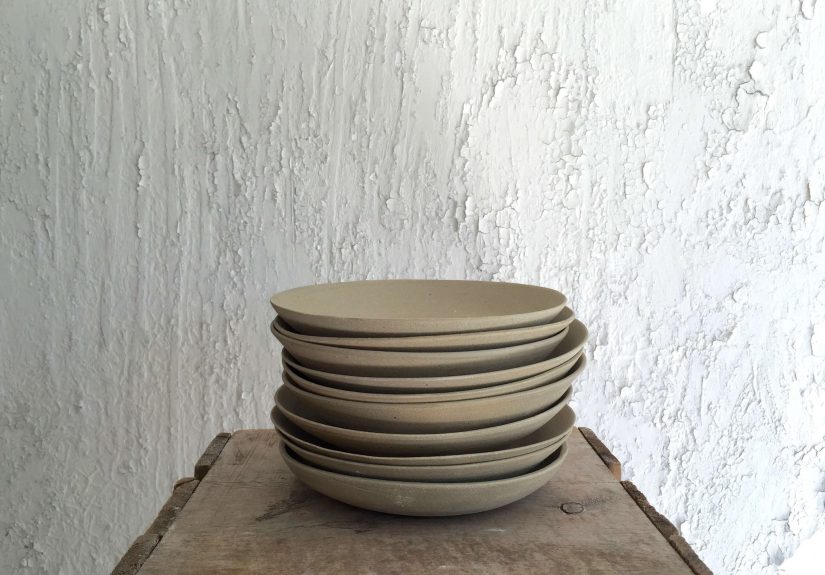
That is the quiet power of handmade ceramics. They do not beg for attention with neon glazes, wavy rims, or a dramatic backstory involving a lost monastery and a moonlit kiln. Instead, they win people over slowly. A soft linen-toned finish. A shape that feels grounded in the hand. Slight irregularities that remind you a human being made this, not a machine that never blinks and probably hates dinner parties.
In the case of Janaki Larsen’s work, that understated appeal is exactly the point. These tapas bowls sit comfortably in the world of artisan dinnerware, neutral tabletop styling, and handmade ceramic serving pieces. They feel relaxed, earthy, and almost architectural, which is an excellent combination for anyone who wants their table to look elegant without looking like it is auditioning for a luxury catalog.
Why These Tapas Bowls Stand Out
The first thing that makes these bowls memorable is the color. “Linen-coloured” is not just a fancy way of saying beige. It suggests softness, depth, and a natural tone that works with nearly everything. It is warmer than stark white, subtler than gray, and much more forgiving than bright tableware that demands a supporting cast.
That shade matters because small serving bowls often do a lot of visual heavy lifting. They sit in the middle of the table. They frame little bites. They show up in photos. They fill awkward empty spots between plates, napkins, glasses, and serving boards. A linen-colored ceramic bowl does all of this without stealing the show. It supports the food, the table, and the room.
The second reason these bowls resonate is the handmade quality. When a bowl is hand-thrown, tiny differences in height, depth, and contour are part of the beauty. That variation creates warmth. It tells guests this is a lived-in table, not a display shelf pretending to be a dinner party. For people who love wabi-sabi tableware, organic modern decor, or minimalist stoneware bowls, that kind of subtle imperfection is exactly the charm.
The Design Language of Janaki Larsen
If you have looked at Janaki Larsen’s ceramic work more broadly, the appeal becomes even easier to understand. Her pieces tend to lean into quiet forms, restrained surfaces, and an earthy mood that feels collected rather than decorated. They are not trying to be trendy for one season and forgotten by the next. They are trying to feel inevitable, as though they belong in a kitchen with wooden boards, washed linen, olive oil, and a loaf of bread that was somehow better than the one you usually buy.
This is what makes the Janaki Larsen Linen-Coloured Tapas Bowls so useful from a design perspective. They can move between styles without complaint. In a rustic setting, they look natural and grounded. In a modern setting, they read as textural and sculptural. In a more classic setting, they soften the overall look and keep the table from feeling too precious.
That flexibility is one reason neutral stoneware continues to matter. Homeowners and stylists love pieces that can layer easily with wood, glass, brushed metal, simple white plates, and natural fabrics. A bowl like this can live on open shelving, sit on a kitchen island, or join a dinner spread without ever looking out of place.
How Linen-Coloured Bowls Change a Table
There is a good reason neutral serving ware keeps showing up in conversations about entertaining: it makes food look better. Bright red strawberries, green olives, marinated artichokes, golden roasted nuts, smoked almonds, whipped feta, dark chocolate bark, saffron aioli, hummus, sea salt, citrus wedges, and flaky crackers all get a visual lift against a muted ceramic surface.
That is especially important for tapas and small-plate dining. Tapas are not about one giant centerpiece dish. They are about rhythm. A little here, a little there, something savory, something briny, something crunchy, something warm. The bowls become part of that choreography. A good tapas bowl should be large enough to feel generous, small enough to encourage sharing, and sturdy enough to hold up to repeated use. The best ones also make the spread feel relaxed and abundant rather than cluttered.
Linen-colored bowls shine in that role because they calm everything down. If your menu includes colorful ingredients, the bowl frames them. If your menu is more tonal, the bowl reinforces the mood. If your guests are the type to post the table before they eat, well, congratulations: you accidentally became a person with “effortless hosting style.”
Best Ways to Use Janaki Larsen Linen-Coloured Tapas Bowls
These bowls work best when you stop thinking of them as single-purpose pieces. Yes, they are ideal for tapas. But the smartest tabletop objects earn their cabinet space in more than one way.
For a tapas night
Use them for marinated olives, roasted peppers, anchovy snacks, spiced nuts, garlic shrimp, lemon wedges, aioli, or little stacks of sliced bread. They help create a layered spread that feels generous without looking messy.
For everyday dining
They are equally appealing for side salads, fruit, yogurt, soup, or a casual grain bowl. Handmade bowls often elevate simple meals because they add texture and intention to ordinary routines. Toast and ricotta on a Tuesday somehow feels more civilized when the sea salt lives in a beautiful bowl nearby.
For entertaining beyond tapas
Think dessert toppings, cocktail garnishes, flaky salt, pistachios, citrus wheels, olives for martinis, dipping sauces, or a small cheese-and-fruit moment on the sideboard. Neutral bowls are excellent support players, and support players win dinner parties.
For styling the kitchen
Even when empty, a handmade ceramic bowl has presence. On open shelving, a stack of softly toned bowls adds visual texture. On a counter, one bowl with lemons or garlic heads becomes décor that still feels useful. That balance between function and beauty is what makes handcrafted stoneware such a strong long-term buy.
What Makes Handmade Ceramic Bowls Feel More Special
Mass-produced tableware can be practical, affordable, and completely fine. Nothing wrong with fine. But handmade ceramics offer a different kind of value. You are not just buying capacity for snacks. You are buying touch, variation, material honesty, and a sense of presence.
That presence comes from several things at once: the slight asymmetry of a hand-thrown form, the visual depth of a natural finish, the tactile pleasure of a surface that feels matte or softly textured, and the knowledge that no two pieces are perfectly identical. In design terms, those details create warmth. In regular-person terms, they make your table feel less boring.
The Janaki Larsen aesthetic also taps into the ongoing appeal of pieces that feel timeless rather than over-designed. The bowls are not loaded up with decorative motifs. They are restrained. That restraint is what allows them to work with so many interiors and so many kinds of food.
Things to Consider Before Hunting Down a Discontinued Piece
Because the original listing for these bowls has been marked discontinued, anyone who wants them now is likely looking at resale platforms, galleries, artisan retailers, or future collections from the maker. That makes the hunt part of the experience. It also means buyers should be practical.
- Expect variation: Handmade bowls are supposed to differ slightly. That is a feature, not a flaw.
- Ask about food safety: If a piece is unglazed or lightly finished, confirm it is meant for serving food.
- Check dimensions: Small serving bowls can look larger or smaller online than they do in real life.
- Ask about care: Dishwasher-safe and microwave-safe are not the same thing, and handmade ceramics often deserve gentler handling.
- Buy for longevity: Choose pieces you will still want on the table in five years, not five social posts.
That last point matters most. The beauty of neutral artisan bowls is that they rarely age badly. They may chip a little, soften with use, or gain the kind of patina people politely call “character,” but they generally do not become embarrassing. No one looks at a well-made handmade bowl and says, “Very 2024.”
How to Style Them at Home
If you want to build a table around Janaki Larsen Linen-Coloured Tapas Bowls, keep the supporting cast simple. Washed linen napkins, wood boards, brushed flatware, clear glassware, and candles are enough. The goal is texture, not clutter. You want the table to look welcoming, not like it lost a fight with a prop closet.
For a warm, organic look, pair the bowls with oat, cream, clay, olive, charcoal, or soft brown tones. For a cleaner modern look, combine them with matte black accents, white plates, and straight-lined glassware. For a more collected, European-inspired feel, mix them with vintage cutlery, striped linens, and a loaf of bread that looks as though it has opinions.
Flowers are optional. Good olive oil is not.
Care Tips for Handmade Tapas Bowls
Any handmade ceramic piece deserves a little respect. That does not mean locking it in a cabinet and admiring it from across the room like a museum object. It means using it thoughtfully.
Wash gently when possible, especially if the finish is matte or the maker recommends handwashing. Avoid sudden temperature changes. Do not assume dishwasher-safe automatically means microwave-safe. And if the bowl develops tiny quirks over time, such as slight surface wear or tonal shifts, remember that this is part of the story of handmade objects. They are meant to live with you, not remain frozen in showroom perfection.
Experiences Related to Janaki Larsen Linen-Coloured Tapas Bowls
Using bowls like these is less about owning a luxury object and more about noticing how small details change the mood of everyday life. Imagine setting out a few Janaki Larsen Linen-Coloured Tapas Bowls on a Friday evening. One holds olives slicked with citrus and herbs. Another has salted Marcona almonds. A third carries whipped feta with pepper and honey. Nothing here is complicated, but suddenly the night feels composed. The bowls create little pauses on the table, little moments of focus. Guests do not always know why the spread looks so good. They just know it does.
That is one of the most interesting experiences tied to handmade serving pieces: they quietly improve ordinary rituals. Breakfast fruit feels more thoughtful. A handful of crackers beside soup feels styled instead of accidental. A late snack with cheese and apples feels less like rummaging and more like a choice. The bowl does not cook, season, or clean up after you, sadly, but it changes the atmosphere around the food.
There is also a tactile pleasure that people tend to underestimate until they live with handmade ceramics. The slight weight in the hand. The soft matte feel. The subtle evidence of the wheel and the maker’s process. These things slow you down just enough to notice them. In a kitchen full of stainless steel, plastic packaging, and things that beep at you, a quiet ceramic bowl can feel strangely grounding.
Another experience people often mention is how well a neutral bowl adapts to the seasons. In summer, linen-colored tapas bowls look airy and relaxed with tomatoes, peaches, burrata, and chilled dips. In fall, they hold nuts, figs, and warm olives beautifully. In winter, they suit darker breads, roasted mushrooms, and salted chocolates. In spring, they become perfect little stages for radishes, soft cheeses, green herbs, and bright citrus. The same bowl keeps changing because the ingredients around it keep changing.
There is a social side to it as well. Handmade bowls invite conversation. Someone picks one up and asks where it came from. Someone else notices that the pieces are not perfectly identical. Another guest says they love the color because it goes with everything. Before long, the bowl is doing what good design often does best: helping people connect without announcing itself. It becomes part of the shared memory of the evening.
Even in quieter moments, the experience holds up. Picture a single bowl left on the kitchen counter the next morning with a few lemon peels inside, or sea salt waiting beside a cutting board, or walnuts ready for an afternoon snack. It still looks beautiful. It still feels useful. That is the difference between trendy tabletop clutter and a well-made object with staying power. One demands attention; the other earns affection.
For collectors, the experience may also include the thrill of the search. Because the original bowls are discontinued, finding one can feel a little like discovering a favorite book out in the wild. There is pleasure in that rarity, but there is also perspective. What people are often chasing is not just the object itself. They are chasing the feeling it represents: a slower table, a more tactile home, a better relationship with everyday things.
In that sense, Janaki Larsen Linen-Coloured Tapas Bowls are not only about serving food. They are about creating a setting where simple food, natural materials, and thoughtful design can coexist without fuss. They make room for generosity. They make snacks look elegant. They make a home feel a little calmer. And honestly, that is a lot to ask from a bowl. Yet here we are.
Final Thoughts
The appeal of Janaki Larsen Linen-Coloured Tapas Bowls comes down to a rare combination: beauty, restraint, and usefulness. They feel artistic without being impractical, minimal without being cold, and rustic without becoming costume drama. Their neutral tone, handmade quality, and easy versatility make them the kind of tabletop piece that fits real life beautifully.
For anyone drawn to handmade ceramic tapas bowls, neutral serving ware, or artisan stoneware for entertaining, these bowls offer a strong lesson in why quiet design lasts. They prove that the most memorable objects in a home are not always the loudest ones. Sometimes they are the pieces sitting calmly in the center of the table, holding olives, catching light, and making everything around them look a little better.





 Close
Close