
Table of Contents >> Show >> Hide
- What Makes It “Italian”?
- Choose Your Pork: Loin vs. Shoulder
- Italian Pork Roast Recipe (Garlic, Rosemary & Fennel)
- Step-by-Step: Pork Loin (Juicy, Sliceable, Weeknight-Friendly)
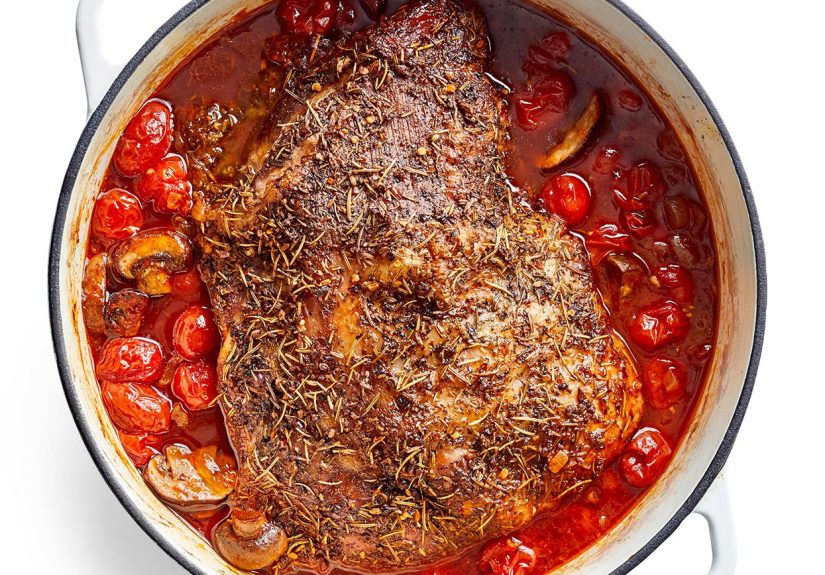
- Step-by-Step: Pork Shoulder (Porchetta-ish, Tender, Sandwich-Ready)
- Quick Pan Jus (Because Dry Pork Is a Tragedy)
- Italian Pork Roast Serving Ideas
- Make It Yours: Variations That Still Feel Italian
- Food Safety and Doneness (So Everyone Eats Happily)
- Troubleshooting (Because Pork Loves to Keep You Humble)
- Real-World Tips & Experiences (The Part You’ll Remember Next Time)
- Conclusion
If your kitchen could talk, it would beg you to make an Italian pork roast at least once a monthpartly for the smell (garlic + rosemary + fennel = instant “somebody loves you” aromatherapy), and partly because leftover pork turns into sandwiches that make lunch feel like a small vacation.
This guide gives you a classic Italian-style roast pork with a crisp, flavorful crust and juicy slicesplus a “porchetta-ish” option for when you want extra drama. It’s written for real life: weeknights, picky eaters, and the one friend who always shows up “just to say hi” right at dinnertime.
What Makes It “Italian”?
Italian pork roasts vary by region and tradition, but the flavor signatures show up again and again:
- Garlic (confidently used, not shyly waved near the meat)
- Rosemary (piney, bold, and basically born to roast)
- Fennel seed (sweet-licorice warmth that screams “Italian sausage vibes,” in the best way)
- Citrus zest (often lemon; optional but highly recommended)
- Olive oil + black pepper (the supportive best friends)
Choose Your Pork: Loin vs. Shoulder
Both can be spectacular. The “right” one depends on how you want to serve it.
Option A: Pork Loin Roast (Best for Juicy Slices)
Why you’ll love it: Leaner, quicker, and perfect for neat slices with pan juices. Great for Sunday dinner that doesn’t steal your whole Sunday.
Option B: Pork Shoulder (Best for Porchetta-Style Tenderness)
Why you’ll love it: More marbling, more forgiving, and made for low-and-slow roasting. This is the one that turns into legendary sandwiches with garlicky greens.
Italian Pork Roast Recipe (Garlic, Rosemary & Fennel)
Yield: 6–8 servings (more if you promise “just a little” and then slice it thin)
Time: 20 minutes prep + 60–90 minutes roasting (loin) OR 3–5 hours (shoulder) + resting
Ingredients (Classic Pork Loin Version)
- 1 pork loin roast, 3–4 lb (boneless or bone-in)
- 2 tsp kosher salt (plus more to taste; adjust for your brand of salt)
- 1 1/2 tsp freshly ground black pepper
- 2 tsp fennel seeds, lightly crushed
- 6–8 garlic cloves, finely grated or minced
- 2 Tbsp chopped fresh rosemary (or 2 tsp dried)
- 1 tsp dried oregano (optional, but very “Italian-American Sunday dinner”)
- Zest of 1 lemon (optional, but bright and excellent)
- 2–3 Tbsp olive oil
- 1/2 cup dry white wine or chicken broth (for the pan)
- 1 onion, thickly sliced (optional “edible roasting rack”)
Ingredients (Shoulder / Porchetta-ish Version)
- 1 boneless pork shoulder (Boston butt), 4–6 lb
- 1 Tbsp kosher salt (plus 1 tsp per additional pound; shoulder likes seasoning)
- 2 tsp black pepper
- 1 Tbsp fennel seeds, toasted if you have 2 extra minutes
- 8–10 garlic cloves, minced
- 2 Tbsp chopped rosemary + 1 Tbsp chopped sage (sage optional, but very porchetta)
- 1/2–1 tsp red pepper flakes (optional, but delightful)
- Zest of 1 lemon or orange
- 2–3 Tbsp olive oil
- 1 cup wine or broth (for braise-like roasting)
Step-by-Step: Pork Loin (Juicy, Sliceable, Weeknight-Friendly)
1) Dry the pork and season like you mean it
Pat the pork dry with paper towels. In a small bowl, mix salt, pepper, crushed fennel, garlic, rosemary, oregano, lemon zest, and olive oil into a paste. Rub it all over the porktop, sides, and any sneaky creases.
Pro tip: If you have time, refrigerate the seasoned roast uncovered for 4–24 hours. This acts like a mini dry brine and helps the surface roast up beautifully.
2) Preheat and set up your roasting pan
Heat oven to 375°F. If using onion slices, scatter them in the pan first (they lift the pork slightly and flavor the drippings). Pour wine or broth into the bottom of the pan.
3) Sear (optional, but worth it for flavor)
For extra browning, sear the roast in a hot oven-safe skillet or Dutch oven with a little oil, about 2–3 minutes per side. Then move it to your roasting setup.
4) Roast to the right temperature (not the right “time”)
Roast until the thickest part hits 145°F on an instant-read thermometer. Time varies, but a 3–4 lb loin often lands around 60–80 minutes. Start checking earlyovercooking is the #1 pork crime.
Thermometer tip: Insert into the center of the thickest part, avoiding bone (bone can give a false reading).
5) Rest, then slice
Remove roast to a cutting board and rest 10–15 minutes. This keeps juices in the meat instead of on your cutting board (which is not nearly as delicious, no matter how you look at it).
Slice against the grain into 1/2-inch slices. Spoon pan juices over the top.
Step-by-Step: Pork Shoulder (Porchetta-ish, Tender, Sandwich-Ready)
1) Make the aromatic rub
Mix salt, pepper, fennel, garlic, rosemary, optional sage, chili flakes, citrus zest, and olive oil into a paste. Rub all over the pork shoulder.
2) Slow-roast until spoon-tender
Heat oven to 300°F. Place pork in a Dutch oven or deep roasting pan. Add wine or broth. Cover tightly with a lid or foil and roast until the pork is deeply tender and easy to pull apart, typically 3.5–5 hours depending on size.
Temperature guidance: While 145°F is safe for whole cuts, shoulder becomes tender when collagen breaks downoften around 190–205°F. Think “shred-ready,” not “slice-ready.”
3) Optional: crisp the outside
For a better crust, uncover and raise oven to 425°F for 10–15 minutes at the end. Keep an eye on itgarlic can go from “toasty” to “bitter” fast.
4) Rest, then slice or shred
Rest 15–20 minutes. Slice thick for dinner plates, or shred for sandwiches and grain bowls. Skim fat from the pan juices and spoon the flavorful jus over the meat.
Quick Pan Jus (Because Dry Pork Is a Tragedy)
While the pork rests, place the roasting pan on the stovetop (or pour drippings into a saucepan). Simmer 3–5 minutes, scraping up browned bits. If you want a thicker sauce, whisk 1 tsp cornstarch with 1 Tbsp cold water and drizzle it in while simmering.
Italian Pork Roast Serving Ideas
Classic dinner plate
- Roasted potatoes with rosemary and garlic
- Polenta (creamy, because you deserve comfort)
- Green beans or a lemony arugula salad
Italian-American sandwich mode (Philly-inspired energy)
- Warm rolls (crusty outside, soft inside)
- Thin-sliced shoulder or loin
- Sharp provolone
- Garlicky broccoli rabe (or sautéed spinach in a pinch)
- A ladle of pan jus (napkins will not save you)
Make It Yours: Variations That Still Feel Italian
Add citrus and herbs
Orange zest + rosemary + fennel turns the flavor a little sunnier. Lemon zest keeps it bright and classic.
Go “porchetta-style” without rolling a whole pig
Traditional porchetta is an event. A simplified version isn’t a shortcutit’s a smart life choice. Use shoulder, bump up fennel/garlic/herbs, and roast low and slow. You’ll get the spirit of porchetta without needing a parade permit.
Italian pot-roast vibe
Add sliced fennel bulb and onions to the pan, plus more wine and a covered roast. The vegetables soften into something like an instant side dish, and the pan juices become intensely savory.
Food Safety and Doneness (So Everyone Eats Happily)
- Whole pork roasts (loin, rib roast, etc.): Cook to 145°F and rest at least 3 minutes for safety. Many cooks rest longer (10–15 minutes) for juicier slices.
- Ground pork/sausage stuffing: Needs a higher final temperature (160°F).
- Pork shoulder: Safe earlier, but tender laterexpect best texture around 190–205°F if you want shreddable meat.
- Leftovers: Refrigerate promptly and reheat gently with a splash of jus or broth so it stays moist.
Troubleshooting (Because Pork Loves to Keep You Humble)
“My pork loin is dry.”
Most likely it went past 145°F by a lot. Next time, start checking early and pull it right at temp. Also: resting matters. And slicing too soon is basically letting all the moisture escape like it’s late for a meeting.
“My crust isn’t browning.”
Dry the surface well. Consider a quick sear. And don’t crowd the pan with too much liquidsteam is the enemy of crust.
“The garlic tastes bitter.”
Very high heat can scorch garlic. If you’re doing a high-temp blast at the end, keep it brief and watch closely.
Real-World Tips & Experiences (The Part You’ll Remember Next Time)
Here’s what home cooks tend to notice after making an Italian pork roast a few timesespecially once they stop treating pork like it’s required to be cooked into oblivion “just in case.” The biggest upgrade is almost always the thermometer. People who “cook by time” end up with wildly different results depending on the shape of the roast, how cold it was when it went into the oven, and whether the roast is boneless or bone-in. The moment you cook to temperature, pork becomes dramatically more forgivingand a lot more fun to serve.
Another common “aha” moment: fennel seed doesn’t taste like candy hereit tastes like Italian comfort. Many cooks worry fennel will be too licorice-forward, but when it’s crushed and paired with garlic, black pepper, and rosemary, it reads as savory and familiar (the same flavor family as Italian sausage and Sunday sauce). If someone in your house claims they “hate fennel,” don’t argue. Just make the roast. Let the aroma do the negotiating.
Dry brining (even a few hours) often becomes the habit people keep. Seasoning early means the pork tastes seasoned all the way through, not just on the crust. It also helps the surface dry a bit, which encourages browning. If you’re short on time, you can still get great flavor by rubbing the paste on right before roastingjust pat the pork really well and consider a quick sear.
For gatherings, cooks love the shoulder version because it’s hard to mess up. Loin is lean and elegant, but shoulder is the friend who shows up early, helps set the table, and still looks good in photos. It stays juicy, it loves long cooking, and the leftovers reheat beautifully if you keep the meat in its own pan juices. People often plan “accidentally” for leftovers by buying a slightly larger shoulder than needed, because the next-day sandwich is a whole separate reward.
Speaking of sandwiches: the first time someone ladles a little jus onto a roll, adds sharp provolone, and piles on garlicky greens, they usually pause mid-bite like they just remembered an important life goal. The best tip is to slice the pork thin for sandwichesespecially shoulderbecause thin slices absorb the juices and stack neatly without turning into a wrestling match with your bread. And if you’re feeding a crowd, setting up a “build-your-own” station (meat, cheese, greens, jus) instantly makes dinner feel like an event.
Finally, the most relatable experience: everyone hovers while it rests. The roast comes out smelling like a Roman holiday, and suddenly 10 minutes feels like 45. But resting is what keeps your pork roast from becoming a puddle. Tell people it’s “settling.” Say it confidently. Pretend it’s a spa appointment for meat. Then slice, serve, and accept compliments like they’re part of your weekly routine.
Conclusion
An Italian pork roast is the kind of recipe that makes your kitchen smell like you have your life togethereven if you’re currently using a potholder as a trivet and calling it “rustic.” Stick to the garlic-rosemary-fennel trio, cook to temperature, rest like it matters (because it does), and you’ll end up with a roast that works for both a cozy family dinner and a sandwich situation so good it should come with applause.







 Close
Close