
Table of Contents >> Show >> Hide
- What Counts as “Eating Bugs,” Exactly?
- Nutrition: Are Insects Actually Good for You?
- Potential Health Benefits (Without the Marketing Confetti)
- Risks and Downsides: When Eating Bugs Is Not a Great Idea
- Who Should Be Extra Careful (or Skip It)?
- How to Eat Bugs “The Healthy Way” (If You Want to Try)
- What About the “FDA Approved Bugs” Rumor?
- FAQ: Quick Answers to Common Questions
- Conclusion
- Real-World Experiences: What It’s Like to Eat Bugs (500+ Words)
The short version: eating bugs can be healthyif you’re talking about edible insects that are
raised for food, processed safely, and eaten in sensible portions.
The longer (and more useful) version is that insects can deliver high-quality protein and a surprising amount of micronutrients,
but they also come with very real “fine print” like allergy risks, contamination concerns, and big differences between
“food-grade crickets” and “whatever is currently on your porch.”
In other words: the health question isn’t “bugsyes or no?” It’s “which insects, how they were raised,
how they were prepared, and who is eating them.” Let’s unpack it without the hype, the fear-mongering,
or the dramatic internet captions that scream, “THE FDA APPROVED BUGS!!!” (Deep breaths. We’ll get to that.)
What Counts as “Eating Bugs,” Exactly?
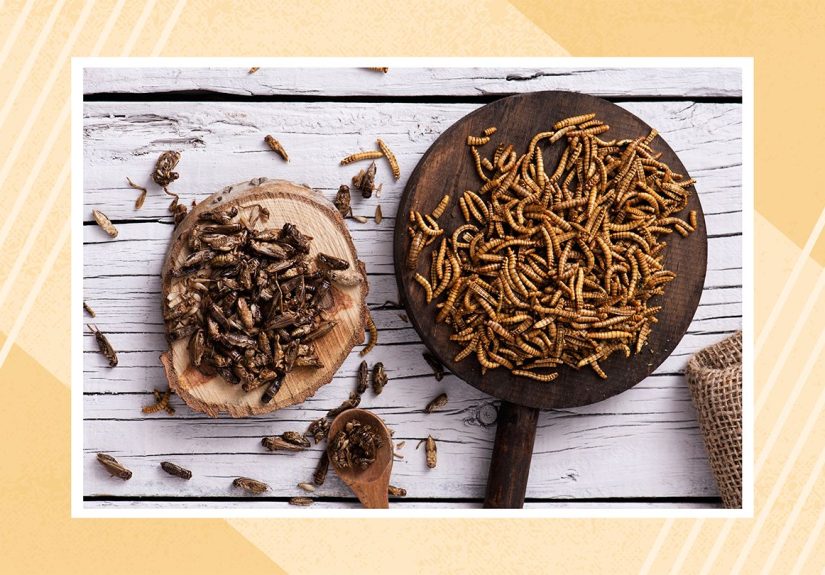
When most people say “bugs,” they’re usually talking about insectscrickets, mealworms, grasshoppers, ants,
and sometimes larvae like grubs. In the food world, you’ll see this called entomophagy (a fancy word that means
“humans eating insects,” not “you accidentally inhaled a gnat while running”).
In the U.S., the most common forms are:
- Cricket flour (powder) mixed into protein bars, chips, baked goods, and smoothies
- Roasted whole insects sold as crunchy snacks (often seasoned like BBQ chips, because we are who we are)
- Insect-based ingredients blended into pasta, tortillas, or “high-protein” mixes
You’ll also hear people talk about eating insects for sustainability, but this article stays focused on the big question:
Is eating bugs healthy for your body?
Nutrition: Are Insects Actually Good for You?
Nutritionally, many edible insects are impressive. They’re often rich in protein, can contain
healthy fats, and may provide micronutrients like iron, zinc, calcium,
and vitamin B12 (depending on species and how they’re raised and processed). That “depending” part mattersa lot.
Protein: The Headliner
Many edible insects are protein-dense, especially when dried and milled into powder. Cricket-based products are often marketed as
“complete” proteins (meaning they contain all essential amino acids), though amino acid profiles vary by insect species and processing.
If you’re comparing ingredient lists, insect protein can compete with familiar options like whey, soy, or pea protein.
A practical tip: If your goal is to boost protein intake, you’ll get more consistent results from products with a clear nutrition label
(e.g., “X grams protein per serving”) than from novelty snacks that are “bug-adjacent” but mostly seasoning and vibes.
Fiber (Yes, in “Animal” Protein)
Here’s the weird-but-true part: some insects provide a fiber-like substance called chitin (in the exoskeleton).
Humans don’t digest chitin the same way we digest plant fiber, but it behaves like an insoluble fiber and may affect gut bacteria.
Early research suggests cricket powder may influence the gut microbiome in beneficial wayspromising, but not a magic spell.
Healthy Fats and Micronutrients
Depending on the insect, you may also see meaningful amounts of polyunsaturated fats and minerals. In real life, this can matter most for:
- People who struggle to hit protein targets (athletes, busy adults, some older adults)
- Folks looking for alternative proteins beyond meat or dairy
- Anyone who wants varietybecause “healthy eating” gets easier when it’s not boring
That said, insects aren’t automatically “healthier than meat” or “better than plants.” They’re simply another protein source,
with strengths and tradeoffs.
Potential Health Benefits (Without the Marketing Confetti)
If you’re wondering whether eating bugs is healthy, you’re probably really asking: “What could insects do for my health
that my current diet doesn’t?” Here are the most realistic, evidence-friendly benefits.
1) A High-Protein Option That Can Be Easy to Use
Cricket flour and similar powders can slide into foods you already eat: oatmeal, pancakes, smoothies, muffins, energy bites.
For some people, that’s a simple way to increase protein without dramatically changing a routine.
2) Gut-Related Possibilities
The gut microbiome angle is interesting: insect fibers like chitin may act as fuel for certain gut bacteria.
A small human trial using cricket powder found it was well tolerated and linked to shifts in gut bacteria and markers related to inflammation.
This is early-stage science (not a universal guarantee), but it’s more than “some influencer said it cured their soul.”
3) Micronutrient Support (Sometimes)
Insect nutrition varies, but many species can provide iron and zincnutrients that matter for energy, immune function,
and overall health. For people who eat little or no red meat, insect foods may offer another route to these nutrients,
though you still need to check labels and avoid guessing.
Risks and Downsides: When Eating Bugs Is Not a Great Idea
“Healthy” foods are only healthy when they’re safe for you. With edible insects, the main concerns are
allergies, contamination, and quality control.
1) Allergy Risk (Especially Shellfish Allergy)
This is the biggest red flag. Proteins in insects can cross-react with allergens found in crustacean shellfish
(like shrimp, crab, lobster) and sometimes with dust mite allergies. If you have a known shellfish allergy,
insect snacks are not the place to “be brave.” Talk to an allergist before experimenting.
2) Food Safety: Microbes and Handling Matter
Like any animal-derived food, insects can carry bacteria if they’re raised, processed, or stored improperly.
Food-grade producers use controlled environments and safety practices, but “wild-caught” insects can be exposed to all sorts of
things you don’t want in your digestive system.
Bottom line: don’t eat random bugs you find outside. That’s not adventurous; that’s roulette.
3) Chemical Contamination: Pesticides and Heavy Metals
Insects can be exposed to pesticides in the environment. Certain species and certain growing conditions can also lead to heavy metal
accumulation. This is another reason “reputable supplier” isn’t just a buzz phraseit’s your quality-control department.
4) Physical Hazards (Choking, Hard Parts)
Whole roasted insects can include hard bits that may be a choking hazard for young children, and they may be unpleasant for anyone with dental issues.
Powders (like cricket flour) avoid most of that, which is part of why they’re popular in packaged foods.
5) Digestive Upset for Some People
Even without an allergy, some people report gas, bloating, or stomach discomfort when they try insect proteinespecially in larger amounts.
If your gut is sensitive, start with a small serving and see how you feel.
Who Should Be Extra Careful (or Skip It)?
- People with shellfish allergies (high priority caution)
- Anyone with a history of serious food reactions or uncontrolled asthma
- People with multiple allergies who react to dust mites or other arthropods
- Pregnant people and young children, unless a clinician says it’s appropriate and the product is clearly food-grade
- Immunocompromised individuals, who may need to be stricter about food safety in general
How to Eat Bugs “The Healthy Way” (If You Want to Try)
If you’re curiousand many people arehere’s how to make edible insects a sensible choice rather than a risky stunt.
Choose Food-Grade Products From Established Brands
Look for clear labeling, full ingredient lists, and nutrition facts. Bonus points if the company explains how the insects are raised and processed.
If a product feels shady, it probably is. Your body does not need “mystery larvae.”
Start Small
Try a small serving first, especially if you have a sensitive stomach. Think “sample,” not “double scoop of cricket powder on day one.”
Use It as a Protein Add-On, Not a Whole Personality
The healthiest approach is usually boring (which is why it works): add insect protein occasionally the way you’d add nuts, yogurt,
or beanspart of a balanced diet, not a replacement for everything else.
Keep the Whole Diet in View
A cricket bar can be high-protein, but it can also be high in added sugar. A roasted insect snack can be nutrient-dense,
but it can also be basically a salt delivery system. “Healthy” doesn’t come from the insect aloneit comes from the whole food package.
What About the “FDA Approved Bugs” Rumor?
This rumor pops up online every so often, usually with a dramatic photo and the emotional energy of a haunted house.
Here’s the calmer reality: the FDA has guidance about “unavoidable defects” in the food supply (including insect fragments)
because it’s not economically practical to make certain foods perfectly free of tiny natural contaminants.
That does not mean companies are secretly adding insects as an ingredient without telling you.
Separately, edible insect products sold for people are generally treated like other foods: they need to be produced in sanitary conditions,
labeled truthfully, and handled safely. The biggest issue for consumers isn’t “secret bugs,” it’s understanding
allergy risk and choosing food-grade products.
FAQ: Quick Answers to Common Questions
Are edible insects safer than meat?
Not automatically. Food-grade insect products can be safe, but “safe” depends on farming, processing, and handlingjust like meat, seafood, and eggs.
The advantage is that insect products are often sold processed (dried, roasted, powdered), which can reduce certain risks when done properly.
Do insects have cholesterol?
Some insects contain cholesterol and fats, and the amounts vary by species and processing. If you’re managing cholesterol,
focus on the nutrition label and your overall dietary pattern, not just the headline ingredient.
Is cricket protein better than whey?
“Better” depends on your needs. Whey is extremely well-studied and high quality. Cricket protein can be a good alternative if you want variety,
need a non-dairy option, or tolerate it better. The deciding factors are usually taste, tolerance, protein per serving, and price.
Can eating bugs help you lose weight?
Insects aren’t a weight-loss hack. Higher-protein foods can improve satiety for some people, but weight loss still comes down to overall intake,
food quality, routine, and sustainability. If the “bug snack” is a candy bar with a cricket cameo, don’t expect miracles.
Conclusion
So, is eating bugs healthy? It can beespecially when edible insects are used as a food-grade, high-protein ingredient
in well-made products. Insects can provide protein, fats, and micronutrients, and early research suggests potential gut-health benefits.
But it’s not a free-for-all. Allergy risk (particularly for people with shellfish allergies) is the biggest concern, followed by food safety
and contamination issues when products aren’t sourced carefully.
The healthiest mindset is also the least dramatic: treat edible insects like any other protein source. Choose reputable products, read labels,
start small, and don’t let a trendwhether it’s hype or panicdo your thinking for you.
Real-World Experiences: What It’s Like to Eat Bugs (500+ Words)
People’s first experiences with edible insects tend to fall into a few predictable categories, and the pattern is honestly comforting:
most of the drama happens before the first bite, not after. The “yuck factor” is real, especially in cultures where insects aren’t a common food,
but the actual eating experience is usually far more normal than people expect.
One of the most common entry points is cricket flour in familiar foods. Folks often describe the taste as “nutty,” “toasty,” or
“kind of like whole-grain.” In pancakes, muffins, or protein balls, cricket powder usually doesn’t shout “HELLO I AM AN INSECT.”
It’s more like a quiet background singer adding protein while the chocolate chips do the main performance. People who like it tend to appreciate
that it feels like a small dietary upgrade without forcing a big identity shift. (“I’m not an insect-eater,” they’ll say, while eating the second bar.
That’s how it starts.)
The next category is seasoned roasted insects, often sold in snack packs. These are frequently compared to crunchy snacks like roasted nuts
or corn nuts. The flavoring usually drives the experiencechili-lime, barbecue, ranch, cinnamon-sugarbecause seasoning is America’s love language.
First-timers often report a quick “mental speed bump” when they see legs or wings, but once they get past the visual, they focus on the crunch.
Texture-wise, the word that comes up over and over is crisp. Some people love that. Others feel like the crunch is “too real” and prefer powders
instead of whole insects.
Travel experiences can be a big influence, too. Many people try insects for the first time at outdoor markets or street-food stalls while traveling,
where the vibe is casual and social: a friend dares you, you dare them back, and suddenly you’re both eating a seasoned grasshopper while laughing.
People often describe these moments less as “I ate a bug” and more as “I shared a local tradition.” That social context matters. When edible insects are
presented as normal foodserved with confidence, prepared well, and eaten by everyone around youmany first-timers relax and judge it like any other dish.
On the practical side, experiences vary most with portion size and tolerance. Some people report no digestive effects at all,
while others mention mild bloating or stomach discomfort if they jump in too quickly. The most common “I didn’t love it” story is less about taste and more
about overdoing ittrying a large serving of a new protein source and then feeling uneasy. People who have the best experiences tend to do two things:
(1) they start with a small serving, and (2) they choose products that are clearly food-grade and professionally packaged.
Finally, there’s the emotional aftertaste: lots of people describe feeling oddly proud. Not because insects are magical, but because trying a new food
can be a small confidence boost. Others report the opposite“I tried it, I respect it, and I’m going back to chicken”which is also valid.
The most consistent takeaway from real-world stories is this: edible insects are rarely the horror show people imagine. Most of the time, they’re simply
another snack or ingredientsometimes tasty, sometimes not your thing, and usually far more boring (in a good way) than the internet makes them out to be.






 Close
Close