
Table of Contents >> Show >> Hide
- What Is Cottage Cheese Flatbread (and Why Is Everyone Making It)?
- Why Cottage Cheese Is Having a Moment (Again)
- How I Made the Viral Cottage Cheese Flatbread
- Okay, But Does It Taste Like Flatbread?
- Nutrition Reality Check: The Pros and the “Read the Label” Parts
- How to Make Cottage Cheese Flatbread Actually Delicious
- Common Problems (and Fixes That Saved My Lunch)
- Should You Try It? My No-Drama Decision Guide
- Final Thoughts
- Extra: of Real-Life “I Actually Lived With This” Experience
- SEO Tags
At some point in the last year, the internet collectively decided cottage cheese wasn’t just “that lumpy diet food your aunt ate in 1997.”
It’s now a main character. It’s being blended, baked, whipped, “ice-creamed,” andmost relevant to our current emotional journeyturned into
a viral cottage cheese flatbread that promises a high-protein, low-carb, gluten-free-ish wrap situation.
Naturally, I tried it. For science. For lunch. For the thrill of believing TikTok might finally replace my sandwich bread without ruining my day.
Here’s what happened, what I’d do differently, and whether you should hop on the viral cottage cheese flatbread trainor wave at it politely
from the platform while holding your beloved sourdough.
What Is Cottage Cheese Flatbread (and Why Is Everyone Making It)?
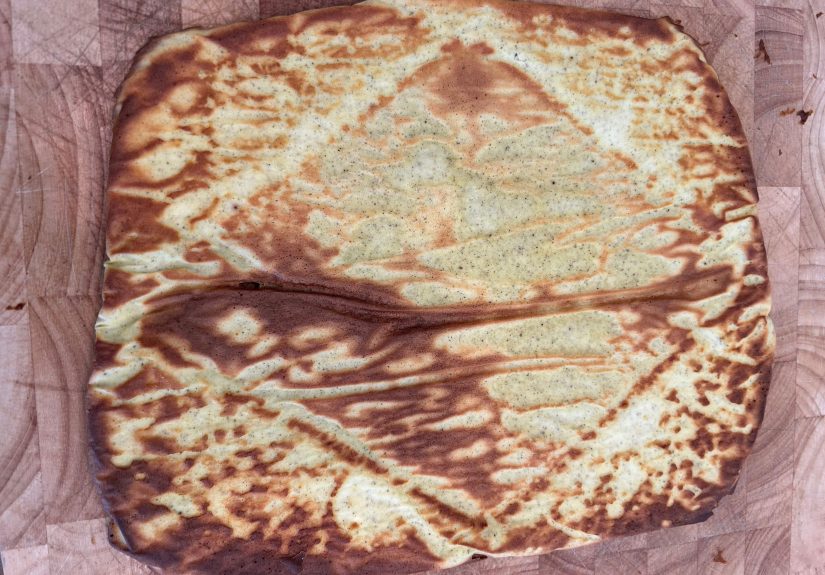
Cottage cheese flatbread is the internet’s latest “two-ingredient miracle,” typically made by blending cottage cheese and eggs,
pouring the mixture onto a lined baking sheet, and baking it into a thin sheet you can fold like a wrap. Some versions add seasonings (garlic powder,
onion powder, Italian seasoning), and some get fancier with extras like grated cheese or spices.
The appeal is obvious: it’s quick, it’s customizable, and it’s basically a protein delivery vehicle that can pretend to be bread long enough
to get lunch into your face. Food Network even spun the idea into cottage cheese tortillas inspired by the trend, leaning into the same core concept:
cottage cheese + eggs = “wrap,” with a few flavor boosters and technique tweaks.
Why Cottage Cheese Is Having a Moment (Again)
Cottage cheese didn’t just randomly re-enter the chat. A few forces collided: people chasing higher protein, social media making “weird but healthy”
recipes look normal, and the broader obsession with foods that feel supportive for appetite control and easy meals.
Retail and business coverage has pointed to viral recipes as part of what’s driving renewed attention and sales momentum for cottage cheese.
Nutritionally, it’s easy to see the hype. Cottage cheese is known for being relatively high in protein and delivering key nutrients like calcium.
It also contains casein, a slower-digesting dairy protein that can help you feel fuller longergreat if you’re trying to build a meal that doesn’t
leave you hungry 47 minutes later.
But… cottage cheese varies a lot (and that matters here)
If you’ve ever bought cottage cheese and thought, “Why does this taste like the ocean?”congrats, you’ve met sodium.
Many nutrition sources flag that cottage cheese can be surprisingly salty, and brands differ widely. That becomes relevant when your “flatbread”
is basically concentrated cottage cheese in sheet form.
The smart move: pick a cottage cheese that matches your goalshigher protein, reasonable sodium, and ingredients you actually recognize.
Some labels include “live and active cultures” (probiotics), which can be a nice bonus if you want gut-friendly options, but not every tub has them.
And if you’re sensitive to lactose, lactose-free versions exist (again: label-checking is your friend).
How I Made the Viral Cottage Cheese Flatbread
I tried a classic “internet standard” approach: blend, pour, bake, cool, hope. Here’s the basic method most versions orbit around:
The base recipe
- 1 cup cottage cheese
- 2 eggs
- Seasonings (examples: garlic powder, onion powder, Italian seasoning, black pepper)
The method (the parts that actually matter)
- Preheat your oven to 350°F.
- Line a baking sheet (or quarter sheet pan) with parchment and lightly grease it.
- Blend cottage cheese + eggs + seasonings until smooth-ish. (Not “liquefy it into soup,” but definitely “no big curds.”)
- Pour and spread into an even, thin rectangle.
- Bake until set and lightly golden. Depending on thickness, this is often in the 30–40 minute zone.
- Cool completely before peeling or folding. Yes, really.
Cooling is the make-or-break step that separates “wrap” from “sad scrambled egg carpet.” Several recipe-style sources emphasize that skipping the cool-down
tends to make it tear or fall apart. I didn’t fully appreciate this until I tried to peel it warm and basically created artisanal protein confetti.
Which cottage cheese worked best?
I tested a couple options. Low-fat versions tend to bake up a bit sturdier and less greasy, and Food Network specifically recommends low-fat (1%) for
wraps/tortillas that hold together better. Full-fat can be richer, but it may bake softer and feel more delicate depending on brand.
Okay, But Does It Taste Like Flatbread?
Here’s the most honest answer: it tastes like a creative compromise. Which is not an insult! It’s just reality.
If you expect fluffy naan or chewy pita, you will feel personally betrayed. If you expect a high-protein wrap that’s “bread-adjacent,” you can have a good time.
Texture
The texture lives somewhere between an omelet and a soft tortilla. When it’s baked evenly and cooled fully, it can be flexible enough to fold.
If it’s overbaked, it gets dry and cracker-ish at the edges. If it’s underbaked, it can be rubbery and fragile.
Better Homes & Gardens described the vibe bluntly: one commenter basically called it “an omelet,” and honestly… that’s not wrong.
Flavor
Plain batter is mildbordering on blandso seasoning is not optional if you like joy. Garlic powder helps. Onion powder helps.
Everything seasoning helps a lot. A sprinkle of Parmesan turns “protein sheet” into “savory snack wrap.” Without seasoning, it can taste like
“eggs that went to finishing school and learned restraint.”
Nutrition Reality Check: The Pros and the “Read the Label” Parts
The core reason this trend sticks is that it can be a legitimate high-protein flatbread option. Cottage cheese commonly provides
roughly a dozen-ish grams of protein per serving (depending on brand and fat level), and eggs add moreso the finished wrap can be a solid base
for a protein-forward meal.
But there are a few “adulting” notes worth keeping in mind:
1) Sodium can sneak up on you
Cottage cheese is often salty. If you’re watching sodium for blood pressure or general health, check the nutrition label.
The American Heart Association recommends aiming for no more than 2,300 mg sodium/day (with an ideal target of 1,500 mg for most adults),
and federal nutrition guidance similarly points adults toward staying under 2,300 mg/day. A wrap made mostly of cottage cheese can take a noticeable bite out of that.
2) “High protein” doesn’t automatically mean “balanced”
The wrap itself doesn’t bring fiber to the party. If you’re eating this as a regular lunch move, add fiber-rich fillings:
leafy greens, beans, lentils, crunchy vegetables, berries on the sidewhatever makes your digestive system feel respected.
3) Dairy considerations
If you have a dairy allergy, this is a no-go. If you have lactose intolerance, you might do fine with lactose-free cottage cheese (or you might not).
Also, some brands add gums or thickeners; that’s not inherently “bad,” but if a certain tub bothers your stomach, try a simpler ingredient list.
How to Make Cottage Cheese Flatbread Actually Delicious
If you take one thing from my experiment, let it be this: the flatbread is a canvas.
A very protein-y canvas. You’re the artist. (Or the hungry gremlin. Both valid.)
1) Season the batter like you mean it
- Garlic powder + onion powder + black pepper = baseline.
- Italian seasoning = “I would like this to taste like food, please.”
- Everything seasoning = instant deli vibes.
- Smoked paprika + cumin = taco-night energy.
2) Add a savory “helper” ingredient
- Parmesan adds salt, umami, and structure.
- Chili flakes make it feel less like breakfast.
- Finely grated garlic is for the brave and/or unapologetic.
3) Spread it thin and even
Thickness is drama. Too thick and the center stays soft and floppy while the edges turn into protein jerky.
Too thin and it becomes brittle. Aim for “thin tortilla” rather than “pizza crust.”
4) Let it cool fully (I’m saying it again on purpose)
Cooling helps it set, peel, and fold without tearing. Warm = fragile. Cool = functional.
I didn’t invent physics; I just got humbled by it.
5) Pair it with a bold filling
Mild wrap + mild filling = sadness. Mild wrap + bold filling = lunch.
Try: turkey + tomato + arugula + tzatziki; buffalo chicken + celery + ranch; tuna + pickles + mustard; grilled veggies + hummus; or breakfast-style eggs + salsa + avocado.
Common Problems (and Fixes That Saved My Lunch)
“It stuck to the parchment and now I’m crying.”
Lightly grease the parchment. Use decent parchment (some bargain rolls are basically paper towels in disguise).
And cool it completely before peeling. If it still sticks, peel slowly and use a thin spatula to help.
“It tastes too eggy.”
Add stronger seasonings and a pinch more salt if your cottage cheese is low-sodium. Try Parmesan or a spice blend.
Also, choose fillings that bring acid and crunch (pickles, tomatoes, lemony sauces, vinegar-based slaws).
“It tore when I folded it.”
You likely needed more cooling time, a more even thickness, or a slightly shorter bake.
Some cooks find lower-fat cottage cheese helps structure. And if all else fails: cut it into strips and use it like “dippers” instead of a wrap.
We adapt. We overcome. We dip.
Should You Try It? My No-Drama Decision Guide
You should try cottage cheese flatbread if…
- You want a high-protein wrap that’s easy and doesn’t require flour.
- You’re bored of the same lunch rotation and need a new “base.”
- You like customizing recipes and don’t mind a little kitchen tinkering.
- You’re okay with “bread-adjacent,” not “bakery-bread replacement.”
You might skip it if…
- You hate eggy flavors and don’t want to fight them.
- You want chewy, yeasty bread texture (this will not emotionally deliver that).
- You’re sensitive to sodium and don’t want another label-reading project.
- Dairy doesn’t love you back.
My personal verdict
I’d call it worth trying once, especially if you like protein-forward meals and want a gluten-free, low-carb wrap option.
It won’t replace your favorite bread, but it can absolutely earn a spot as an occasional “I need lunch that keeps me full” toolif you season it well
and treat it like a vehicle for great fillings rather than a stand-alone star.
Final Thoughts
The cottage cheese flatbread trend is one of those internet recipes that’s both overhyped and genuinely usefuldepending on your expectations.
If you go in looking for “easy protein wrap with customizable flavors,” you’ll probably be pleasantly surprised.
If you go in expecting a baguette, you’ll end up staring into the middle distance, wondering who lied to you and why.
My advice: make it once, season it boldly, cool it fully, and pair it with a filling that has personality.
Worst case? You made a weird omelet sheet. Best case? You found a new lunch hack that actually works.
Extra: of Real-Life “I Actually Lived With This” Experience
After the first test, I did what any rational adult would do: I became mildly obsessed and made cottage cheese flatbread three more times,
each time pretending I was “just tweaking technique,” and not “trying to win a private feud with the concept of bread.”
Attempt #2 was the redemption arc.
The first upgrade was flavor. I stopped treating seasoning like a garnish and started treating it like a contract.
I blended in garlic powder, onion powder, smoked paprika, black pepper, and a pinch of cumin. Then I folded in a small handful of Parmesan.
Immediately, it smelled less like “breakfast behavior” and more like “savory lunch with intentions.”
Attempt #3 was all about texture management. I spread the batter thinner than my instincts wanted, especially in the center.
The trick was using the back of a spoon like I was frosting a very strange cake. When it baked, I resisted the urge to yank it off the pan like a
feral raccoon and instead let it cool on the sheet until it felt set. The difference was dramatic: fewer tears, more bend, less crumbly edge drama.
Attempt #4 was a meal-prep experiment: could I make it, chill it, and use it tomorrow without it becoming a sad, rubbery souvenir?
I stored it in an airtight container with parchment between layers. The next day, it held up surprisingly well.
Cold, it was a little firmer, but it didn’t turn into a science project. A quick warm-up helpedjust enough to make it pliable without drying it out.
I used it for a turkey wrap with arugula and a mustardy spread, and it was genuinely satisfying in that “I’m full but not sleepy” way.
The biggest surprise: it shines when you stop asking it to be bread and let it be what it isa protein-forward wrap base.
My favorite combo ended up being a Greek-ish filling: chicken, tomato, red onion, cucumber, and a sauce with some tang (tzatziki or a yogurt-lemon mix).
The acidity and crunch cover the mildness of the wrap, and suddenly the whole thing feels intentional instead of experimental.
Would I serve this to a friend and announce, “Here’s my homemade flatbread”? Probably not. But would I make it on a Tuesday when I want something fast,
filling, and customizable? Absolutely. It’s not a miracle; it’s a tool. And honestly, a tool that turns “I have cottage cheese” into “I have lunch”
is a tool I’m happy to keep in the drawer.







 Close
Close