
Table of Contents >> Show >> Hide
- Meet the Tiny Gymnast: What an Aphid Actually Is
- Why This Aphid Looked “Acrobatic”: The Art of Falling on Purpose
- The Aphid’s Cast of Characters: Ants, Predators, and Leaf-Level Drama
- How to Photograph an Aphid Like It’s Auditioning for Cirque du Soleil
- A Simple Field Plan for Capturing “Acrobatics”
- Troubleshooting: Why Your Aphid Photos Look Like Evidence Footage
- Conclusion: A Tiny Acrobat With Big Energy
- Field Notes: of “I Can’t Believe This Is Happening” Macro Experience
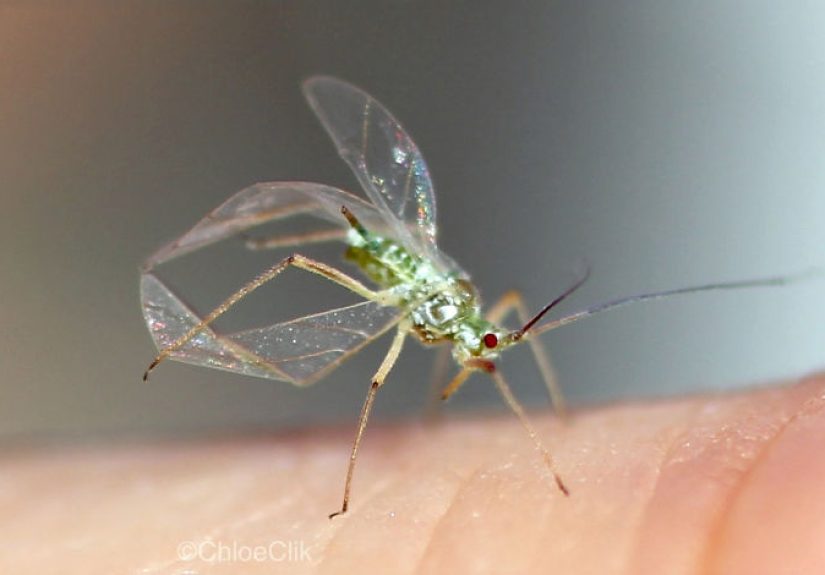
I didn’t set out to photograph a daredevil. I set out to photograph an aphidone of nature’s tiniest “garden freeloaders,”
roughly the size of a comma someone dropped in the grass. But then it happened: the aphid let go, fell, twisted in midair,
and somehow landed like it had a tiny stunt coordinator yelling, “Again, but make it cleaner!”
If you’ve ever dismissed aphids as boring plant vampires, welcome to your friendly correction. Aphids are not only weirdly
sophisticated, they’re also surprisingly athletic. And photographing themespecially when they’re doing what looks like
aerial gymnasticsturns macro photography into a mix of wildlife documentary, laboratory patience, and comedy.
Meet the Tiny Gymnast: What an Aphid Actually Is
Aphids are sap-feeding insects that tap into a plant’s plumbing (the phloem) and drink a diet that’s basically “sweet tea
with a side of protein crumbs.” Because phloem sap is heavy on sugar and comparatively light on the nitrogen-rich nutrients
aphids need, they process a lot of liquid to get enough nutrition. The result is a steady stream of honeydewsticky,
sugar-rich waste that can drip, splatter, and coat leaves (and anything underneath, including patio furniture and cars).
That honeydew matters for two reasons. First, it can encourage the growth of sooty mold, a dark fungus that grows on the
surface of honeydew-coated leaves and can reduce photosynthesis when it gets heavy. Second, honeydew is basically an all-you-can-eat
dessert bar for ants. Many ants happily “tend” aphidsprotecting them from predatorsso they can harvest honeydew like a
tiny, six-legged dairy operation.
Their Built-In Alarm System: Cornicles, Chemistry, and Chaos
If you’ve seen an aphid up close (or in a sharp photo), you may have noticed two little tube-like structures on the rear end.
Those are corniclesspecialized structures that help aphids deploy chemical signals and defensive secretions. When threatened,
many aphids release alarm signals that cause nearby aphids to stop feeding and dispersean insect version of everyone suddenly
remembering they left the stove on.
Why This Aphid Looked “Acrobatic”: The Art of Falling on Purpose
Here’s the twist: sometimes the most dramatic aphid behavior isn’t flying. It’s falling.
When predators show uplady beetles, lacewing larvae, hoverfly larvae, parasitoid waspssome wingless aphids use an emergency
escape plan: drop off the plant.
And this is where “acrobatic” stops being poetic and starts being literal. Research on pea aphids has shown that when they
drop, they can assume a stereotyped posture that helps them rotate in midair and land uprightfeet downfar more often than
random tumbling would allow. In other words, they don’t just plummet; they orient.
The “Righting Reflex”: How a Falling Aphid Lands Like a Cat (Sort Of)
The pea aphid’s trick is not fluffy-cat magic. It’s physics plus posture. By extending and positioning their legs and antennae
in a particular way, wingless aphids can create aerodynamic stability during a short fall. It’s quick, toofast enough to matter
when you’re trying not to get eaten.
That midair rotation changes the ending of the story. Landing upright can mean immediately clinging to a lower leaf, grabbing
a stem, or simply hitting the ground with better odds of recovery. For a tiny insect in a world full of hungry mouths,
“how you land” is not a small detail.
Acrobatics in Context: Why Would an Aphid Risk the Drop?
Dropping sounds extreme until you remember the alternative: being eaten right now. Aphids are soft-bodied, slow,
and often clustered in colonieslike a buffet that forgot to install doors. Dropping is a sudden reset. It breaks contact,
disrupts a predator’s attack, and can move an aphid out of the feeding zone of specialized “aphid hunters” that patrol plants.
The move also helps explain why an aphid “posing” for the camera can look athletic. If you catch an aphid mid-dropor just after
it’s released and is trying to orientyou’re photographing a survival behavior, not a performance. It only looks like a circus
because you’re witnessing the insect equivalent of a split-second evasive maneuver.
The Aphid’s Cast of Characters: Ants, Predators, and Leaf-Level Drama
Honeydew: Sticky, Sweet, and Loud in the Ecological Conversation
Honeydew is more than a mess; it’s a currency. It attracts ants, wasps, flies, and other insects. When honeydew accumulates,
sooty mold can appear like someone dusted the leaves with charcoal. The mold itself grows on the honeydew rather than infecting
plant tissue, but heavy coverage can shade leaves and stress plants by interfering with photosynthesis.
This is one reason aphid infestations sometimes get noticed “from below”sticky droplets on cars or outdoor furniture, or a
blackened sheen on leaves. Aphids may be tiny, but their sugar-water output is not subtle.
Ant Bodyguards and the “Farm” Effect
Ants often tend aphids for honeydew and, in exchange, defend them from predators. That doesn’t mean ants are philanthropists;
it means aphids are a renewable resource. If you’ve ever photographed aphids and wondered why your subject keeps getting bumped
by an angry little ant, congratulations: you found the security team.
Defenses Beyond Dropping: Kicks, Group Moves, and Surprise Aggression
Aphids aren’t limited to “eat and flee.” Some species kick at attackers, twitch in coordinated group movements, or deploy cornicle
secretions that can impede predators. In gall-forming aphidsaphids that induce plants to build them a homeresearchers have
documented defensive attacks on predators, including physically clawing and using their piercing mouthparts in surprisingly
active defense. Tiny doesn’t always mean passive.
How to Photograph an Aphid Like It’s Auditioning for Cirque du Soleil
Aphid macro photography is a game of millimeters. Your subject is small, your depth of field is microscopic, and your “studio”
is usually a leaf that won’t stop moving because the planet is breezy on purpose. Here’s what helps.
Gear That Works (Without Turning Your Wallet into a Crime Scene)
- Macro lens (1:1): A classic 90–105mm macro is a sweet spot for working distance and sharpness.
- Extension tubes: A budget-friendly way to get closer without buying a new lens.
- Close-up diopters: Convenient, especially for field work, though quality varies by brand.
- Tripod or monopod (optional): Helpful for plants that stay still. (A rare mythical creature.)
- Flash + diffuser: The single best cheat code for crisp insect detailbecause short flash duration can “freeze” motion.
Lighting: Make the Aphid Look Heroic, Not Like a Dust Bunny
Aphids have shiny bodies, translucent legs, and reflective eyes. Direct flash can turn them into glossy candy and highlight every
speck of pollen like a crime-scene spotlight. Diffusion is your friendwhether it’s a dedicated diffuser or a DIY setup that
softens the light source and wraps it around the subject.
If you prefer natural light, aim for bright shade or early morning/late afternoon when the light is softer. But if your goal is
the “acrobatic moment” (movement!), flash makes your keeper rate dramatically less tragic.
Camera Technique: Depth of Field Is Not a Suggestion, It’s a Problem
At macro magnifications, depth of field becomes razor-thin. Even at smaller apertures, you may get one eye sharp and the rest
of the aphid fading into blur like it’s entering a dream sequence. That’s where focus stacking can help: take multiple frames
at slightly different focus distances and combine them into one image with more of the subject in focus.
Focus stacking is easiest with cooperative subjects (or at least cool temperatures when insects move slower). For live aphids on
leaves, even a short “micro-stack” of a few frames can add clarity without turning the process into a 200-frame saga.
Timing: Photograph When the Insect Isn’t Running a Marathon
Want an aphid that stays put long enough to photograph? Go when it’s coolerearly morning can be ideal. Insects generally move
less in cooler temperatures, and dew can add atmosphere (and also add tiny reflective blobs you’ll either love or curse).
A Simple Field Plan for Capturing “Acrobatics”
- Find a colony. Look at new growth: tender leaves, stems, buds. Aphids love the fresh stuff.
- Watch for action triggers. Ants patrolling, predators nearby, or aphids repositioning can hint at impending movement.
- Pre-focus and pre-compose. Pick a spot where a drop or shift is likelylike the edge of a leaf.
- Use flash with diffusion. Keep ISO moderate, shutter near sync speed, and let flash duration do the freezing.
- Shoot short bursts. The “acrobatic” frame might happen between your blinks.
- Grab a safety portrait. Get at least one sharp “ID-friendly” shot (profile, cornicles visible) before chasing drama.
Troubleshooting: Why Your Aphid Photos Look Like Evidence Footage
Problem: The leaf won’t stop moving
Solutions: use a faster shutter (if you’re in natural light), use flash to freeze motion, or gently shield the plant from wind.
If you support a stem, do it carefullyavoid crushing, bending, or stressing the plant and the insects.
Problem: Everything is blurry even though you “nailed focus”
At high magnification, “nailing focus” is often “nailing focus on one antenna segment.” Try stepping back slightly (less magnification),
use flash, and consider a short focus stack if the subject is cooperative.
Problem: The aphid looks flat and plasticky
That’s harsh light. Add diffusion, change the angle, and introduce a little shadow modeling. Side lighting can reveal texture,
but keep it soft to avoid specular glare.
Problem: Ants keep ruining the scene
Ants are part of the story. If they’re constantly blocking the aphid, try a different colony on a nearby plant, or photograph the
ant-aphid interaction as the main subject. Sometimes the “ruin” is the headline.
Conclusion: A Tiny Acrobat With Big Energy
Photographing an acrobatic aphid is a reminder that “small” isn’t the same as “simple.” Aphids are tied into plant physiology,
fungal growth, ant behavior, predator-prey dynamics, and chemical communicationall while living on a surface that can sway like a
trampoline in the wind.
And if you catch that midair twistthe moment a wingless insect turns itself upright during a fallyou’re not just making a cool
image. You’re freezing a survival strategy in time. Which is pretty amazing for an animal most people notice only when their
roses look sad.
Field Notes: of “I Can’t Believe This Is Happening” Macro Experience
I learned quickly that aphid photography is less like portrait work and more like trying to photograph a grain of rice that has
opinions. The first surprise was scale: through the viewfinder, a single aphid filled the frame like a rhinoceros. Every dust
mote became a boulder. Every pollen grain looked like it had its own zip code. It was humbling in the way only macro can be
like the universe saying, “Oh, you thought you were detail-oriented? That’s adorable.”
The second surprise was how much drama can fit on one leaf. I’d watch a cluster of aphids feeding peacefully, and then an ant
would show up and start tapping them like a manager doing performance reviews. Sometimes the aphids seemed unbothered; sometimes
they’d shuffle like commuters forced to change platforms. I kept trying to isolate a single subject for a clean shot, and the
ecosystem kept insisting on a group project.
Then came the “acrobatic” moment. I was tracking an aphid near the leaf edge, thinking I’d get a nice profile with the cornicles
in view. My focus was set. My light was dialed. I was feeling suspiciously competentalways a dangerous emotional state in macro
photography. And then the aphid dropped.
For a split second, it looked like a tiny comma falling off a green page. I fired a burst more out of panic than skill. When I
reviewed the frames, the sequence was hilarious and weirdly impressive: the aphid wasn’t just tumbling; it was changing posture.
The legs weren’t flailing randomly. The body orientation shifted. It was the smallest “oh no!” followed immediately by the
smallest “I meant to do that.”
After that, I started watching for the tells. Aphids that edge toward leaf margins. A sudden ripple of movement in a colony.
Ants getting more intense. The occasional appearance of a predator that turns the whole scene into a suspense film. I stopped
thinking of aphids as static pests and started thinking of them as tiny animals making decisions in real timefeeding, signaling,
relocating, surviving.
My biggest practical lesson: if I wanted sharp detail, I needed soft light and patience; if I wanted behavior, I needed faster
reactions and a willingness to accept imperfect framing. The best frames were rarely the ones I “planned.” They were the ones I
was ready forcamera steady, light diffused, mind open to the possibility that the most interesting thing on the plant might
happen between two breaths.
And yes, I still occasionally lose the subject entirely and spend five minutes photographing the wrong speck because the world
is full of specks and some of them are convincing. But when the acrobatic aphid shows up again? I’ll be there, trying to catch
a stunt performed by an insect smaller than a sesame seedproof that nature doesn’t need a big stage to put on a show.





 Close
Close